
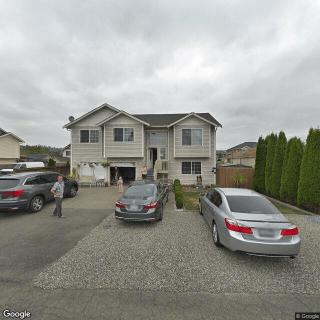
138 3Rd Avenue Sw, Pacific, WA 98047
For more information about senior living options: (866) 208-4318
Overall Review of Terry Home
Pros
 Joy and Paul are so good with the residents.
- They do great work in the community.
- They do great work for traumatic brain injury awareness.
Review
Terry Home in Pacific, WA is best suited for families seeking a small, relationship-driven setting where staff form genuine connections with residents and family involvement is welcomed and visible. The community appears to attract residents who benefit from a home-like atmosphere, with caregivers who take time to know individuals and track gradual progress. The strongest fit seems to be families prioritizing personal attention, consistent staff-resident rapport, and a culture that emphasizes community ties, including outreach beyond the facility walls.
Those weighing alternatives should consider options if the priority is robust medical oversight or a larger campus with wider service offerings. For residents who require intensive on-site medical management, complex dementia care with specialized memory support, or expansive activity programs and transportation networks, Terry Home may not provide every resource needed. Families should be prepared to compare medical staffing levels, access to on-call physicians, and the breadth of ancillary services when evaluating against larger facilities or communities with more defined clinical teams.
The most persuasive strengths lie in the staff-resident relationships and the demonstrated care ethos. Comments highlight staff members, identified in one account as exceptionally good with residents, and a sense that loved ones can witness meaningful progress in their relatives. The positive tone about staff and the visible commitment to the residents’ well-being underpin a trustworthy, supportive environment. Additionally, the community-level impact is a clear differentiator: there is pride in the people who live there and in the facility’s work within the broader community, including advocacy around traumatic brain injury awareness. That combination of personal touch and purposeful engagement tends to translate into calmer days and more purposeful routines for residents.
Because the feedback is concise and centered on warmth and community connection, several potential gaps naturally surface. There is little detail about the range of daily activities, meal quality, transportation options, or the exact level of medical oversight. The small number of published reviews means prospective families will need to verify specifics during tours, such as whether the activity calendar meets the resident’s interests, what kinds of outings are available, and how family members can participate in care planning. Those evaluating Terry Home should also confirm payment structures, what level of clinical support is included, and how emergency needs are addressed.
Despite the lack of explicit negatives, the limited data means risk factors exist for residents with higher medical complexity or stringent clinical requirements. The offset comes from the clearly compassionate staff and the tight-knit community that can deliver a sense of safety and belonging, often key for emotional well-being and consistent daily routine. The positive community footprint and the demonstrated pride among staff can soften a lot of concerns about social isolation or impersonal care, provided the resident’s needs align with the facility’s capabilities. In short, the alignment between resident needs and the home’s intimate, person-centered approach will largely determine satisfaction.
Practical next steps for families are straightforward. Schedule a visit, but come prepared with targeted questions: What is the staffing ratio on each shift? How are medical and therapy needs documented and monitored? Is there a dedicated memory or brain-injury-focused program, and what does that look like day-to-day? How are activities tailored to individual interests, and can residents participate in community outreach like advocacy efforts? Also compare cost and services with other nearby options to ensure value. If the resident prize is connection, continuity, and an engaged staff, Terry Home stands out as a compelling choice; if medical intensity or breadth of programming is non-negotiable, alternatives with larger clinical teams should be explored.
 10 resident community capacity
 Assisted Living
 Board and Care Home
 Cable or satellite TV
 Dining room
 Fully furnished
 Garden
 Housekeeping services
 Move-in coordination
 Outdoor space
 Telephone
 Wi-Fi/high-speed internet available
 Seattle-Tacoma International (13 miles away)
 24-hour supervision
 Activities of daily living assistance
 Assistance with bathing
 Assistance with dressing
 Assistance with transfers
 Diabetes diet
 Meal preparation and service
 Medication management
 Special dietary restrictions
 Transportation arrangement (medical)
 Transportation to doctors appointments






 Choosing the Right Senior Care: A Detailed Exploration of Assisted Living and Nursing Homes
 Understanding the True Cost of Assisted Living in 2025: A Comprehensive Guide
 Understanding Medicaid Coverage for Assisted Living: A Comprehensive Guide