
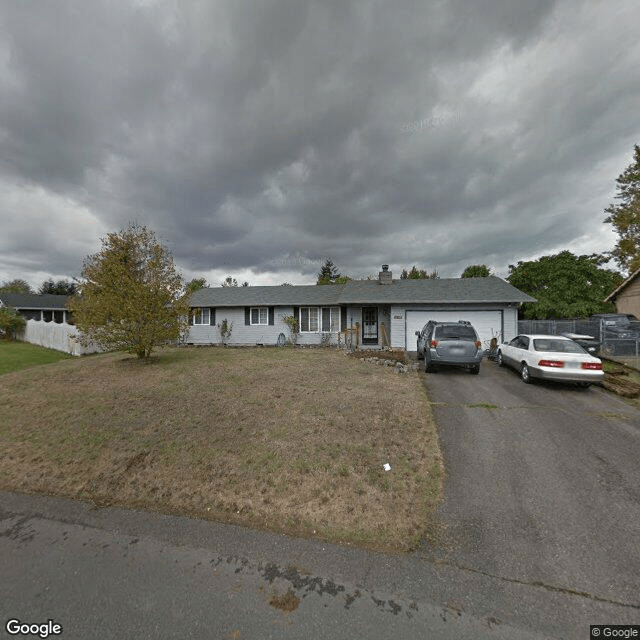
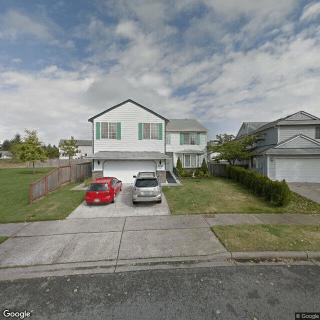
1138 Rockcress Drive SE, Olympia, WA 98513
To contact a resident: (360) 456-0657
For more information about senior living options: (866) 208-4318
Golden Valley AFH Costs & Pricing
Golden Valley Adult Family Home (AFH) offers competitive pricing in comparison to both Thurston County and the broader state of Washington. For a semi-private room, Golden Valley charges $4,000 per month, which is notably lower than the county average of $4,280 and slightly below the state average of $4,267. This presents a cost-effective option for those seeking shared accommodations. In terms of private rooms, Golden Valley's rate of $7,000 exceeds both local and state benchmarks, with Thurston County averaging $4,532 and Washington as a whole averaging $4,772. While the premium for private accommodations at Golden Valley may reflect enhanced amenities or services, it is important for prospective residents to weigh their options based on individual needs and budget considerations.
| Floor plans | Golden Valley AFH | Thurston County | Washington |
|---|---|---|---|
| Semi-Private | $4,000 | $4,280 | $4,272 |
| Private | $7,000 | $4,532 | $4,774 |
Memory care communities with a similar price nearby
-
About the same

Canterwoods Estate AFH
$4,000 to $5,500 / month5.0 miles away -
from -$500 / mo

Ahadi Care Adult Family Home
$3,500 to $4,000 / month23.5 miles away -
from -$500 / mo
Brooks Blessings Adult Family Home
$3,500 to $5,500 / month18.4 miles away -
from +$305 / mo
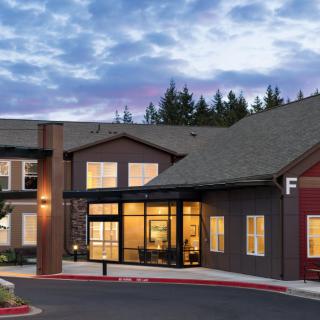
Penrose Harbor at Heron's Key
$4,305 to $7,332 / month21.5 miles away -
from +$200 / mo
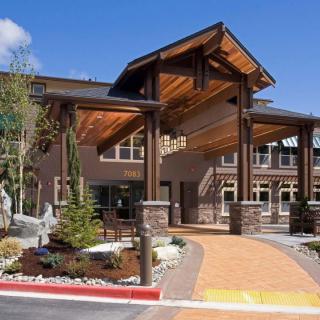
The Lodge At Mallard's Landing
$4,200 to $5,500 / month20.5 miles away
Overall Review of Golden Valley AFH
Pros
 The home is described as wonderful with loving and caring owners and staff.
- The care provided is excellent, with residents treated with dignity, even at the end of life.
- The staff are respectful and treat residents like family.
- Visitors are welcome to visit anytime, providing peace of mind for families.
- The environment is very friendly, neat, and tidy.
- A resident's family member is reported to be very happy with the stay.
- The staff and coordinators are helpful and supportive.
Cons
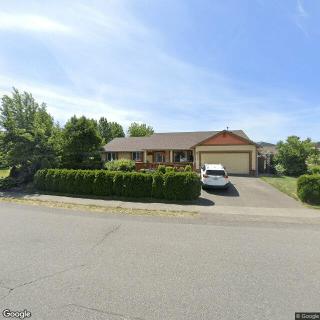
 They did not care for the area, and the front-yard appearance deterred them from visiting.
- The rating is based only on area and first impression from the street.
- The reviewer felt that the woman was too small to handle people.
- They believed that there could not be only one person on duty 24 hours a day.
Review
Golden Valley AFH in Olympia, WA is best suited for families seeking a small, home-like environment where seniors receive exceptionally personalized, compassionate care from owners who treat residents like family. It works especially well for loved ones who prize dignity, gentle daily caregiving, and ample opportunity for family members to visit and participate in care. The setting appeals to those who value a warm, intimate atmosphere over clinical or large-scale amenities. It is not the right fit for families needing aggressive 24/7 clinical oversight, extensive programming, or a polished, stand-alone neighborhood image.
Those who should consider alternatives are typically evaluating two realities: location and scale. If curb appeal or a certain neighborhood setting is non-negotiable, or if robust nighttime staffing is critical, a larger assisted living community with formal shift coverage may better suit the criteria. The same goes for families seeking stronger on-site security or a more structured daily routine. Additionally, households where visitors have pronounced safety concerns about on-site pets should factor in the presence of a dog and the possibility of visitors encountering the animal during drop-ins.
The strongest positives center on extraordinary relational care. Residents are treated with deep respect and kindness, and staff show a genuine investment in the resident’s well-being. Families report feeling reassured by the atmosphere, caregivers are described as loving, patient, and willing to go the extra mile to preserve dignity, including during end-of-life moments. The freedom to visit at any time is a meaningful advantage, reinforcing trust and transparency in the caregiving relationship. In short, the human touch here is the defining strength, delivering peace of mind that hard moments are met with compassion and shared sorrow.
However, several practical drawbacks temper that warmth. The first impression of the property can be a hurdle for some families, the front yard and overall external appearance may not reflect the quality inside, leading to hesitation before stepping inside. A notable concern is staffing capacity at night; one reviewer pointed out that the caregiver may be stretched too thin, raising questions about 24-hour coverage for emergencies. A dog on site introduces another calculus: while the animal is intended as a protective presence, it can create discomfort or safety considerations for visitors. Maintenance services, such as hair trimming, were described as inconsistent, suggesting that some routine care needs may require ongoing attention beyond core caregiving duties.
These pros and cons do not cancel each other out; they interact in ways that can still favor a positive decision for the right family. The remarkable, person-centered care can offset concerns about staffing by providing a reassuring, hands-on approach from owners who are deeply committed to the residents’ dignity and comfort. For families who can participate in care planning and who don’t require round-the-clock on-site coverage, the intimate staffing model often translates into highly responsive, attentive service during waking hours, with trusted caregivers who know the resident’s history and preferences. The welcoming atmosphere and neat, tidy living spaces reinforce a sense of safety and belonging that can be more meaningful than formal programming.
Decision-makers should weigh the intimate, home-like benefits against the operational realities. If the priority is a nurturing, family-like environment where staff know residents deeply, and where flexible visiting aligns with a person’s comfort, Golden Valley AFH presents a compelling option. If the decision hinges on robust night staffing, a polished exterior, or strict pet policies, alternatives housed in larger facilities or in areas with stronger curb appeal may be prudent. Prospective families are advised to visit at varying times, meet the owner-operator, inquire directly about night coverage, and assess how the dog presence would fit their visiting routine. In the end, the choice should align with whether the core value is a heartfelt, home-like caregiving culture or a more formal, institution-like level of care.
 Board and Care Home
 Memory Care
 Activities off-site
 Air-conditioning
 Bath tubs
 Beautician on-site
 Cable or satellite TV
 Devotional services off-site
 Indoor common areas
 Outdoor common areas
 Private
 Respite or short term stays offered
 Wheelchair accessible showers
 Wi-Fi/high-speed internet available
 Ambulatory care
 Diabetic care
 High acuity care
 Incontinence care
 Medication management
 Low / no sodium
 Bible study group
 Book club
 Day trips and outings
 Karaoke
 Live dance or theater performances
 Live musical performances
 Live well programs
 Wii bowling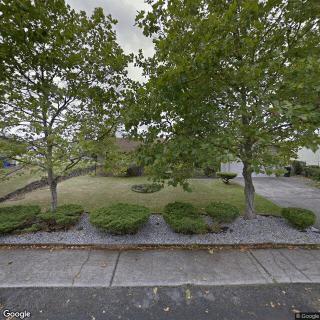


 When to Transition from Assisted Living to Memory Care: Key Indicators, Steps, and Finding the Right Community
 Understanding the Distinctions: Assisted Living and Memory Care Explained
 How to Communicate with a Loved One Living with Dementia: 10 Supportive Strategies