
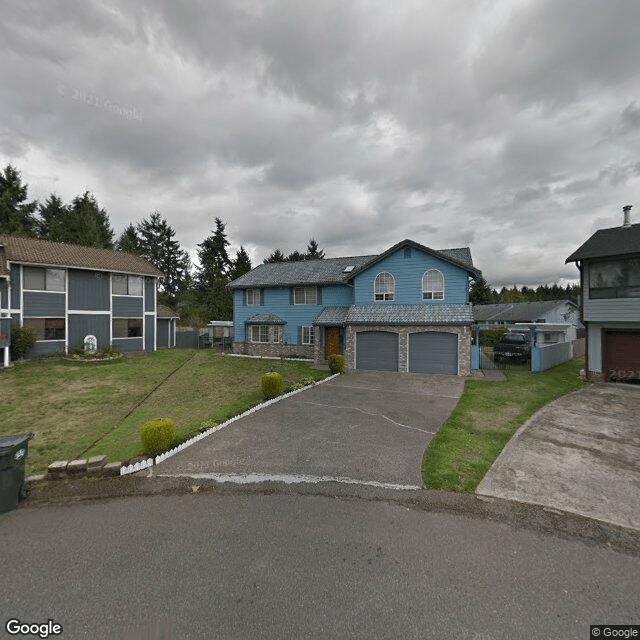
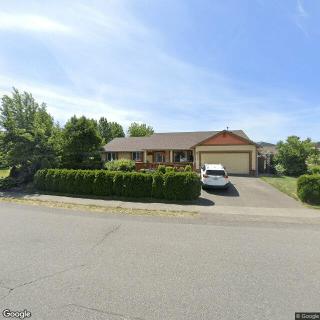
1138 Canna Court SE, Olympia, WA 98513
To contact a resident: (360) 493-6808
For more information about senior living options: (866) 208-4318
Canna Court Adult Family Home Costs & Pricing
Canna Court Adult Family Home presents a range of pricing options that significantly exceed the average costs for similar care facilities in both Thurston County and the state of Washington. For semi-private rooms, Canna Court charges $5,000 per month, which is notably higher than the county's average of $4,280 and the state's average of $4,267. This trend continues with private rooms priced at $6,500 compared to Thurston County's $4,532 and Washington's $4,772. Even more striking are the studio and one-bedroom options; both are offered at $7,500 - substantially above Thurston County's average of $4,131 and $4,085 respectively, as well as exceeding the state averages of $4,126 for studios and $4,632 for one-bedrooms. The higher costs at Canna Court reflect its unique offerings and potentially enhanced level of service that may appeal to those seeking elevated care in an adult family home setting.
| Floor plans | Canna Court Adult Family Home | Thurston County | Washington |
|---|---|---|---|
| Semi-Private | $5,000 | $4,280 | $4,272 |
| Private | $6,500 | $4,532 | $4,774 |
| Studio | $7,500 | $4,131 | $4,128 |
| 1 Bedroom | $7,500 | $4,085 | $4,634 |
Memory care communities with a similar price nearby
-
from +$500 / mo

Twin Lake Adult Family Home
$5,500 to $6,500 / month24.9 miles away -
from -$695 / mo

Penrose Harbor at Heron's Key
$4,305 to $7,332 / month21.4 miles away -
from +$995 / mo

Fieldstone Olympia Memory Care
$5,995 to $9,125 / month10.4 miles away -
from +$610 / mo

Rainier Rehabilitation
$5,610 to $6,240 / month23.4 miles away -
from +$500 / mo

Fieldstone Memory Care Puyallup
$5,500 to $6,850 / month22.7 miles away
Overall Review of Canna Court Adult Family Home
Pros
 The home is described as a beautiful, amazing group family home with compassionate, kind, gentle, humble, and patient staff.
- The staff's love and concern for residents is unfailing.
- The staff are kind, caring, and the house is consistently clean.
- They treat residents with respect and gentleness.
- Weekly deacon visits are a valued feature of the care.
- The home is loving and caring as if family, with caregivers who smile and give hugs.
- The staff provide activities, take residents for walks, and ensure fresh, well-prepared meals.
- The space features a spacious, inviting great room.
Cons
 The home is old, dark, and closed in, with older residents seemingly kept in the basement.
- Most of the rooms lack a private bathroom.
- The bathroom needs remodeling; it is tight for a wheelchair and looks broken.
- The facility lacks sufficient activities for residents.
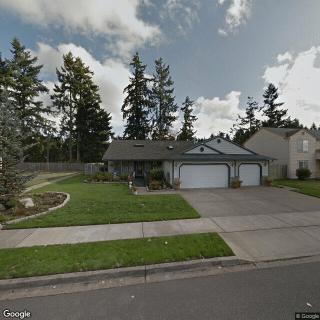
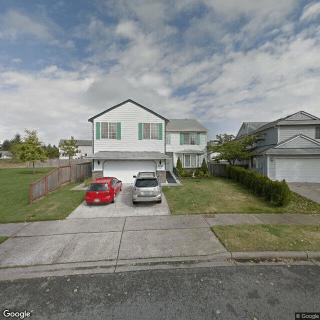
- The reviewer wished for online pictures and a more recent visit to assess the home.
Review
Canna Court Adult Family Home in Olympia is best suited for seniors who want a warm, family-style living arrangement where caregivers treat residents as cherished members of the family. This community shines for residents who value compassionate, patient, and gentle assistance within a home-like setting. It is especially well-matched to individuals who appreciate routine, personal attention, and a sense of belonging nurtured by small, intimate care. The Catholic-friendly element, weekly deacon visits, adds a meaningful dimension for residents who find spiritual reinforcement comforting. In short, this is a place where the human connection is the core asset, and daily life centers on kindness, respect, and a low-stress atmosphere.
Those who may want alternatives include residents needing more intensive medical oversight or a busier, more varied activity calendar. The building slows down the clock in ways that can feel confining to some; it is older and can seem dark or closed-in, with several rooms lacking private baths and limited space for wheelchairs. Online photos are sparse, and some tours reveal a facility that may not meet expectations for modern amenities or wide-ranging accessibility. Families prioritizing a resort-like setting, robust clinical resources, or abundant, structured programming should consider larger facilities that emphasize updated infrastructure and broader care capabilities.
The strongest positives center on staff and atmosphere. Caregivers are consistently described as kind, loving, and attentive, treating residents with dignity and respect and forming genuine, familial bonds with families. Cleanliness and a calm, orderly environment reinforce confidence that a resident’s daily needs are met with thoughtfulness and consistency. The deacon visit and religious accommodations matter deeply for Catholic residents, while staff flexibility and accommodation for family routines strengthen trust. The social fabric is reinforced by practical activities, occasional outings, walks on good days, and meals out when transportation is available. These elements help offset architectural limitations by delivering a secure, personable home life.
Activities exist and are well-meaning, though they may not satisfy every resident’s appetite for bustle or variety. The facility supports a pace that suits many seniors: schedules tend to be manageable, with opportunities to connect, stroll, and engage in light programs. Food quality is described as fresh, and dietary tweaks are welcomed, reflecting a responsive kitchen. The large shared spaces, the “big great room” in particular, provide room for family visits and informal social moments, contributing to a sense of community without sacrificing privacy. Overall, the environment rewards consistent engagement and authenticity, making Canna Court a compelling option for families prioritizing emotional security and dependable companionship.
For families evaluating a move, practical checks matter. Confirm whether private bathrooms exist in the specific rooms under consideration, and assess overall accessibility for wheelchairs and walkers. Inquire about the activity calendar’s variety and how residents’ preferences are incorporated, as well as how meals and transportation to appointments or outings are organized. Take time to speak with current residents and families about day-to-day routines, care transitions, and how responsive staff are during challenging moments. These questions illuminate whether the home’s warmth can translate into a reliable, long-term fit for daily life and evolving care needs.
The bottom line is clear: Canna Court delivers a remarkably warm, people-centered experience in an intimate, home-like setting. It is a strong match for seniors who prize personal attention, faith-based support, and a steady routine, delivered by caregivers who treat residents as their own. Those requiring advanced medical care, private baths for every resident, or a highly polished, modern facility should explore other options. For families seeking emotional reassurance, compassionate care, and a clean, welcoming environment within a smaller footprint, Canna Court stands out as a thoughtful, trustworthy option worth pursuing with a focused tour and candid questions.
 Board and Care Home
 Memory Care
 Activities off-site
 Bath tubs
 Beautician on-site
 Devotional services off-site
 Indoor common areas
 Outdoor common areas
 Private
 Diabetic care
 High acuity care
 Incontinence care
 Medication management
 Kosher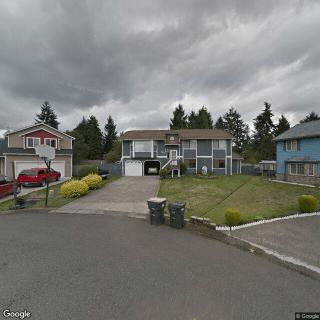


 Memory Care Pathways: A Holistic Guide to Dementia Support
 Comprehending Evening Confusion in Dementia: Causes, Manifestations, and Support
 Delirium and Dementia: Unraveling the Key Differences