For more information about senior living options: (866) 208-4318
4.8 from 32 reviews
5 stars
28
4 stars
3
3 stars
1
2 stars
0
1 stars
0
Ravancho AFH II Costs & Pricing
Ravancho AFH II offers care with costs that reflect its unique services and amenities. For a semi-private room, residents can expect to pay $6,500 per month, which is significantly higher than the average of $4,280 in Thurston County and $4,267 statewide in Washington. The price for a private room at Ravancho AFH II is set at $7,000 monthly, again above both county and state averages of $4,532 and $4,772 respectively. While these rates are notably above the local norms, they may be justified by the specialized care provided and the enhanced living experience offered at this facility.
Floor plans
Ravancho AFH II
Thurston County
Washington
Semi-Private
$6,500
$4,280
$4,272
Private
$7,000
$4,532
$4,774
Senior living communities with a similar price nearby
from -$1000 / mo
Twin Lake Adult Family Home
5 from 20 reviews
$5,500 to $6,500 / month
24.9 miles away
from +$500 / mo
Gloria's House Adult Family Home
5 from 17 reviews
$7,000 / month
18.8 miles away
About the same
Silver Creek Adult Family Home
5 from 16 reviews
$6,500 to $7,000 / month
22.4 miles away
from -$500 / mo
Harbor View Adult Family Home
5 from 14 reviews
$6,000 to $6,500 / month
23.7 miles away
About the same
Homebridge Adult Family Home
5 from 11 reviews
$6,500 to $8,000 / month
16.9 miles away
Overall Review of Ravancho AFH II
differentiator2 reviews mention this
Staff provide individual attention
Residents describe staff that provide individualized, hands-on attention.
A recent reviewer says the team goes the extra mile to keep a parent clean, well fed, and comfortable, and they feel the staff follow through on what’s promised. Another reviewer also references Zeny’s role in whether the home is the right fit, tying the experience to the way care decisions are made and communicated.
common2 reviews mention this
Owner stays involved with care
Families mention ongoing owner communication and involvement.
One review highlights that the owner calls regularly to keep the family informed and to track the doctor’s orders, including attending a doctor appointment to clarify directions. A separate review mentions Zeny and suggests that the owner’s judgment about fit can influence outcomes for prospective residents.
How we summarize
Counts show how many written reviews mention each theme; a review can touch several themes, and only frequently mentioned themes are displayed.
Features
Types of Care
Board and Care Home
Amenities
Activities off-site
Activities on-site
Bath tubs
Beautician on-site
Devotional services off-site
Devotional services on-site
Indoor common areas
Outdoor common areas
Private
Respite or short term stays offered
Care Services
Diabetic care
High acuity care
Incontinence care
Medication management
Dining
Kosher
Meals provided
Vegetarian
Activities
Activities off-site
Activities on-site
Devotional activities offsite
Devotional activities on-site
Nearby Places of Interest
This part of Olympia, Washington offers a range of amenities and services that may be appealing to seniors looking for a convenient and comfortable living environment. With multiple physicians, pharmacies, and healthcare facilities nearby, residents can easily access medical care as needed. Additionally, the abundance of restaurants, cafes, and parks provides opportunities for socialization and recreation. Places of worship are also within reach for those seeking spiritual fulfillment. The presence of a theater and proximity to hospitals further enhance the convenience and quality of life in this area.
Physicians
Olympic Recovery Center (1.1 miles)
Simply Thrive Psychotherapy (1.2 miles)
Olympia Orthopaedic Associates - Hawks Prairie Clinic (1.7 miles)
Ravancho AFH II offers care with costs that reflect its unique services and amenities. For a semi-private room, residents can expect to pay $6,500 per month, which is significantly higher than the average of $4,280 in Thurston County and $4,267 statewide in Washington. The price for a private room at Ravancho AFH II is set at $7,000 monthly, again above both county and state averages of $4,532 and $4,772 respectively. While these rates are notably above the local norms, they may be justified by the specialized care provided and the enhanced living experience offered at this facility.
Senior drivers prioritize comfort, safety, and ease of use in vehicles due to age-related challenges, seeking features like easy entry, clear visibility, and modern driver-assistance technologies. Recommended models include the Subaru Forester, Honda CR-V, and Toyota Camry, with emphasis on test-driving for personal comfort and evaluating crash-test ratings alongside insurance considerations.
Private pay home care offers a flexible caregiving option for older adults and families who don't qualify for government programs, allowing them to directly fund in-home care services that range from daily assistance to specialized support. This model's customization potential enables aging in place while addressing financial considerations through strategic planning options, though clients must navigate marketplace challenges and ensure quality compliance.
Arthritis encompasses over 100 joint disorders affecting people of all ages, leading to symptoms like pain and stiffness that impair mobility and quality of life. Effective management involves early diagnosis, lifestyle changes, medical treatments, emotional support, and ongoing monitoring with healthcare professionals.
Get PricingAsk A QuestionSchedule A TourContact Senior Advisor
By clicking submit, you agree to our Partner's Terms of Use. You
also consent to receive calls and texts, which may be autodialed, from our Partner. Your consent is not a condition to
using our Partner's service. Please visit our Partner's Privacy Policy for information about their privacy practices.

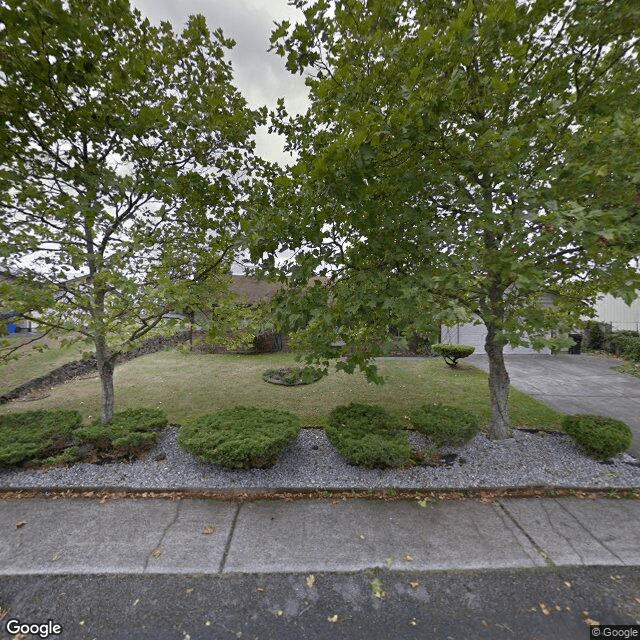

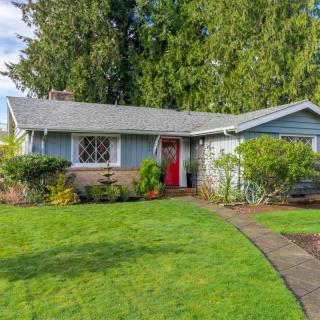
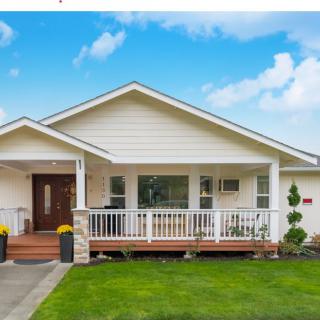
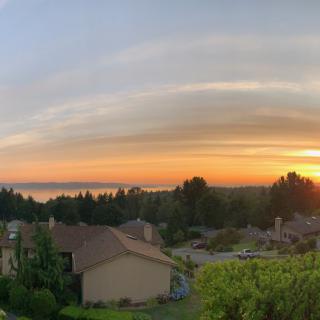
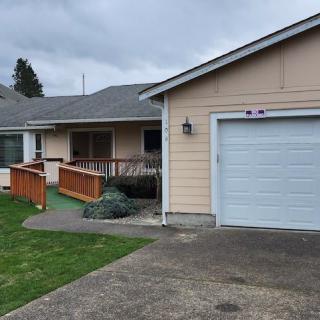
 Board and Care Home
 Activities off-site
 Bath tubs
 Beautician on-site
 Devotional services off-site
 Indoor common areas
 Outdoor common areas
 Private
 Respite or short term stays offered
 Diabetic care
 High acuity care
 Incontinence care
 Medication management
 Kosher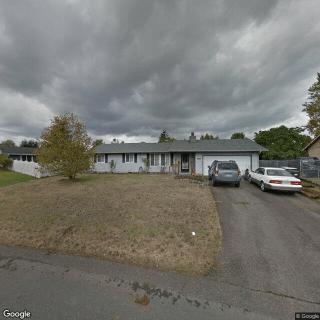
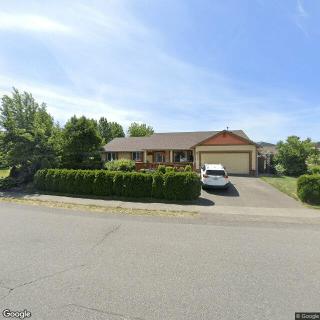
 Friendly, well-maintained environment with a helpful staff and happy residents.

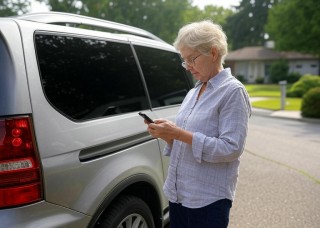 Top Cars for Senior Drivers and Essential Safety Innovations
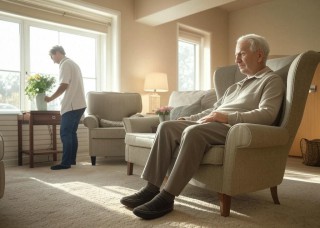 A Closer Look at Private Pay Home Care
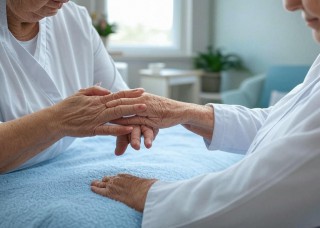 Comprehensive Approaches for Arthritis: A Detailed Guide to Symptoms, Causes, and Care