

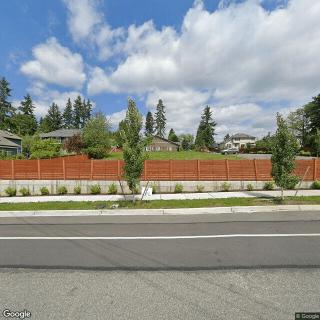
20502 15th Ave West, Lynnwood, WA 98036
To contact a resident: (425) 640-0941
For more information about senior living options: (866) 208-4318
Woodhaven Adult Family Home Costs & Pricing
Woodhaven Adult Family Home offers residential care at a competitive rate within the broader context of Snohomish County and Washington State. For semi-private rooms, residents will find the monthly cost set at $5,000, which is notably higher than both the county average of $4,320 and the state average of $4,267. The price for private rooms at Woodhaven is $5,500, again surpassing local and state averages of $4,834 and $4,772 respectively. Similarly, their one-bedroom accommodations are available for the same rate as private rooms at $5,500 - slightly above the county's average of $5,080 while still remaining lower than the state's average of $4,632. While Woodhaven's pricing reflects a premium compared to its surroundings, it may be indicative of elevated service standards or special features that enhance resident care and quality of life.
| Floor plans | Woodhaven Adult Family Home | Snohomish County | Washington |
|---|---|---|---|
| Semi-Private | $5,000 | $4,320 | $4,272 |
| Private | $5,500 | $4,834 | $4,774 |
| 1 Bedroom | $5,500 | $5,080 | $4,634 |
Memory care communities with a similar price nearby
-
from +$750 / mo

Fieldstone Rolling Bay and Fieldstone Memory Care
$5,750 to $8,895 / month15.5 miles away -
from -$500 / mo
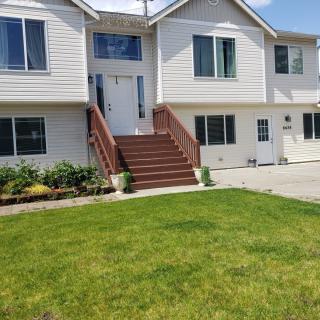
We Care Adult Family Home
$4,500 to $8,000 / month9.3 miles away -
from +$500 / mo

3 Tree Vista Adult Family Home, LLC
$5,500 / month24.8 miles away -
About the same
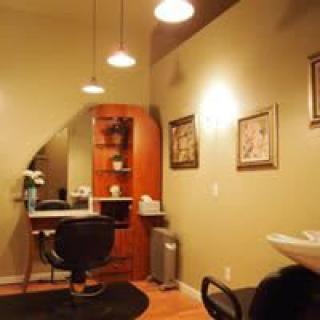
Abundant Life Lynnwood
$5,000 to $6,000 / month3.8 miles away -
from -$500 / mo
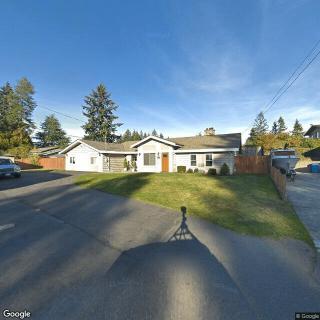
Happy Family Adult Family Home 2
$4,500 / month4.6 miles away
Overall Review of Woodhaven Adult Family Home
Pros
 The place is fantastic and the owner is amazing.
- Selam is calm, gentle, strong, and smart with residents.
- Selam cares for each resident like family.
- Selam notices important health details, changes in condition, activities, and hazards.
- Selam cooks delicious home-cooked meals and welcomes visitors.
- The mother is relaxed and happy at Achieve AFH, building good relationships with others.
- The positive changes observed in the mother are attributed to Achieve AFH.
- The reviewer highly recommends Achieve AFH.
Review
Woodhaven Adult Family Home in Lynnwood is best suited for families seeking an intimate, owner-led setting where an elder receives constant, personalized attention, proactive health monitoring, and care delivered with a home-like warmth. The review highlights a proprietor who embodies calmness, gentleness, and practical strength, treating residents as family and attending to every detail, from health changes to mobility, activity engagement, and even potential hazards in the living space. Meals come from a kitchen that feels home-made, and visitors are welcomed, reinforcing a sense of belonging and daily consistency. This combination tends to produce a resident experience that feels steady, respectful, and emotionally reassuring for families who want to see a loved one thrive in a familiar, low-stress environment.
On the other hand, those who may want alternatives include families with residents who have high-acuity medical needs requiring ongoing, on-site nursing, complex memory-care programming, or robust, campus-scale amenities. If a senior requires frequent access to specialized medical staff, highly structured therapeutic activities, or a larger, more varied social calendar, a larger assisted living community may offer more of those resources. Additionally, families seeking a facility with formal memory care designations, wider transportation options, or more formalized care coordination across multiple disciplines may find a bigger operation better aligns with their expectations for continuity of care and predictable staffing.
The primary positives in this narrative are concrete and actionable: exceptionally attentive leadership, a hands-on owner who notices subtle health shifts, and a culture that treats residents like family. The caregiver team is described as cohesive, with a low-key but highly capable presence that makes it possible to catch changes early, adjust routines, and prevent hazards from becoming problems. The caregiver-resident relationships are not transactional but relational, which supports emotional well-being and cooperation during daily activities. Mealtime experiences and social interactions reflect a warm, home-centered philosophy, which can significantly reduce anxiety and resistance to care, key factors when long-term engagement matters for appetite, sleep, and overall vitality.
Still, the main caveat for this model is the inherent scale and dependency that accompany a small, owner-operated home. The strongest potential risk is reliance on a single owner and a limited team for all caregiving, scheduling, and medical coordination. Should staffing gaps occur, coverage quality could be affected more quickly than in a larger facility with multiple shifts and back-up personnel. Families should verify the exact staff-to-resident ratio, ask about who leads activities on weekends, and confirm access to on-call medical oversight. Additionally, the breadth of programming and specialized services will naturally be narrower than in bigger communities, so residents with complex needs or those requiring frequent skilled nursing interventions may outgrow what a home like this can sustain.
The right balance here comes from the way the pros mesh with the stated limitations. A calm, consistently present owner plus a tight-knit caregiving team translates into rapid, personalized responses to health fluctuations, safer living spaces, and a reliable routine that reduces confusion and distress. The same strengths that foster trust and comfort, household meals, familiar faces, and flexible visiting, also help residents maintain dignity and promote adherence to care plans. In short, the core advantages effectively offset the main concerns for families prioritizing intimate, person-centered care and a nurturing, family-like atmosphere, provided the resident’s needs stay within the capabilities of a small, owner-led home.
For families evaluating Woodhaven AFH as a possible fit, the recommendation is practical and clear: schedule a face-to-face visit, observe how the staff interacts with residents, and probe the owner’s approach to medical coordination, emergency planning, and daily activity structure. Ask pointed questions about staffing coverage on evenings and weekends, how changes in health are communicated to families, and what happens if a resident requires higher-level nursing intervention. This approach reveals whether the intimate, attentive model can sustain the resident’s evolving needs over time. When alignment is found, Woodhaven AFH offers a compelling path to secure, compassionate living where a loved one can feel known, valued, and gently supported every day.
 Board and Care Home
 Memory Care
 Activities off-site
 Bath tubs
 Beautician on-site
 Devotional services off-site
 Indoor common areas
 Outdoor common areas
 Private
 Private bathrooms
 Respite or short term stays offered
 Wheelchair accessible showers
 Diabetic care
 High acuity care
 Incontinence care
 Medication management
 Meals provided


 Are Dementia and Alzheimer's Disease Lethal? A Comprehensive Exploration
 Exploring the Power of Reminiscence Therapy for Individuals With Dementia
 An In-Depth Look at Reminiscence Therapy in Dementia Care