
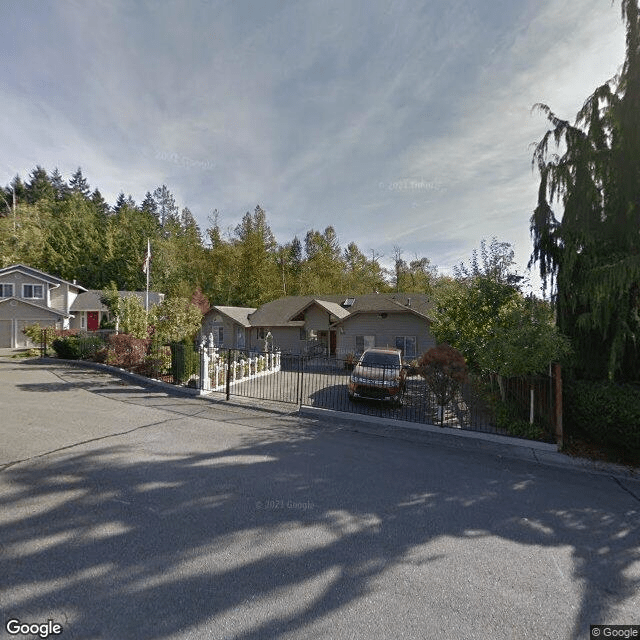
1410 218th PL SW, Lynnwood, WA 98036
To contact a resident: (425) 750-6286
For more information about senior living options: (866) 208-4318
Laura Raica Home Care Costs & Pricing
Laura Raica Home Care offers competitive pricing for its studio accommodations, with a monthly cost of $3,500. This rate is notably lower than both the average costs in Snohomish County, which stands at $4,443, and the broader state average of $4,126 for similar care options. By providing a more affordable choice without compromising quality, Laura Raica Home Care positions itself as an excellent option for families seeking personalized care for their loved ones in a supportive environment.
| Floor plans | Laura Raica Home Care | Snohomish County | Washington |
|---|---|---|---|
| Studio | $3,500 | $4,443 | $4,128 |
Memory care communities with a similar price nearby
-
About the same
Dignity Life
$3,500 / month3.5 miles away -
from -$125 / mo
Evergreen Manor Senior Care Inc
$3,375 to $7,500 / month8.2 miles away -
from -$500 / mo

Caring Adult Family Home #1
$3,000 / month3.5 miles away -
from +$500 / mo

Riverton Home Care
$4,000 to $5,000 / month22.4 miles away -
from +$500 / mo
Gentle Care Home
$4,000 to $5,500 / month24.8 miles away
Overall Review of Laura Raica Home Care
Pros
 The owner and staffers made him comfortable.
- The owner connected a Chinese TV program to his room, bringing daily joy.
- The staff were approachable and flexible.
- The family trusted them and found them unwavering in their patience and kindness.
- Wenny’s RN background helped keep grandma safe and facilitated communication with doctors.
- The team kept the family updated and intervened early when health issues arose.
- Loving Care creates a therapeutic environment with thoughtful touches, such as remodeled floors, a sun porch, and a garden.
- The staff personalized spaces and caring details, like painting the room in her favorite color and providing new recliners.
- The meals looked appetizing and reflected the heart put into cooking.
- The team cared for residents through hospice with comfort and shared tears, offering reassuring humor in difficult times.
Review
Laura Raica Home Care in Lynnwood operates best for families seeking a tightly knit, home-like setting where care is led by an on-site registered nurse and a small, compassionate team. It suits seniors who value personal attention, predictable routines, and meaningful daily interaction with caregivers who feel like family. With a single-digit resident cap in practice, the environment stays intimate, allowing staff to notice subtle changes in health or mood and respond quickly. The owner’s active involvement translates into steady oversight and clear, direct communication with families. For anyone prioritizing comfort, dignity, and reliable updates over institutional scale, this community stands out as a practical, highly personalized option.
Those considering alternatives are wise to explore options with broader medical coverage, more structured programming, or a larger social scene. Larger assisted living communities or dedicated memory-care settings can offer more on-site therapies, round-the-clock medical availability, and a fuller calendar of activities. For residents requiring frequent physician rounds, advanced wound care, or rehab services beyond what a four-resident home typically provides, a bigger campus may be a better fit. If language diversity, varied cultural programming, or a wider menu beyond home cooking is important, a larger facility often delivers those elements more readily. Vacancy dynamics also favor larger communities, where space and staffing are less constrained by a four-resident cap.
The strongest positives revolve around medical oversight and family partnership. The owner’s nursing background enables direct care leadership and proactive coordination with primary care providers, encouraging early intervention and safety. The care team, Jenny and Eddy, consistently earns trust through genuine empathy, patience, and reliability, especially with residents who have dementia. The home itself feels both calm and cared-for: recent remodeling, a sun porch, a small garden, and thoughtful touches like room color choices and new recliners. Meals appear appetizing and carry the imprint of heartfelt effort. This combination converts the risk a micro-site might pose for scale into a meaningful advantage: highly personalized, attentive care that many larger facilities struggle to sustain.
Daily life centers on warmth, dignity, and safety. Particular emphasis is placed on comfort in end-of-life and palliative contexts, with equipment such as specialty air mattresses to prevent pressure sores and routines that prioritize grooming and hygiene. Staff go beyond basics, facilitating haircuts, nail care, and careful dressing when family cannot be present. The environment remains clean, orderly, and homelike, supporting reminiscence and peaceful moments. Families notice that staff remember preferences, favorite colors, meals, and routines, and translate that knowledge into daily practice. In short, the four-resident model cultivates a depth of attention and a consistency of care that larger settings often cannot match.
Evidence from multiple families reinforces a clear pattern: caregivers here become extensions of the family. Long tenures and repeated visits highlight reliable, compassionate care, with families feeling welcomed and kept in the loop about health and daily life. Several accounts describe staff gracefully handling hospice transitions, preserving dignity and comfort while maintaining honest, open communication with relatives. The garden, the blue-painted room, and shared meals become anchors of stability and belonging. Across households, the sentiment is alike: this is where professional competence blends with heartfelt care to create a truly special home.
The practical takeaway is straightforward. This community excels for families prioritizing intimate, dignified care delivered under experienced nursing leadership and a deeply supportive caregiver staff. It is less suited for those needing expansive medical services, wide-ranging programming, or a large network of therapists and activities. The trade-off, small scale for extraordinary personal attention, generally pays off in peace of mind and quality of life. Prospective families should arrange a tour, confirm current capacity, and probe dementia and hospice experience, language preferences, and dietary needs to ensure alignment with the loved one’s values and needs. In the right match, Laura Raica Home Care offers a compelling, well-grounded choice.
 Board and Care Home
 Memory Care
 Seattle-Tacoma International (24 miles away)





 When Dementia Sparks Anger and Aggression: Understanding the Connection and Ways to Cope
 Dementia Behaviors: In-Depth Understanding and Effective Coping Strategies
 5 Early Indicators of Dementia and What You Can Do