
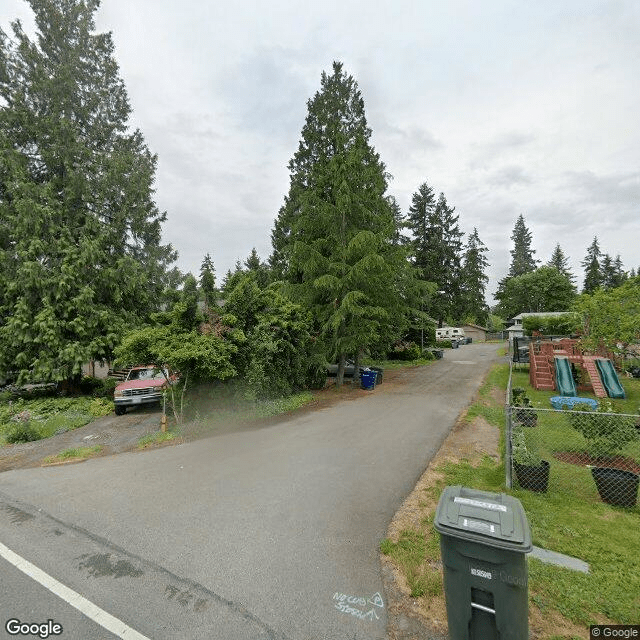
418 217th Pl. SW, Bothell, WA 98021
To contact a resident: (425) 398-8232
For more information about senior living options: (866) 208-4318
Overall Review of Mary-Ann's Home Care
Pros
 Veronica and her staff are the caregivers you’d want looking after your loved ones.
- Veronica is meticulous about details and treats her vocation like a calling, with infectious positive energy.
- The care is proactive and resident-focused, helping each person thrive.
- The home environment feels warm, friendly, clean, and welcoming with plenty of light.
- Families are kept in the loop, receiving regular, reassuring communication.
- The caregivers are professional, attentive, and genuinely kind and compassionate.
- The facility provides a home-like atmosphere with thorough daily care.
- Residents feel safe, loved, and well cared for, with individualized attention.
- Veronica’s leadership creates a nurturing, high-quality standard of care.
- The reviews consistently recommend Elderly Home Care as the best option for loved ones.
Cons
 The reviewer notes that their mother was very unhappy in the memory care placement after moving from the previous assisted living facility.
- That arrangement did not work out well.
- The prior facility did not last long for her care needs.
Review
Mary-Ann's Home Care in Bothell is best suited for families seeking an intimate, home-like setting where seniors receive exceptionally personalized attention. This community excels for residents who benefit from a small, predictable routine, direct access to a devoted caregiver team, and a culture that feels more like a private household than a campus. It is especially strong for individuals with memory impairment or dementia who respond to steady, hands-on care, frequent updates to families, and caregivers who know each resident’s idiosyncrasies. The atmosphere is lively and engaged, with daily routines that emphasize safety, warmth, and everyday dignity. For families prioritizing meaningful relationships and meticulous caretaker oversight, this AFH stands out.
Those weighing alternatives should consider the realities of size and scope. The home’s small footprint, typically six to seven residents, means fewer of the broad amenities, formal activity calendars, and campus-scale medical resources found in larger assisted living communities. For families seeking a more corporate environment, or for residents who require extensive on-site medical staff, structured programming, or dedicated secure memory-care wings, a larger facility may fit better. Additionally, if a loved one’s needs evolve toward highly complex medical management or post-acute rehab pathways, a bigger community with full-time on-site clinicians may be a more suitable match. In short, this is a standout in its niche, but not a one-stop solution for every level of care.
The strongest pros are precision-focused and family-forward, and they materially offset the main trade-offs. Leadership under Veronica is repeatedly described as attentive, meticulous, and relentlessly proactive, qualities that translate into careful medication management, strong caregiver training, and timely adjustment of care plans as needs shift. The staff’s warmth and consistency foster trust, while the home’s cleanliness, comfortable private rooms, and shared dining contribute to a sense of belonging and daily social connection. Families are kept in the loop with regular updates, and the atmosphere feels loving and respectful, elements that often prevent the isolation and miscommunications that can plague larger facilities. When dementia or memory needs are present, this combination of staffing discipline and intimate setting frequently yields better day-to-day well-being than might be found elsewhere.
That said, the smaller scale does carry trade-offs that families should weigh against the visible strengths. While the home offers 24-hour care with additional observation when needed, the practical reality is a leaner on-site medical footprint than what larger campuses provide. Visiting nurses and monthly physician input supplement care, but those resources aren’t equivalent to round-the-clock on-site clinicians. For residents who require extensive therapeutic programming, a robust activity calendar, or highly specialized medical services on-site, the AFH model can feel limited. Yet these gaps are almost always counterbalanced by the level of personal attention, the fast response to concerns, and the depth of relationships that develop in a close-knit, family-style household.
Ultimately, the decision hinges on core priorities. If the priority is deep human connection, consistent caregiver relationships, transparent family communication, and a caregiving team that treats residents as beloved individuals, Mary-Ann's Home Care delivers with extraordinary clarity. The environment supports calm transitions, meaningful meals, and opportunities for social interaction that feel natural rather than scheduled. Those who require a highly regulated medical campus, a wide array of on-site therapies, or a broad network of healthcare professionals may find alternatives more aligned with their expectations. The contrast is not a flaw so much as a matter of fit: a superb match for families who value intimate, attentive care over campus-scale amenities.
In practical terms, families choosing this AFH should enter with a clear picture of what a small, fiercely person-centered operation can provide. Tour with questions about daily routines, staff-to-resident ratios, and how medication administration is handled. Inquire about how care plans are updated and how family members are kept informed during health events. Assess whether the resident’s current and foreseeable needs can be met within the home’s size and staffing model, and discuss contingency plans if a medical escalation becomes necessary. For those who want a warm, loving, expertly managed home environment, Veronica and her team offer something rare and compelling, a truly human-centered approach to aging in place that frequently translates into happier residents and calmer families.
 Board and Care Home
 Seattle-Tacoma International (25 miles away)






 Compassionate Conversations: How to Comfort Someone Who Is Grieving
 Home Health Care Aides: Understanding Their Role and Supporting Your Family
 Urinary Tract Infections in Older Adults: Comprehensive Insights on Symptoms, Treatment, and Prevention