
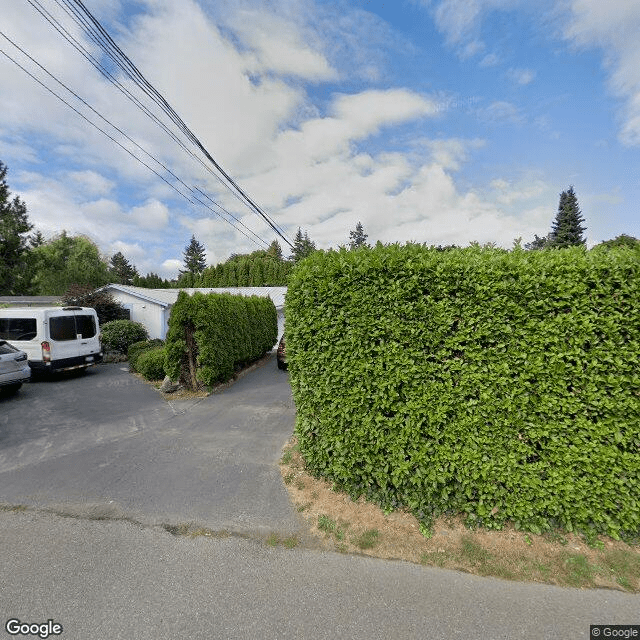
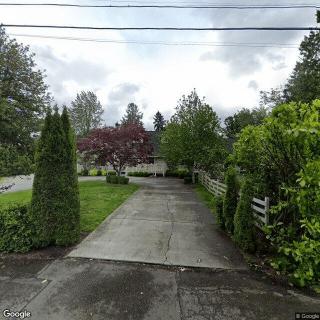
20630 S Danvers Road, Lynnwood, WA 98036
To contact a resident: (425) 967-5499
For more information about senior living options: (866) 208-4318
Adonai West AFH Costs & Pricing
Adonai West Adult Family Home offers competitive pricing for its residents, aligning closely with the broader market trends in Snohomish County and the state of Washington. For semi-private accommodations, Adonai's monthly rate is $4,500, slightly above the county's average of $4,320 and the state's average of $4,267. Private rooms at Adonai are priced at $5,000, which is also higher than both Snohomish County's average of $4,834 and Washington state's average of $4,772. The facility's one-bedroom option is offered at $6,000 per month - significantly above the county's average of $5,080 and the state figure of $4,632. These rates reflect not just the quality of care and services provided but also position Adonai West AFH as a premium choice in a region where costs are steadily rising.
| Floor plans | Adonai West AFH | Snohomish County | Washington |
|---|---|---|---|
| Semi-Private | $4,500 | $4,320 | $4,272 |
| Private | $5,000 | $4,834 | $4,774 |
| 1 Bedroom | $6,000 | $5,080 | $4,634 |
Memory care communities with a similar price nearby
-
from -$500 / mo

Riverton Home Care
$4,000 to $5,000 / month23.2 miles away -
About the same
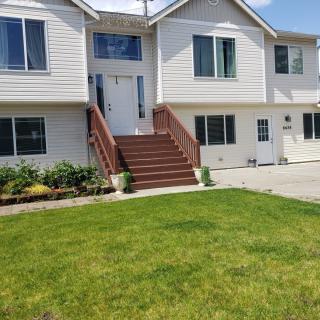
We Care Adult Family Home
$4,500 to $8,000 / month9.4 miles away -
from +$500 / mo
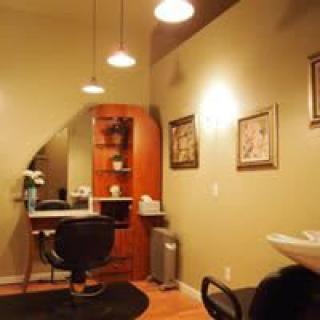
Abundant Life Lynnwood
$5,000 to $6,000 / month4.1 miles away -
About the same
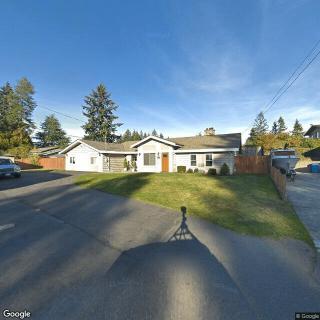
Happy Family Adult Family Home 2
$4,500 / month5.0 miles away -
About the same
Amy's Adult Care Home
$4,500 / month10.5 miles away
Overall Review of Adonai West AFH
Cons
 The place is horrible.
- This establishment should be inspected by the county or state.
- The reviewer would give this place zero stars if possible.
Review
Adonai West AFH in Lynnwood, Washington, is best avoided by families seeking safe, overseen assisted living. The sole published review profiles a facility in a state of serious concern, describing it as “horrible” and recommending county or state inspection, and the reviewer would award zero stars if possible. That verdict signals more than dissatisfaction; it flags potential safety violations and subpar operations. In practical terms, this community is not well-suited for seniors who rely on reliable supervision, consistent care, and transparent processes. The safest conclusion is that only those confronted with absolutely no viable alternatives, and who can personally monitor daily care, sanitation, medication handling, and safety, would consider exploring Adonai West AFH further. For most families, the risk is too high.
Given that negative benchmark, the recommendation is clear: direct attention to alternatives with verifiable safety records and licensing compliance. The decision framework should prioritize facilities with robust oversight, regular inspections, and consistently strong staffing. In the Lynnwood area, as in others, there are options that can demonstrate ongoing compliance and clear communication with families. Look for facilities with transparent inspection reports, visible protocols for daily operations, and opportunities to speak with front-line staff and residents. If a community cannot provide current licensure status, inspection histories, or a plan demonstrating safe, respectful care, it should not be considered a viable choice. A thorough comparison will separate truly safe environments from questionable ones.
Pros and red flags do not balance in this case. The review provides no positives to offset the alleged failings, leaving the core issue, safety and quality, unmitigated. Without concrete advantages such as accredited staff training, high caregiver ratios, documented quality controls, or demonstrable responsiveness to concerns, the only signal is caution. In effect, the absence of credible benefits means the risks highlighted by the reviewer carry disproportionate weight. A facility's value often rests on consistent reliability and visible, measurable care standards; when those signals are missing, every other attribute becomes less meaningful.
Risk factors extend beyond personal comfort into measurable outcomes. The call for county or state inspection implies potential violations or unsafe conditions that could endanger residents. Medication management mishaps, insufficient supervision, sanitation lapses, or poor emergency response are plausible red flags in environments flagged this way. Even with a resident who can manage with minimal oversight, the lack of quality signals erodes trust and increases liability for families paying for care. The prudent choice is to deprioritize this community and invest in facilities where inspections are positive, staff are consistently present, and daily routines are transparent and verifiable.
Family decisions should proceed with a structured evaluation. Begin by requesting the latest licensing status and formal inspection summaries, then demand a guided tour focusing on safety, cleanliness, and how emergencies are handled. Require candid discussions with caregivers about shift coverage, training, and how concerns are escalated. Compare these responses against multiple, independent facilities with solid reputations. Create a checklist covering meal quality, activity engagement, medication administration, and incident reporting. If any facility cannot meet baseline expectations for safety and oversight, remove it from consideration. The goal is to identify an environment where safety is perpetual, not contingent on unusual scrutiny.
Bottom line: this community does not align with the criteria families rely on for sound decisions. The sole review presents a stark warning that safety and quality may be compromised. For families in the Puget Sound region, alternatives exist that deliver consistent supervision, transparent practices, and demonstrable compliance. Before committing any resources or sharing sensitive information, seize the opportunity to visit, question, and compare. The time invested in filtering out high-risk options saves far more trouble later. Adonai West AFH should be crossed off the shortlist in favor of facilities with proven safety records, stable staffing, and clear accountability. In care planning, certainty beats hope every single time.
 Board and Care Home
 Memory Care
 Cats allowed
 Dogs allowed
 Activities off-site
 Beautician on-site
 Full kitchen
 Handicap accessible
 Indoor common areas
 Outdoor common areas
 Private
 Private bathrooms
 Wheelchair accessible showers
 Wi-Fi/high-speed internet available
 Diabetic care
 High acuity care
 Incontinence care
 Medication management
 Low / no sodium
 BBQs or picnics
 Birthday parties
 Resident band or musicians
 Specialized memory care with comprehensive care services and on-site activities.

 Understanding Dementia Through Its Seven Stages: A Comprehensive Look at Progression and Expectations
 A Holistic Dementia Care Guide: Effective Strategies for Memory Support
 Memory Care Pathways: A Holistic Guide to Dementia Support