
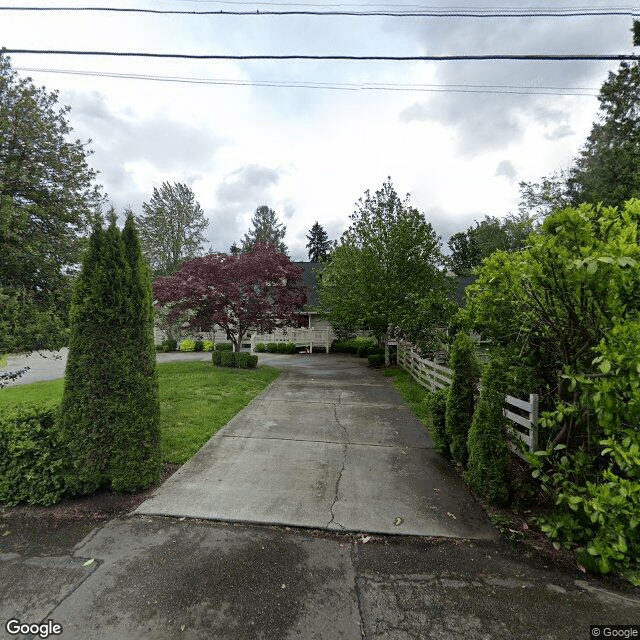
21019 Royal Anne Road Unit A, Bothell, WA 98021
To contact a resident: (425) 408-0748
For more information about senior living options: (866) 208-4318
Royal Anne II Costs & Pricing
At Royal Anne II, the monthly costs for living in various room types are notably higher than both Snohomish County and the broader state of Washington. Whether opting for a private room, studio, or one-bedroom unit, residents can expect to pay $6,500, significantly exceeding the county's average of $4,834 for a private room and even more so compared to the state average of $4,772. This trend continues across all room types; for studios and one-bedrooms as well, Royal Anne II maintains a consistent monthly rate that is approximately 46% to 28% higher than local and state averages. While these costs reflect the premium services and amenities offered at Royal Anne II, potential residents should weigh these expenses against the unique benefits that come with living in this community.
| Floor plans | Royal Anne II | Snohomish County | Washington |
|---|---|---|---|
| Private | $6,500 | $4,834 | $4,774 |
| Studio | $6,500 | $4,443 | $4,128 |
| 1 Bedroom | $6,500 | $5,080 | $4,634 |
Memory care communities with a similar price nearby
-
About the same
The Promised Land
$6,500 / month2.0 miles away -
from -$500 / mo
Home Away From Home LLC
$6,000 to $7,000 / month5.7 miles away -
from -$500 / mo
Elderly Home Care
$6,000 to $8,000 / month4.8 miles away -
from -$750 / mo
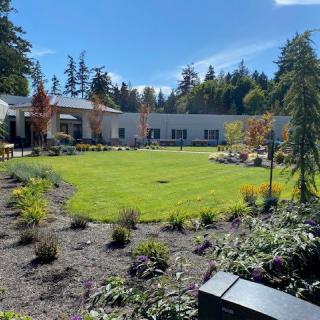
Fieldstone Rolling Bay and Fieldstone Memory Care
$5,750 to $8,895 / month16.4 miles away -
from -$500 / mo
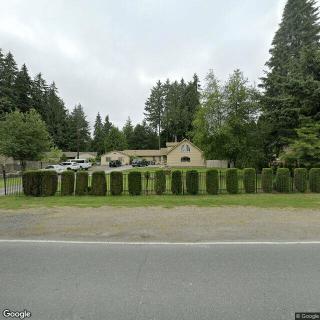
Sunny Side Adult Family Home
$6,000 / month4.8 miles away
Overall Review of Royal Anne II
Pros
 The director was professional and thorough with her interview.
- They liked the space, grounds, and especially the exercise area.
- All the residents looked happy and well cared for.
Cons
 No negative statements found in the provided review.
Review
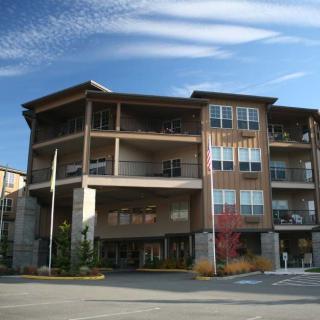
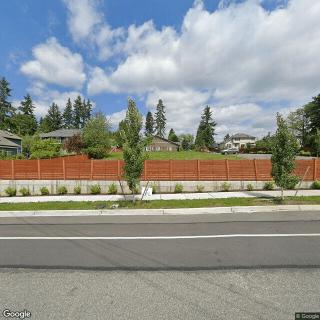
Royal Anne II in Bothell, WA, is best suited for seniors who want a smooth, no-surprise admission experience paired with a clearly cared-for environment. The standout cue from the experience is a director who conducts the intake with professionalism and thoroughness, signaling a community that values clarity and alignment from the outset. Prospective residents who appreciate a well-kept campus, where the grounds feel inviting, and a strong emphasis on fitness amenities will find this setting attractive. The presence of a solid exercise area points to an active, health-conscious daily routine, which matters for maintaining independence longer. In short, this community rewards families seeking predictability and a physical space designed to support ongoing wellness.
Those who may want to consider alternatives are residents with higher medical needs or those seeking extensive memory-care programming beyond basic assisted living. The review hints at a positive caregiving impression, but it provides no detail on specialized services, staff ratios, or on-site medical support. Families looking for very transparent, data-driven staffing metrics or comprehensive dementia care should compare with options that explicitly highlight these capabilities. Additionally, if a larger campus, broader activity calendar, or more varied dining and transportation options are priorities, exploring other communities could yield better alignment with those expectations.
The core strengths, professional intake, appealing space, and a well-regarded exercise area, mesh to create confidence that the community can support ongoing wellness and a smooth transition for new residents. A professional interview process reduces the risk of mismatches between resident needs and service delivery, while an inviting environment and accessible fitness resources support daily quality of life. The image of residents appearing happy and well cared for reinforces the belief that the staff are attentive and that the atmosphere is supportive. When a family values a proactive, organized approach to introduction and a campus designed around activity and movement, these elements translate into practical advantages in daily living.
Nevertheless, one data point is not a plan. Relying on a single review leaves important questions unanswered: how consistent is the care experience across shifts and days, what is the real pace and variety of activities, and how robust are the dining, transportation, and emergency-response systems? The absence of broader detail means risk does exist in assuming uniformity of quality. The good news is that the available signals, professional leadership, an inviting setting, and evident resident satisfaction, set a believable baseline. Families should validate by visiting, speaking with front-line staff, and requesting recent care plans and incident reports to confirm that the day-to-day reality matches the positive impression.
To make a well-supported decision, focus on concrete expectations during a tour. Inquire about nurse and aide staffing levels by shift, the cadence of care plan updates, and howresident preferences are captured and updated. Probe the dining program for menu variety, nutritional options, and accommodations for dietary restrictions. Examine the activity calendar to see how fitness, social engagement, and cognitive-stimulation offerings are balanced, and ask about transportation arrangements for appointments and social outings. Finally, request information on memory-care options, safety features, emergency response times, and how staffing adapts to evolving needs as residents age in place. If these components align with the family’s priorities, Royal Anne II stands out as a compelling choice.
In the end, Royal Anne II is a strong fit for families prioritizing a professional intake process, a pleasant physical setting, and a clear emphasis on activity and well-being, with residents who look happy and cared for as a practical indicator of daily quality. It is particularly well-suited for those who value consistency, a well-maintained campus, and a fitness-forward lifestyle in a Bothell address. For families whose needs stretch toward intensive medical oversight, highly specialized memory care, or a broader service mix, alternatives that provide explicit confirmation of those capabilities are prudent. A visit with targeted questions will reveal whether this community can deliver the right balance of independence, safety, and engagement.
 Board and Care Home
 Memory Care
 Activities on-site
 Bath tubs
 Beautician on-site
 Devotional services on-site
 Indoor common areas
 Outdoor common areas
 Private
 Private bathrooms
 Respite or short term stays offered
 Wheelchair accessible showers
 Diabetic care
 High acuity care
 Incontinence care
 Medication management
 Meals provided

 5 Early Indicators of Dementia and What You Can Do
 8 Important Indicators That Memory Care May Be Necessary
 Delving into the Inner World of Dementia: Insights into Thoughts and Awareness