
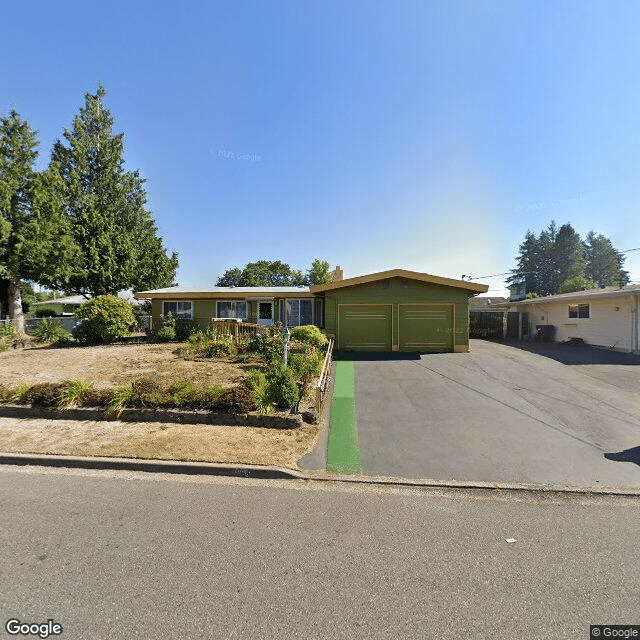
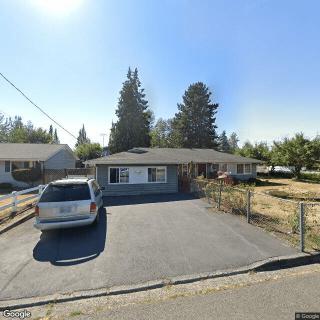
10615 SE 226 Street, Kent, WA 98031
To contact a resident: (253) 850-6178
For more information about senior living options: (866) 208-4318
Happy Home II Costs & Pricing
Happy Home II offers a highly competitive rate for private rooms at $2,000 per month, significantly lower than the average costs in both King County and the broader Washington state. In King County, the monthly cost for similar accommodations stands at $5,034, while Washington state averages around $4,772. This pricing not only makes Happy Home II an attractive option for individuals seeking quality care without breaking the bank but also reflects its commitment to providing accessible living arrangements within a challenging economic landscape. Overall, residents can enjoy substantial savings while receiving attentive services tailored to their needs.
| Floor plans | Happy Home II | King County | Washington |
|---|---|---|---|
| Private | $2,000 | $5,034 | $4,774 |
Memory care communities with a similar price nearby
-
from +$337 / mo

Marine Courte Memory Care
$2,337 to $3,228 / month24.9 miles away -
from +$270 / mo

Franke Tobey Jones - Retirement Estates
$2,270 to $6,270 / month16.6 miles away -
About the same
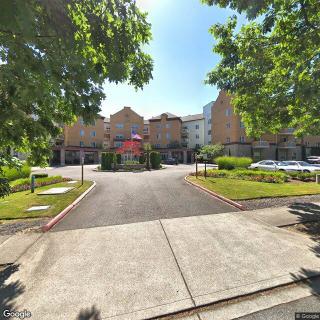
Chateau at Valley Center
$1,945 to $5,090 / month2.9 miles away -
from +$350 / mo
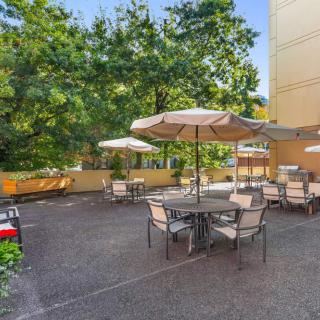
Truewood By Merrill, First Hill
$2,350 to $5,550 / month16.0 miles away -
from -$300 / mo
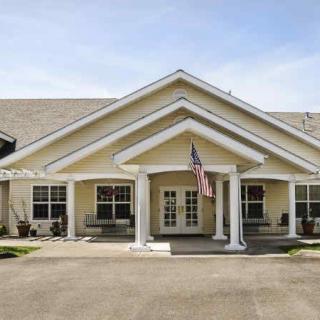
Cascade Place Assisted Living and Memory Care
$1,700 to $2,600 / month17.7 miles away
Overall Review of Happy Home II
Pros
 Our brother has lived here for over two years.
- He is treated with respect and as if he were a family member.
- They honestly could not ask for more.
Review
Happy Home II in Kent, Washington is best suited for seniors who prize dignity, respect, and a home-like atmosphere where staff relationships feel personal and long-standing. The strongest beacon from the available feedback is that residents are treated as family and that care feels relational rather than transactional. A family member notes that their brother has lived there for over two years and is treated with respect, which signals a culture that prioritizes humane, familiar interaction over impersonal routines. For families seeking a calm, steady environment where the social fabric and day-to-day courtesy matter as much as care tasks, this community presents a compelling fit.
Those who may want to consider alternatives are those whose priorities include intense clinical acuity, highly specialized memory care, or a calendar packed with expansive, highly varied programming. If a loved one requires frequent on-site medical interventions, complex wound care, or access to a broad menu of therapeutic modalities on a daily basis, it is prudent to compare options that emphasize clinical capacity and rapid escalation protocols. Budget considerations also loom large in these decisions; communities with higher-end amenities or more extensive staffing models can alter total cost of care, so a clear sense of value relative to needs is essential.
The core pros center on the relational quality of care. The feedback highlights genuine respect from staff and a family-like environment, which translates into predictable routines, familiar faces at daily moments, and an emotional safety net for both resident and family. Long tenures among residents and staff alike tend to reduce the anxiety that often accompanies transitions into care settings, allowing seniors to settle in with less disruption. In short, the experiential strengths lie in dignity, continuity, and a sense of belonging that can measurably ease stress for families watching over loved ones.
Those relational strengths offset common drawbacks in many communities by addressing what families most worry about, feeling like a number or enduring constant turnover. When a place earns trust through consistent, respectful interaction and a homey atmosphere, it lowers the perceived risk of neglect, miscommunication, or abrupt changes in care philosophy. In a market where impersonal care is a real risk, the described culture at Happy Home II represents a meaningful counterbalance: stability that looks and feels like a sustained family involvement, not a revolving door of caregivers. While every setting has trade-offs, the absence of reported friction in this case is a meaningful signal that the positives are not fleeting.
Practically, families evaluating this community should verify several fundamentals before deciding. Confirm the current and projected care levels to ensure alignment with evolving needs, and inquire about staff-to-resident ratios, training emphasis on person-centered care, and mechanisms for regular family updates. Explore meal quality, safety features, transportation options, and the availability of meaningful activities that match the residentā€™s interests without over-scheduling. Most importantly, assess whether the atmosphere truly feels like a home and whether staff are accessible, approachable, and genuinely attentive to individual histories and preferences. A campus tour with candid conversations with front-line caregivers and administrative leadership can reveal whether the family-like culture is substantive or simply aspirational.
The bottom line is clear: for families prioritizing dignity, consistent relationships, and a home-like cadence in daily life, Happy Home II offers a distinctly favorable fit. Its proven strength in treating residents with respect and embedding them in a familial care dynamic is not a minor perk but a central value that can meaningfully influence quality of life, and family peace of mind. If, however, the priority weighs heavily toward advanced medical oversight, highly specialized programming, or cost structures that push beyond a modest budget, it is prudent to compare alternatives that foreground clinical capabilities or different environmental strengths. In decision-making terms, this community satisfies a clear and important need for many, while others with different clinical or financial priorities should pursue other paths with the same disciplined evaluation.
 Board and Care Home
 Memory Care
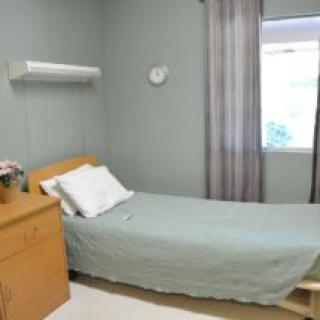
 Private
 Seattle-Tacoma International (6 miles away)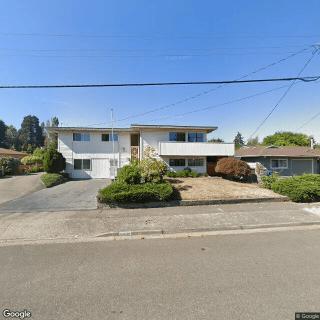
 Why Do Dementia Patients Sleep So Much? Understanding Oversleeping, Stages, and Care Approaches
 8 Key Indicators That Suggest It May Be Time to Transition from Assisted Living to Skilled Nursing Care
 Nourishing the Mind: Essential Dietary Approaches for Dementia