
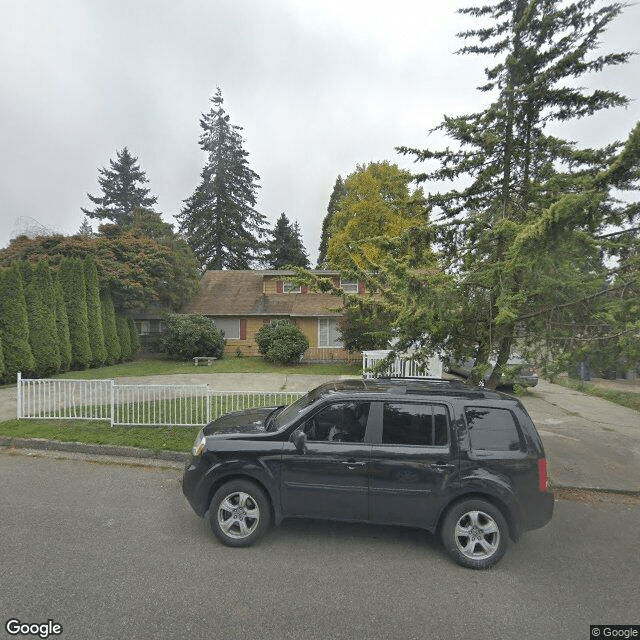
10549 SE 228th St carpeted, DD focus for now, Kent, WA 98031
To contact a resident: (425) 260-9974
For more information about senior living options: (866) 208-4318
Hannah's Costs & Pricing
Hannah's offers a competitive monthly rate for its private rooms at $3,000, which is notably lower than the average costs in both King County and the broader state of Washington. In King County, the monthly expense for similar accommodations reaches approximately $5,034, while the state average hovers around $4,772. This significant difference not only makes Hannah's an attractive option for individuals seeking affordable care but also underscores our commitment to providing quality services without compromising on value. By choosing Hannah's, residents can enjoy quality accommodations at a fraction of the local market rates, ensuring both comfort and financial peace of mind.
| Floor plans | Hannah's | King County | Washington |
|---|---|---|---|
| Private | $3,000 | $5,034 | $4,774 |
Senior living communities with a similar price nearby
-
from +$375 / mo
Evergreen Manor Senior Care Inc
$3,375 to $7,500 / month20.6 miles away -
About the same

Hummingbird Homecare
$3,000 / month9.6 miles away -
About the same
Home Care in Kent Inc.
$3,000 to $3,500 / month0.8 miles away -
from +$500 / mo

Twin Lakes Haven Adult Family Home
$3,500 to $8,000 / month9.5 miles away -
from -$500 / mo
Freedom Care
$2,500 to $3,000 / month3.6 miles away
Overall Review of Hannah's
Pros
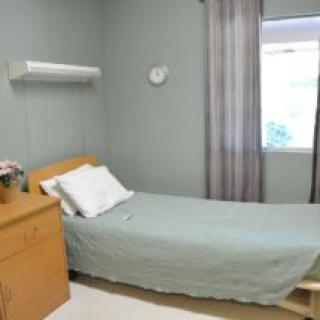
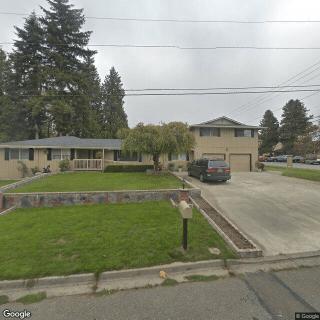
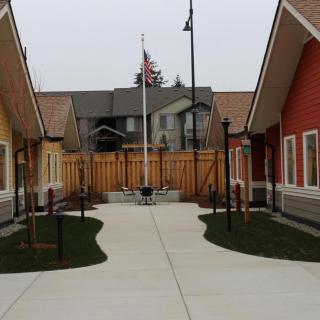
 The home is beautiful and neat.
- The family is incredibly sweet and nurturing.
- The family is hospitable and caring.
- The staff are very nice and experienced.
- It is highly recommended as an adult family home.
- The house is beautiful and the staff are very nice.
- It is very clean and tidy, with professional, kind staff.
Review
Hannah’s in Kent, WA, is best suited for seniors who want a home-like, family-run environment where care feels personal, attentive, and consistently warm. It works well for residents who value a tidy, inviting house and direct access to caregivers who know them by name and routine. This setting suits couples or individuals who prefer a低-key pace, where daily life unfolds with a nurturing touch, and where the small-scale atmosphere translates into dependable, hands-on supervision.
Those weighing alternatives should consider whether a loved one requires 24/7 skilled nursing, memory-care specific design, or a broader slate of on-site services. If advanced clinical oversight, formal dementia programming, or a larger community with extensive activities is non-negotiable, a bigger assisted living campus or dedicated memory-care community may be a better fit. For families seeking robust programming, transportation options, and more structured staff availability, other options deserve a closer look.
The strongest positives here are tangible and consistent: the home is beautiful, exceptionally clean, and kept in excellent order, with a calm, welcoming ambience. The staff, described as hospitable, experienced, and genuinely kind, reads as more than competent; it feels like a family taking personal pride in the residents. Residents receive attentive, individualized care, and caregivers appear genuinely invested in everyday well-being, which builds a dependable sense of safety and predictability.
That personal warmth and intimate scale can offset the ordinary trade-offs one expects from a smaller operator. In practice, the care comes with quick communication, fewer layers of administrative distance, and a relationship-first approach to routine needs. Families will likely experience smoother day-to-day problem-solving because staff and owners are close to the operation and the residents. The trade-off is a quieter program calendar and fewer on-site resources than a larger campus, but for many, the payoff is a stronger sense of belonging and fewer residents competing for attention.
Potential gaps are real but easy to plan for with clear expectations. The smaller footprint means limited specialized programming and fewer on-site medical resources than bigger facilities, so those with complex medical needs or memory-care requirements should assess whether ongoing clinical support and privacy-friendly options are sufficient. It’s prudent to verify what medical tasks can be handled in-house, how medication management is organized, and whether emergency coordination with local health systems is seamless. If the loved one’s needs are steadily increasing beyond routine assistance, a transition to a larger operation may be wise.
In the end, Hannah’s offers a compelling, heart-forward choice for families prioritizing trust, warmth, and a genuinely home-like routine. It is not the pick for every situation, but for those who want intimate attention, a clean, well-run environment, and a caregiving team that treats residents as family, it delivers reassuring value. Prospective buyers should schedule a visit with questions about staffing ratios, daily programming, and what happens if needs intensify, then align those insights with the loved one’s medical and social goals. If warmth and reliability top the list, Hannah’s merits serious consideration.
 Board and Care Home
 Private
 Seattle-Tacoma International (6 miles away)
 Diabetic care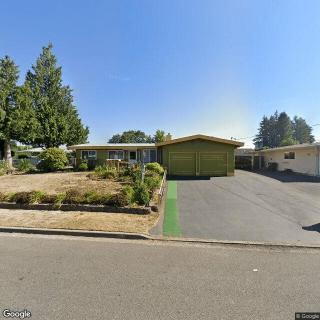
 Caring for Those Who Care: Recognizing, Understanding, and Overcoming Caregiver Burnout
 Caregiver Exhaustion: Recognizing the Signs and Restoring Your Well-Being
 Understanding Hospice Care at Home: Comprehensive Services, Key Benefits, and Eligibility