
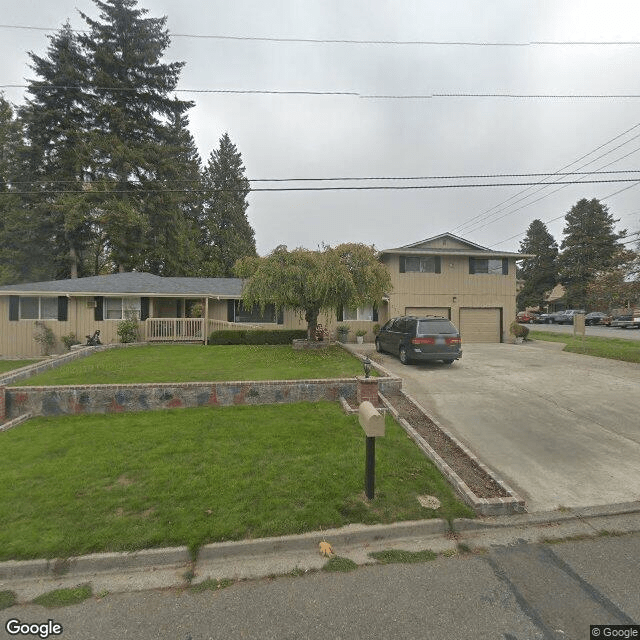
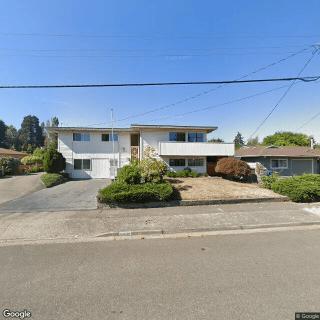
22252 104th Pl SE, Kent, WA 98031
To contact a resident: (206) 293-2841
For more information about senior living options: (866) 208-4318
Golden Wings Adult Family Home Costs & Pricing
Golden Wings Adult Family Home offers competitive pricing for its services, with costs that are generally lower than both King County and the broader state of Washington. For a semi-private room, residents can expect to pay $3,500 per month, which is significantly less than the county average of $4,430 and the state average of $4,267. Similarly, for one-bedroom accommodations and private rooms, Golden Wings maintains an attractive price point at $4,000, well below the county's rates of $5,127 and $5,034 respectively. This positioning not only reflects Golden Wings' commitment to affordability but also ensures that residents receive quality care without compromising their budgetary needs.
| Floor plans | Golden Wings Adult Family Home | King County | Washington |
|---|---|---|---|
| Semi-Private | $3,500 | $4,430 | $4,272 |
| 1 Bedroom | $4,000 | $5,127 | $4,634 |
| Private | $4,000 | $5,034 | $4,774 |
Memory care communities with a similar price nearby
-
from -$125 / mo
Evergreen Manor Senior Care Inc
$3,375 to $7,500 / month20.3 miles away -
from -$500 / mo
Hummingbird Homecare
$3,000 / month9.9 miles away -
from +$500 / mo

Riverton Home Care
$4,000 to $5,000 / month6.7 miles away -
from -$500 / mo
Home Care in Kent Inc.
$3,000 to $3,500 / month1.0 miles away -
from +$500 / mo
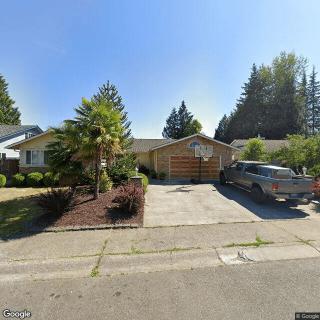
Gentle Care Home
$4,000 to $5,500 / month4.8 miles away
Overall Review of Golden Wings Adult Family Home
Pros
 The reviewer says it is one of the best AFHs they have ever seen, noting that the grandmother received the best care any human could give.
- The reviewer thanks Golden Wings AFH.
- The reviewer describes the staff as beautiful people.
Cons
 The place was described as a dump, with a neglected house, garbage in the yard, and a mass of rusty bikes, and the interior was dirty and unkempt.
- The owner was accused of deceit and lying about a bed bug infestation, allegedly blaming ants instead.
- They claimed the State took their friend from the home, and she died three days later.
- They warned others to run from this place.
- They felt they couldn’t get their mother out fast enough.
- They advised considering anywhere else but here if long-term survival for a loved one mattered.
Review
Golden Wings Adult Family Home in Kent, WA is best suited for families seeking a small, home-like setting where a resident can receive highly personal attention from a tight-knit caregiving team. This community can feel warm and familial, with caregivers who present themselves as genuinely caring and involved in daily life. It can work for residents who thrive on close daily companionship and a sense of being known by the people who assist with meals, routines, and activities. However, this is not the right choice for those who demand rigorous cleanliness, formal safety protocols, and transparent governance that stands up to close scrutiny.
On the plus side, multiple reviewers point to a strong sense of warmth and devotion from those providing care. The best moments described by families center on compassion, patience, and a genuine effort to treat residents with kindness. In a setting that relies on a small staff and intimate oversight, that level of personal attention can translate into meaningful comfort for residents who respond to steady, familiar faces and a consistent routine. Those advantages can make a difficult transition feel more manageable for some families and residents, especially when the goal is daily companionship and individualized attention.
But the most weighty caveats sit squarely on management, facilities, and transparency. Repeated criticisms accuse the owner of deceit, particularly around serious issues such as infestations and other safety concerns, with claims of misrepresentations that undermine trust. The severity of these allegations is underscored by reports that state authorities became involved and, in at least one case, a resident declined rapidly after a family felt compelled to remove a loved one. There are also vivid warnings from others who toured the home and found the environment unclean and poorly maintained, with visible clutter, garbage, and a lingering odor. Taken together, these red flags raise questions about reliability, accountability, and ongoing risk.
The core tension is clear: the warmth and personal care can be substantial, but they do not neutralize the fundamental risks tied to transparency, safety, and upkeep. For long-term care decisions, stability and trust in the operation’s integrity matter as much as day-to-day kindness. If the ownership culture prioritizes open communication, timely repairs, and straightforward handling of concerns, some families may be able to overlook uneven facilities in favor of the human connection. Yet for others, especially those prioritizing consistent inspection results, visible cleanliness, and predictable governance, the cons overwhelm the pros and point toward alternatives.
Prospective residents and families should enter with a strong due-diligence mindset. Ask for current inspection records, licensing status, and a clear track record of addressing issues raised by residents and families. Visit unannounced, inspect common areas and rooms, and gauge the ease with which staff respond to concerns. Speak with multiple current residents or family members about day-to-day operations, cleanliness, and how complaints are handled. If honesty, transparency, and a clean, well-maintained environment are non-negotiables, this community should be on the short list of alternatives to consider.
In sum, Golden Wings AFH delivers notable warmth and individualized attention that can be meaningful for many residents. Yet the prevailing concerns about ownership conduct, safety-related incidents, and environmental upkeep create a risk profile that cannot be ignored. It is reasonable to pursue other options that provide stronger assurances around transparency, consistent cleanliness, and dependable governance. A careful, evidence-based comparison, focusing on staff reliability, facility condition, and the facility’s response history to problems, will reveal whether this home truly aligns with the resident’s priorities and the family’s risk tolerance.
 Board and Care Home
 Memory Care
 Activities off-site
 Beautician on-site
 Devotional services off-site
 Indoor common areas
 Outdoor common areas
 Private
 Private bathrooms
 Respite or short term stays offered
 Wheelchair accessible showers
 Seattle-Tacoma International (6 miles away)
 Diabetic care
 High acuity care
 Incontinence care
 Medication management
 Meals provided
 Christian services
 22 Remarkable Caregiver Support Groups Available Online and In-Person
 Understanding Medicaid Coverage for Assisted Living: A Comprehensive Guide
 How and When Medicaid May Cover Assisted Living Costs