Callaway Gardens Alzheimer's Special Care Center Costs & Pricing
At Callaway Gardens Alzheimer's Special Care Center, the monthly costs for care reflect a commitment to specialized services tailored for individuals with Alzheimer's. The center offers semi-private rooms at $6,075, which is significantly higher than the average costs in Benton County and Washington, where similar accommodations range from $3,824 to $4,267. For those opting for a studio room, the monthly fee is $7,575, again surpassing state averages that hover around $4,126 to $4,174. These figures suggest that while Callaway Gardens may be positioned at a premium price point compared to its counterparts in Benton County and Washington, this investment likely goes toward enhanced caregiving quality and specialized programs aimed at improving the well-being of residents facing cognitive challenges.
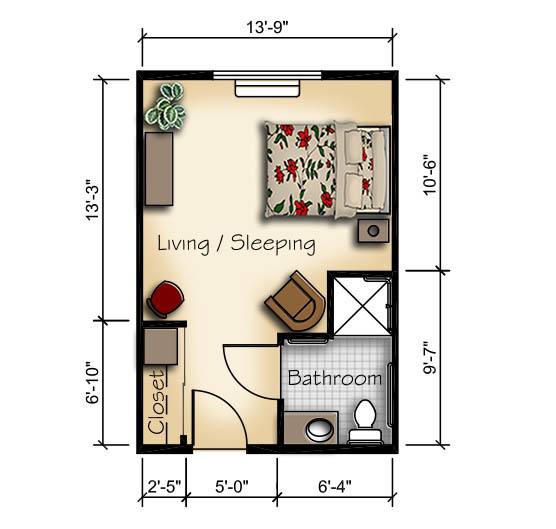
Floor plans
Callaway Gardens Alzheimer's Special Care Center
Benton County
Washington
Semi-Private
$6,075
$3,824
$4,272
Studio
$7,575
$4,174
$4,128
Memory care communities with a similar price nearby
Overall Review of Callaway Gardens Alzheimer's Special Care Center
common34 reviews mention this
Staff attentiveness stands out
Residents and families repeatedly describe attentive, caring staff.
A large share of reviews focus on staff being welcoming and responsive, with families saying they felt supported as needs changed. Multiple residents’ experiences describe consistent checking on residents, and several reviewers mention low turnover or long-tenured caregivers. Cleanliness and communication are often tied directly to the care team, which shows up as part of what families notice most day to day.
differentiator9 reviews mention this
Memory care feels designed for safety
The community is described as built for people with dementia.
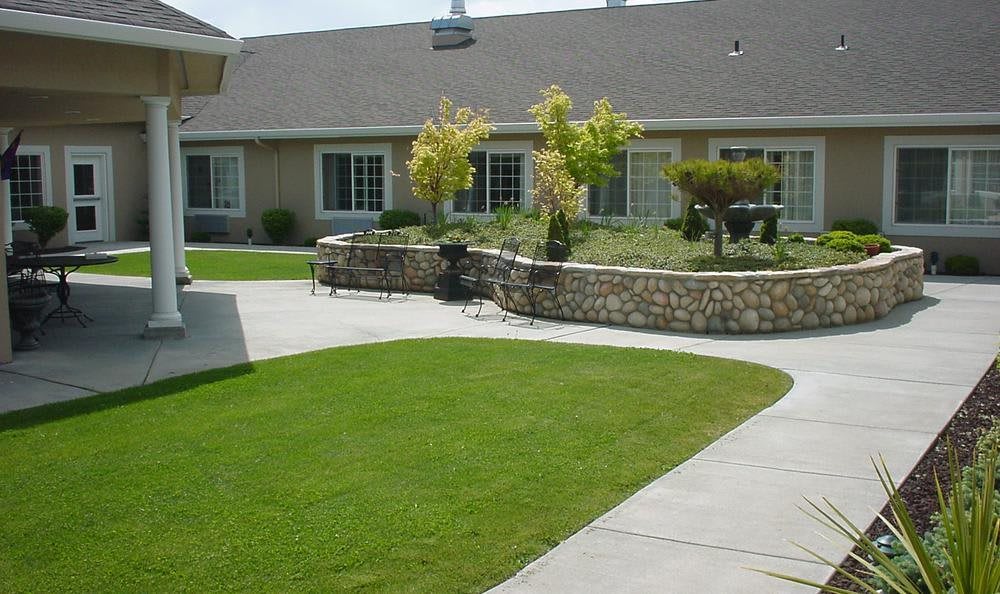
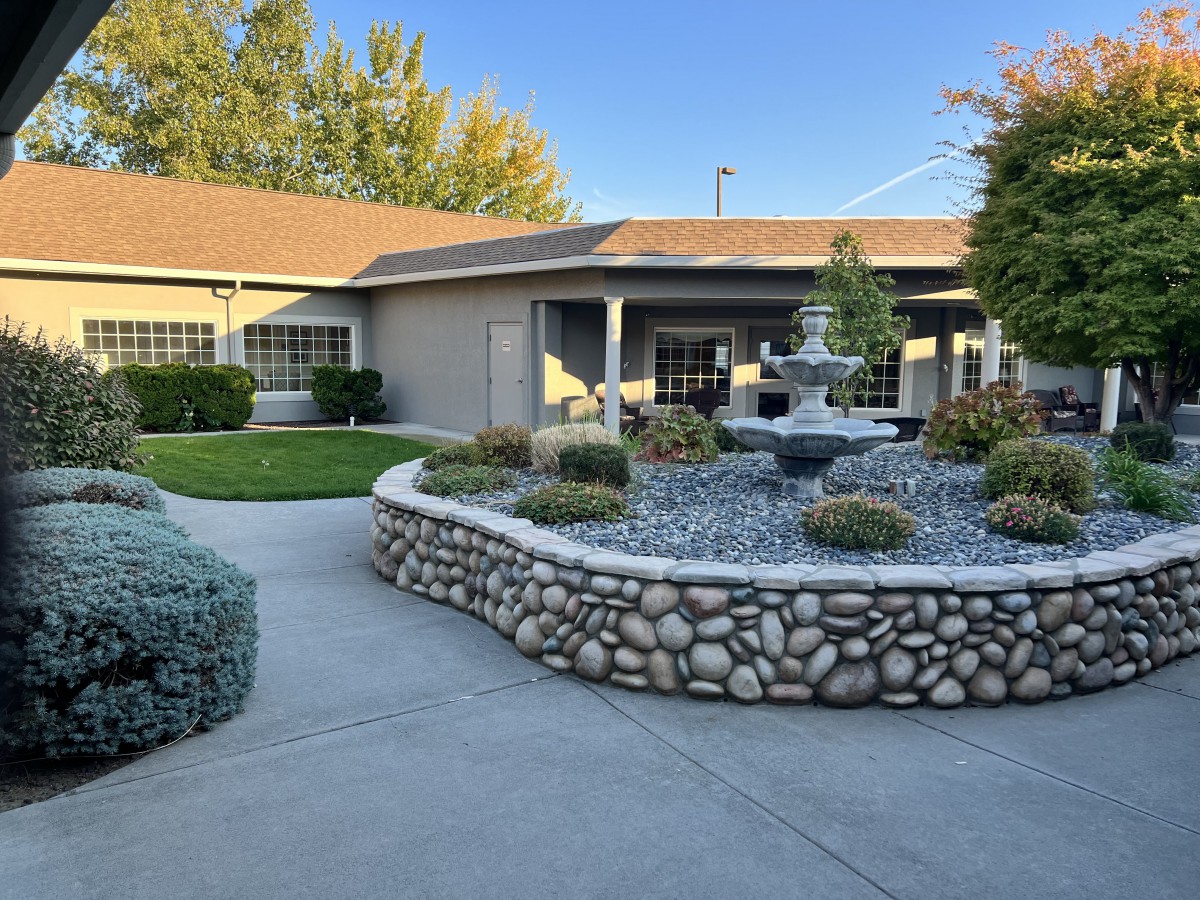
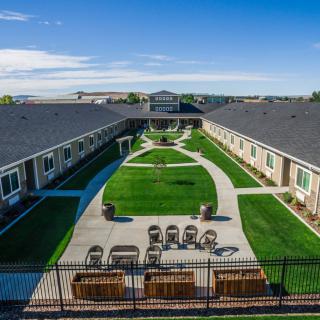
Several reviews say they chose Callaway for specialized dementia and Alzheimer’s care, and families highlight confidence in how staff manage cognitive decline. One recurring detail is the community’s layout that supports residents accessing outdoor space safely, including wandering with less confusion due to design. Reviews also describe care that residents treat like a “home” when they arrive for longer-term support.
common5 reviews mention this
Activities help residents stay engaged
Residents are kept busy with frequent on-site activities.
Families commonly point to activities as part of daily life, describing a steady schedule that helps residents stay occupied. Reviews include specific examples like karaoke and live performances, along with outings, devotional services, and classes. One reviewer also mentions a hair salon available on-site, pairing engagement with personal care.
common3 reviews mention this
Meals and snacks receive positive mentions
Dining is a frequent bright spot in residents’ routines.
A number of reviewers mention that residents were eating well and enjoying meals, including variety of meals and snacks. Reviews also describe the community catering to individual needs and preferences around eating. This aligns with the way the community offers special dining programming and lower-sodium and no-sugar options.
caveat2 reviews mention this
Some families mention limitations
Not every review is positive about day-to-day supervision.
While most reviews praise care, a small set raise serious concerns about supervision and caregiver behavior. Those reviews describe a negative environment and instances where help was not provided promptly when requested. This is the main recurring downside contrast to the many reports of attentive support and clean facilities.
caveat2 reviews mention this
Shared rooms may not work for all
Shared-room living is a dealbreaker for some families.
At least one review says shared rooms didn’t work for their family and that the setup wasn’t the best fit. Another family also points to a fit concern related to available memory care in the area. If you want a specific room arrangement, these comments suggest it’s worth confirming what’s available before moving forward.
How we summarize
Counts show how many written reviews mention each theme; a review can touch several themes, and only frequently mentioned themes are displayed.
Features
Types of Care
Memory Care
Amenities
Activities off-site
Activities on-site
Air-conditioning
Beautician on-site
Devotional services on-site
Ground floor units
Handicap accessible
Indoor common areas
Outdoor common areas
Private bathrooms
Respite or short term stays offered
Wheelchair accessible showers
Wi-Fi/high-speed internet available
Transportation
Tri-Cities (4 miles away)
Care Services
Diabetic care
High acuity care
Incontinence care
Medication management
Dining
Guest meals
Low / no sodium
Meals provided
No Sugar
Special dining programs
Vegetarian
Activities
Art classes
Bible study group
Catholic services
Cooking classes
Day trips and outings
Devotional activities on-site
Karaoke
Live dance or theater performances
Live musical performances
Other religious services
Stretching classes
Visiting chaplain or priest
Videos
Nearby Places of Interest
This area of Kennewick, Washington offers a convenient and diverse array of amenities for seniors looking to settle down in a bustling yet peaceful community. With multiple cafes nearby such as Mocha Express and Barracuda Coffee Company, you can enjoy leisurely outings for coffee with friends or family. There are also several parks in close proximity, providing opportunities for outdoor relaxation and recreation. A variety of restaurants like Azteca Mexican Restaurants and Red Lobster offer delicious dining options while pharmacies like CVS Pharmacy and Walgreens ensure easy access to medical needs. Additionally, the presence of reputable physicians and hospitals like Kadlec Medical Center within a short distance provide peace of mind for any healthcare concerns. The nearby theaters like AMC CLASSIC Kennewick 12 offer entertainment options while places of worship such as Kennewick Baptist Church cater to spiritual needs. Overall, this neighborhood is a well-rounded and welcoming community for seniors seeking a comfortable and vibrant living environment in Kennewick.
At Callaway Gardens Alzheimer's Special Care Center, the monthly costs for care reflect a commitment to specialized services tailored for individuals with Alzheimer's. The center offers semi-private rooms at $6,075, which is significantly higher than the average costs in Benton County and Washington, where similar accommodations range from $3,824 to $4,267. For those opting for a studio room, the monthly fee is $7,575, again surpassing state averages that hover around $4,126 to $4,174. These figures suggest that while Callaway Gardens may be positioned at a premium price point compared to its counterparts in Benton County and Washington, this investment likely goes toward enhanced caregiving quality and specialized programs aimed at improving the well-being of residents facing cognitive challenges.
Medication management at Callaway Gardens Alzheimer's Special Care Center ensures that residents receive their prescribed medications accurately and on time, which is crucial for managing symptoms and maintaining overall health in individuals with dementia or Alzheimer's disease. This tailored approach helps to reduce confusion and anxiety surrounding medication schedules, allowing residents to focus more on daily activities. Additionally, incontinence care is provided with dignity and compassion, addressing a common challenge faced by those with memory impairments. By ensuring residents feel comfortable and supported in this aspect of their personal care, it fosters a sense of security and promotes a more positive living environment. Together, these features enhance the quality of life for residents while respecting their individual needs and preferences.
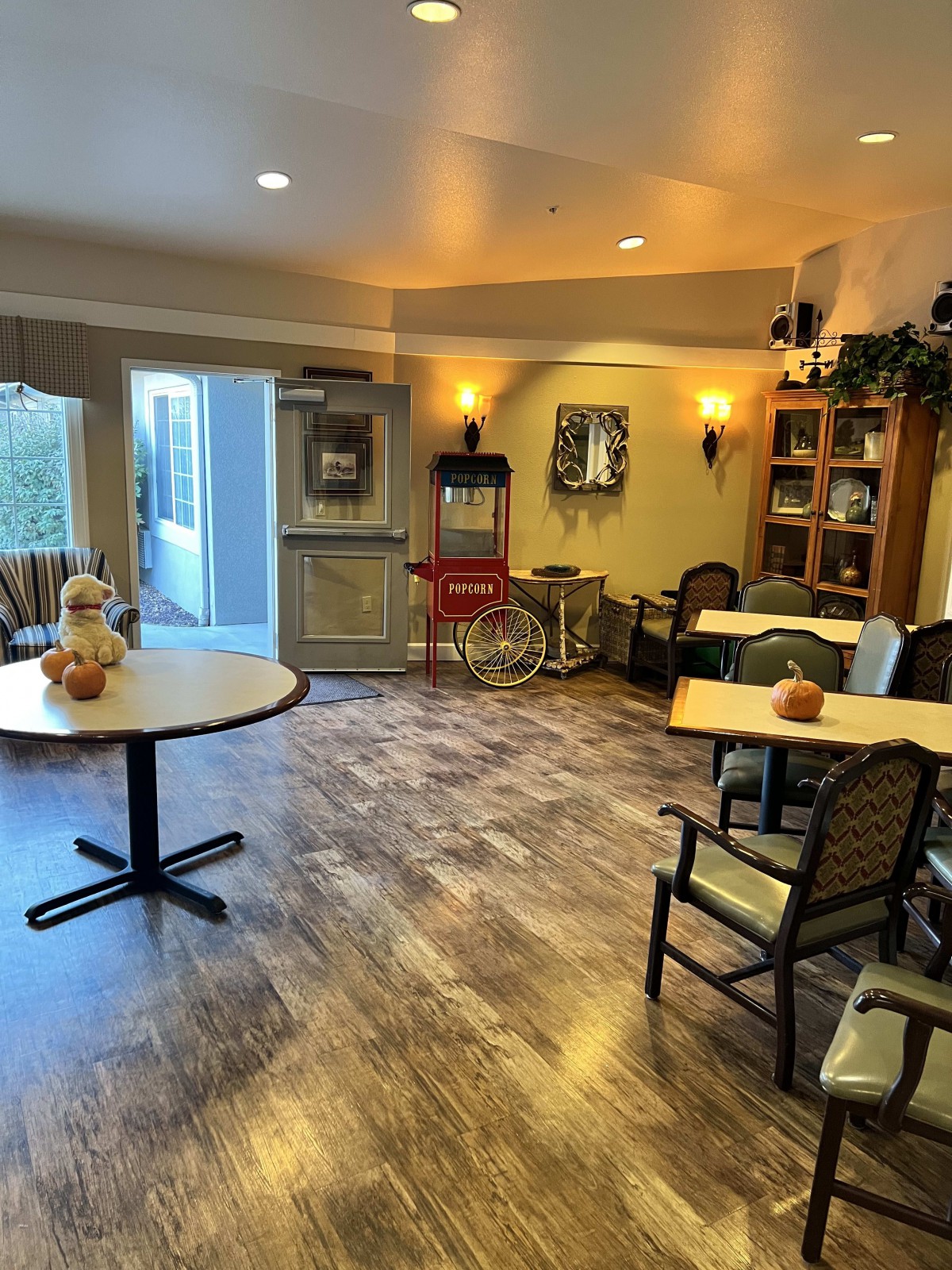
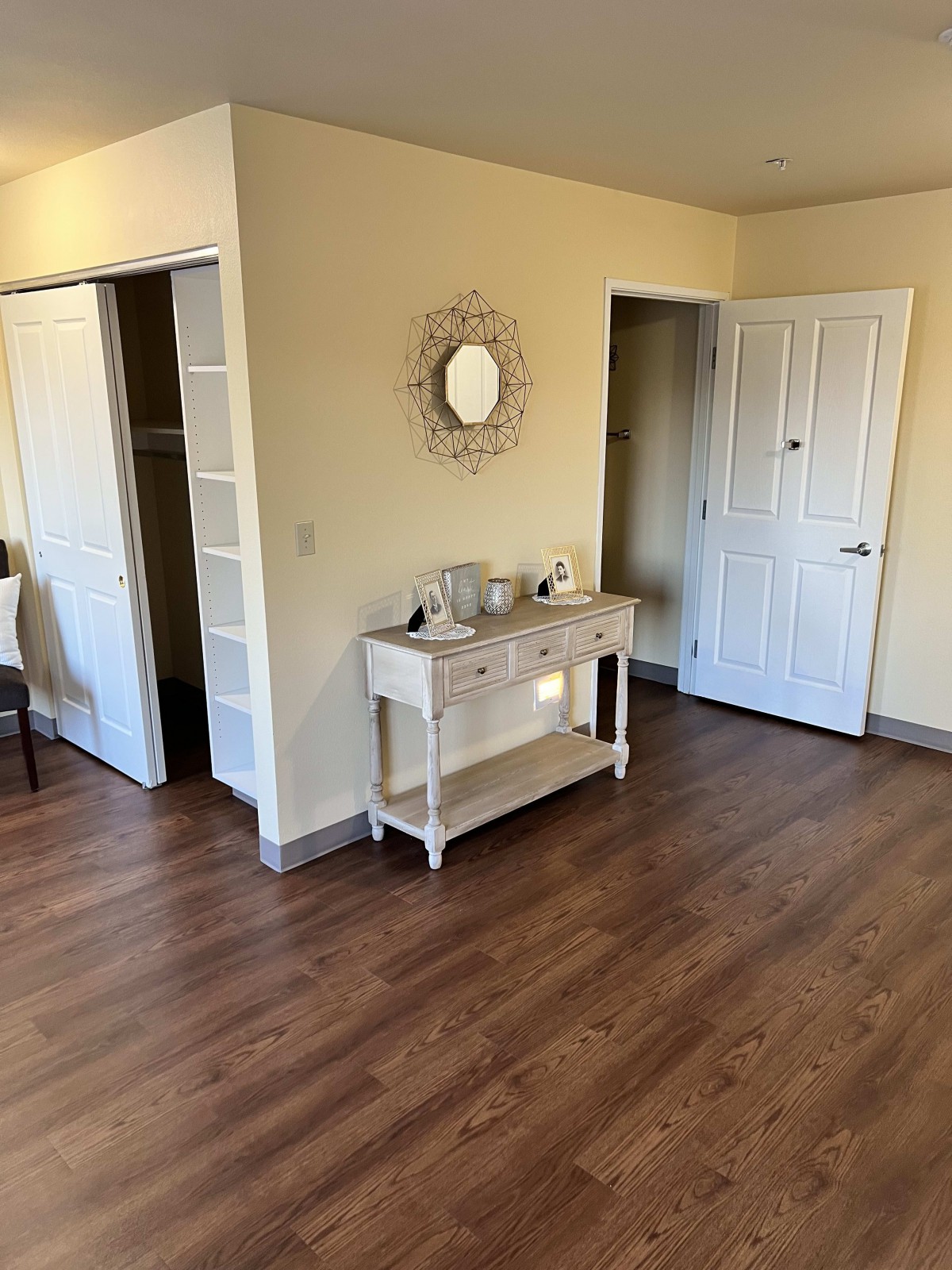
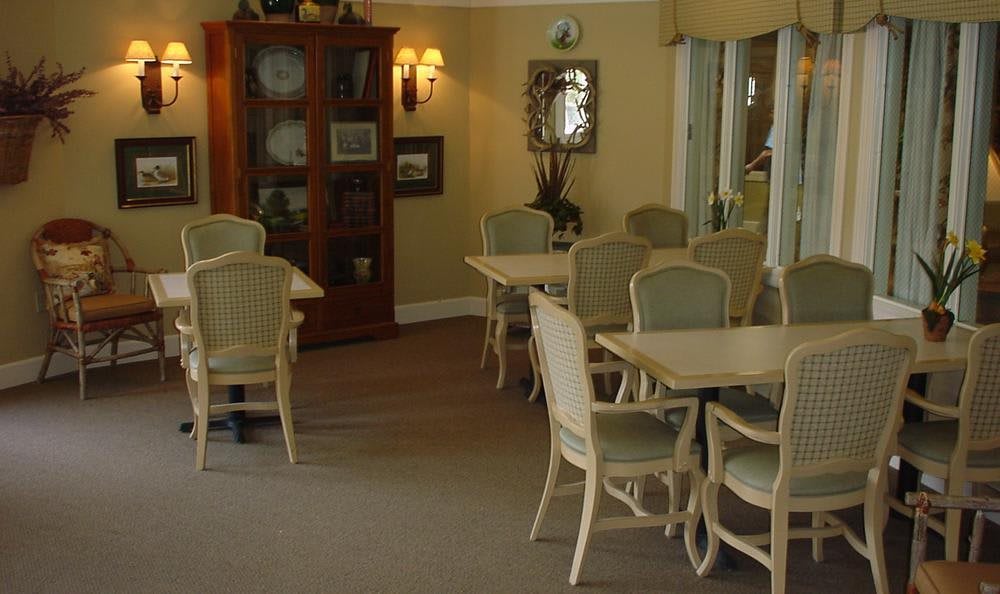
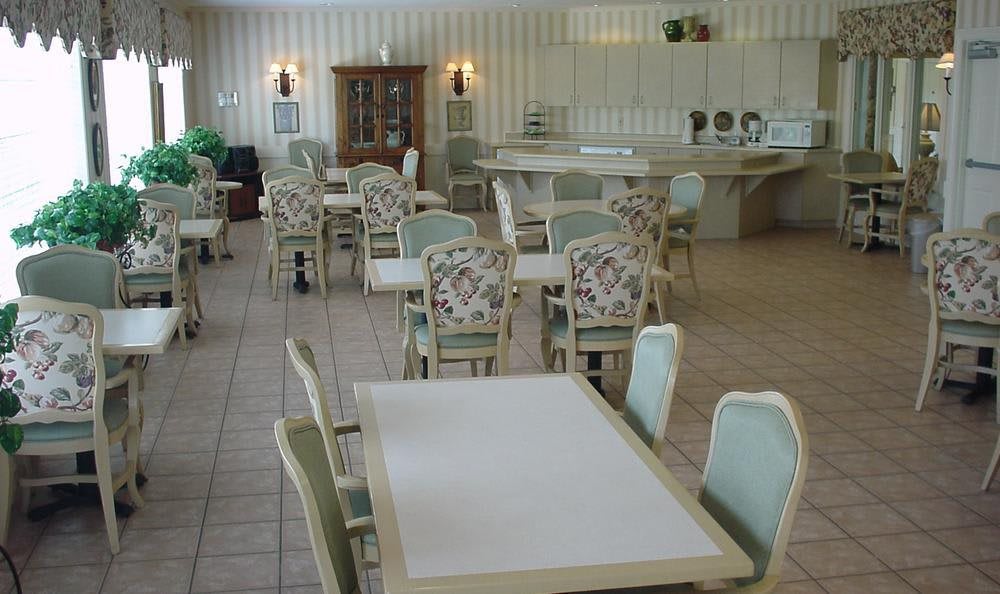
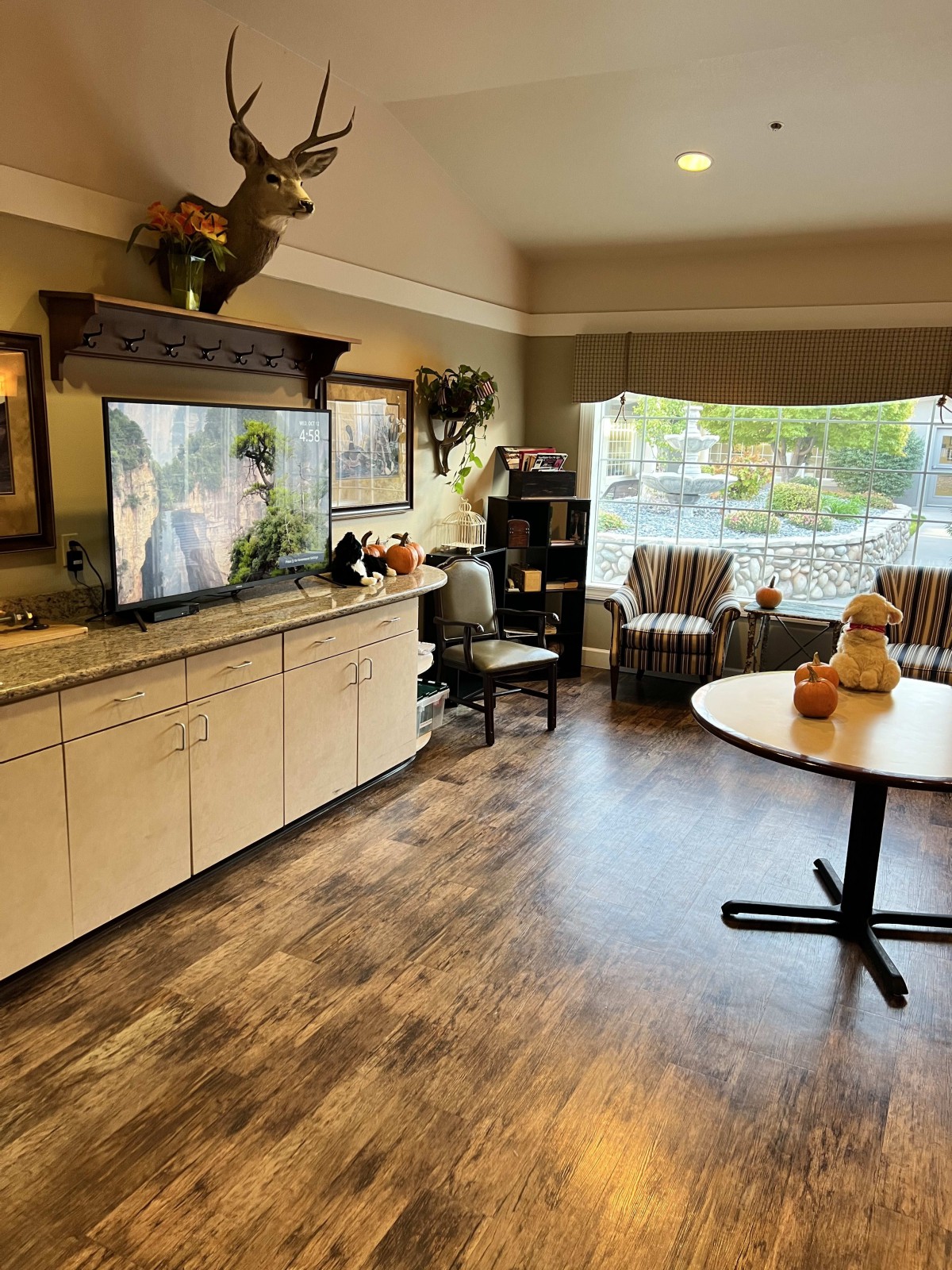
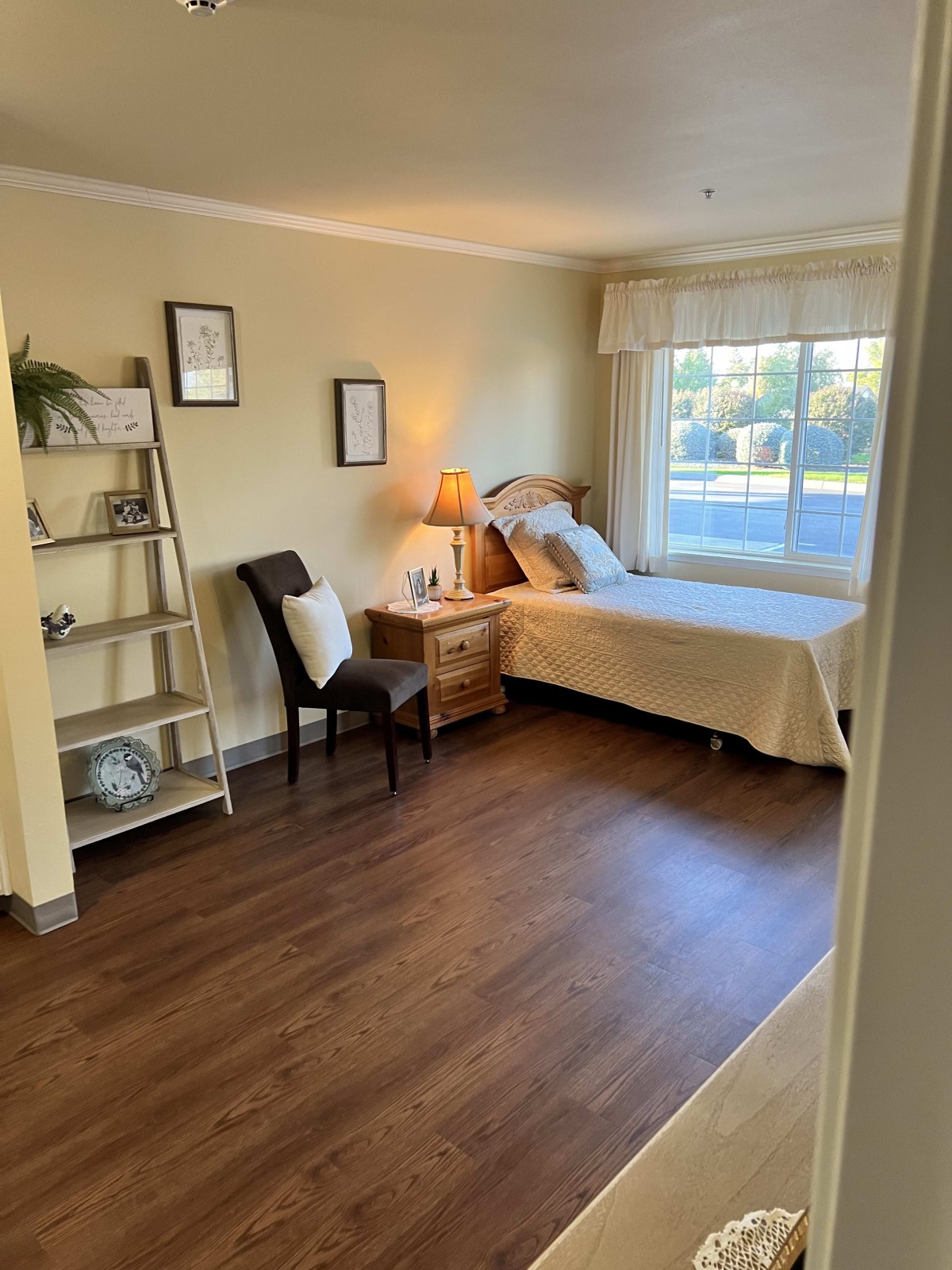
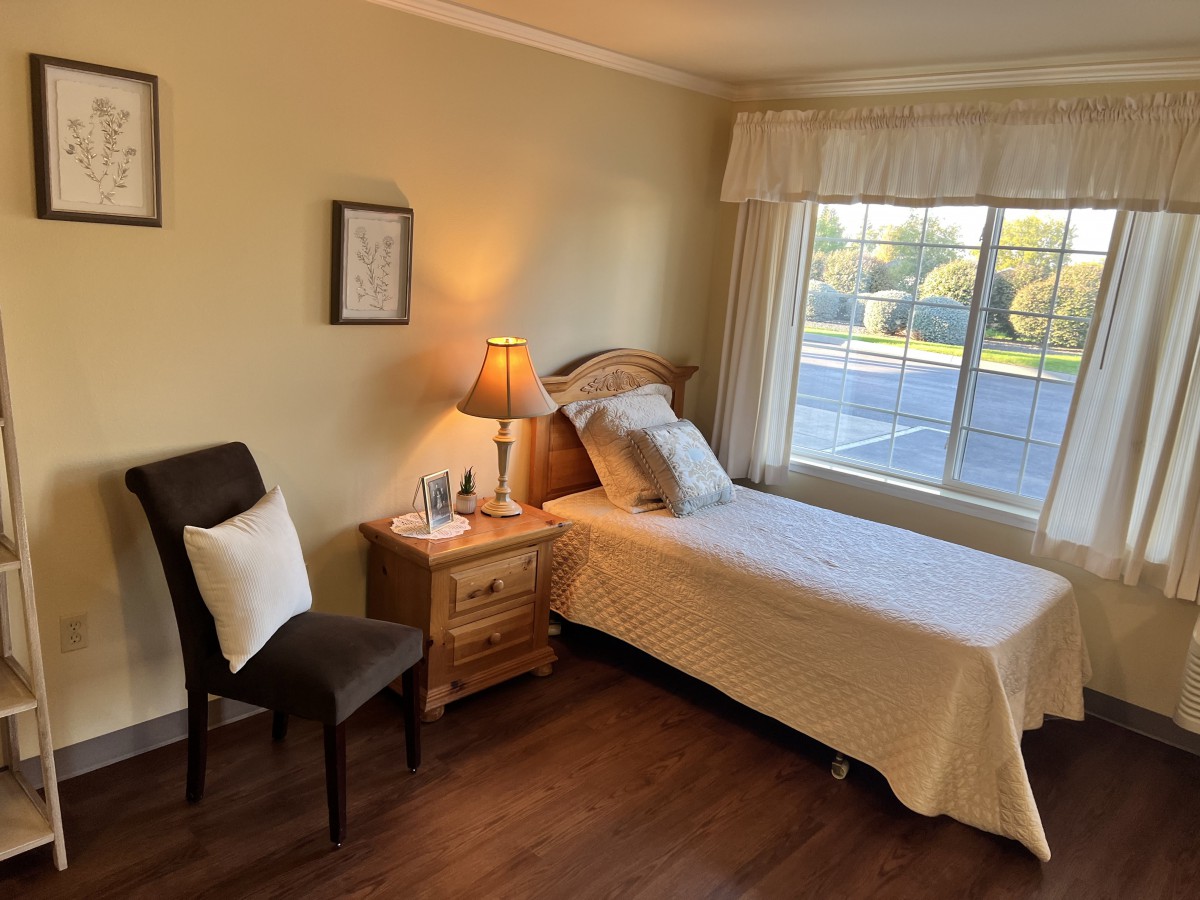
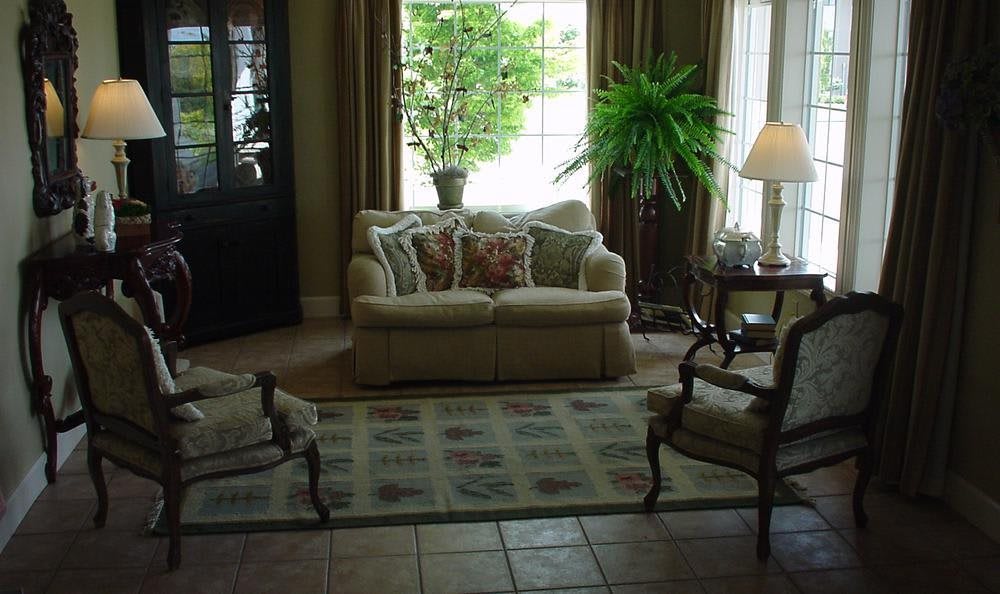
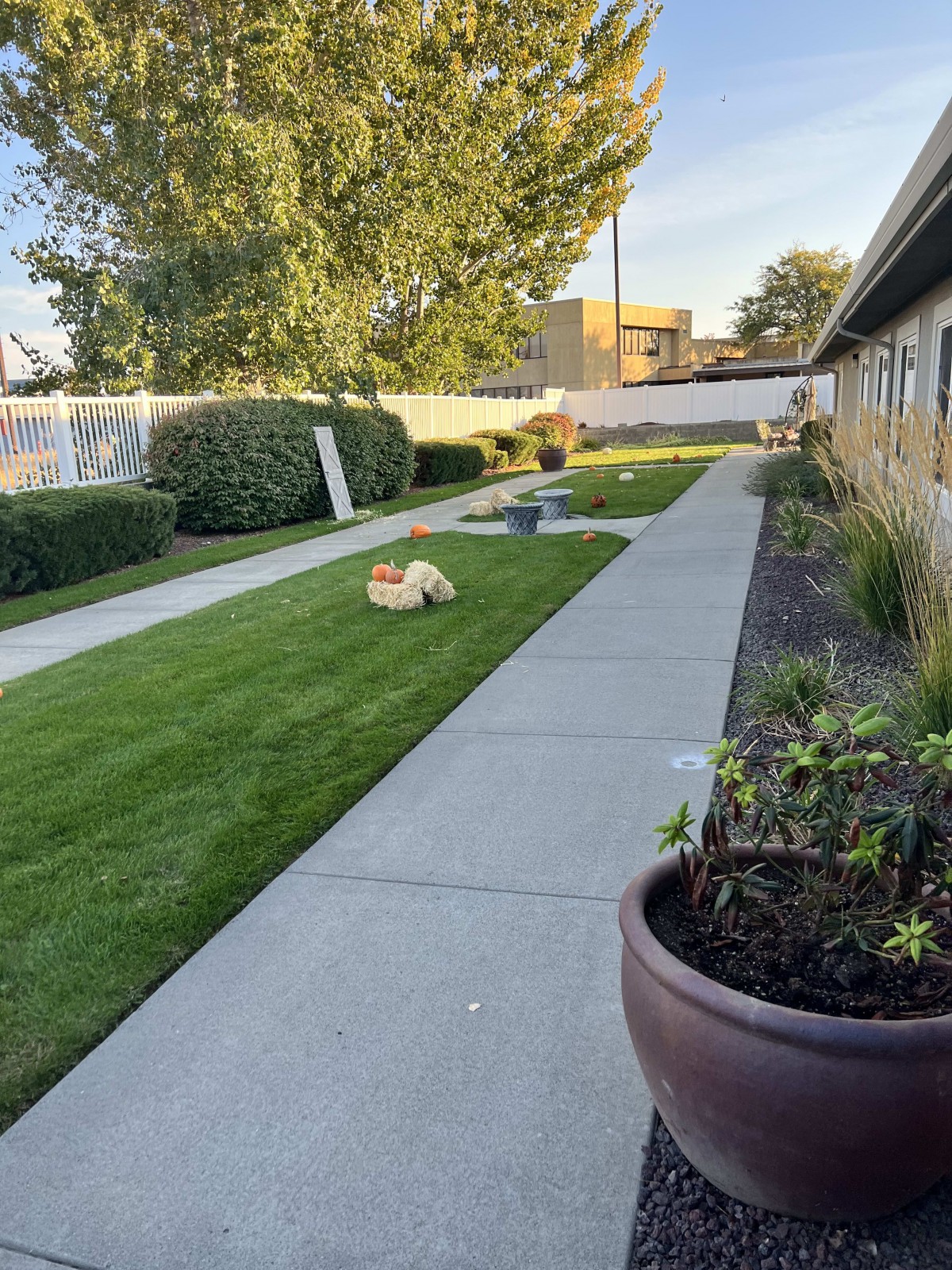
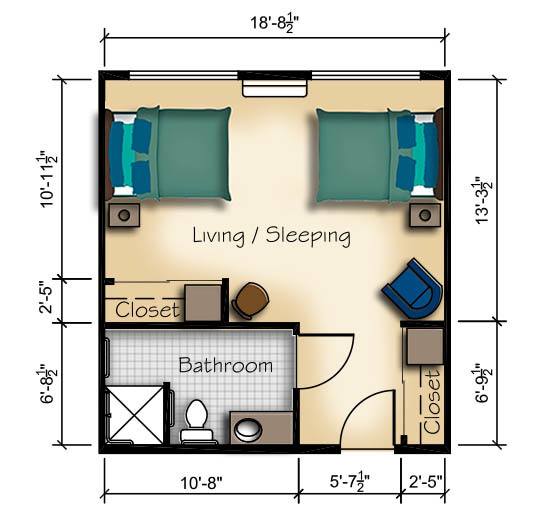
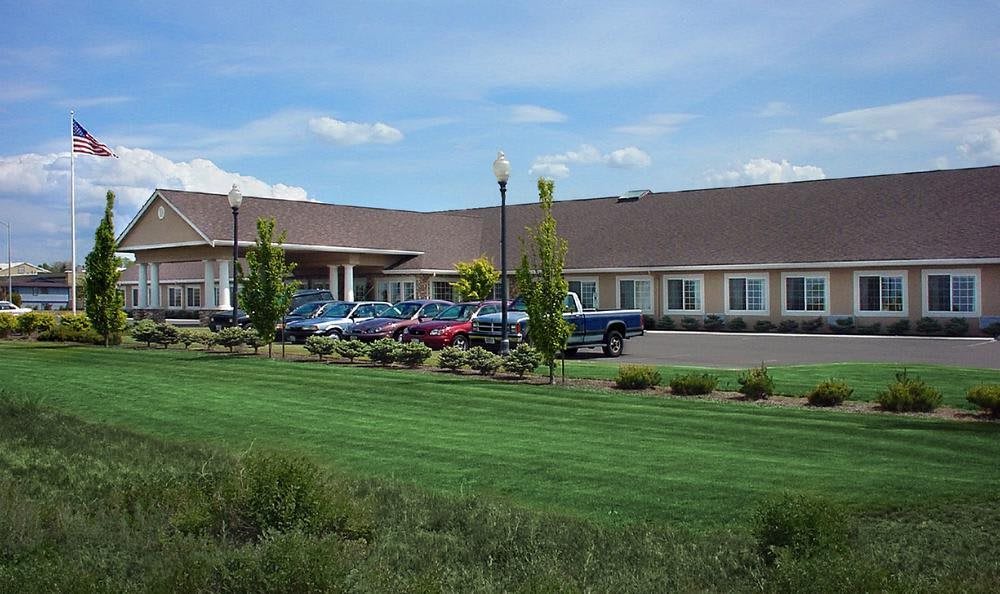
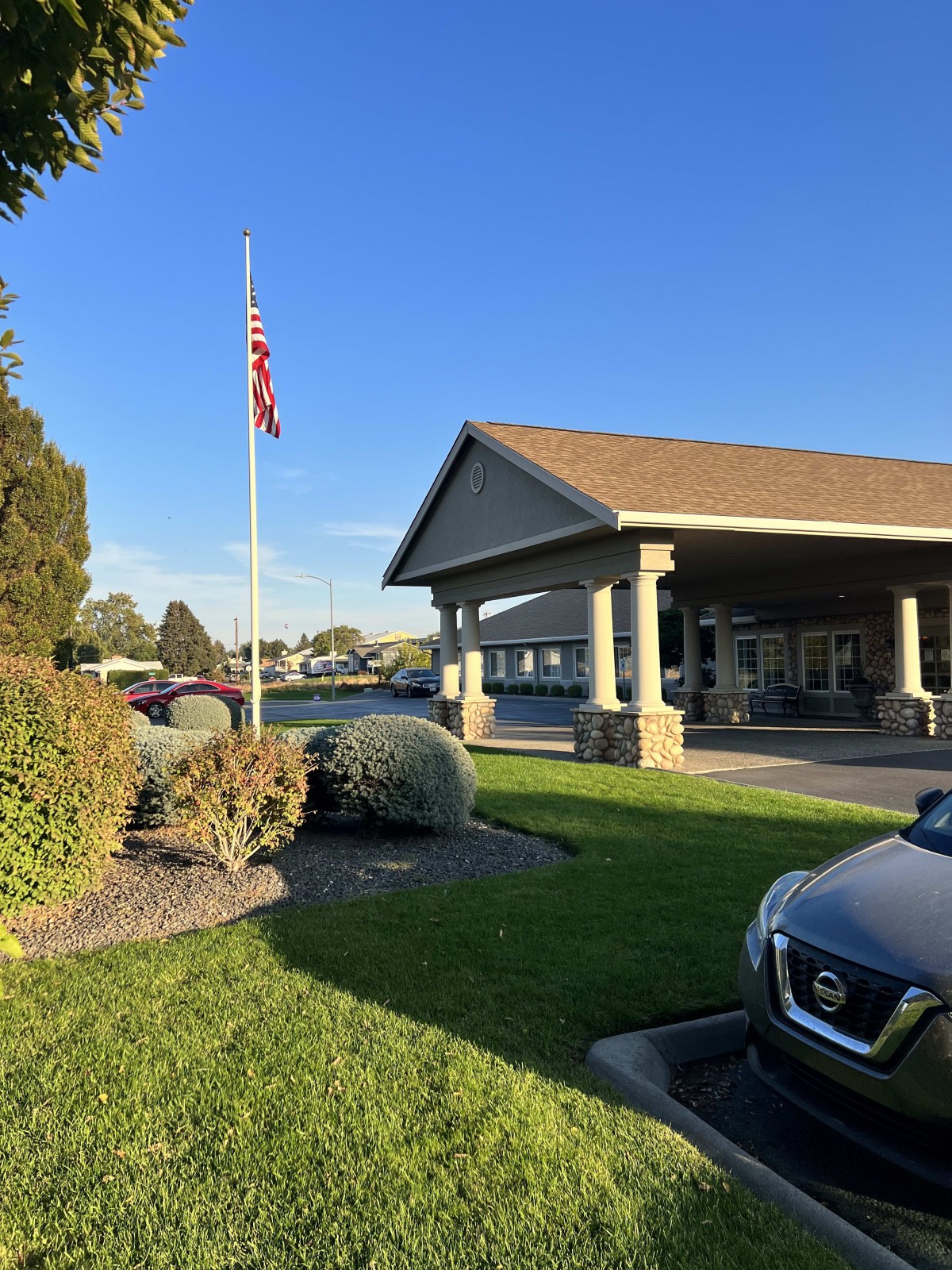
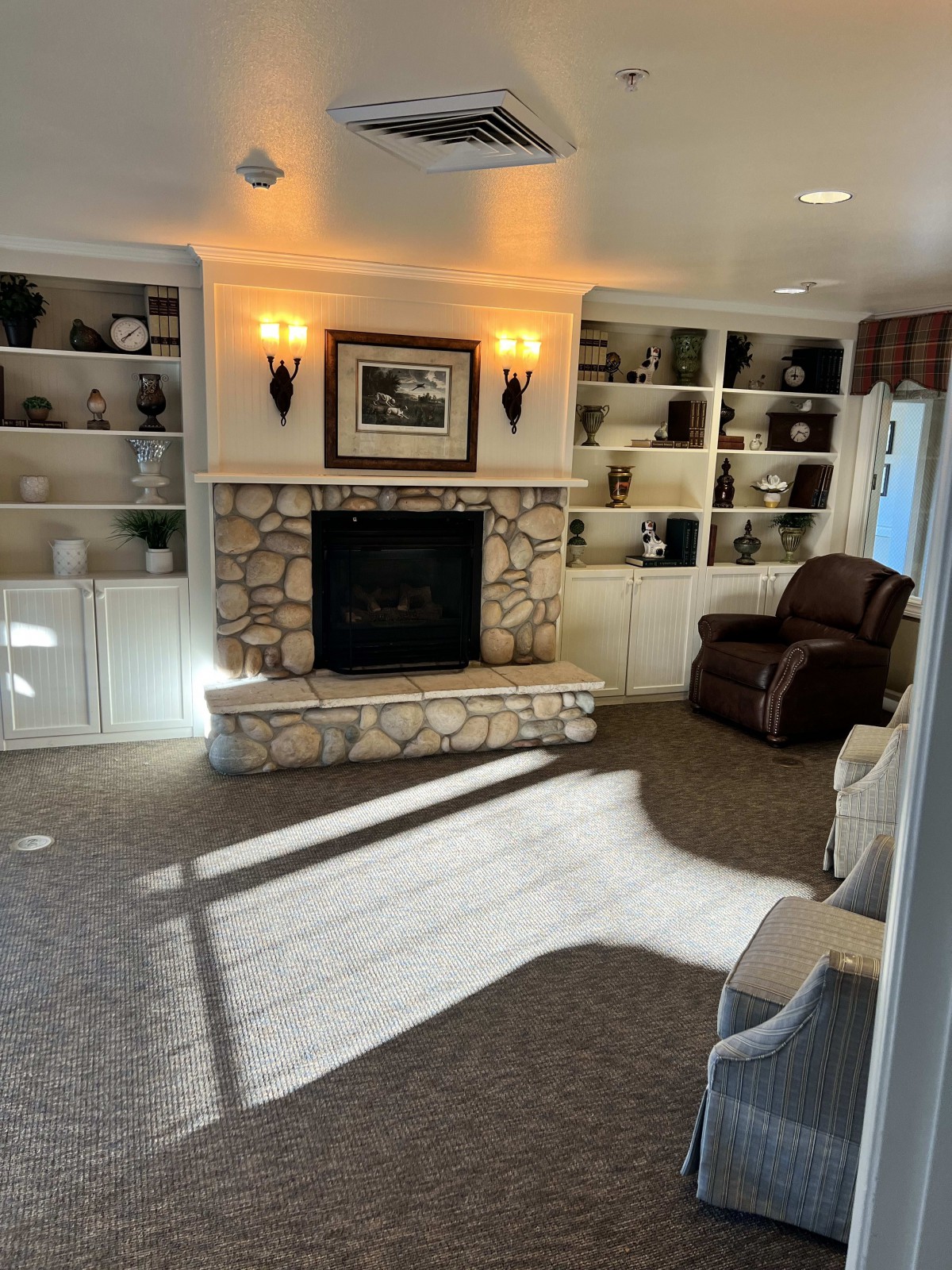
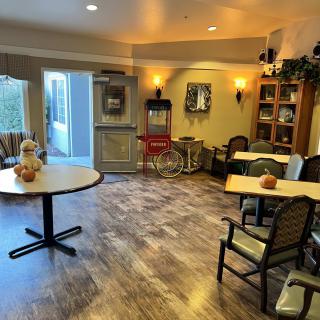
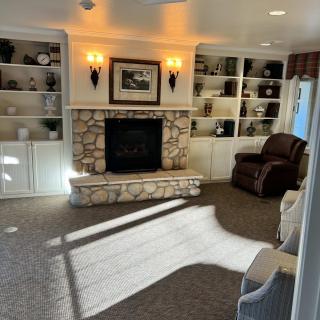
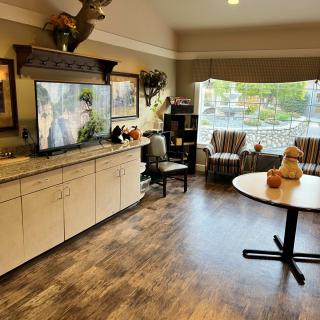
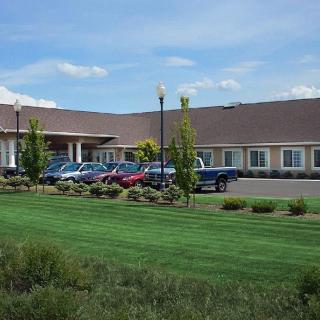
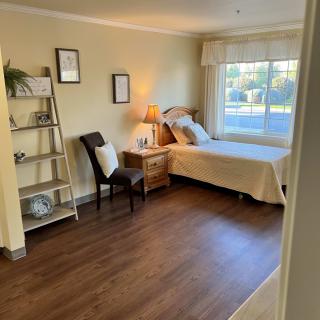
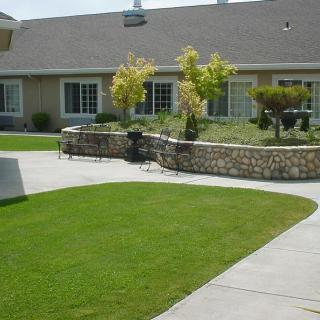
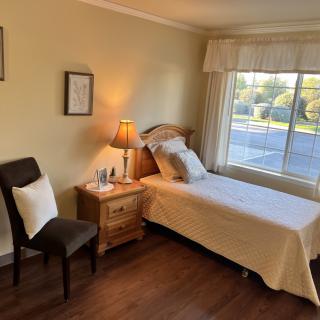
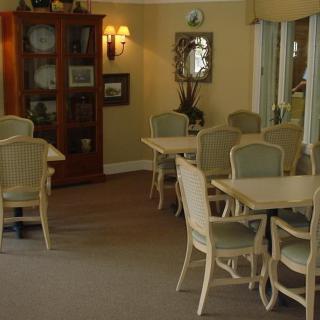
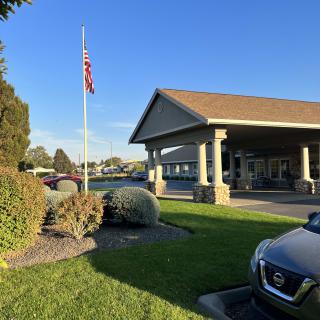
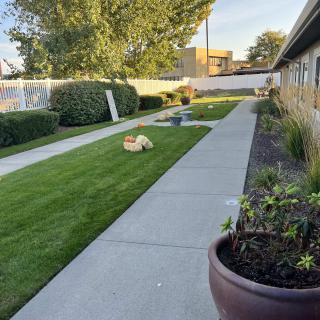
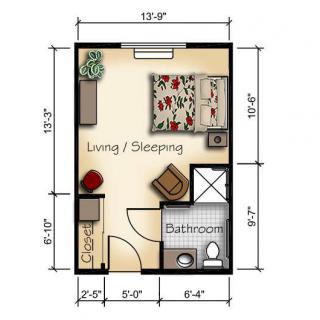
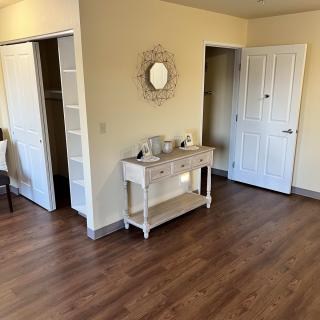
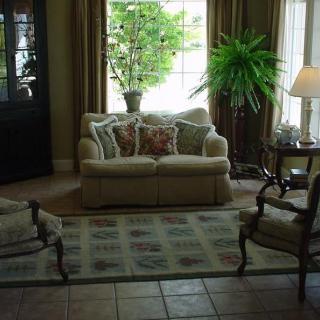
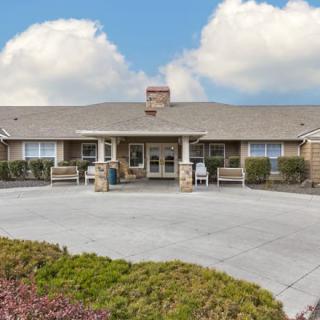
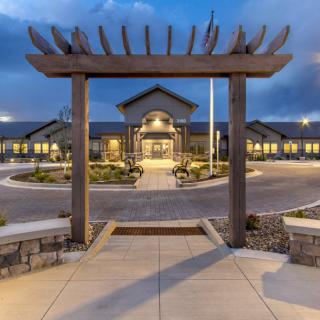
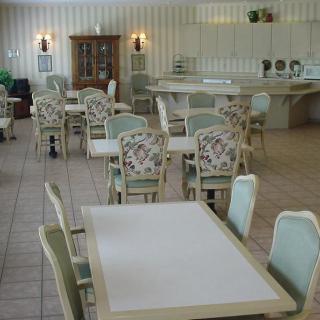
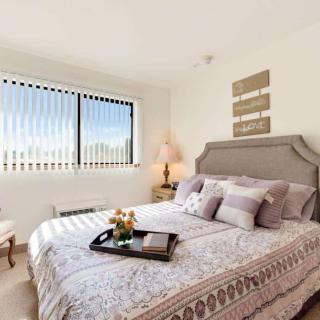
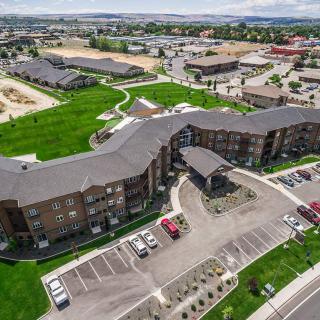
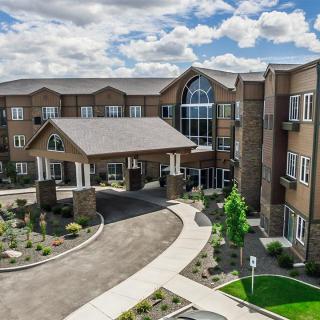
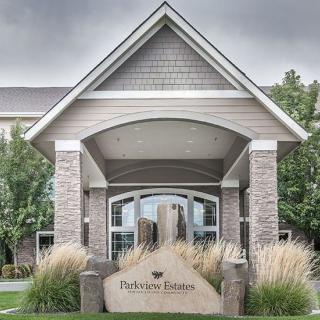
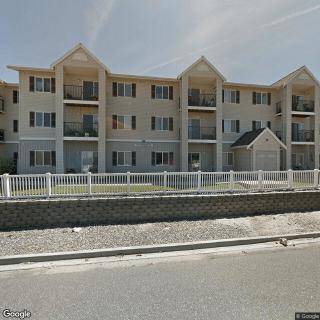
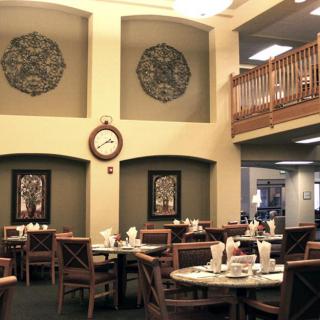
Callaway Gardens Alzheimer's Special Care Center on seniors.fyi includes 17 photos including images showing landscaping, interior, decor, bedroom, living room, floor plan, dining, trees, and more.
Nearby Communities
Callaway Gardens Alzheimer’s Special Care Center
Kennewick, WA
4.1 from 16 reviews
$4,309 / month
Royal Columbian Retirement Inn
Kennewick, WA
3.8 from 47 reviews
Compassionate staff and an accessible central layout.
Royal Columbian
Kennewick, WA
3.8 from 65 reviews
$3,150 to $6,295 / month
Caring staff, engaging activities, and accessible management.
Columbia Crossing of Grandridge Memory Care
Kennewick, WA
3.9 from 44 reviews
$5,500 to $8,375 / month
Welcoming, hotel-like atmosphere with engaging activities and well-regarded meals.
Columbia Crossing of Grandridge AL and IL
Kennewick, WA
4.7 from 45 reviews
$3,050 to $4,400 / month
Cleanliness, friendly staff, and attentive care with engaging activities
Fieldstone Grandridge Independent And Assisted Living
Kennewick, WA
Upscale community with comprehensive care, including memory care, and restaurant-style dining.
Parkview Estates
Kennewick, WA
4.4 from 71 reviews
$3,000 to $4,500 / month
Caring staff with personalized attention in a welcoming, active community.
Vintage at Richland
Richland, WA
3.9 from 86 reviews
$682 to $830 / month
Very affordable pricing for the area.
Bonaventure of Tri-Cities
Richland, WA
4.2 from 56 reviews
Friendly, attentive staff with clean, well-decorated spaces and engaging activities.
Alzheimer’s disease is a progressive neurological disorder that significantly impacts memory and cognitive functions, accounting for 60-80% of dementia cases, with early diagnosis being crucial yet challenging. It involves brain changes like beta-amyloid plaques and tau tangles, influenced by genetic and lifestyle factors, and while there is no cure, symptom management and support for caregivers are essential.
Dementia, influenced by aging and certain medications, may be exacerbated by drug classes such as anticholinergics, benzodiazepines, and antipsychotics, which are associated with cognitive impairment. Regular medication reviews by healthcare professionals are crucial for older adults to manage risks and optimize cognitive health.
Dementia often results in disrupted sleep patterns, leading to excessive daytime sleeping due to factors like brain damage affecting circadian rhythms, medication side effects, and lack of structure in daily activities. Caregivers must monitor these changes closely, as oversleeping can increase risks such as malnutrition or dehydration, and provide necessary support and routines to enhance patient engagement and well-being.
Callaway Gardens Alzheimer's Special Care Center photos
×
Interior
Decor
Living Room
Building
Bedroom
Trees
Windows
Dining
Landscaping
Garden
Floor Plan
Hardwood Floor
Rug
Interior
Decor
Bedroom and Windows
Dining
Living Room
Landscaping
Floor Plan and Studio Apartment
Building
Trees
Garden and Pathway
Television and Table And Chairs
Fireplace and Bookshelves
Outdoor
Flag
Parking and Grass
Hardwood Floor
Indoor Plants and Rug
Minimalist
Architectural Drawing and Room Design
Home Interior
Get PricingAsk A QuestionSchedule A TourContact Senior Advisor
By clicking submit, you agree to our Partner's Terms of Use. You
also consent to receive calls and texts, which may be autodialed, from our Partner. Your consent is not a condition to
using our Partner's service. Please visit our Partner's Privacy Policy for information about their privacy practices.



 Memory Care
 Activities off-site
 Air-conditioning
 Beautician on-site
 Devotional services on-site
 Ground floor units
 Handicap accessible
 Indoor common areas
 Outdoor common areas
 Private bathrooms
 Respite or short term stays offered
 Wheelchair accessible showers
 Wi-Fi/high-speed internet available
 Tri-Cities (4 miles away)
 Diabetic care
 High acuity care
 Incontinence care
 Medication management
 Guest meals
 Art classes
 Bible study group
 Cooking classes
 Day trips and outings
 Karaoke
 Live dance or theater performances
 Live musical performances
 Stretching classes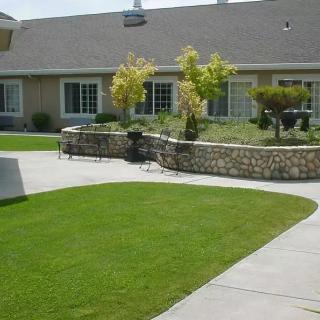
 Compassionate staff and an accessible central layout.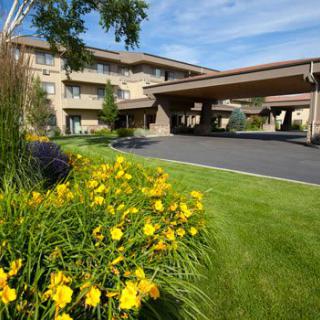
 Illuminating Insights About Alzheimer's Disease: Ten Crucial Realities
 A Thorough Discussion of Medications Potentially Linked to Dementia Risk
 Why Do Dementia Patients Sleep So Much? Understanding Oversleeping, Stages, and Care Approaches