
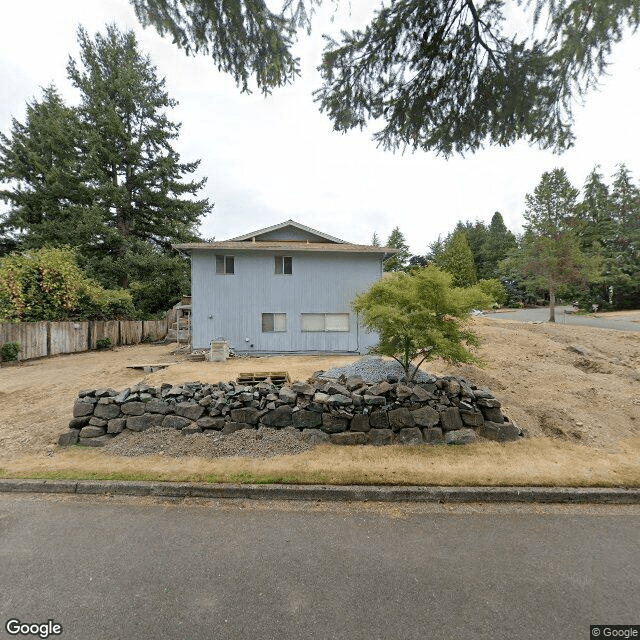
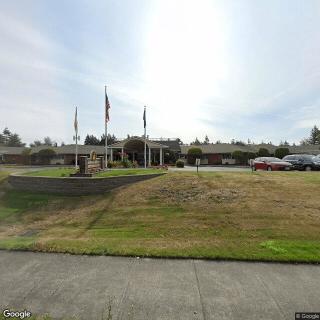
2804 SW 315th St, Federal Way, WA 98023
To contact a resident: (253) 927-0285
For more information about senior living options: (866) 208-4318
Marine View AFH I Costs & Pricing
Marine View AFH I offers competitive pricing for its various room types when compared to both Pierce County and the broader Washington state averages. For a semi-private room, residents will find the cost at Marine View AFH I is $4,000 per month, slightly below the county and state averages of $4,264 and $4,267 respectively. Similarly, the price for a one-bedroom unit aligns closely with market rates at $4,500, which is quite favorable against the county's average of $4,456 and the state's average of $4,632. For those seeking private accommodations, Marine View AFH I again maintains an attractive rate of $4,500 - less than both Pierce County's average of $4,623 and Washington state's average of $4,772. Overall, Marine View AFH I provides an appealing balance of affordability and quality care in comparison to its local and statewide counterparts.
| Floor plans | Marine View AFH I | Pierce County | Washington |
|---|---|---|---|
| Semi-Private | $4,000 | $4,264 | $4,272 |
| 1 Bedroom | $4,500 | $4,456 | $4,634 |
| Private | $4,500 | $4,623 | $4,774 |
Memory care communities with a similar price nearby
-
About the same

Riverton Home Care
$4,000 to $5,000 / month11.4 miles away -
About the same
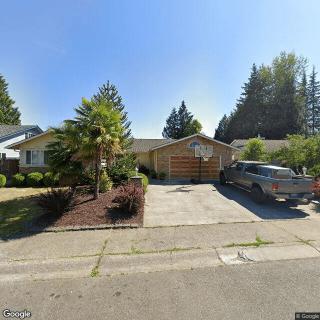
Gentle Care Home
$4,000 to $5,500 / month14.5 miles away -
from -$500 / mo

Twin Lakes Haven Adult Family Home
$3,500 to $8,000 / month0.3 miles away -
from -$500 / mo
Ahadi Care Adult Family Home
$3,500 to $4,000 / month13.2 miles away -
from +$305 / mo
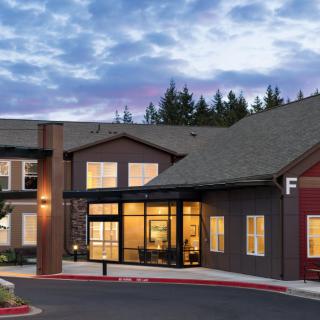
Penrose Harbor at Heron's Key
$4,305 to $7,332 / month10.5 miles away
Overall Review of Marine View AFH I
Pros
 The staff provide excellent care for residents.
- The caregivers treat residents like family.
- Visitors are greeted with hugs and feel like family.
- The facility prioritizes safety and adheres to rules and regulations.
- Ayda is wonderful, kind, caring, and compassionate.
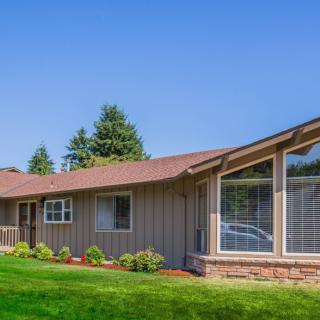
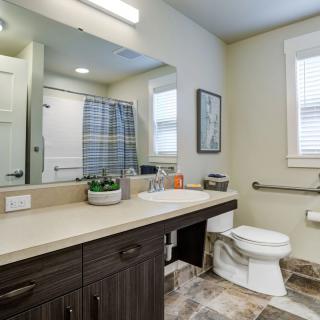
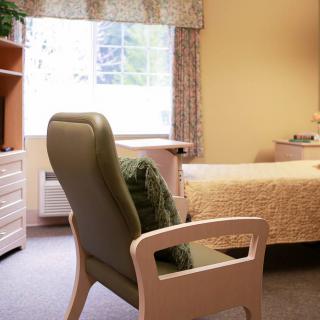
- Marine View Adult Family Home has large, clean, up-to-date rooms and a spacious open feel.
- The living area is large, inviting, and features a big screen TV with theater seating.
Review
Marine View AFH I in Federal Way is best suited for families seeking an intimate, home-like setting that delivers highly personalized dementia care and a strong emphasis on safety. As a small adult family home, its footprint is personal rather than clinical, with caregivers who treat residents like family members. The most telling notes from relatives are the expressions of relief and gratitude: moms aged in the mid-to-late 90s with dementia receive hands-on attention, and families feel assured their loved one is protected. The environment supports calm routines and predictable expectations: spacious rooms, up-to-date decor, a clean, open floor plan, and a living area that feels comfortable rather than institutional. This combination makes the home feel trustworthy and steady for memory care.
Potential buyers should recognize this setting may not fit every need. If on-site nursing oversight, complex medical management, or a bustling, activity-rich campus is essential, alternatives with larger staff, clinical amenities, and more expansive programming may be preferable. Families seeking a more traditional care model with a wide network of peers and organized outings might find the intimacy of a small home confining. The same warmth that makes it feel like home can translate into quieter days and fewer simultaneous options for social engagement. For those whose loved one requires frequent, around-the-clock medical intervention, or who want a broader spectrum of services under one roof, exploring larger facilities is prudent.
Yet the strongest advantages here sit squarely in the core caregiving relationship. Caregivers David and Ayda are described as treating residents like their own family, with greetings that feel personal and protective routines that prioritize safety and regulation compliance. That is not merely comforting; it directly reduces worry for families and lowers the risk of missed steps in dementia care. Physically, the home does more than just accommodate; it offers large rooms, a theater-style seating area, and a big-screen TV, all set within a clean, open-living design. This physically generous footprint supports a respectful pace, easy supervision, and meaningful time together without the clutter of a crowded facility.
Communication and empathy extend beyond the décor. Reviews highlight a staff dynamic that feels fresh and energetic, yet disciplined, young with enthusiasm, but clearly trained to uphold safety standards. The impression of confrontation-free visits, with staff who remember residents’ routines and preferences, translates into greater stability for people with dementia. The visible family atmosphere reduces agitation and confusion, enabling a higher quality of life in day-to-day activities and visitors’ experiences. The combination of dedicated caregivers and a home environment creates a compelling case for families who prioritize intimate, relationship-centered care over generic, one-size-fits-all models.
Still, the reality of a small home is that the social ecosystem is naturally more intimate and sometimes quieter. Fewer residents mean fewer spontaneous interactions, which may matter to families seeking constant activity calendars or robust peer engagement. The sense that staff are relatively young could raise questions about long-term consistency and depth of clinical expertise; the positive response, however, centers on enthusiasm, attentiveness, and a disciplined approach to safety. Prospective residents should probe caregiver ratios, continuity of care, and the availability of dementia-specific programming to ensure that the benefits of warmth and safety align with the desired level of clinical support and social variety.
For families weighing options, Marine View AFH I stands out as a practical, dependable choice when dementia-focused, home-like care and strict safety oversight are the top priorities. The decision hinges on whether convenience, intimate attention, and a serene environment outweigh the need for larger communities or advanced medical services. A visit should focus on how caregivers interact with residents, how routines are maintained, and how the home adapts activities to individual memory and mobility needs. If a loved one thrives with individualized attention in a small, safe setting, this home earns strong consideration; if more extensive medical management or social programming is non-negotiable, alignment with alternatives is advised.
 Board and Care Home
 Memory Care
 Cats allowed
 Dogs allowed
 Activities off-site
 Beautician on-site
 Devotional services off-site
 Indoor common areas
 Outdoor common areas
 Private
 Respite or short term stays offered
 Wheelchair accessible showers
 Seattle-Tacoma International (9 miles away)
 Ambulatory care
 Diabetic care
 High acuity care
 Incontinence care
 Medication management
 Kosher
 Gardening club
 8 Important Indicators That Memory Care May Be Necessary
 Delving into the Inner World of Dementia: Insights into Thoughts and Awareness
 Five Subtle Dementia Indicators to Observe: An In-Depth Guide to Understanding “Does My Mom Have Dementia?”