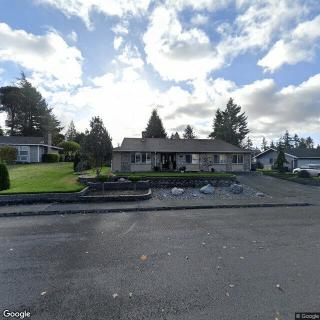
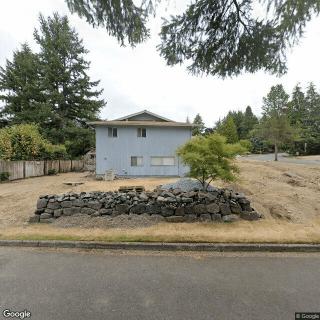
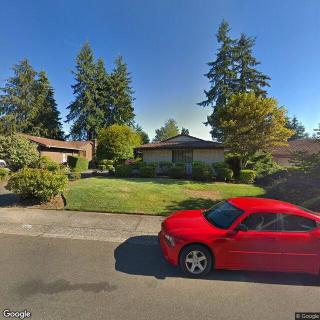
Baraka Adult Family Home in Federal Way, WA

Information last verified:

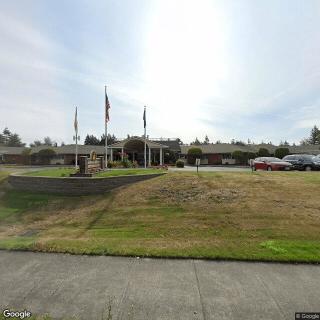
2731 SW 314th Street, Federal Way, WA 98023

For more information about senior living options: (844) 490-3973

5 from 3 reviews
5 stars
3
4 stars
0
3 stars
0
2 stars
0
1 stars
0

Baraka Adult Family Home Costs & Pricing

Baraka Adult Family Home offers a unique range of living accommodations tailored for comfort and care, with semi-private rooms priced at $5,500 per month and private rooms available for $7,500. These rates reflect the home's commitment to providing high-quality services in a nurturing environment. In comparison, the average costs in Pierce County are notably lower, with semi-private rooms averaging around $4,264 and private rooms at approximately $4,623. Similarly, state averages for Washington indicate that both room types are offered at competitive prices of about $4,267 for semi-private accommodations and $4,772 for private ones. While Baraka Adult Family Home's prices exceed regional norms, they are indicative of the personalized care and specialized amenities that residents can expect to receive.

Floor plansBaraka Adult Family HomePierce CountyWashington
Semi-Private$5,500$4,264$4,272
Private$7,500$4,623$4,774

Overall Review of Baraka Adult Family Home

Pros

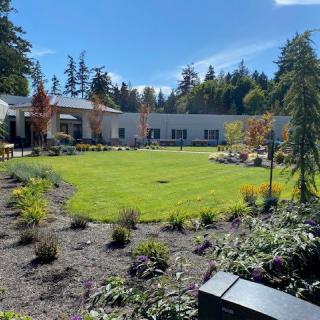
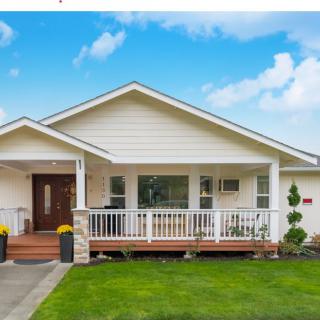
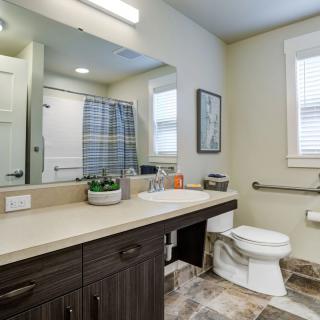
  • pro The Dash Point Adult Family Home is gorgeous, immaculately clean, and filled with light.
  • pro The staff are attentive and genuinely care about residents’ well-being.
  • pro The food is top-notch, home-cooked, with plenty of fresh fruits and vegetables.
  • pro The home accommodates dietary needs, including vegetarian diets.
  • pro Since moving there, the resident’s blood sugar has moved toward normal thanks to balanced meals.
  • pro The resident is happier and more socially engaged, with mealtime described as an event that fosters friendships.
  • pro Caregiving and medical attention are superb; the owner acted decisively in a medical emergency, contributing to the resident’s recovery.

Review

Baraka Adult Family Home in Federal Way is best suited for seniors who want a refined, intimate living environment where caregiving feels personal, meals are genuinely nourishing, and daily life centers on conversation and companionship rather than institutional routines. The setting lends itself to residents who thrive on warmth, light-filled spaces, and a home atmosphere that blends comfort with attentive oversight. This is not a vast campus but a small, neighborly home where staff can form meaningful connections with residents and their families, making daily rhythms predictable and reassuring.

Those weighing alternatives should consider what happens if medical needs demand broader clinical infrastructure or more specialized memory care. For seniors requiring round-the-clock clinical supervision, frequent on-site physicians, or a highly structured memory-care program, a larger facility or a dedicated memory-care community may offer clearer, 24/7 coverage. Families with strong preferences for highly formal amenities, extensive programming across multiple life-areas, or more regimented schedules might find a bigger operation better matches their expectations. For others, especially where family involvement remains a primary support, the intimate model can feel more responsive and less overwhelming.

The strongest positives come from four interlocking advantages. First, the physical environment is striking: clean, modern, and bright, with a home-like feel that reduces the clinical vibe many fear in aging settings. Second, staff attention is consistently described as genuine and caring, translating into reliable day-to-day support and quick responsiveness when needs arise. Third, nutrition is a standout feature: home-cooked meals with ample fresh produce, thoughtful dietary accommodations (vegetarian options included), and a noticeable impact on health markers such as blood sugar for residents with dietary-sensitive conditions. Fourth, the social fabric around meals and routines fosters real friendships and a sense of belonging, which in turn supports mood, engagement, and overall well-being.

What sets these positives apart is how they compensate for the realities of a smaller, intimate home. The reviews repeatedly highlight proactive caregiving and strong medical attentiveness, including a vivid example in which swift, decisive action by the owner helped stabilize a resident during a serious episode. That level of hands-on management can translate into faster problem identification, clearer communication with families, and higher confidence that a crisis will be managed calmly and effectively. While a smaller setting may pose questions about staffing depth at certain hours, the demonstrated willingness of leadership to intervene suggests a high standard of risk management and personal accountability that families find reassuring.

For families evaluating Baraka, a practical assessment checklist matters. Observe the cadence of daily routines and meal times to gauge how social interaction is cultivated. Sample the menu to ensure it aligns with residents’ dietary needs and cultural preferences, and ask how menus are adapted for individual health goals. Meet direct care staff and the leadership team to understand the staffing model, shift coverage, and escalation protocols in emergencies. See how often residents interact with the broader care ecosystem, pharmacists, nurses, and physicians, and inquire about how medical information is documented and communicated to families. Underpin all inquiries with a clear sense of who is driving care on any given day and how the community sustains a warm, family-like atmosphere over time.

In sum, Baraka offers a compelling fit for seniors who prize elegance, cleanliness, personalized attention, and a socially rich, nourishment-forward daily life. The big-idea trade-off is a smaller, more intimate framework that may lack the breadth of services found in larger facilities. For families who prioritize hands-on leadership, rapid medical responsiveness, and a community where meals and companionship are central, Baraka stands out as a strong option. Those whose priorities lean toward extensive clinical networks, formal programming across multiple care domains, or a broader campus should consider alternatives that emphasize scale and specialized memory or medical care.

Features

Types of Care

  • Board and Care Home Board and Care HomeBoard and care homes provide a smaller, more intimate setting for seniors who require assistance with daily tasks but do not need the level of care offered by a nursing home. They offer personalized care, meals, and social activities in a homelike environment, ensuring that seniors receive individualized attention and support in their golden years.
  • Memory Care Memory CareMemory care is crucial for seniors as it provides specialized support and services for individuals with dementia or Alzheimer's disease. These programs offer a safe and secure environment where residents receive personalized care, cognitive stimulation, and help with daily activities. Memory care helps seniors maintain their independence, quality of life, and dignity while also providing peace of mind for their families.

Pets

  • Cats allowed Cats allowed"Pet friendly" senior living communities are important for seniors because pets provide companionship, reduce feelings of loneliness and depression, promote physical activity and mental stimulation, and offer a sense of purpose and responsibility. Pets can improve overall well-being and quality of life for seniors in many ways.
  • Dogs allowed Dogs allowed"Pet friendly" senior living communities are important for seniors because pets provide companionship, reduce feelings of loneliness and depression, promote physical activity and mental stimulation, and offer a sense of purpose and responsibility. Pets can improve overall well-being and quality of life for seniors in many ways.

Amenities

  • Activities off-site Activities off-siteEngaging in off-site activities is crucial for seniors to maintain social connections, stay active, and stimulate their minds. It promotes overall well-being and helps combat feelings of isolation and loneliness.
  • Activities on-site Activities on-siteActivities on-site are important for seniors because they provide opportunities for socialization, mental stimulation, physical activity, and overall well-being. Engaging in activities can help seniors stay active, maintain their independence, and improve their quality of life.
  • Devotional services off-site Devotional services off-siteDevotional services off-site are important for seniors as they provide spiritual nourishment, social engagement, and a sense of community outside of the senior living facility. This can enhance overall well-being and help combat feelings of isolation and loneliness often experienced by older adults.
  • Devotional services on-site Devotional services on-siteDevotional services on-site provide seniors with spiritual support and a sense of community, as well as an opportunity for reflection and guidance during their senior living experience. This can promote emotional well-being and connection to others, leading to a more fulfilling and enriching lifestyle in their later years.
  • Indoor common areas Indoor common areasIndoor common areas are crucial for seniors as they provide a space for socialization, recreation, and community engagement, promoting overall well-being and reducing feelings of isolation and loneliness.
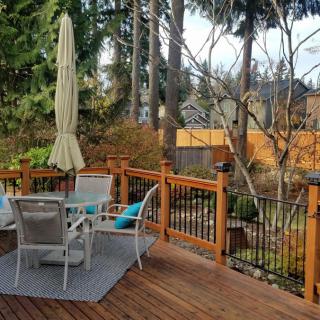
  • Outdoor common areas Outdoor common areasOutdoor common areas are important for seniors as they provide a space for socialization, physical activity, and relaxation. Being outside in nature can improve mood and overall well-being, while also encouraging movement and engagement with others. These spaces can help combat feelings of isolation and promote a sense of community among residents.
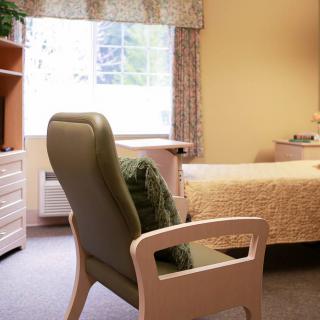
  • Private PrivatePrivacy is important for seniors as it allows them to maintain their independence, dignity, and sense of control over their own lives. It also gives them the space and freedom to relax, reflect, and engage in activities that bring them joy and fulfillment. Creating private spaces within senior living facilities is crucial for promoting overall well-being and quality of life.
  • Private bathrooms Private bathroomsPrivate bathrooms are important for seniors in senior living communities because they provide independence, dignity, and comfort. Having a private bathroom allows seniors to maintain their personal hygiene routines without the need for assistance, promoting a sense of autonomy and privacy. Additionally, private bathrooms help prevent the spread of infections and provide a safe and clean environment for seniors to navigate safely.
  • Respite or short term stays offered Respite or short term stays offeredRespite or short term stays provide seniors with a temporary solution when their regular caregiver is unavailable, offering them the opportunity to receive additional care and support during times of need, while also giving caregivers a chance to rest and recharge.
  • Wheelchair accessible showers Wheelchair accessible showersWheelchair accessible showers are crucial for seniors as they provide a safe and independent bathing option for those with mobility challenges. These showers help prevent falls and allow seniors to maintain their dignity and autonomy while ensuring they can bathe comfortably.

Transportation

  • Seattle-Tacoma International (9 miles away) Seattle-Tacoma International (9 miles away)

Care Services

  • Diabetic care Diabetic careDiabetic care is crucial for seniors as they are more susceptible to developing diabetes due to aging and other health conditions. Proper management of diabetes can help prevent complications such as heart disease, vision loss, and nerve damage, improving the overall quality of life for seniors in senior living communities.
  • High acuity care High acuity careHigh acuity care is important for seniors because it provides specialized medical attention and support for individuals with complex medical needs. This level of care ensures that seniors receive the appropriate treatment and assistance to maintain their health and quality of life as they age.
  • Incontinence care Incontinence careIncontinence care is essential for seniors to maintain their dignity, hygiene, and overall quality of life. By addressing incontinence issues promptly and effectively, seniors can enjoy a sense of independence and comfort in their daily activities.
  • Medication management Medication managementMedication management is crucial for seniors to ensure they are taking the right medications at the correct dosages and times. This helps prevent adverse drug interactions, reduces the risk of medication errors, and promotes overall health and well-being. Proactive management also allows for adjustments as needed based on changing health conditions or new prescriptions.

Dining

  • Kosher KosherKosher options are important for seniors because they adhere to dietary laws that are significant to many Jewish individuals, providing them with peace of mind and an opportunity to maintain their cultural traditions and beliefs while living in a senior living community.
  • Meals provided Meals provided"Meals provided" are crucial for seniors in assisted living communities as it ensures they have access to nutritious, balanced meals without the stress of meal planning and preparation. This can help promote overall health and well-being for seniors who may have limited mobility or cognitive abilities.
  • Vegetarian VegetarianA vegetarian diet is important for seniors because it can help lower the risk of chronic diseases, maintain a healthy weight, and provide essential nutrients needed for aging bodies. Additionally, plant-based diets are often easier on digestive systems and can contribute to overall well-being in older adults.

Activities

  • Activities off-site Activities off-siteEngaging in off-site activities is crucial for seniors to maintain social connections, stay active, and stimulate their minds. It promotes overall well-being and helps combat feelings of isolation and loneliness.
  • Activities on-site Activities on-siteActivities on-site are important for seniors because they provide opportunities for socialization, mental stimulation, physical activity, and overall well-being. Engaging in activities can help seniors stay active, maintain their independence, and improve their quality of life.
  • Devotional activities offsite Devotional activities offsiteDevotional activities offsite are important for seniors because they provide social engagement, spiritual growth, and a sense of community outside of their living environment. This can improve overall well-being, mental health, and combat feelings of isolation or loneliness.
  • Devotional activities on-site Devotional activities on-siteDevotional activities on-site provide seniors with a sense of community, spiritual fulfillment, and emotional support, promoting overall well-being and a positive sense of purpose in their lives.

Description

Baraka Adult Family Home is a memory care assisted living community located in Federal Way, Washington. Our dedicated staff provides high acuity care for individuals with memory loss and cognitive impairments. We offer a range of services to meet the individual needs of our residents, including incontinence care and medication management.

At Baraka Adult Family Home, we understand the importance of providing a comfortable and engaging environment for our residents. Our indoor and outdoor common areas serve as gathering spaces for socializing and participating in activities. We also offer devotional services both on-site and off-site to cater to the spiritual needs of our residents.

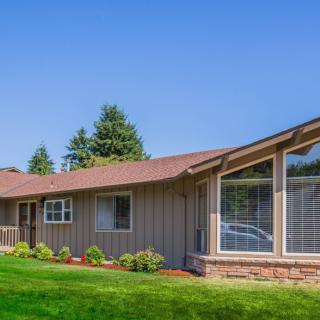
We strive to create a homelike atmosphere at Baraka Adult Family Home. Each resident enjoys their own private room with a private bathroom, ensuring privacy and comfort. Our facility is wheelchair accessible throughout, including wheelchair accessible showers for ease of use.

In addition to providing necessary care services, we place great emphasis on promoting an active and fulfilling lifestyle for our residents. We offer various activities on-site as well as devotional activities off-site to encourage social interaction and mental stimulation.

Convenience is another aspect that sets us apart. Located in Federal Way, we have easy access to amenities such as cafes, parks, pharmacies, physicians' offices, restaurants, places of worship, and hospitals – all within close proximity.

At Baraka Adult Family Home, we understand the unique needs of individuals with memory loss. By providing personalized care in a comfortable setting with a range of amenities and nearby conveniences, we strive to ensure that our residents enjoy a fulfilling and enriching experience every day.

Nearby Places of Interest

Places of Worship

  • St Theresa's Church (1.3 miles)
  • Christ Episcopal Church (5.8 miles)
  • Holy Spirit Parish (7.4 miles)
  • Bethlehem Baptist Church (7.7 miles)
  • Church Of The Nazarene Auburn (7.8 miles)

Pharmacies

  • CVS Pharmacy (1.4 miles)
  • Rite Aid (1.5 miles)
  • Walgreens (1.8 miles)
  • Angel Pharmacy (2.5 miles)
  • Rite Aid (2.5 miles)
  • Walgreens (3.5 miles)
  • Hilltop Pharmacy (6.2 miles)

Parks

  • French Lake Off-Leash Dog Park (1.5 miles)
  • Dash Point State Park (1.8 miles)
  • Steel Lake Park (3.2 miles)
  • Saltwater State Park (4.4 miles)
  • Dune Peninsula at Point Defiance Park (6.6 miles)
  • Sheridan Park (7 miles)
  • Johnson Pit #30, Earthworks Park (7.2 miles)

Physicians

  • Lateef J Harper MD | Kaiser Permanente (1.8 miles)
  • Wyman Carl MD (2.3 miles)
  • Digestive Health Specialists (2.4 miles)
  • Pediatrics NW (2.9 miles)
  • Federal Way Dental (2.9 miles)
  • Kevin P. Kolostyak, MD (5.7 miles)
  • Joelene J. Werden, DO (5.7 miles)

Cafes

  • Starbucks (2.6 miles)
  • Starbucks (3.3 miles)
  • Starbucks (5.4 miles)
  • Dutch Bros Coffee (5.4 miles)
  • Starbucks (6.1 miles)
  • Alfred's Cafe (6.2 miles)
  • Auburn Way Big Foot Java (6.8 miles)

Restaurants

  • Traditional Korean Beef Soup (2.6 miles)
  • Chick-Fil-A (2.6 miles)
  • McDonald's (3.1 miles)
  • Wendy's (3.3 miles)
  • Del Taco (3.3 miles)
  • Jack In The Box (3.3 miles)
  • The Matador (5.5 miles)

Hospitals

  • St. Francis Hospital (2.8 miles)
  • St Francis Sleep Disorders Clinic (2.8 miles)
  • St Francis Hospital (3 miles)
  • Federal Way Community Dialysis (3.1 miles)
  • Group Health Cooperative (5.7 miles)
  • MultiCare Regional Cancer Center - Tacoma (5.9 miles)
  • MultiCare (7.6 miles)

Theaters

  • Grand Cinema (5.6 miles)
  • Regal Auburn (6.2 miles)
  • AMC Kent Station 14 (7.7 miles)

Transportation

  • U-Haul Moving & Storage (7.1 miles)
  • Angle Lake Station (7.8 miles)

Frequently Asked Questions

How much does it cost to live at Baraka Adult Family Home in Federal Way, WA?
Where is Baraka Adult Family Home?
Does Baraka Adult Family Home provide care for residents with dementia or Alzheimer's disease?
Does Baraka Adult Family Home allow residents to have pets?

Nearby Communities

  • All Saints Adult Family Home

    All Saints Adult Family Home

    Federal Way, WA

    4.9 from 7 reviews
    $6,000 / month

    pro Clean, welcoming, home-like setting with friendly, attentive staff and good meals; pets allowed.

  • Golden Age AFH

    Golden Age AFH

    Federal Way, WA

    5 from 1 review
    $5,500 / month

    pro Clean, compassionate memory-care with private rooms and on-site amenities.

  • Marine View AFH I

    Marine View AFH I

    Federal Way, WA

    4.8 from 4 reviews
    $4,000 to $4,500 / month

    pro Spacious, clean rooms with modern decor and a welcoming theater-style living area.

  • Twin Lakes Haven Adult Family Home

    Twin Lakes Haven Adult Family Home

    Federal Way, WA

    5 from 14 reviews
    $3,500 to $8,000 / month

    pro Specialized memory care in a quiet residential setting with access to nearby amenities.

  • A New Haven AFH

    A New Haven AFH

    Federal Way, WA

    3 from 2 reviews
    $3,000 to $3,800 / month

    pro Pleasing appearance with several spacious rooms and an appealing ambiance.

  • Evergreen Manor II

    Evergreen Manor II

    Federal WAy, WA

    5 from 3 reviews
    $3,000 / month

    pro Affordable high-acuity care with private, wheelchair-accessible apartments and on-site amenities.

  • Mirror Lake Village Senior Living Community

    Mirror Lake Village Senior Living Community

    Federal Way, WA

    3.7 from 23 reviews
    $3,450 to $3,750 / month

    pro Caring, capable staff in a clean, well-maintained, conveniently located community.

  • Hallmark Manor

    Hallmark Manor

    Federal Way, WA

    4.6 from 123 reviews
     

    pro Professional staff and engaging social programs.

  • Garden Terrace Healthcare Center Of Federal Way

    Garden Terrace Healthcare Center Of Federal Way

    Federal Way, WA

    4.6 from 115 reviews
     

    pro Caring, attentive staff in a clean, well-maintained facility with engaging memory-care activities.

Related Resources

  • dementia stagesUnderstanding Dementia Through Its Seven Stages: A Comprehensive Look at Progression and Expectations

    Dementia encompasses a range of cognitive impairments characterized by types such as Alzheimer's and vascular dementia, and follows a seven-stage progression model known as the Global Deterioration Scale (GDS), highlighting varying symptoms and decline timelines. Early detection allows for lifestyle adjustments to potentially slow progression, while caregivers need support and resources to manage the challenges involved in caring for affected individuals.

  • dementia careA Holistic Dementia Care Guide: Effective Strategies for Memory Support
    The guide on holistic dementia care outlines the complexity of dementia and stresses the need for individualized caregiver strategies that include medical treatment, psychological support, and environmental adaptations, while emphasizing early detection, various therapeutic options, and caregiver support to enhance quality of life and maintain dignity.

  • dementia careMemory Care Pathways: A Holistic Guide to Dementia Support

    "Memory Care Pathways: A Holistic Guide to Dementia Support" outlines the complexities of dementia and its various types, emphasizing early detection, patient-centered care strategies, caregiver support, and long-term care options while addressing legal and financial considerations to enhance the quality of life for individuals with dementia and their families.