
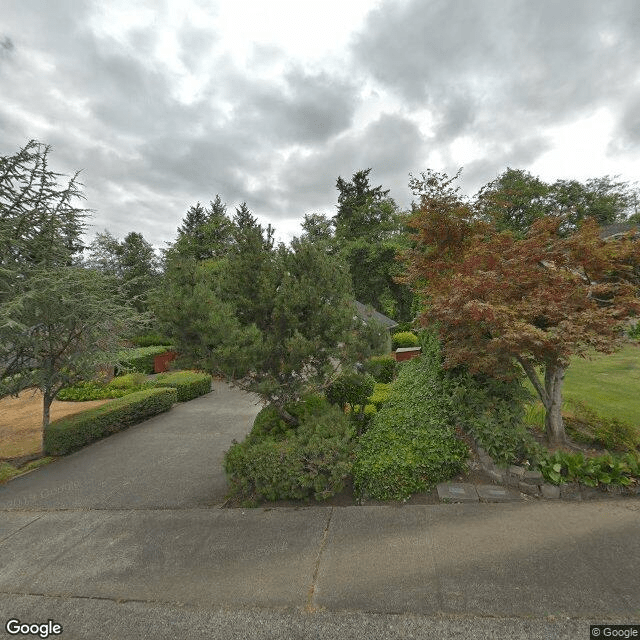
32020 11 Ave SW, Federal Way, WA 98023
To contact a resident: (206) 660-1273
For more information about senior living options: (866) 208-4318
Evergreen Park AFH - West Campus Costs & Pricing
Evergreen Park AFH - West Campus offers a competitive pricing structure, with monthly rates set at $7,000 for both one-bedroom and private room options. When compared to the average costs within Pierce County, which stand at approximately $4,456 for a one-bedroom and $4,623 for a private room, it is evident that Evergreen Park positions itself at a premium level. Additionally, these costs exceed the state averages of $4,632 for one-bedroom accommodations and $4,772 for private rooms in Washington. This pricing reflects the facility's commitment to providing high-quality care and amenities designed to enhance the residents' experience.
| Floor plans | Evergreen Park AFH - West Campus | Pierce County | Washington |
|---|---|---|---|
| 1 Bedroom | $7,000 | $4,456 | $4,634 |
| Private | $7,000 | $4,623 | $4,774 |
Memory care communities with a similar price nearby
-
from -$1000 / mo
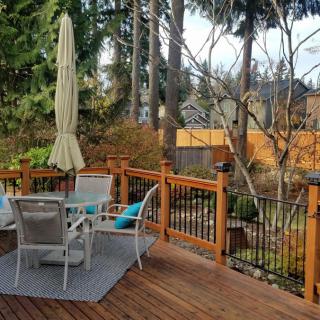
Blue Horizon Adult Family Home
$6,000 to $7,000 / month15.9 miles away -
from -$500 / mo
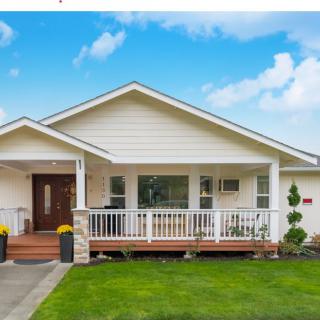
Silver Creek Adult Family Home
$6,500 to $7,000 / month9.4 miles away -
from -$1000 / mo
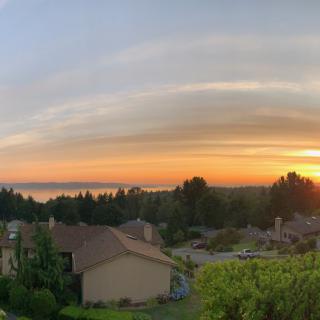
Harbor View Adult Family Home
$6,000 to $6,500 / month2.5 miles away -
from +$500 / mo
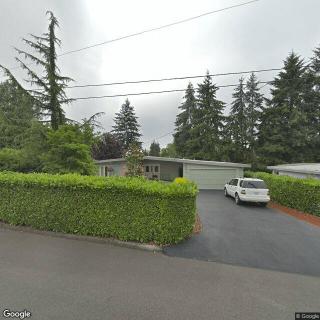
Lake Hills AFH, LLC
$7,500 / month22.7 miles away -
from -$500 / mo
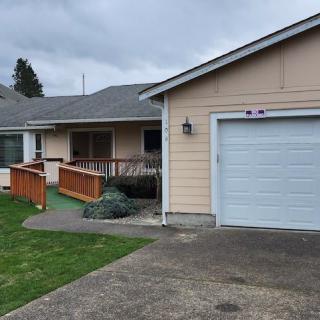
Homebridge Adult Family Home
$6,500 to $8,000 / month12.6 miles away
Overall Review of Evergreen Park AFH - West Campus
Pros
 Evergreen Park provides compassionate care that helps families feel grateful, with attentive updates about their loved ones.
- The staff at Evergreen Park are patient, kind, and dedicated to helping residents thrive.
- Theresa and the caregivers help with medications and manage Alzheimer’s symptoms, resulting in calmer, happier residents.
- Evergreen Park is described as a gem among adult family homes and is not to be missed.
- The facility helps residents settle in and feel at home, with staff whose kindness and care stand out.
- Maria Marrow is a competent, professional RN, and the care team is highly professional.
- The house is beautiful with good food and well-sized rooms, and the staff are a pleasure to work with.
Cons
 The open-plan design could be problematic for residents who don’t want to be around others, as they would have to stay in their rooms.
- The review implies there were limited room options, with only one room deemed suitable for this person.
Review
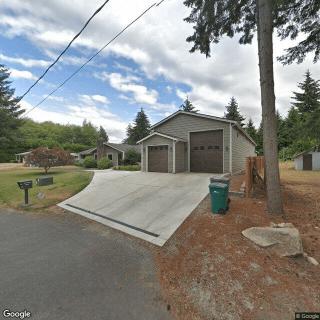
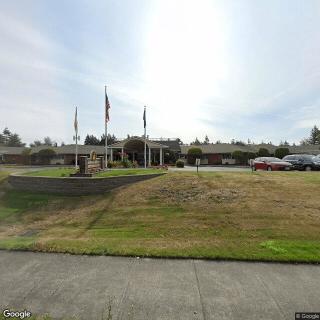
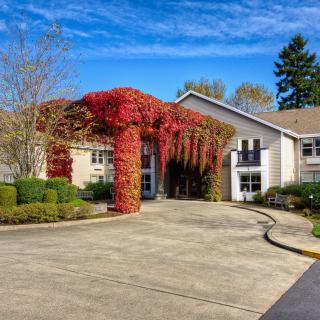
Evergreen Park AFH - West Campus is best suited for seniors who want a warm, home-like setting where caregiving feels deeply personal and consistently attentive. The reviews repeatedly highlight a tightly knit staff culture and a genuine sense that residents are part of a family, not just a shift in a facility. The care model leans into memory-support dynamics, with caregivers who manage medications, de-escalate Alzheimer’s symptoms, and keep families informed. End-of-life care is described as exemplary, delivered with dignity and calm through hospice support. For families seeking a place where their loved one is treated with daily courtesy, respect, and a sense of belonging, this community delivers. The physical environment, a well-kept house with a view of Puget Sound, reinforces a peaceful, homelike rhythm that many families trust.
Those who prioritize privacy, a more formal institutional feel, or a broader slate of activities and room configurations may want to consider alternatives. The best fit requires accepting a small, intimate campus where social interaction is a daily norm, which isn’t for everyone. Prospective residents should verify multiple private-room options beyond a single master configuration and assess how the open-plan common areas align with personal tolerance for crowds. Families who need a bustling, highly structured calendar or a campus with extensive amenities may find this setting too tightly focused. In short, Evergreen Park shines for intimate care and family integration, but a quieter or more expansive environment may be preferred by some seniors.
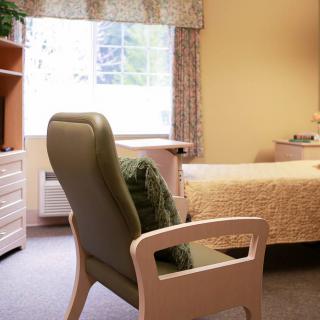
Key advantages center on the care team’s consistency, empathy, and hands-on involvement. Families consistently report staff who are patient, kind, and communicative, with Theresa singled out as a standout. The caregivers’ approach to Alzheimer’s, medication alignment, agitation management, and steady routines, produces a calmer resident, frequently described as happy and calm after adjustments. The integration with family is not superficial; families are kept apprised and welcomed into the care narrative. The setting remains clean, orderly, and professional, with good food and well-sized rooms. The physical layout, an open, social common area paired with a private or semi-private room option, supports meaningful interaction without sacrificing basic comfort. For memory-care needs and hospice support, Evergreen Park’s model is particularly well suited.
These strengths offset several potential drawbacks. The home-like atmosphere reduces clinical distance and a known, trusted staff diminishes the anxiety families feel during transitions. The emphasis on family communication helps caregivers respond quickly to changes, which can be more valuable than a broader activity menu. The downside, limited privacy in an open-plan setting and a relatively small number of room configurations, doesn’t erase quality of care; it reframes expectations. Residents who prize quiet, personal space or who must fit into a specific room layout may encounter friction unless upfront room options and privacy levels are clarified. For families prioritizing warmth, attentiveness, and a peaceful progression toward end-of-life needs, the positives strongly outweigh these concerns.
Main drawbacks, when evaluated, center on space and privacy. Feedback points to limited room configurations, with one en-suite master room as the standout option, and others relying on shared settings. The strong social framework can feel overwhelming for residents who prefer quiet or solitary routines. The small sample of eight reviews also means less certainty about long-term consistency across staff and seasons. For families seeking a formal campus with broad amenities and a large caregiver pool, Evergreen may not check every box. Prospective residents should confirm current room options, privacy levels, and the care schedule before committing.
For families anchored by warmth, responsiveness, and a clear sense of belonging, Evergreen Park AFH - West Campus stands out as a compelling choice, especially for memory-care support and end-of-life care within a homey frame. Those seeking a larger, more varied campus or a setting with stronger emphasis on private space and a broader activity matrix should actively explore alternatives. The prudent next steps are straightforward: arrange a visit, meet Theresa and the care team, request a tour of available rooms, and observe interactions in common areas. Confirm how memory-care needs are managed day-to-day and what hospice partnerships look like, then decide if the blend of devotion and intimacy here aligns with the loved one’s priorities.
 Board and Care Home
 Memory Care
 Cats allowed
 Dogs allowed
 Activities on-site
 Cable or satellite TV
 Ground floor units
 Private
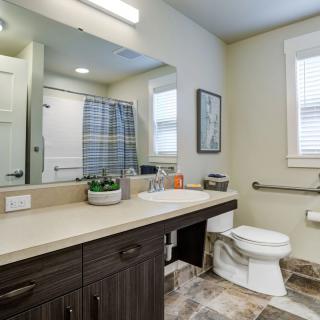
 Private bathrooms
 Respite or short term stays offered
 Wheelchair accessible showers
 Wi-Fi/high-speed internet available
 Seattle-Tacoma International (9 miles away)
 Diabetic care
 High acuity care
 Incontinence care
 Medication management
 Guest meals
 BBQs or picnics
 Birthday parties
 Live musical performances
 Trivia games
 Wii bowling
 Understanding Dementia Behaviors: Practical Insights and Strategies for Caregivers
 When Dementia Sparks Anger and Aggression: Understanding the Connection and Ways to Cope
 Dementia Behaviors: In-Depth Understanding and Effective Coping Strategies