
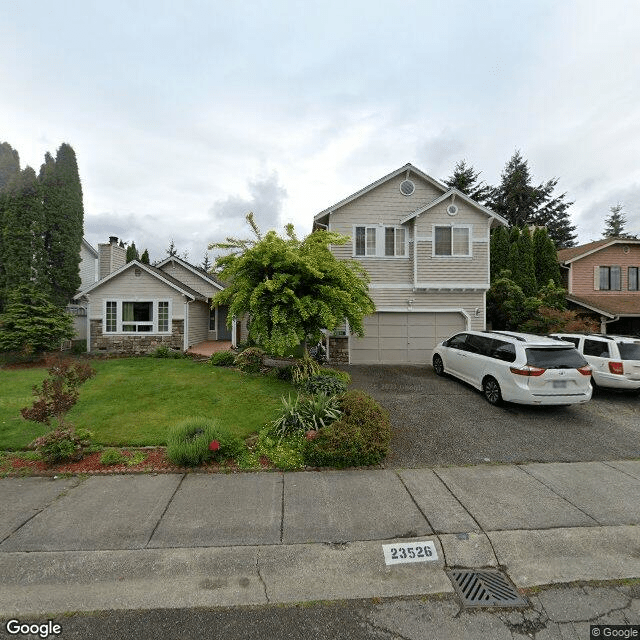
23526 19th Dr. SE, Bothell, WA 98021
To contact a resident: (425) 218-7776
For more information about senior living options: (866) 208-4318
Camelia's Loving and Caring AFH Costs & Pricing
Camelia's Loving and Caring AFH offers competitively priced accommodation options for individuals seeking a comfortable living environment. The monthly rate for a studio is set at $3,000, which is significantly lower than the average cost of $4,443 in Snohomish County and $4,126 across Washington state. Similarly, their private rooms are available at $3,500, compared to the regional average of $4,834 and the state average of $4,772. These costs reflect Camelias's commitment to providing quality care while maintaining affordability in comparison to standard market rates in the area.
| Floor plans | Camelia's Loving and Caring AFH | Snohomish County | Washington |
|---|---|---|---|
| Studio | $3,000 | $4,443 | $4,128 |
| Private | $3,500 | $4,834 | $4,774 |
Memory care communities with a similar price nearby
-
from +$500 / mo
Dignity Life
$3,500 / month3.8 miles away -
from +$375 / mo
Evergreen Manor Senior Care Inc
$3,375 to $7,500 / month6.3 miles away -
About the same
Caring Adult Family Home #1
$3,000 / month1.4 miles away -
from -$500 / mo
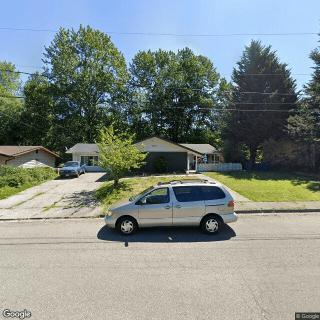
Freedom Care
$2,500 to $3,000 / month23.2 miles away -
from -$500 / mo
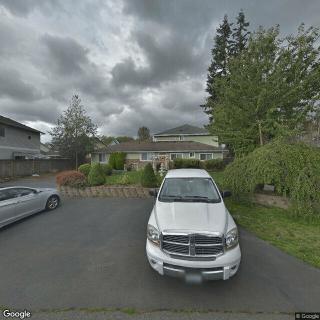
Silver Pond AFH
$2,500 to $3,500 / month8.0 miles away
Overall Review of Camelia's Loving and Caring AFH
Pros
 The facility was immaculate and peaceful.
- She was always clean and well cared for.
- Everyone encountered was kind and helpful.
- They would not hesitate to place a loved one there.
- It is a very nice place, with everyone always happy.
- The welcome is wonderful.
- Meals are like five-star hotel quality.
- The caregivers are caring, loving, and heartwarming.
- Camilia's Loving & Caring AFH is the most wonderful adult care facility imaginable.
- Every resident's needs are cared for individually and they are treated with respect and love.
- They became a second family and are grateful for the little extra touches.
- Very reasonable rates and willing to work within the budget.
- The staff is attentive and compassionate.
- The facility is well cared for and beautiful.
- Highest recommendations.
Review
Camelia's Loving and Caring AFH in Bothell is best suited for families that want a small, home-like setting where residents receive intensely personal, compassionate care. It is ideal for seniors who prize dignity, quiet routines, and daily, hands-on attention from a close-knit caregiving team. The community stands out for residents facing progressive conditions, including ALS, where dedicated caregivers can deliver steady support, warmth, and respect in a peaceful, orderly environment. This is not a place chasing glitz; it is a place where human connection and routine matter most, and those elements are delivered with striking consistency.
Those needing extensive clinical infrastructure or a larger campus atmosphere should consider alternatives. For residents requiring round-the-clock RN oversight, complex memory-care programming, or hospital-level therapy services, a bigger facility may be a better fit. Availability here can be a practical hurdle, rooms do fill, and timing matters when a family needs to align with a caregiver’s capacity. If a highly medicalized, resource-rich environment is non-negotiable, Camelia's may not deliver the breadth of services found in larger, more impersonal communities.
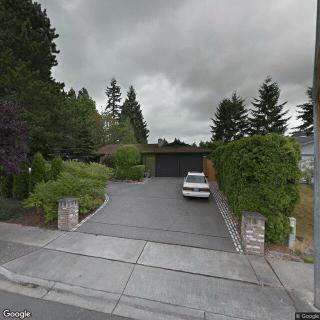
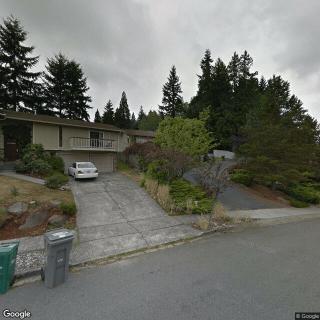
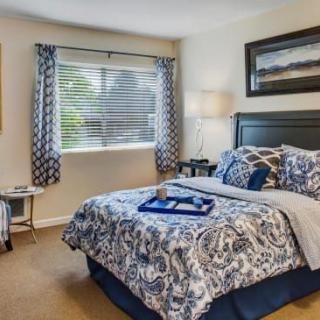
The strongest pros are real and material. The home remains immaculately kept and serene, with a staff described as attentive, kind, and genuinely caring. In the ALS example, the team’s patience and steadiness show up in meaningful ways, helping a resident stay clean, comfortable, and dignified as function declines. Dining and daily living cues contribute heavily to quality of life, meals that feel special, bread baked from scratch, and sunlit spaces that invite residents outdoors. The overall atmosphere supports social engagement without sacrificing the intimate, respectful tone that families notice and value.
Caregivers operate as part of a broader extended family, not as distant professionals. Several accounts emphasize the warmth with which residents are treated and how families are welcome to participate in daily rhythms. Budget-conscious pricing is a practical plus, with caregivers willing to work within means without sacrificing essential care. That combination, emotional warmth paired with financial flexibility, creates a stabilizing foundation for long-term arrangements, especially when care needs evolve and affordability shifts become a central concern.
The village feel translates into measurable well-being: residents form friendships, experience less institutional stiffness, and feel seen as individuals rather than patients. In a market crowded with clinical expectations and standardized programming, Camelia's distinctive emphasis on human-centered routines, sunshine on the deck, home-style cooking, and personal attention, provides a meaningful boost to daily happiness and dignity. The inevitable trade-off is the limited scale and breadth of services; for many, the payoff in peace of mind and intimate attention more than compensates for that limitation.
Ultimately, Camelia's Loving and Caring AFH is a practical, compelling option for families prioritizing intimate, compassionate care in a budget-conscious Bothell setting. It is not the right fit for someone who requires expansive medical oversight, highly specialized memory care, or a large social program. For residents and families who value a second family atmosphere, meticulous cleanliness, and consistently warm caregiving, the balance tips decisively in favor of choosing Camelia's when a room is available. Prospective movers should schedule a visit with a clear set of questions: caregiver-to-resident ratios, emergency procedures, and what medical support looks like day-to-day. If availability aligns with needs, the decision to move forward is well supported by the demonstrated warmth, stability, and practical affordability that define this home.
 Board and Care Home
 Memory Care
 Cats allowed
 Dogs allowed
 Activities off-site
 Devotional services off-site
 Indoor common areas
 Outdoor common areas
 Private
 Private bathrooms
 Respite or short term stays offered
 Wheelchair accessible showers
 Seattle-Tacoma International (24 miles away)
 Diabetic care
 High acuity care
 Incontinence care
 Medication management
 Kosher
 Christian services

 Understanding Dementia Through Its Seven Stages: A Comprehensive Look at Progression and Expectations
 A Holistic Dementia Care Guide: Effective Strategies for Memory Support
 Comprehensive Insights into Activities of Daily Living (ADLs) and Their Assessment