
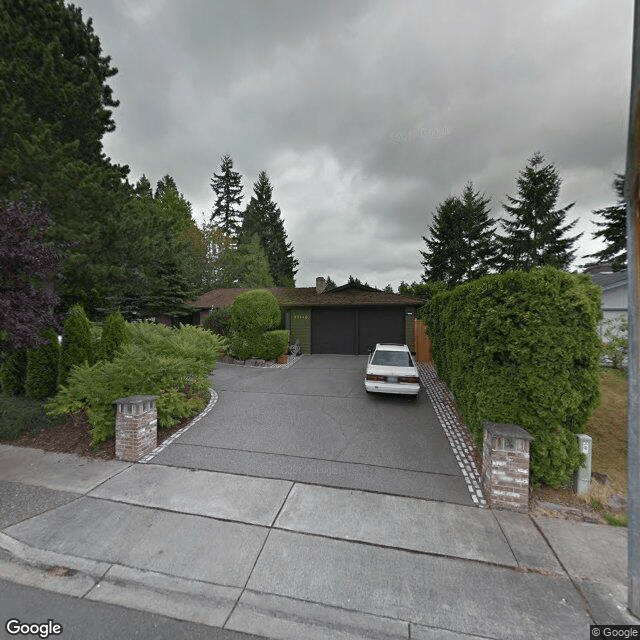
20140 106th Avenue NE, Bothell, WA 98011
To contact a resident: (425) 485-6213
For more information about senior living options: (866) 208-4318
Carlson Care AFH I LLC Costs & Pricing
Carlson Care AFH I LLC offers competitive pricing for its residential care services when compared to both Snohomish County and the broader Washington state averages. For a private room, the cost at Carlson Care stands at $5,000 per month, which is slightly higher than the county average of $4,834 but still remains above the state average of $4,772. In terms of one-bedroom accommodations, Carlson Care's rate of $6,000 exceeds both the county average of $5,080 and the state figure of $4,632. These prices reflect Carlson Care's commitment to providing quality care tailored to individual needs while positioning itself as a premium option within its local market.
| Floor plans | Carlson Care AFH I LLC | Snohomish County | Washington |
|---|---|---|---|
| Private | $5,000 | $4,834 | $4,774 |
| 1 Bedroom | $6,000 | $5,080 | $4,634 |
Memory care communities with a similar price nearby
-
from +$750 / mo
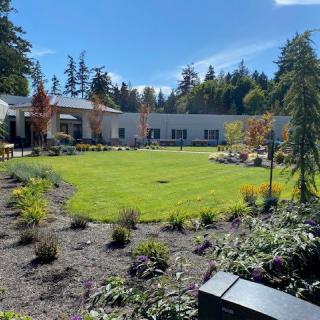
Fieldstone Rolling Bay and Fieldstone Memory Care
$5,750 to $8,895 / month16.1 miles away -
from -$500 / mo
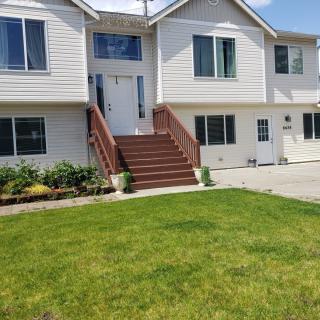
We Care Adult Family Home
$4,500 to $8,000 / month11.9 miles away -
from +$500 / mo
3 Tree Vista Adult Family Home, LLC
$5,500 / month23.0 miles away -
About the same
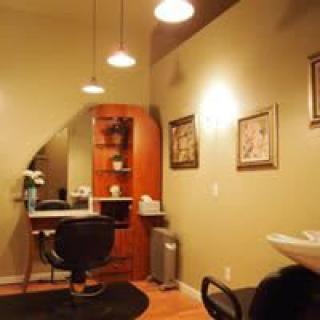
Abundant Life Lynnwood
$5,000 to $6,000 / month7.1 miles away -
from -$500 / mo
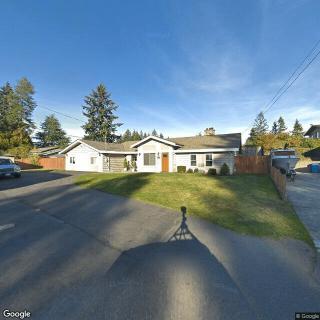
Happy Family Adult Family Home 2
$4,500 / month5.5 miles away
Overall Review of Carlson Care AFH I LLC
Pros
 Carlson Care keeps families informed and updated on their loved one's condition.
- The staff call when they need things for their loved one, including medications.
- They meet residents' needs.
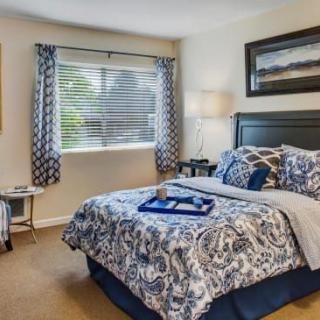
- The houses are kept clean and well taken care of.
- Overall, it was a good experience.
Cons
 Carlson Care could improve by providing activities for residents, as there is nothing there for them to do.
- There is nothing for residents to do at Carlson Care, indicating a lack of engaging activities.
- Carlson Care needs to enhance its activity programming; the current offerings leave residents with nothing to do.
Review
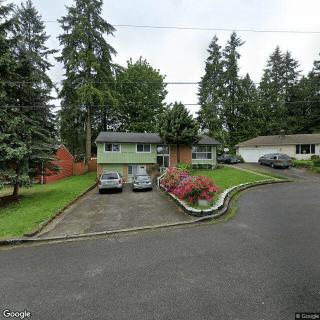
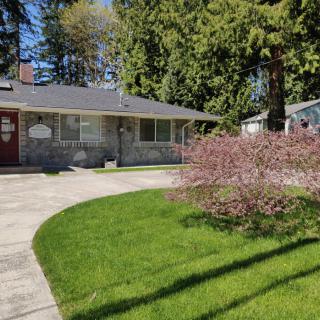
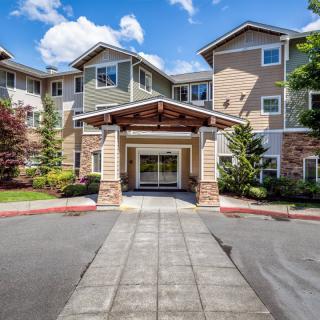
Carlson Care AFH I LLC in Bothell is best suited for families seeking dependable, low-stress daily care in a small, home-like setting. The model prioritizes hands-on attention and predictable routines over being a large clinical operation. The standout strength is communication: staff consistently update family members about medications, health changes, and daily progress, which reduces anxiety for loved ones who aren’t on site. The residences themselves are clean, well maintained, and clearly cared for, creating a calm, safe atmosphere. For families balancing caregiving with work or distance, this combination delivers reliability without the bustle of a larger facility.
Those who crave robust programming and social engagement should consider alternatives. Reviews repeatedly note a lack of activities beyond basic care, with residents having little to do on campus. If a lively activities calendar, structured group outings, or specialized programming for memory care or mobility goals are priorities, this community may fall short. It is a strong fit for daily living needs and personal care, but not a hub of enrichment opportunities. Families assessing options should weigh whether external activities, family visits, or nearby community resources can fill the gap, or if a larger community with more programming is a better match.
Key advantages offset the main gap because they address core caregiver concerns. The dependable updates reduce family anxiety and simplify care coordination, a significant plus when multiple relatives share responsibility. Clean, well-kept housing lowers the risk of slips, falls, or infections and supports a respectful, comfortable living environment. Responsive staff who attend to medications and daily needs also translates into better adherence and fewer missed cues about health changes. In short, the practical essentials, communication, cleanliness, and attentiveness, form a solid foundation that sustains a safe, dignified daily life.
Yet the absence of built-in engagement opportunities cannot be ignored. Without a vibrant activities program, residents can experience monotony or withdrawal if external schedules are not arranged. The reviews suggest that family members may need to play a more active role in coordinating or financing outings, in-house events, or one-on-one programs to keep residents mentally and socially stimulated. This is not a red flag for care quality, but it is a clear limitation that affects quality of life over time for those who value ongoing enrichment. Prospective residents should consider whether this is a temporary gap or a long-term arrangement that aligns with expectations.
Where Carlson Care AFH I LLC excels, the benefits align tightly with risk reduction. Reliable communication keeps medical and daily-care needs in tune with a loved one’s status, while cleanliness minimizes environmental hazards. The staff’s attentiveness translates into smoother medication management and the sense that someone is watching over the person day-to-day. For families ready to supplement programming from outside the community, the overall package remains cost-competitive and less overwhelming than a larger residence. The practical approach makes it a solid choice for short- or long-term stays when the priority is steady, transparent care rather than a full calendar of events.
Bottom line: Carlson Care AFH I LLC is well suited for seniors who want dependable caregiving in a calm, clean, home-like setting and who value clear communication above all else. It is a prudent option for families who can supplement activity and socialization externally or with family involvement. Those seeking a bustling activity schedule, wide social networks, or advanced medical programming should consider alternatives, larger assisted living communities or specialized memory care facilities. A visit with staff will reveal whether personalized care plans, family updates, and a minimal but well-executed environment meet the resident’s goals. If so, this Bothell option offers trustworthy care with real peace of mind for caregivers.
 Board and Care Home
 Memory Care
 Activities off-site
 Beautician on-site
 Devotional services off-site
 Indoor common areas
 Outdoor common areas
 Private
 Private bathrooms
 Respite or short term stays offered
 Wheelchair accessible showers
 Seattle-Tacoma International (23 miles away)
 Diabetic care
 High acuity care
 Incontinence care
 Medication management
 Kosher
 Memory Care Pathways: A Holistic Guide to Dementia Support
 Comprehending Evening Confusion in Dementia: Causes, Manifestations, and Support
 Delirium and Dementia: Unraveling the Key Differences