
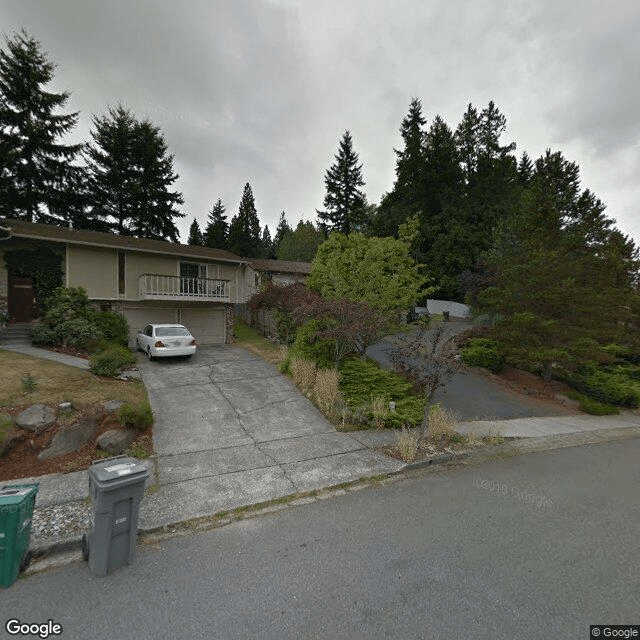
20205 107th Ave NE, Bothell, WA 98011
To contact a resident: (425) 485-6212
For more information about senior living options: (866) 208-4318
Overall Review of Caring Care AFH II
Pros
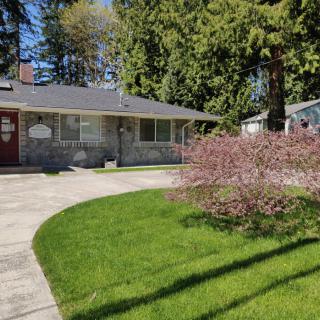
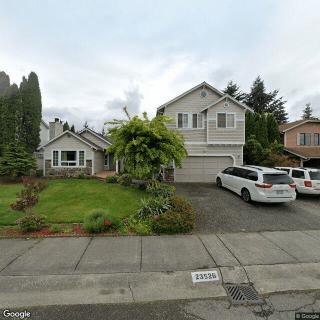
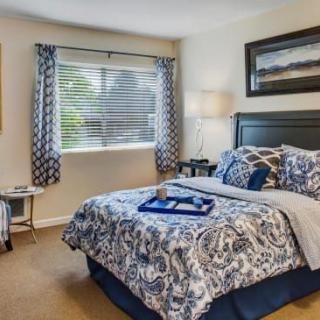
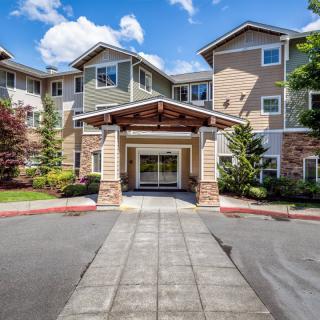
 Caring Cabin provides outstanding, compassionate care in a warm, home-like setting.
- Ina Lungu, an on-site RN, offers skilled and attentive nursing care.
- The staff are generous, friendly, and engage residents in meaningful activities.
- The facility is immaculate, clean, and beautifully maintained.
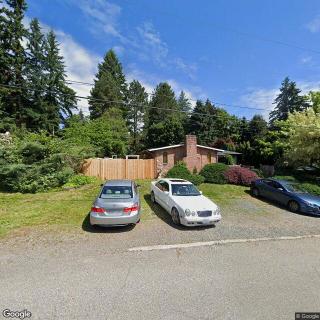
- The setting is peaceful and serene, with a rural atmosphere that feels safe.
- Residents enjoy home-cooked meals and the pleasant aromas of cooking.
- The grounds include a real outdoor yard or garden for residents to explore.
- Families feel welcomed and comforted knowing their loved ones are safe and cared for.
- The owner-manager creates a sense of family, going above and beyond for residents.
- Social events, sing-alongs, and volunteers bring joy and community to the home.
- The care and environment offer dignity, healing, and a true sense of home.
- The care remains consistent and attentive to ongoing health and daily needs.
Review
This community is best suited for seniors who want a true home-like setting and insist on highly personalized, hands-on care, especially for dementia and end-of-life needs. The on-site RN owner lives in the home with her family, providing continuous oversight and immediate access to medical judgment. The setting is intimate, quiet, and rural, with a real outdoor yard and garden that invites safe exploration and familiar routines. Families report feeling that their loved ones are treated as individuals rather than admissions, with warmth, respect, and a sense of belonging that turns care into a daily, lived experience rather than a routine. For those prioritizing dignity, individual attention, and a family atmosphere, this option stands out.
Those weighing alternatives should consider whether a larger, more traditional assisted living community would better fit, particularly if a broader medical team, more formal programming, or a busier social calendar is essential. Prospective residents who require hospital-level nursing, extensive therapy services, or a wide array of on-site amenities may find the scale and scope of this home insufficient. Urban or suburban facilities with dedicated memory-care wings, more structured daily schedules, and longer hours of professional supervision can provide different comforts. Couples with divergent care needs or families seeking highly diversified activities might also explore other models that emphasize breadth over intimacy.
The strongest advantages are the interpersonal already-in-place advantages: a small group of residents, direct access to an on-site RN who leads not only nursing tasks but overall coordination, and a true home environment that prioritizes daily routines, safety, and affection. Home-cooked meals, cleanliness, and a calm, tidy atmosphere reinforce a sense of security and comfort. Staff engagement is persistent and personal, activities are regular, staff members participate in events, and visits from volunteers or musicians add meaningful texture to daily life. The overall package, careful oversight, consistent warmth, and a homelike rhythm, creates emotional continuity that families value deeply.
These advantages offset the potential drawbacks by translating medical competence into everyday reliability. The intimate scale means fewer residents to monitor, which translates into more individualized attention and quicker response to changing needs. The home setting reduces the clinical feel that can come with larger facilities, helping residents stay connected to familiar routines and relationships. The presence of a full-time RN on-site means medical judgments are not delayed, and care plans stay aligned with evolving conditions, from dementia-related needs to comfort-focused end-of-life considerations. In this context, the trade-off of a smaller community is a clear net gain in dignity, attentiveness, and consistency.
A practical caveat centers on scale and variety. While the close-knit, home-like model delivers exceptional personal care, it may not satisfy families seeking an expansive social program, diverse therapy options, or a broad network of specialists. Availability of certain services may hinge on a small team’s capacity, and residents may encounter a quieter, slower pace than larger communities. For those whose priorities include extensive on-site recreation, multiple dining venues, or advanced rehabilitative therapies, alternatives with broader resources warrant consideration. Yet for families prioritizing compassionate, present, hands-on care delivered with professional grit, these trade-offs are largely justified.
In guiding a decision, this community clearly serves a niche: a dignified, affectionate, and medically capable home for seniors who thrive on individualized attention and a family-centered vibe. It is especially fitting for dementia care in a peaceful, engagement-friendly environment where staff truly know residents well and respond with warmth and competence. Families should plan visits to observe daily routines, meet the owner-manager in depth, and confirm cost structures and care plans. If the goal is to preserve independence within a home that feels familial while ensuring expert nursing support, this option deserves priority consideration before any larger institutional alternatives.
 Board and Care Home
 Seattle-Tacoma International (23 miles away)
 Supportive Employee Benefits That Help Caregivers Attain Better Work-Life Harmony
 Top Cars for Senior Drivers and Essential Safety Innovations
 A Closer Look at Private Pay Home Care