
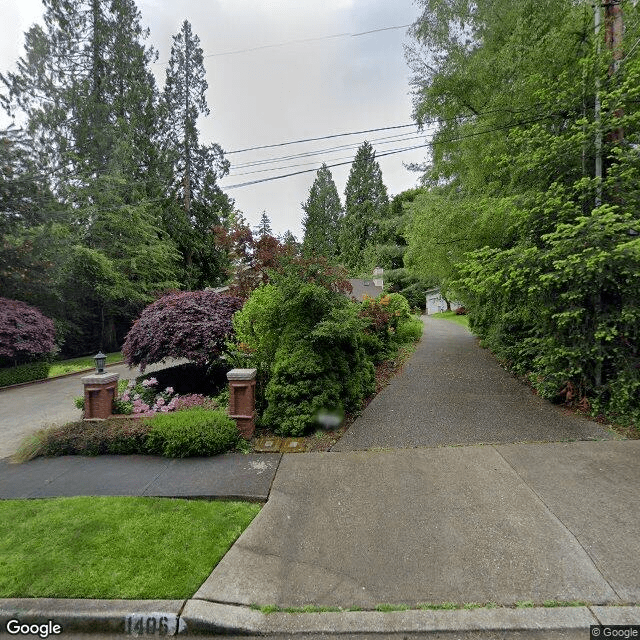
1410 233 Place SE, Bothell, WA 98021
To contact a resident: (206) 355-1410
For more information about senior living options: (866) 208-4318
Canyon Park, RN, Adult Living Center I Costs & Pricing
Canyon Park, RN, Adult Living Center I offers a private room at a monthly cost ranging from $5,000 to $5,309. This pricing positions it slightly above the average costs for Snohomish County, where the typical monthly charge is approximately $4,834. Likewise, it exceeds the broader state average in Washington, which stands at around $4,772. While Canyon Park may be on the higher end of the pricing spectrum, it is important to consider that this might reflect enhanced amenities or specialized care services that contribute to its overall value.
| Floor plans | Canyon Park, RN, Adult Living Center I | Snohomish County | Washington |
|---|---|---|---|
| Private | $5,000 to $5,309 | $4,834 | $4,774 |
Senior living communities with a similar price nearby
-
from +$750 / mo

Fieldstone Rolling Bay and Fieldstone Memory Care
$5,750 to $8,895 / month15.9 miles away -
About the same
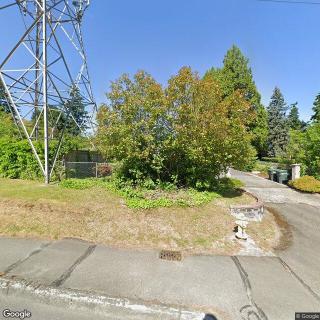
AA Residential Care
$5,000 / month3.3 miles away -
from -$500 / mo
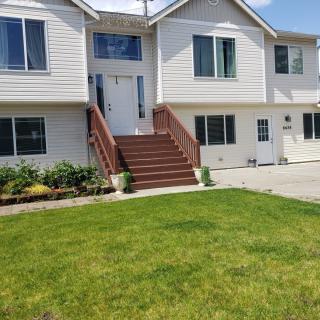
We Care Adult Family Home
$4,500 to $8,000 / month11.1 miles away -
from +$500 / mo
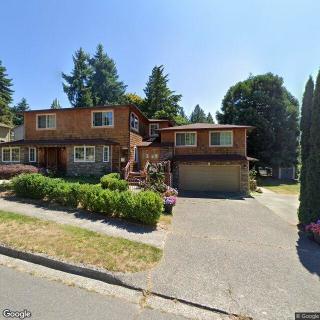
Valley Vista Adult Family Home Inc
$5,500 to $6,200 / month8.0 miles away -
from +$500 / mo

3 Tree Vista Adult Family Home, LLC
$5,500 / month23.5 miles away
Overall Review of Canyon Park, RN, Adult Living Center I
Pros
 Carmen is a very experienced and knowledgeable nurse.
- Bothell Way Lodge provides exceptional care with staff who show concern, professionalism, knowledge, cleanliness, comfort, and dignity.
- The staff treat residents like family.
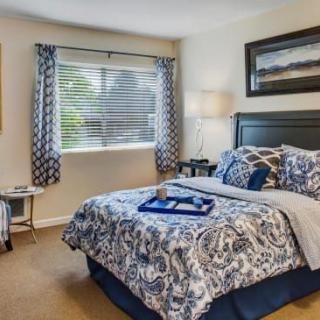
- The lodge feels like home—clean, organized, with home-cooked meals, cozy rooms, and pleasant yards.
- They decorate for holidays and accommodate special orders and desserts for residents.
- They take time to get to know residents and their families, reducing worry for loved ones.
- The care helps residents stay physically and mentally active, supporting mobility and social engagement.
- Communication is honest and prompt, even when topics are difficult.
- Residents and families feel welcomed, supported, and part of the family.
- The care at Bothell Way Lodge can extend quality of life and enable outings and social events.
- Families are grateful for the care, thoughtfulness, hard work, and love shown.
Review
Best suited for families seeking a small, homelike assisted living option in Bothell, this community delivers warmth and personalized care rather than a clinical, impersonal campus experience. The operation is a tightly run adult family home led by Felix and Carmen, with Carmen described as an experienced RN who provides substantive medical oversight alongside everyday support. Residents benefit from a welcoming, home-like atmosphere where routines feel flexible and familiar. The spaces read as cozy and well cared for, with clean, organized rooms and a sense that staff know each resident by name and preference. Home-cooked meals, thoughtfully decorated common areas, and holiday touches help residents feel settled and valued, while the yards offer light outdoor activity and a quiet place for social connection.
Those who should consider alternatives are families whose loved ones require robust, hospital-grade medical oversight or round-the-clock skilled nursing beyond what a small, family-run home can reliably sustain. Larger assisted living campuses with formal memory-care wings, more extensive on-site therapies, and a broader calendar of professional programming may better serve residents needing highly structured schedules, frequent nursing interventions, or a secured environment for advanced dementia. Similarly, families seeking a highly regimented, professionally managed setting with centralized administration and standardized services might find a larger operation preferable to a smaller, more intimate home. In short, the strongest fit rests with care needs that favor personalized attention over scale.
The major pros are substantial and clearly outweigh the potential drawbacks for the target resident. First, exceptional care stands out: owners and staff consistently display genuine concern, professionalism, and a quiet commitment to dignity and comfort. Cleanliness and a calm, organized environment reinforce trust, while staff actively pursue ways to keep residents physically and mentally engaged. The homey atmosphere enhances emotional well-being, with care that never feels rushed or transactional. Importantly, staff treat residents like family, and communication is honest and direct, even when topics are difficult. This blend of warmth and competence creates a foundation where families feel their loved ones are truly known and protected.
A decisive strength is the ability to tailor care within a small, responsive setting. Families report special attention to individual preferences, catering to dietary requests, arranging desserts, and adjusting routines to suit personal needs. The staff’s emphasis on keeping residents active, both cognitively and physically, translates into meaningful days rather than passive occupancy. Stories of long-term placements and positive outcomes further illustrate the value: a resident who regained mobility, an ability to participate in social outings, and even a sense of contentment expressed by a resident near end of life. These elements, consistency, personalization, and a genuine sense of belonging, are what many families will prize most.
Those same strengths illuminate the trade-offs with the perceived cons of a smaller home. The intimate setting means that families should not expect the breadth of specialized services found in larger facilities; resources are leaner, and access to a wide network of on-site therapists or advanced clinical programs may be limited. However, the trade-off is offset by rapid, direct communication and a level of attentiveness that can be difficult to obtain in bigger organizations. For many seniors, the security of a familiar routine, the comfort of a trusted caregiver team, and the reassurance that concerns are addressed promptly outweigh the advantages of greater institutional heft. The emotional quality of care, in this context, matters as much as the clinical.
For decision-making, practical steps align with the realities reflected in these experiences. Prospective families should schedule open-house visits to observe resident interactions and to meet Felix, Carmen, and the caregiving team. Inquire about staffing patterns, RN availability, and how emergencies or after-hours needs are handled. Assess the dining experience, room configurations, and the degree of personalization possible for meals and activities. Clarify costs, contract terms, and what respite or temporary stays look like, ensuring alignment with the anticipated level of care. Finally, evaluate whether the resident’s social goals, independence, and cognitive status fit the home’s strengths, recognizing that the most meaningful fit arises where care philosophy and daily life harmonize.
The bottom line is clear: for families prioritizing warmth, trust, and deeply personalized attention in a small, home-like setting, this Bothell community stands out as a strong option. The combination of experienced clinical oversight, loving staff, and a culture of family-like care creates a proven environment where residents can thrive emotionally and maintain dignity over time. Those with care needs that extend beyond what a family-run home can sustainably provide should explore alternatives with larger-scale resources and more comprehensive medical programming. In the right match, this community offers a rare, compelling blend of heart, competence, and continuity.
 Board and Care Home
 Cats allowed
 Dogs allowed
 Private
 Private bathrooms
 Seattle-Tacoma International (24 miles away)
 Diabetic care
 High acuity care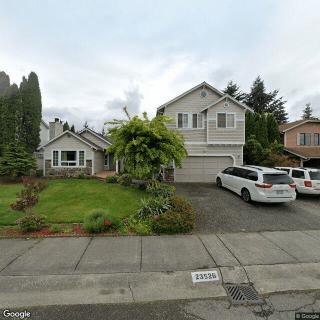

 Understanding the Nuances of Palliative Care and Hospice: A Comprehensive Exploration
 Fecal Incontinence in Older Adults: A Comprehensive Guide
 Nurturing Well-Being Through Gardening: A Detailed Guide for Senior Enthusiasts