
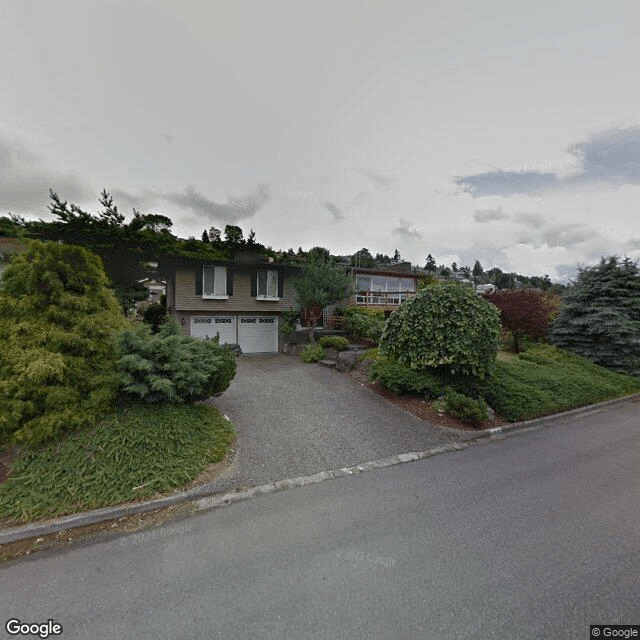
4430 - 134th Place SE, Bellevue, WA 98006
To contact a resident: (253) 332-9693
For more information about senior living options: (866) 208-4318
Somerset View Adult Family Home Costs & Pricing
Somerset View Adult Family Home offers a competitively priced option for private rooms at $1,650 per month, which stands in stark contrast to the significantly higher average costs in King County and the broader state of Washington. In King County, the average monthly cost for similar accommodations is approximately $5,034, while across Washington State it hovers around $4,772. This substantial difference highlights Somerset View's affordability and may appeal to those seeking quality care without the burden of exorbitant expenses, making it an attractive choice for families considering long-term care options.
| Floor plans | Somerset View Adult Family Home | King County | Washington |
|---|---|---|---|
| Private | $1,650 | $5,034 | $4,774 |
Memory care communities with a similar price nearby
-
from +$295 / mo
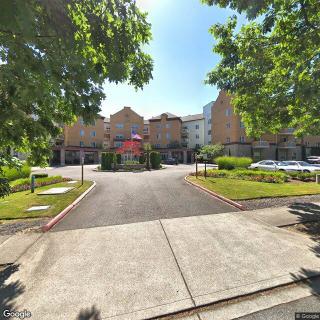
Chateau at Valley Center
$1,945 to $5,090 / month9.1 miles away -
from -$136 / mo
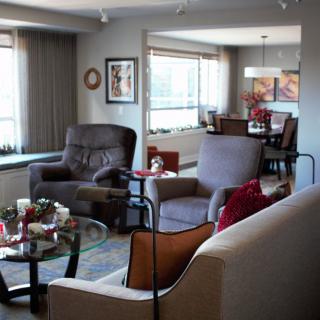
Horizon House
$1,514 to $7,200 / month8.4 miles away -
from -$90 / mo
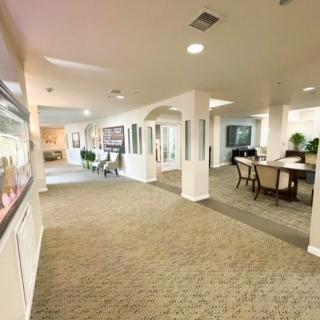
Chateau Pacific
$1,560 to $4,808 / month21.4 miles away -
from +$150 / mo
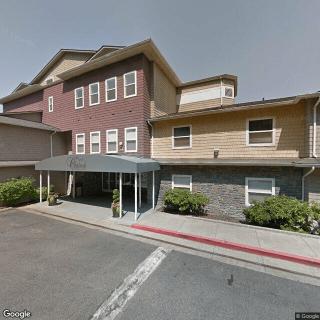
Chateau at Bothell Landing
$1,800 to $3,700 / month13.4 miles away -
from -$150 / mo
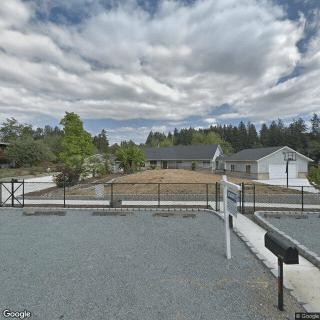
Adult Quality Care - Auburn
$1,500 to $3,000 / month19.6 miles away
Overall Review of Somerset View Adult Family Home
Pros
 The AFH is great and loving for residents and their loved ones.
- The facility provides personalized attention to each resident.
- The staff communicates regularly with families, keeping them informed and involved.
- Families can have peace of mind knowing their loved ones are in good hands.
- Medina Lakeview AFH is highly recommended for quality, dignity, and heartfelt care.
Cons
 None detected in the reviews.
Review
Somerset View Adult Family Home in Bellevue is best suited for families seeking an intimate, home-like setting where a loved one receives highly individualized attention and steady family involvement. The environment is clearly oriented toward personal relationships, with caregivers who know residents’ routines, preferences, and medical quirks, and where regular updates to relatives are standard. This is the choice for someone who values dignity, warmth, and consistent, hands-on care over campus size or clinical theatrics. For residents who require robust on-site nursing, comprehensive rehab services, or large-group programming, alternatives with more medical depth and a bigger footprint may be a better fit.
The strongest positives are personalized attention and frequent family communication. Families consistently note that residents are treated with warmth and that staff maintain open, regular contact to keep relatives informed and involved. That ongoing visibility translates into reliable oversight of daily routines, meals, safety, and changes in condition, delivering real peace of mind. When care plans are documented and followed with sensitivity, a smaller team can respond rapidly, avoiding the slow bureaucracy often found in larger facilities.
Emotionally, the setting matters as much as the care. Reviewers describe a loving AFH environment where quality, dignity, and heartfelt care are more than slogans. Residents tend to enjoy predictable routines, respectful interactions, and a sense of being seen as individuals rather than apartment numbers. The flip side of this warmth is that the scale of operation can limit certain services, fewer activities or specialists and less 24/7 clinical coverage compared with larger campuses. For families, the emotional rewards of this intimate atmosphere frequently outweigh these logistical constraints.
Those considering alternatives should weigh higher medical complexity or specialized memory-care needs. If memory care, complex wound care, persistent mobility challenges, or around-the-clock nursing supervision are priorities, a larger community with dedicated medical staffing and formal rehab programs may provide the safety and breadth of services that Somerset View cannot. Likewise, residents who crave expansive social programming, a wider calendar of outings, or on-site therapists and pharmacists may find that a bigger facility better aligns with their expectations and goals.
Yet the trade-offs tend to favor Somerset View for the right resident. The core advantages, personalized attention and proactive family communication, often compensate for the limitations inherent in a smaller setting. The dependable routines, steady caregivers, and intimate atmosphere typically produce better mood, reduced anxiety, and stronger trust among residents and families. The core question is whether the resident’s needs can be met within the care depth and activity bandwidth available; when they can, the homey, attentive environment becomes a practical, deeply reassuring choice over larger, more clinical options.
Grounding the decision in concrete terms helps families avoid surprises. Prospective residents should seek clarity on staffing levels by shift, the specifics of care plans for chronic conditions, and the ability to coordinate with external physicians. Important questions include how meals accommodate dietary restrictions, how activities are structured, and how visitation is managed. If the resident thrives on a predictable, personally attended routine and family involvement remains central, Somerset View stands out as a prudent, compassionate option. For those needing a more robust medical infrastructure or expansive social programming, it is wise to explore alternatives early in the decision process.
 Board and Care Home
 Memory Care
 Cats allowed
 Dogs allowed
 Private
 Seattle-Tacoma International (11 miles away)
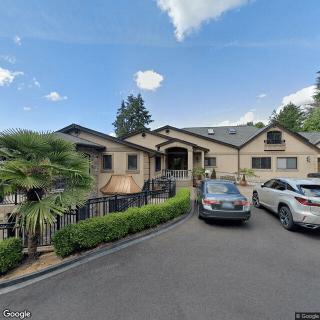
 How and When Medicaid May Cover Assisted Living Costs
 A Detailed Exploration of Assisted Living Medicaid Waivers Across the United States
 Exploring the Contrasts Between Assisted Living and Skilled Nursing