
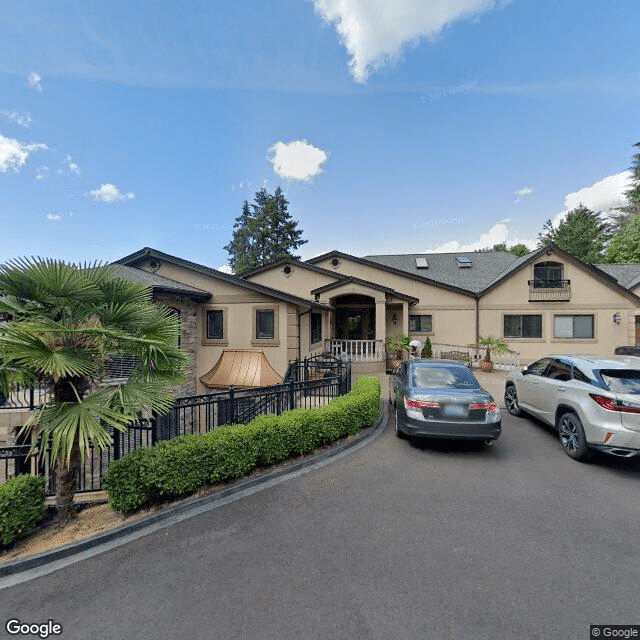
4766 130th Ave. SE 425-444-7735 cell, Bellevue, WA 98006
To contact a resident: (425) 643-1848
For more information about senior living options: (866) 208-4318
Progress Adult Family Home Costs & Pricing
Progress Adult Family Home offers competitive pricing for its private room option at $3,000 per month, which is significantly lower than the average rates found in King County and across Washington state. In King County, the monthly cost for a private room reaches approximately $5,034, while the state average stands at about $4,772. This positions Progress Adult Family Home as an attractive alternative for families seeking quality care without the financial strain typically associated with adult family homes in the region. The affordability combined with personalized care enhances its appeal to prospective residents and their families looking for supportive living arrangements.
| Floor plans | Progress Adult Family Home | King County | Washington |
|---|---|---|---|
| Private | $3,000 | $5,034 | $4,774 |
Senior living communities with a similar price nearby
-
from +$500 / mo
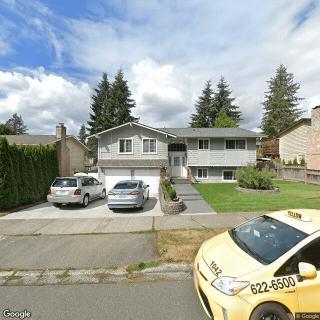
Dignity Life
$3,500 / month19.4 miles away -
from +$375 / mo
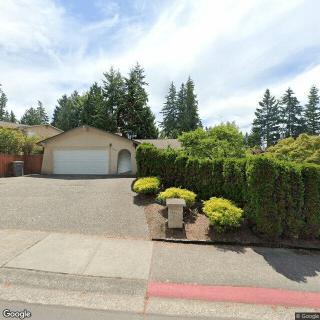
Evergreen Manor Senior Care Inc
$3,375 to $7,500 / month9.4 miles away -
About the same

Hummingbird Homecare
$3,000 / month20.9 miles away -
from -$200 / mo
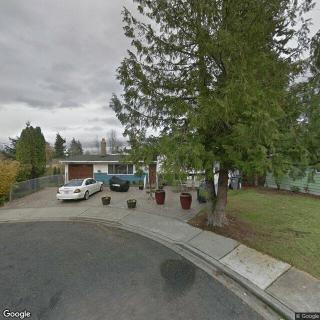
Gold Standard Care
$2,800 / month18.1 miles away -
About the same
Caring Adult Family Home #1
$3,000 / month14.2 miles away
Overall Review of Progress Adult Family Home
Pros
 Aspira Living Adult Family Home is warm, clean, and caring.
- The staff are attentive and truly committed to each resident’s well-being.
- It is a great choice for quality and personalized care.
- The owner is compassionate, heartfelt, and dedicated.
- The home feels like a true home, not just a facility.
- The meals are home-cooked, nutritious, and prepared with residents’ preferences in mind.
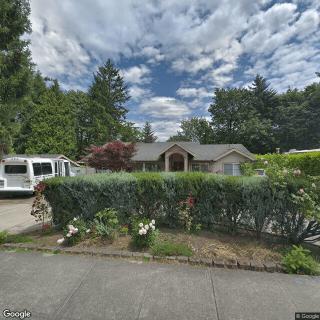
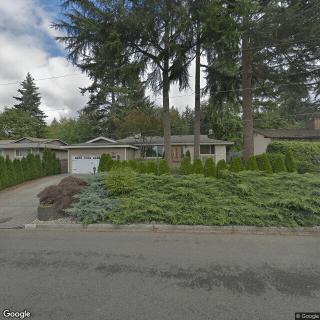
- The house is beautiful, homey, and well-maintained with plenty of light.
- Family communication is excellent and updates are provided regularly.
- The environment supports dignity, independence, privacy, and safety.
Cons
 They had a truly horrendous experience on Mercer Island before finding this home.
- There were very few staff members, as the family lived onsite and did the bulk of the caregiving.
Review
Aspira Living Adult Family Home in Bellevue is best suited for seniors and families who value a warm, home-like setting where care feels personalized, attentive, and deeply human. This community shines for residents who want dignity, independence, and individualized support woven into everyday life, not into a rigid schedule. It is particularly appealing for those requiring a spectrum of care, from independent living with light assistance to memory care or hospice support, delivered by a small, family-driven team. The owners are on-site and bring clinical know-how, which translates into consistent, responsive care that treats residents as individuals rather than as a number.
Those evaluating options should explicitly consider that this environment may not fit every family’s preference for a large, impersonal, highly-staffed campus. If the priority is a larger facility with a broad roster of caregivers, more formal programming, or round-the-clock, hospital-like medical supervision, other communities may be a better fit. Families seeking a highly standardized structure, extensive on-site medical protocols, or aggressive specialty care may find the smaller, family-run model less aligned with their expectations. A cautionary note from long-term observers is to weigh the trade-off between intimacy and scale when high-volume care and diversified clinical teams are important.
The strongest selling points are the remarkable warmth and consistent attention residents receive. The home is described as clean, welcoming, and thoughtfully maintained, with an atmosphere that feels safe and inviting rather than institutional. The caregiving team is characterized as compassionate, professional, and genuinely invested in each resident’s well-being. Communication with families is highlighted as easy and proactive, and meals are frequently praised as nutritious and home-cooked, reflecting a broader commitment to comfort and daily satisfaction. Residents benefit from intimate caregiver relationships, which helps preserve dignity and a sense of belonging.
Pros are particularly effective at offsetting potential drawbacks inherent in a smaller operation. While the staff may be limited in number and largely composed of the family owners and a small cadre of aides, this structure delivers extraordinary familiarity: the same caregivers tend to know residents’ routines, preferences, and histories, often resulting in quicker problem resolution and fewer misunderstandings. On-site RNs from the family bring clinical judgment directly to the bedside, reducing the feel of an anonymous staffing model. The physical setting, high ceilings, abundant natural light, accessible outdoor spaces, and a non-institutional décor, supports independence while maintaining safety, which is a meaningful offset to the trade-off of less scalable capacity.
Families should come prepared with practical questions to ensure alignment with needs. Inquire about caregiver-to-resident ratios during different shifts, weekend coverage, and how the home handles flare-ups in dementia or other high-acuity moments. Confirm the continuum of care and what happens as a resident’s needs evolve from independent with light assist to more intensive support. Discuss meal flexibility, activity options, and outdoor access to maintain engagement. Finally, verify the move-in process, ongoing transparency around care plans, and what back-up arrangements look like if the owners are temporarily unavailable. These specifics will help determine whether the intimate, family-led model remains a strength over time.
Bottom line: Aspira Living Adult Family Home represents a compelling, highly human choice for families seeking intimate, hands-on care delivered with warmth, consistency, and practical clinical know-how. It excels for residents who thrive on continuous caregiver relationships, home-style meals, and an environment that honors independence within a safe, supportive framework. For families prioritizing scale, routine institutional programming, or rigorous, 24/7 medical protocol breadth, alternatives with larger staffs and more formal structures should be considered. In the right fit, this Bellevue home can deliver peace of mind that lives at the center of daily life.
 Board and Care Home
 Cats allowed
 Dogs allowed
 Private
 Private bathrooms
 Seattle-Tacoma International (10 miles away)
 Diabetic care
 Christian services

 Understanding the Nuances of Palliative Care and Hospice: A Comprehensive Exploration
 Fecal Incontinence in Older Adults: A Comprehensive Guide
 Nurturing Well-Being Through Gardening: A Detailed Guide for Senior Enthusiasts