
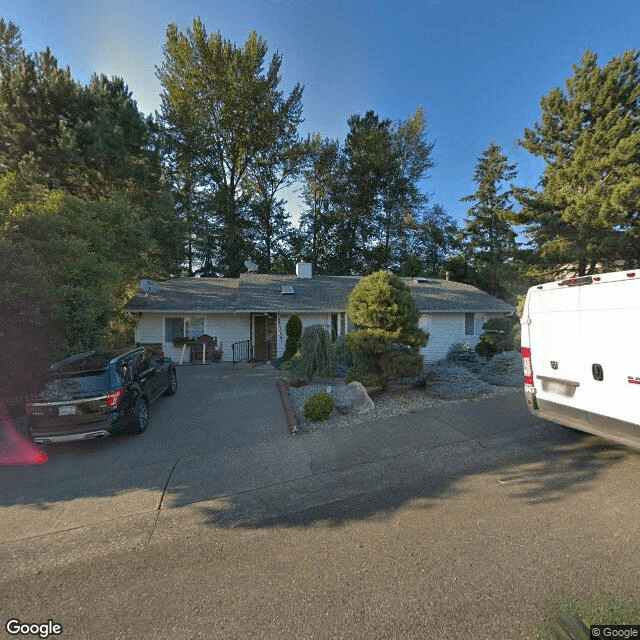
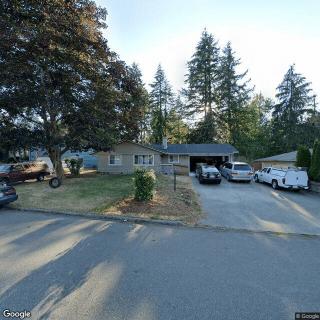
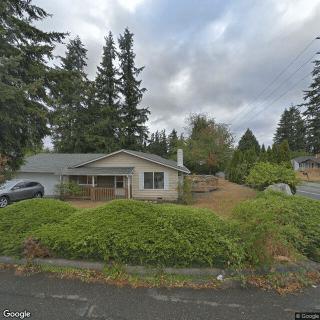
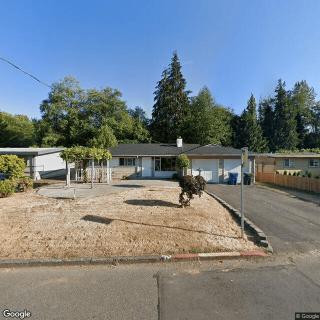
3728 S 284th Pl., Auburn, WA 98001
To contact a resident: (253) 813-1610
For more information about senior living options: (866) 208-4318
Harmony House AFH Costs & Pricing
Harmony House AFH offers competitive pricing for its residential care services, with monthly costs that are generally lower than the regional averages in King County and across Washington state. For a semi-private room, residents pay $4,000, which is significantly less than the King County average of $4,430 and the statewide average of $4,267. The private room rate at Harmony House is set at $4,500, also favorable compared to the higher cost of $5,034 in King County and $4,772 throughout Washington. Additionally, the one-bedroom option mirrors this value with a price point of $4,500 versus an average of $5,127 in King County while remaining below the state average of $4,632. Overall, Harmony House AFH provides quality care at more accessible rates than many comparable facilities within both the county and state.
| Floor plans | Harmony House AFH | King County | Washington |
|---|---|---|---|
| Semi-Private | $4,000 | $4,430 | $4,272 |
| Private | $4,500 | $5,034 | $4,774 |
| 1 Bedroom | $4,500 | $5,127 | $4,634 |
Memory care communities with a similar price nearby
-
from -$625 / mo
Evergreen Manor Senior Care Inc
$3,375 to $7,500 / month24.7 miles away -
About the same

Riverton Home Care
$4,000 to $5,000 / month9.0 miles away -
About the same
Gentle Care Home
$4,000 to $5,500 / month10.3 miles away -
from -$500 / mo

Twin Lakes Haven Adult Family Home
$3,500 to $8,000 / month4.2 miles away -
from -$500 / mo
Ahadi Care Adult Family Home
$3,500 to $4,000 / month14.2 miles away
Overall Review of Harmony House AFH
Pros
 Mark is warm and thoughtful.
- Lidiya, the caregiver at Harmony House, has been wonderful.
- Lidiya has guided the family through the process and kept them informed about changes in their mother-in-law's condition.
- Lidiya has been gentle with Carley and very understanding and helpful to the whole family in this sad time.
- The house is immaculate, and the ladies who live there seem happy and healthy.
- They hope it turns out as wonderful as it seems.
Cons
 Two days after she was moved there, she started to shut down and will probably pass sometime this weekend.
- They only wish they had moved their mother-in-law earlier.
- They had not even known their mother-in-law prior to the two days she had been there.
Review
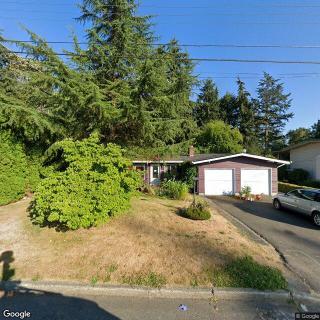
Harmony House AFH in Auburn, WA is best suited for families seeking a highly personalized, home-like environment for an elderly loved one with dementia or in need of end-of-life supportive care. The small, intimate setting supports consistent caregivers, predictable routines, and a clean, comfortable living space that reads as a well-managed residence rather than a formal institution. This option shines when the priority is direct caregiver connections, steady daily rhythms, and a environment that feels like a nurturing home.
Those who should consider alternatives include families prioritizing robust medical oversight, a full-time physician presence, or a broader menu of dementia programming. Larger assisted living communities or dedicated memory-care campuses often deliver more staff, layered clinical support, and structured activity calendars that can matter as disease progression accelerates. For residents who require intensive medical management or highly diverse programming, a bigger operation with deeper clinical resources may be a better fit.
Key pros are evident in the shared experiences: a pristine house, residents who appear content and engaged, and a caregiving team that demonstrates warmth, steadiness, and accessibility. A standout example is Lidiya, described as gentle, informative, and deeply involved with both the resident and family, serving as a reliable anchor during challenging transitions. The overall atmosphere, meticulous upkeep, respectful treatment, and staff who address family concerns promptly, builds a foundation of trust that matters when navigating dementia care decisions.
The main cons to weigh are limited by the small amount of published observation: two family experiences, with no long-term performance data or broader staff-spectrum information. There is also a sobering reminder that transitions can destabilize someone with advanced dementia, underscoring the importance of careful transition planning and coordinated medical oversight. Without explicit details on staffing ratios, night coverage, or on-site clinicians, potential residents should verify the level of medical integration and the processes in place for emergencies and rapid changes in condition.
In practical terms, the positives offset the drawbacks through a clear, hands-on care culture. A well-kept home and a resident population that looks satisfied signal effective daily routines and attentive housekeeping. The presence of a caregiver who guides families through difficult news and keeps everyone informed translates into tangible reassurance when a loved one’s status shifts. That combination, exceptional personal attention paired with transparent communication, often matters more than a larger staff or more formal program in the context of dementia care.
Ultimately, Harmony House AFH stands out for families seeking intimate, compassionate care delivered in a home environment with remarkably responsive staff and straightforward family communications. Its strongest value lies in the warmth and steadiness offered by a committed caregiver team, paired with a clean, peaceful living space. For families needing deeper clinical resources, a larger memory-care setting may be preferable. For those prioritizing individualized attention, a calm atmosphere, and proactive family involvement, Harmony House is a practical, prudent choice.
 Board and Care Home
 Memory Care
 Cats allowed
 Dogs allowed
 Activities off-site
 Beautician on-site
 Devotional services on-site
 Indoor common areas
 Outdoor common areas
 Private
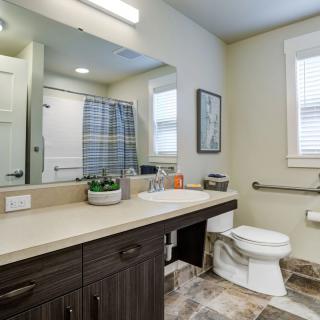
 Private bathrooms
 Respite or short term stays offered
 Wheelchair accessible showers
 Seattle-Tacoma International (7 miles away)
 Diabetic care
 High acuity care
 Incontinence care
 Medication management
 Kosher
 Christian services

 Vibrant Senior Living: A Comprehensive Guide for Active Older Adults
 Assisted Living and Memory Care: Understanding Their Core Differences
 Choosing the Right Senior Care: A Detailed Exploration of Assisted Living and Nursing Homes