
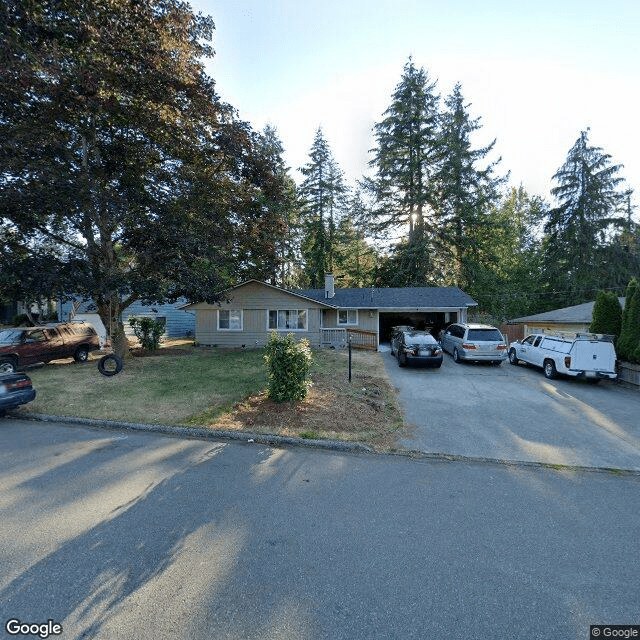
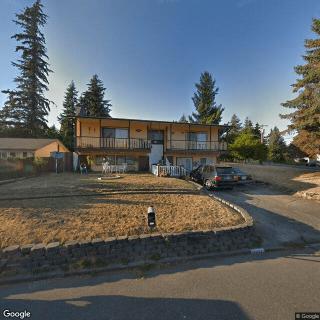
28849 38th Ave. So, Auburn, WA 98001
To contact a resident: (253) 946-1151
For more information about senior living options: (866) 208-4318
Advantage Adult Family Home Costs & Pricing
Advantage Adult Family Home offers competitively priced accommodation options compared to the broader market in King County and across Washington state. For semi-private rooms, residents pay $2,500 per month, which is significantly lower than the county's average of $4,430 and the state average of $4,267. Private rooms are available at a monthly rate of $3,500, again presenting a more affordable choice compared to King County's average of $5,034 and Washington state's average of $4,772. Additionally, studio apartments are offered at the same rate as private rooms - $3,500 - which is less than both the county's $4,464 and state's $4,126 averages. This pricing structure positions Advantage Adult Family Home as an appealing option for individuals seeking quality care without compromising their financial stability.
| Floor plans | Advantage Adult Family Home | King County | Washington |
|---|---|---|---|
| Semi-Private | $2,500 | $4,430 | $4,272 |
| Private | $3,500 | $5,034 | $4,774 |
| Studio | $3,500 | $4,464 | $4,128 |
Memory care communities with a similar price nearby
-
About the same
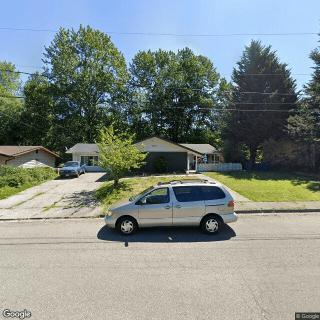
Freedom Care
$2,500 to $3,000 / month8.1 miles away -
from -$163 / mo

Marine Courte Memory Care
$2,337 to $3,228 / month23.8 miles away -
from +$150 / mo
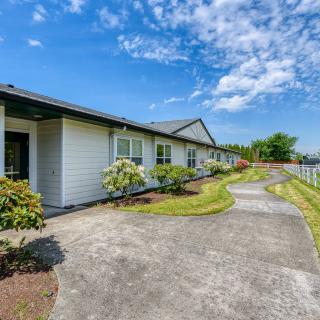
Heritage House Buckley
$2,650 to $3,250 / month17.0 miles away -
About the same
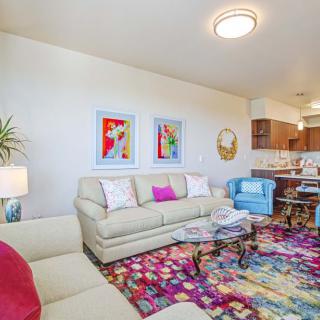
Merrill Gardens at Renton Centre
$2,495 to $5,475 / month10.4 miles away -
About the same
Merrill Gardens at Tacoma
$2,500 to $5,400 / month13.4 miles away
Overall Review of Advantage Adult Family Home
Pros
 The staff take very good care of residents.
- Residents receive great home-cooked meals.
- Residents can enjoy their favorite TV shows.
- The place is highly recommended for those who need to be well taken care of.
- It earns a five-star rating.
Review
Advantage Adult Family Home in Auburn is best suited for families seeking a highly personalized, home-like senior-care experience where staff forge real relationships and daily routines feel comforting and predictable. The setting reads as a true family-style home rather than a clinical campus, with care that centers on attentiveness, warmth, and reliable supervision. For loved ones who thrive when familiar faces know their preferences and meals are prepared with care, this community delivers a reassuring rhythm, home-cooked meals, quiet consistency, and staff who watch over daily needs with a steady hand. The palpable dedication from Margaret, John, and the rest of the team underpins a caregiving dynamic that many families prioritize when choosing care.
That said, opportunities and limits exist, and families evaluating options should consider who might want alternatives. Residents requiring intensive medical oversight, complex memory-care needs, or a more expansive social calendar may find a larger, more facility-like setting better aligned with those demands. Likewise, families seeking abundant on-site programming, multiple care partners around the clock, or heightened structured supervision might prefer a community with more resources and a broader array of services. Advantage AFH’s strength in intimate, individualized care can feel insufficient for those insisting on a wide breadth of activities or rapid access to specialized care teams. In such cases, touring other options will reveal meaningful differences in scale and service breadth.
The reviews highlight three core advantages that substantiate the recommendation to families: staff excellence, meals, and a home-like atmosphere. Families credit Margaret and John, and the supporting staff, with taking excellent care of their loved ones, delivering attentive, respectful, and predictable daily oversight. The praise for home-cooked meals transcends nourishment, signaling respect for preferences, texture, and the comfort of familiar flavors. Equally important is the chance for residents to enjoy favorite pastimes, like TV shows, in a setting that feels safe and welcoming. In combination, these strengths create a fortified sense of well-being: residents are tended to consistently, meals reinforce dignity and pleasure, and familiar routines reduce anxiety and confusion.
With these pros in mind, the primary benefits offset many potential drawbacks associated with small, family-style homes. The close-knit staff-to-resident relationships foster accountability and faster response times, as caregivers know each resident’s preferences, temperaments, and medical cues. Home-cooked meals and routine-driven days contribute to stability, minimizing stress for both residents and families during transitions. For those who worry about feeling like “just another room number,” Advantage AFH offers a level of personalization and visible care continuity that larger facilities struggle to replicate. The downside, potential limits on social programming or available specialists, often appears less onerous when the priority is dependable, compassionate care and a comfortable, dignified daily life.
In practical terms, families should weigh whether a smaller, caregiver-focused environment aligns with current needs and future planning. If the loved one values predictable meals, familiar surroundings, and the reassurance of caregivers who know their routines, Advantage AFH delivers convincingly. If, however, there is a strong expectation for a broad activity calendar, advanced medical management on demand, or rapid access to a wide range of specialists, alternatives may offer a better fit. The absence of explicit drawbacks in the feedback does not negate the importance of aligning care settings with changing health status and social needs. Prospective residents should prioritize a firsthand visit to observe interactions, test mealtime experiences, and meet the team in person.
Bottom line: Advantage Adult Family Home stands out for families prioritizing intimate, attentive care, home-style nourishment, and staff who treat residents like family. It is an especially strong match for those who value stability, personalized attention, and a comforting, private-feeling environment. Those seeking a bustling, highly resourced campus, or requiring extensive medical coordination, should confidently explore alternatives that offer broader services. A direct visit to meet Margaret, John, and the team will reveal whether the daily reality aligns with hopes. For the right fit, the recommendation is clear: this Auburn home rates highly for practical, compassionate care that honors dignity and everyday life.
 Board and Care Home
 Memory Care
 Private
 Seattle-Tacoma International (7 miles away)

 A Holistic Dementia Care Guide: Effective Strategies for Memory Support
 Memory Care Pathways: A Holistic Guide to Dementia Support
 Comprehending Evening Confusion in Dementia: Causes, Manifestations, and Support