
2605 Forest Ridge Dr SE, Auburn, WA 98002
To contact a resident: (206) 413-1955
For more information about senior living options: (866) 208-4318
Buena Vista Adult Family Home Costs & Pricing
Buena Vista Adult Family Home offers competitive pricing when compared to both King County and the broader state of Washington. For private rooms, residents can expect a monthly cost of $3,000, which significantly undercuts the average in King County at $5,034 and the state average of $4,772. Similarly, for one-bedroom accommodations, Buena Vista's rate of $4,000 is markedly lower than the county's $5,127 while still remaining slightly above the state average of $4,632. This positions Buena Vista as an appealing option for those seeking quality adult family care without the premium pricing typically seen in the region.
| Floor plans | Buena Vista Adult Family Home | King County | Washington |
|---|---|---|---|
| Private | $3,000 | $5,034 | $4,774 |
| 1 Bedroom | $4,000 | $5,127 | $4,634 |
Memory care communities with a similar price nearby
-
About the same

Hummingbird Homecare
$3,000 / month3.8 miles away -
About the same
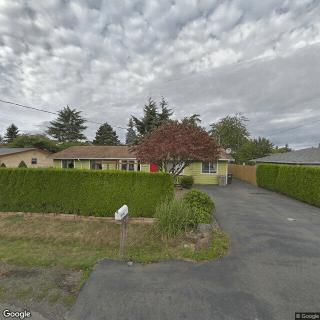
Home Care in Kent Inc.
$3,000 to $3,500 / month6.0 miles away -
from +$500 / mo

Twin Lakes Haven Adult Family Home
$3,500 to $8,000 / month8.4 miles away -
from -$500 / mo
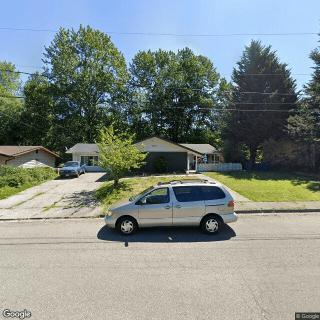
Freedom Care
$2,500 to $3,000 / month10.1 miles away -
from +$500 / mo
Ahadi Care Adult Family Home
$3,500 to $4,000 / month11.7 miles away
Overall Review of Buena Vista Adult Family Home
Pros
 Buena Vista provided incredible care during the mother’s two years there.
- The staff are kind and attentive, and work with residents and families to address complex care needs as they arise.
- They stayed by her side every step of the way.
- Families felt reassured by the placement, with worries about care quality lifted.
- The manager is an advocate for residents and cares deeply for clients and staff.
- Hospital staff noted that her skin was in immaculate condition, reflecting the high quality of care at Buena Vista.
- Buena Vista comes highly recommended to families seeking an AFH.
Review
Buena Vista Adult Family Home in Auburn, WA is best suited for families who want exceptionally hands-on, compassionate care for a loved one with complex medical needs, delivered in a small, intimate setting. The story of care here centers on kind, attentive staff who stay with residents through evolving challenges, and a manager who serves as a true advocate for both clients and caregivers. This environment excels at providing near-constant oversight, problem-solving support as conditions shift, and reassuring presence for families watching from a distance. The emphasis on personal attention, down to meticulous skin care and close collaboration with hospital teams, creates a sense of continuity and security that many families seek when medical needs are persistent and intricate.
Those who should consider alternatives are those who prioritize broader medical resources, more structured clinical oversight, or a wider array of activities and services that come with larger campuses. An AFH like Buena Vista may feel limiting for residents who require frequent on-site physician rounds, more expansive rehabilitation services, or a robust, all-day activity program designed to engage a larger community. For families seeking such comprehensive medical infrastructure, or a facility with a larger staff to resident ratio across multiple specialty teams, exploring other assisted living or skilled nursing options may yield a closer match to those expectations.
The strongest pro, a consistently warm, responsive care team, strongly offsets potential downsides in this setting. Staff kindness and attentiveness translate into steady day-to-day management of fragile conditions, with proactive problem solving as needs arise. The manager’s advocacy is repeatedly highlighted as a key asset, ensuring that concerns are communicated, decisions are made in the resident’s best interest, and hospital collaborations stay aligned with the care plan. This combination often means fewer moments of doubt for families and a clearer path through medical fluctuations, which matters greatly when hospitalizations are part of the resident’s trajectory. In practical terms, the attentiveness and advocacy can reduce caregiver burnout and enhance trust in the care team, even when clinical complexity remains high.
One notable implication of the experience is that excellence in personal care does not eliminate medical risk; hospitalizations occurred despite exemplary care. That reality, however, is framed not as a failure of Buena Vista but as a reflection of the resident’s medical fragility. In this light, the true offsetting strength lies in the team’s ability to stay by the resident’s side, coordinate with hospital staff, and keep families informed and reassured. The pristine skin condition cited by hospital staff, an observable indicator of diligent preventive care, further reinforces the value of meticulous attention to daily routines, skincare, and timely response to changes in condition. For families weighing risk versus reassurance, these elements provide meaningful peace of mind.
For families evaluating a move, practical next steps matter. Ask about the resident-to-staff ratio and how it shifts across times of day, how individualized care plans are developed and updated, and who is responsible for coordinating medical communications with external providers. Inquire about daily schedules, recreational offerings, and opportunities for family involvement in care planning. Seek an opportunity to meet the manager and frontline caregivers to gauge consistency, warmth, and clarity in communication. Understanding how transitions to hospital or emergency care are managed can reveal whether Buena Vista’s strengths align with the resident’s needs and the family’s expectations for ongoing advocacy.
In the end, Buena Vista stands out as a strong choice for households prioritizing intimate, highly attentive care with an advocate-led care model. It excels for residents whose needs require continuous hands-on management, a calm, reassuring presence, and close collaboration with families and hospital teams. Families whose priorities include a broader medical footprint, extensive memory-care programming, or a larger community scale may want to consider alternatives. The decision should hinge on recognizing the value of personal attention and advocacy against any desire for a more expansive clinical infrastructure, ensuring the fit will deliver lasting confidence as care needs evolve.
 Board and Care Home
 Memory Care
 Seattle-Tacoma International (12 miles away)

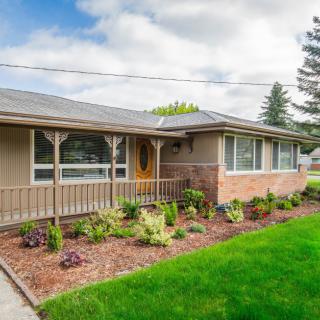
 Exploring the Power of Reminiscence Therapy for Individuals With Dementia
 An In-Depth Look at Reminiscence Therapy in Dementia Care
 Dementia-Related Hallucinations: Causes, Experiences, and Practical Approaches