
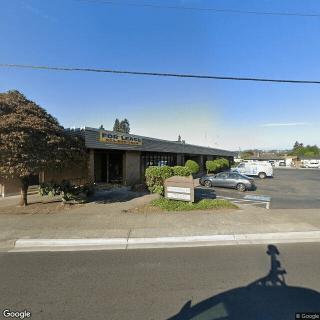
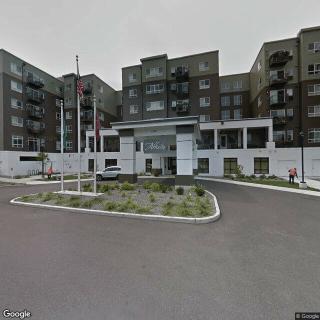
2738 Alpine Dr SE, Auburn, WA 98002
To contact a resident: (253) 266-8212
For more information about senior living options: (866) 208-4318
Alpine Drive Adult Family Home Costs & Pricing
Alpine Drive Adult Family Home offers a competitive pricing structure for its residents, with a monthly cost of $6,000 for both private and one-bedroom accommodations. This rate is notably higher than the average costs in King County, which stand at approximately $5,034 for private rooms and $5,127 for one-bedroom units. Furthermore, when compared to the broader state average of Washington, which is around $4,772 for private rooms and $4,632 for one-bedroom options, it becomes clear that Alpine Drive positions itself at a premium price point. This may reflect the quality of care and personalized services provided at this facility, catering to those seeking enhanced living experiences in a supportive environment.
| Floor plans | Alpine Drive Adult Family Home | King County | Washington |
|---|---|---|---|
| Private | $6,000 | $5,034 | $4,774 |
| 1 Bedroom | $6,000 | $5,127 | $4,634 |
Memory care communities with a similar price nearby
-
from -$500 / mo

Twin Lake Adult Family Home
$5,500 to $6,500 / month8.7 miles away -
About the same
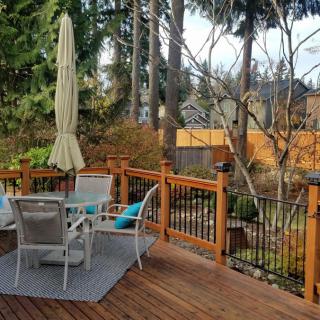
Blue Horizon Adult Family Home
$6,000 to $7,000 / month9.8 miles away -
from +$500 / mo
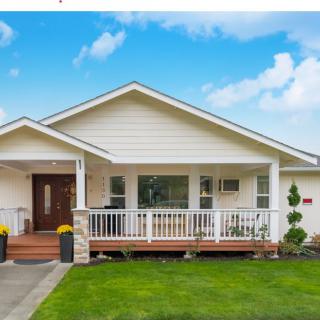
Silver Creek Adult Family Home
$6,500 to $7,000 / month10.2 miles away -
About the same

Harbor View Adult Family Home
$6,000 to $6,500 / month9.7 miles away -
from +$500 / mo
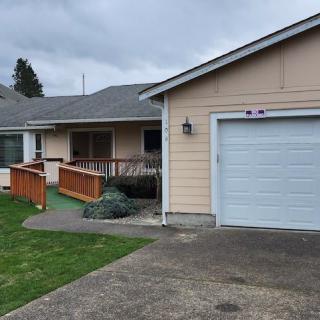
Homebridge Adult Family Home
$6,500 to $8,000 / month15.5 miles away
Overall Review of Alpine Drive Adult Family Home
Pros
 The staff are kind and take great care of Mom.
- Their caring attention is clearly appreciated.
- The caregivers provide thoughtful, attentive service.
Review
Alpine Drive Adult Family Home in Auburn is best suited for families seeking a genuinely intimate, home-like setting where caregivers know residents personally and provide steady, everyday support. This community shines when the priority is warmth, attentiveness, and a sense of belonging rather than a resort-style experience. It is a fit for a resident who needs help with daily tasks and dependable oversight, but does not require round-the-clock, hospital-level medical services. For families prioritizing a close-knit caretaker relationship and a calm, familiar environment, Alpine Drive offers meaningful peace of mind.
Those weighing alternatives should consider the needs of residents with higher medical acuity. If there is a requirement for regular on-site skilled nursing, complex wound care, substantial mobility assistance, or dementia care with highly structured programming, a larger assisted living or memory-care community may be a better match. Families seeking abundant on-site amenities, extensive activity calendars, or robust transportation options might also explore other options. In short, Alpine Drive benefits those who value personal attention over volume of services, and may fall short for those who require expansive clinical resources.
The most compelling pro is the demonstrated caregiving quality. The resident’s family expresses deep gratitude for the staff’s care, signaling reliable, compassionate attention that translates into comfort and security for a loved one. That level of attentiveness often leads to quicker responses to needs, better adherence to daily routines, and a sense of safety that can be hard to find in larger settings. A small, home-like environment naturally promotes stronger relationships between residents and caregivers, which in turn supports consistent routines and easier communication for families.
On the downside, the constraints inherent in a smaller adult family home warrant careful consideration. Limited staff capacity and the smaller scale of operation can translate into fewer on-site medical resources and less formal programming than larger facilities. Potential gaps may exist in round-the-clock supervision, access to specialized therapies, or a broad menu of social activities. While not stated explicitly, these are common trade-offs in intimate AFH settings, and they deserve direct confirmation through questions about staffing patterns, nursing availability, care planning, and activity options before making a commitment.
The real value at Alpine Drive hinges on balancing the strengths against these typical limitations. For families prioritizing genuine caregiver rapport, predictable daily rhythms, and a homey atmosphere, the pros, professional warmth, consistent attentiveness, and a trusting environment, can substantially offset the absence of extensive medical services or extensive programming. The setting rewards residents who respond well to close caregiver relationships, consistent routines, and the comfort of being known. In practical terms, this means quicker, personalized support and fewer strangers in daily care, which often reduces stress for both resident and family during ongoing care.
Practical next steps involve targeted inquiries and, if possible, a visit. Ask who handles medications and how often a nurse is on-site, what the daily schedule looks like, and how meals are planned and adjusted for dietary needs. Inquire about memory- or mobility-specific supports, activity options, and how residents can participate in outings or visits from family. Clarify transition processes, trial stays, and the flexibility of resident placement as needs evolve. When warmth and personal attention are non-negotiable, Alpine Drive delivers a compelling, well-suited option; when a resident requires broader medical oversight, extensive specialized programming, or a wider array of amenities, it warrants comparing additional communities to ensure the right fit.
 Board and Care Home
 Memory Care
 Private
 Seattle-Tacoma International (12 miles away)
 Comprehensive Guide to VA Nursing Homes: A Crucial Long-Term Care Resource for Veterans
 Estimating the Expenses of At-Home Dementia Care: A Detailed Exploration
 Comprehensive Insights on the Late Stages of Dementia: What to Expect and How to Provide Care