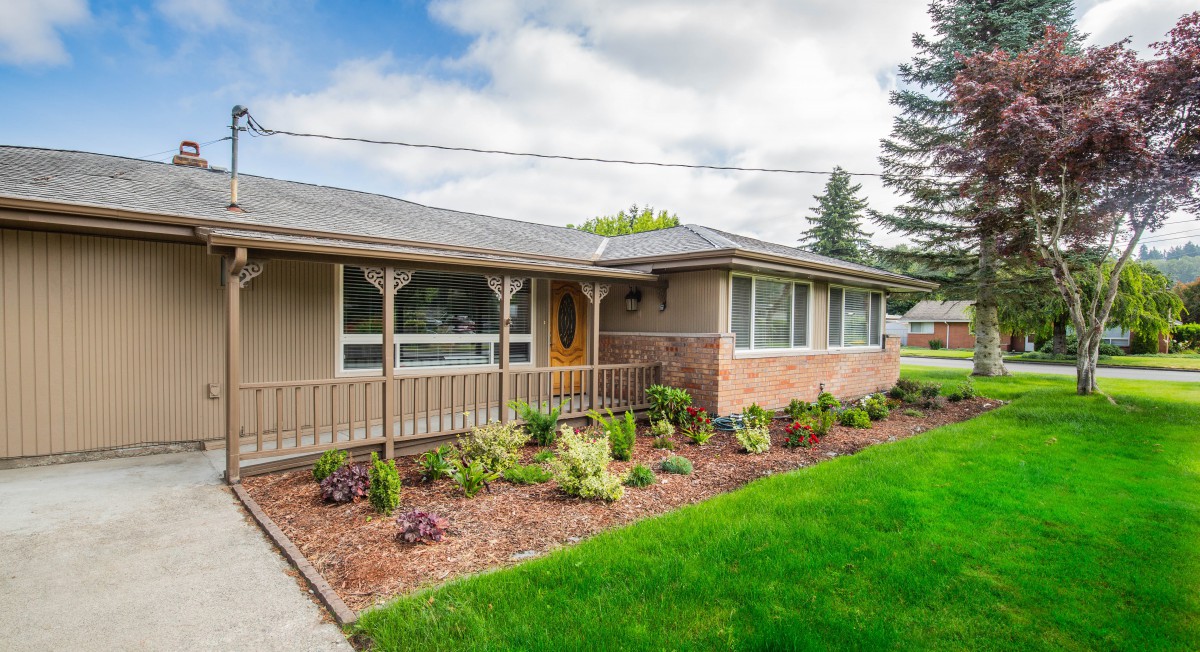
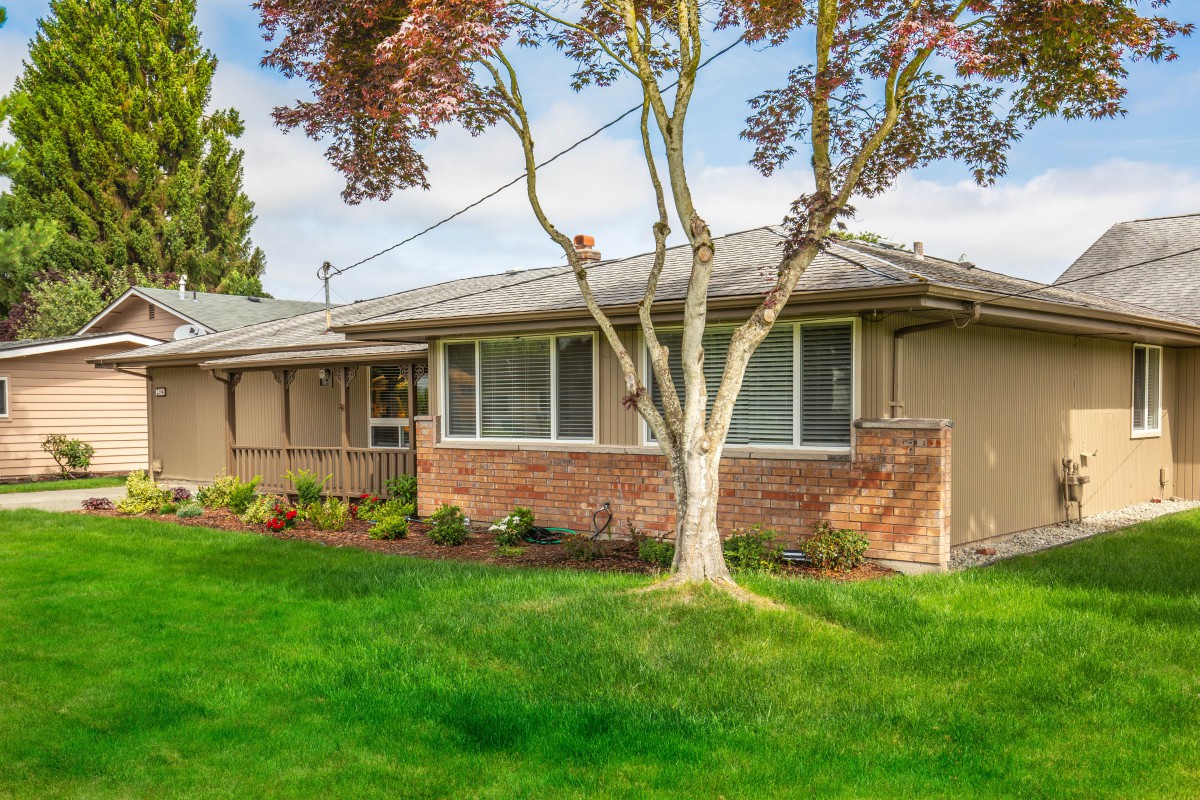
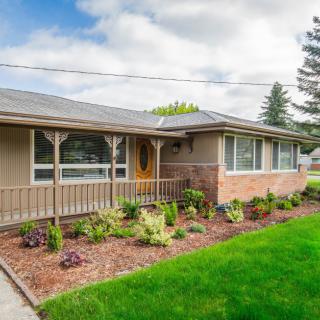
1413 12th St NE, Auburn, WA 98002
To contact a resident: (206) 335-1351
For more information about senior living options: (866) 208-4318
All Saints Adult Family Home - Auburn Costs & Pricing
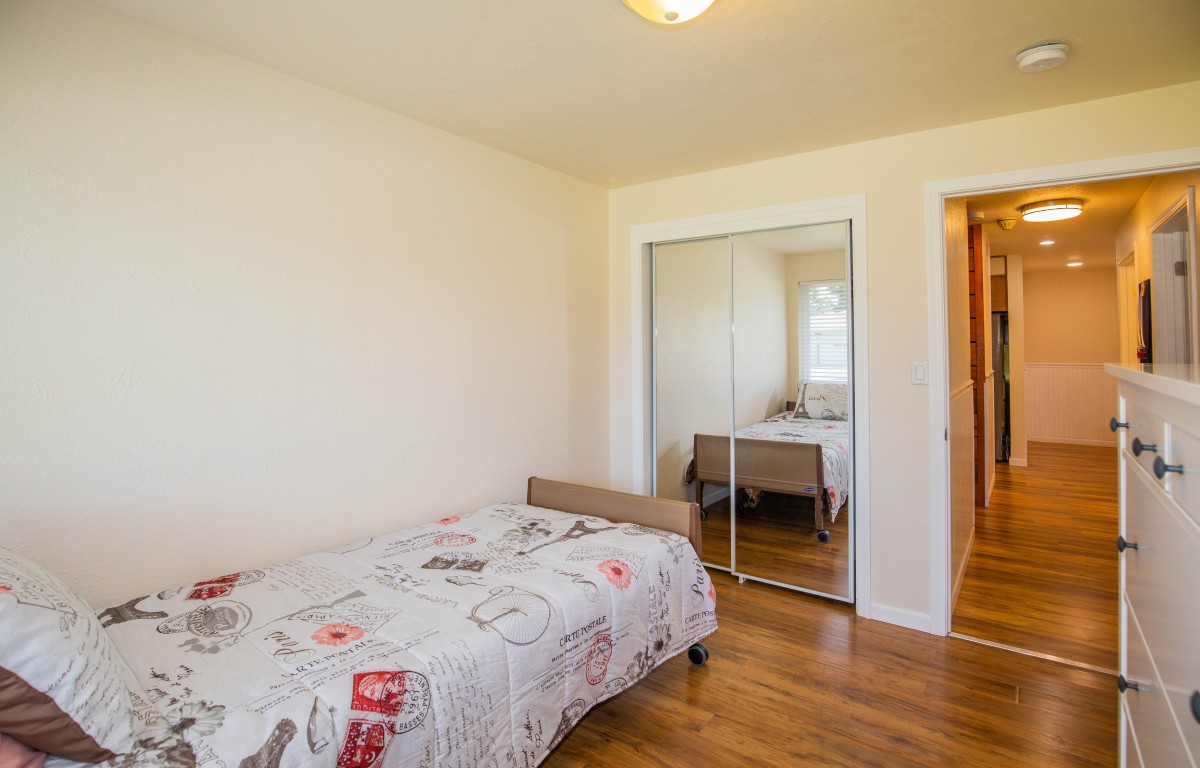
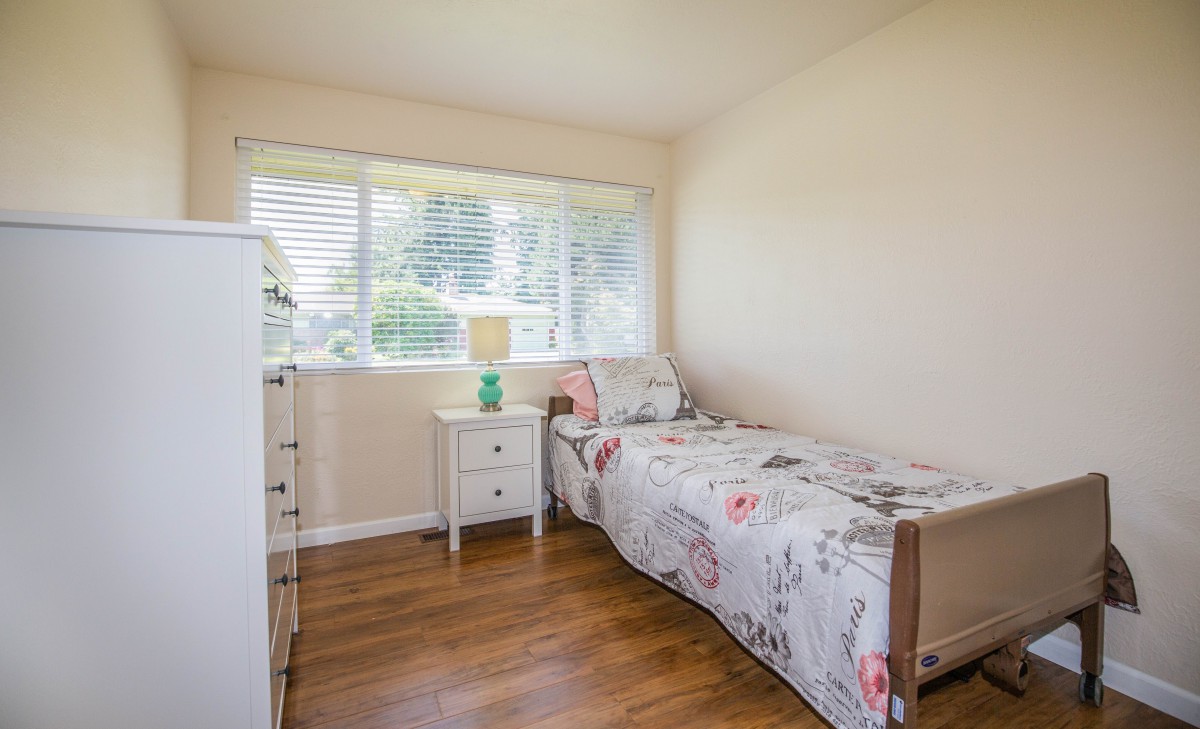
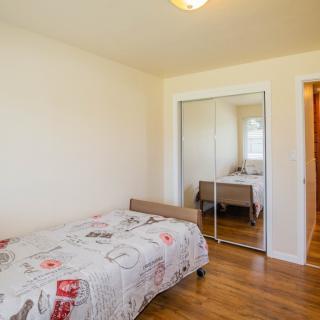
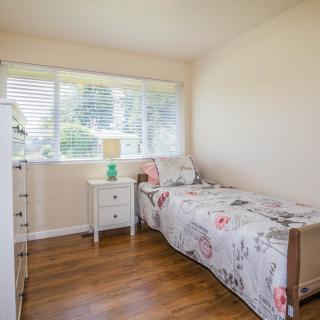
All Saints Adult Family Home in Auburn offers private rooms at a monthly rate of $6,000, which is notably higher than the average costs seen in both King County and the broader state of Washington. Specifically, King County has an average cost of $5,034 for similar accommodations, while the state averages around $4,772. This pricing reflects the unique services and personalized care provided at All Saints Adult Family Home, catering to individuals seeking a supportive and comfortable living environment. The facility's premium may be indicative of high-quality amenities and specialized attention that residents can expect during their stay.
| Floor plans | All Saints Adult Family Home - Auburn | King County | Washington |
|---|---|---|---|
| Private | $6,000 | $5,034 | $4,774 |
Senior living communities with a similar price nearby
-
from +$400 / mo

The Park at Belle Harbour
$6,400 to $15,500 / month22.6 miles away -
from -$500 / mo

Twin Lake Adult Family Home
$5,500 to $6,500 / month8.7 miles away -
from +$1000 / mo
Fairwood Care Home
$7,000 / month10.8 miles away -
from +$1000 / mo
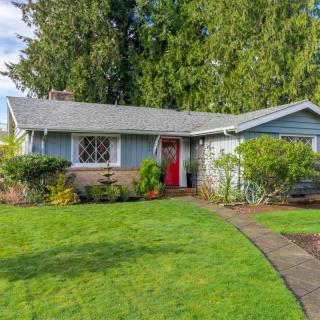
Gloria's House Adult Family Home
$7,000 / month14.3 miles away -
About the same
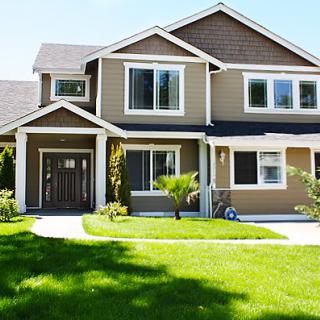
Valley Senior Care Center
$6,000 to $7,000 / month13.4 miles away
Overall Review of All Saints Adult Family Home - Auburn
Pros
 They provide exceptional, attentive care for residents, going above and beyond.
 - They bathe residents every day, a standard rarely seen in senior care.
- The home is absolutely spotless.
- Meals are prepared and eaten together with families and staff.
- They inspire trust in caring for loved ones.
- They have a genuine passion for caregiving and treat residents like family.
- The environment feels like home, offering comfort and familiarity.
- The team shares a mission for quality life and is well-versed in dementia care.
Review
All Saints Adult Family Home in Auburn is best suited for families seeking a tightly knit, home-like setting where care feels personal and integrity guides every shift. This community shines for seniors who prize relentless cleanliness, daily personal care, and meals that feel familial rather than institutional. The operation’s intimate size means residents are known individually, and staff quickly tailor routines to preferences. Dementia care is handled with specialized competence, and the environment supports dignity and steady routine through purposeful mornings and consistent attention. For someone who values a domestic, family-forward atmosphere, where meals are shared and caregivers act as extended family, this setting becomes a compelling fit.
That said, this is not the right choice for everyone. The home currently operates with a small, male-leaning resident population, which can limit social dynamics for families seeking a co-ed environment or women residents. Prospective adopters should verify current demographics and reach an explicit understanding about whether a female loved one would be comfortable in this arrangement. For families requiring a larger community, more diverse social opportunities, or stronger on-site medical staffing, alternatives with broader capacity and different resident rosters will likely serve better.
The strongest pros neatly offset potential downsides. The day-to-day emphasis on thorough personal care, bathed residents every day, spotless surroundings, and meals prepared with a home-cooked cadence, delivers a level of trust and reliability hard to match in larger homes. The owner’s evident care and the staff’s shared mission translate into a predictable, respectful culture where quality of life is the primary objective. The small, home-like setting fosters close relationships, which in turn strengthens monitoring for dementia-related needs, reduces anxiety for residents, and supports meaningful engagement through daily exercises and tailored activities.
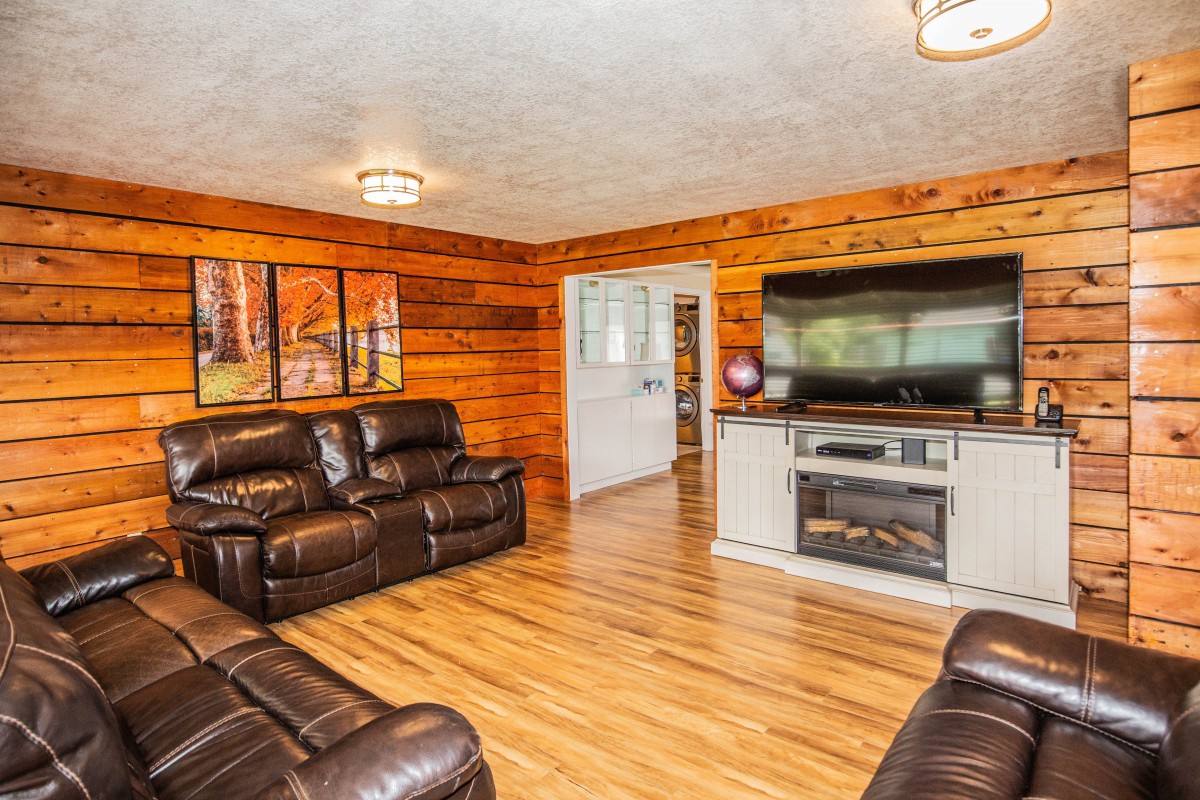
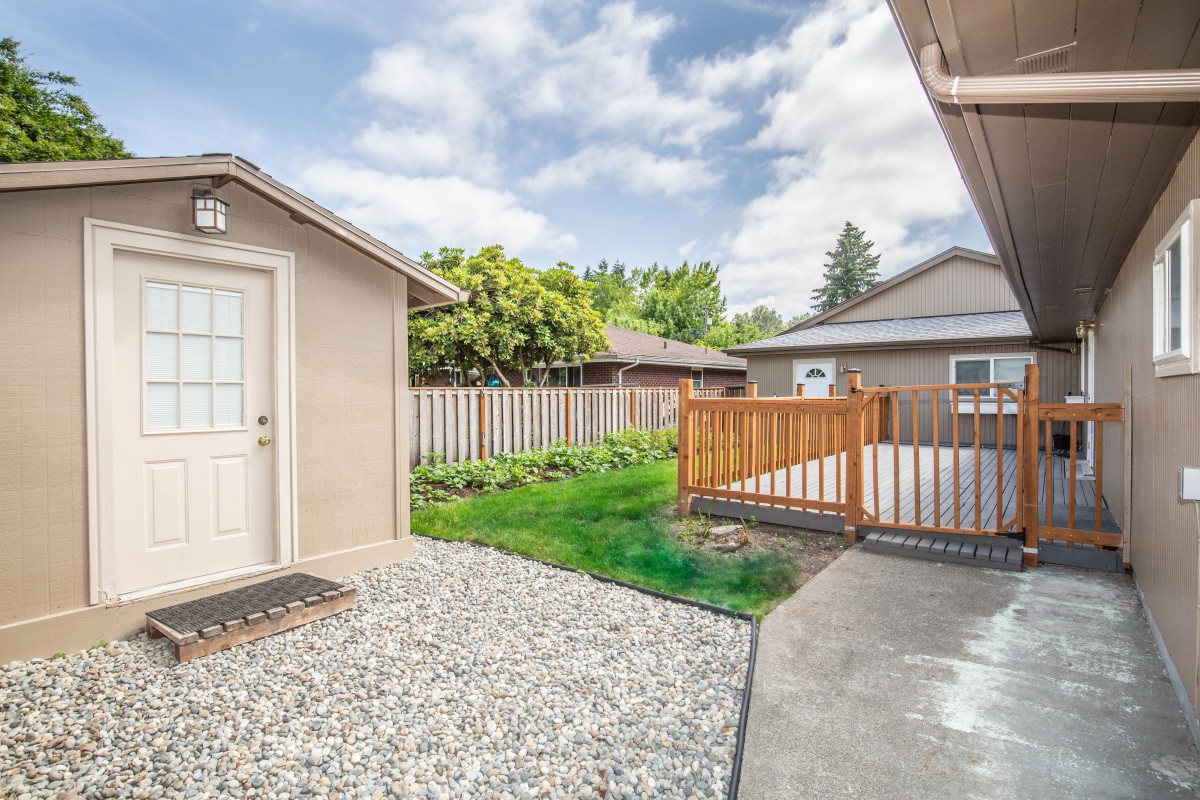
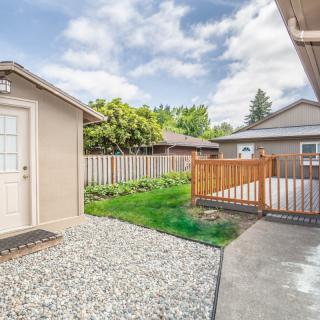
Complementing the core strengths are practical conveniences that families value. Exercise routines every morning establish a healthy rhythm, meals cooked to order underscore responsiveness to preferences, and the enclosed backyard and garden provide safe outdoor variety without sacrificing security. The ambience feels like a true home, not a facility, with a strong emphasis on trust, courtesy, and consistency. The intimate scale often means fewer staff transitions and a higher likelihood that caregivers remember personal histories, triggers, and preferences, all of which are especially meaningful for memory-impaired residents.
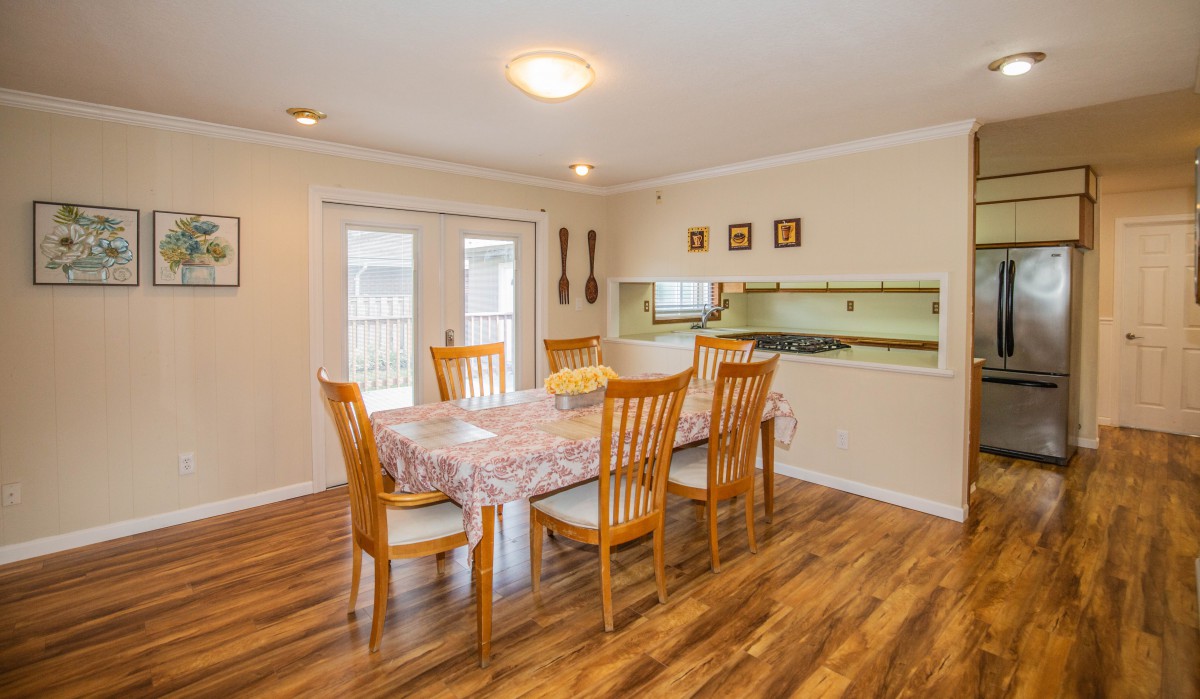
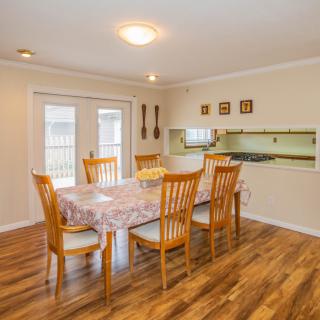
Families evaluating this option should approach with a concrete checklist. Confirm staffing levels and caregiver-to-resident ratios, especially during peak hours and evenings. Ask for a clear dementia care plan that outlines routines, activities, and daily monitoring. Inquire about gender demographics and how the home handles potential shifts in resident composition. Tour the kitchen and dining area to assess how meals are customized and whether family involvement in meals can be accommodated during visits. Finally, align expectations about social opportunities, if a richer social calendar or gender-diverse peers matter, plan for alternatives as a contingency.
Overall, All Saints is a pragmatic, well-executed choice for families prioritizing trust, spotless living spaces, and intimate, dementia-capable care in a true home environment. It serves as an excellent fit for residents who thrive on routine, personalized attention, and a daily structure that includes supervised activities and family-style meals. For those whose priorities include gender diversity, larger communities, or broader medical services, it is prudent to compare with options that emphasize breadth over depth. When fit is right, the decision is straightforward: choose All Saints for undeniable everyday reliability and a caregiving ethos that feels like family.
 Board and Care Home
 Activities on-site
 Air-conditioning
 Cable or satellite TV
 Devotional services on-site
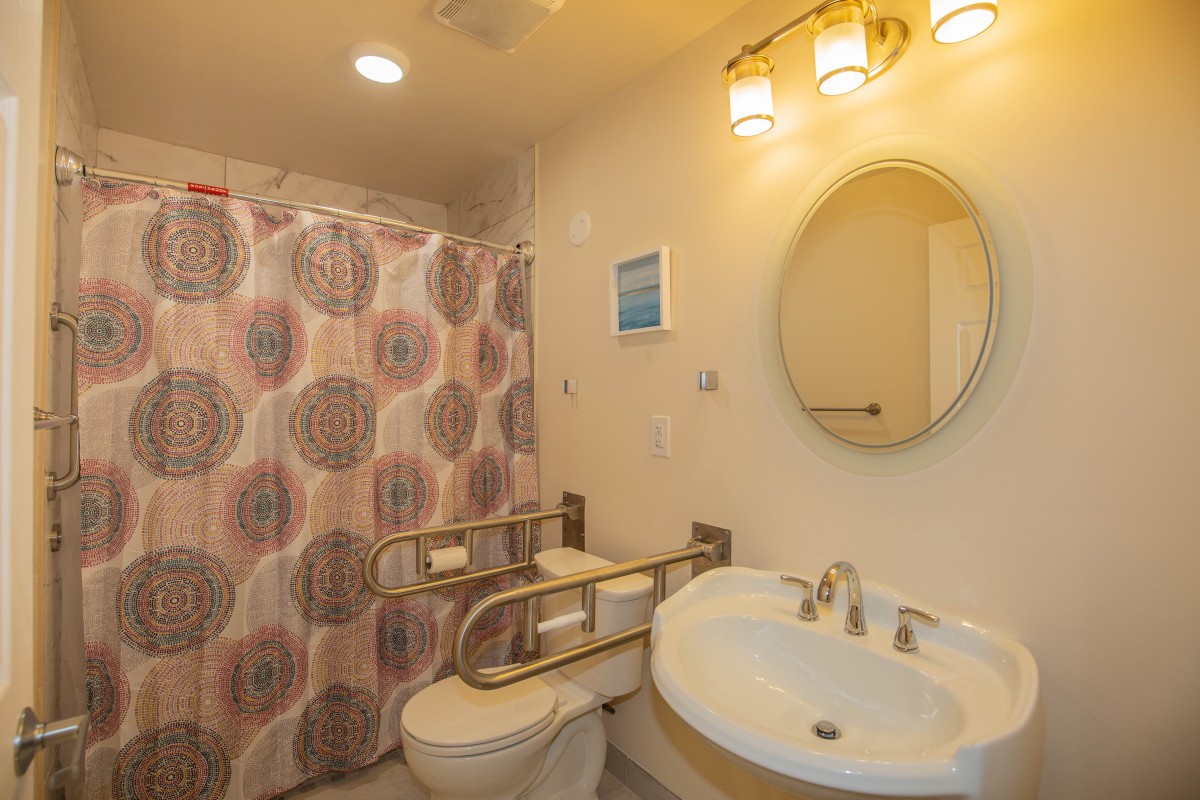
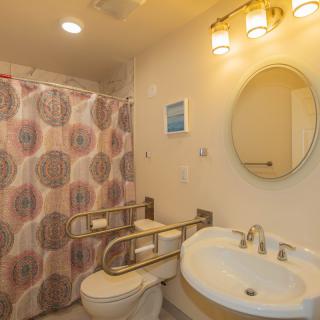
 Handicap accessible
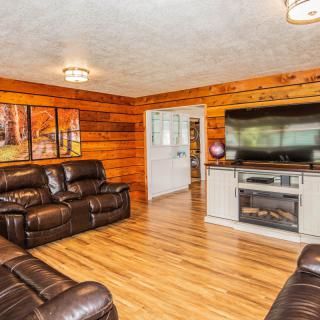
 Indoor common areas
 Outdoor common areas
 Private
 Private bathrooms
 Wheelchair accessible showers
 Wi-Fi/high-speed internet available
 Seattle-Tacoma International (12 miles away)
 Diabetic care
 High acuity care
 Medication management
 Gluten-free
 BBQs or picnics
 Karaoke
 Live dance or theater performances
 Live musical performances
 Live well programs
 Trivia games
 Visiting Rabbi
 Visiting chaplain or priest
 Wii bowling

 California's Form 602A: An In-Depth Examination of Senior Care Assessment
 Comprehensive Look at Senior Blood Pressure Charts: Normal and Elevated Levels by Age
 Top Canine Companions for Older Adults