
1325 21st St SE, Auburn, WA 98002
To contact a resident: (253) 740-8136
For more information about senior living options: (866) 208-4318
A Victorious Living Adult Family Home Costs & Pricing
At A Victorious Living Adult Family Home, the monthly cost for a private room is set at $7,000. This rate reflects a commitment to providing quality care and an enriching environment tailored to the needs of its residents. In comparison, the average costs in King County stand at approximately $5,034 for similar accommodations, while the broader state of Washington averages around $4,772. The higher pricing at A Victorious Living may indicate enhanced services, personalized care plans, or unique amenities that contribute to a superior living experience compared to other options in the region.
| Floor plans | A Victorious Living Adult Family Home | King County | Washington |
|---|---|---|---|
| Private | $7,000 | $5,034 | $4,774 |
Senior living communities with a similar price nearby
-
from +$1000 / mo
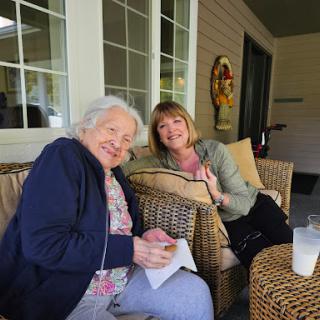
Grace Senior Care of Issaquah
$8,000 / month18.8 miles away -
from -$600 / mo

The Park at Belle Harbour
$6,400 to $15,500 / month22.6 miles away -
About the same

Fairwood Care Home
$7,000 / month10.8 miles away -
About the same
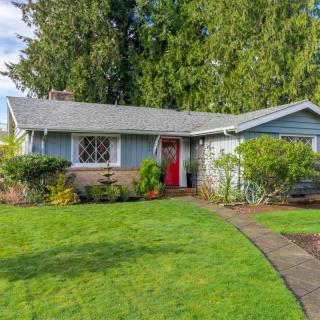
Gloria's House Adult Family Home
$7,000 / month14.3 miles away -
from -$1000 / mo
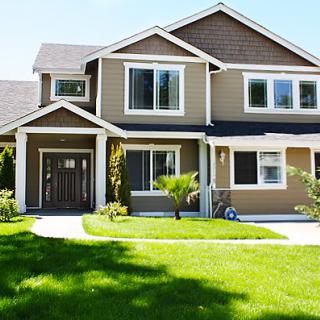
Valley Senior Care Center
$6,000 to $7,000 / month13.4 miles away
Overall Review of A Victorious Living Adult Family Home
Pros
 They really care about the seniors living in their home.
- It is a great place to bring a loved one.
- This family has cared for a dad for the last three years.
- Daisy and Steve are amazing caregivers.
- The care provided is compassionate and outstanding.
Review
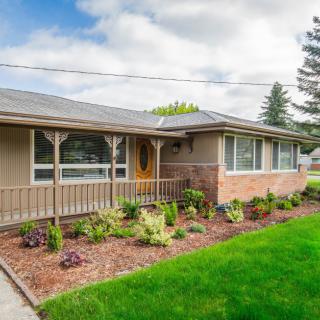
A Victorious Living Adult Family Home in Auburn, Washington is best suited for families seeking a truly intimate, home-like setting where care comes from a small, family-operated team rather than a sprawling corporate staff. It shines for seniors who value steady, personal attention, predictable routines, and a sense of belonging in a tight-knit environment. The testimonials point to a warm, collaborative approach from the owners, with care that feels both observant and compassionate. In practical terms, it works best when a loved one benefits from consistent faces, direct accountability from the caregivers, and a daily rhythm that treats daily living as a shared family experience rather than routine medical care.
Those who require hospital-level medical oversight, complex wound care, 24/7 nursing, or advanced memory-care services may want to consider alternatives. A larger assisted living community or a dedicated memory-care facility can offer more on-site clinicians, a broader activity calendar, and more formalized care plans. If privacy, more private apartment options, or around-the-clock clinical supervision are non-negotiable, this home-style setting may not meet those needs. In short, it’s outstanding for steady support with a personal touch, but it’s not designed to replace skilled nursing or highly specialized therapies.
The strongest attractions are the demonstrated care ethic and the owners’ hands-on involvement. The word-of-mouth highlights Daisy and Steve as highly dedicated, described as angels by one family, and relatives repeatedly note the comfort of knowing their loved one is surrounded by people who truly care. That level of commitment translates into lower caregiver turnover, more consistent routines, and a greater capacity to tailor responses to changing daily needs. Those advantages help offset the inherent limits of a small home, such as a smaller care team, less formal programming, and fewer clinical amenities.
Residents can expect a stable routine built around familiarity, with staff who know each resident’s preferences and history. The home environment tends to minimize confusion for seniors who benefit from continuity, and families gain peace of mind from direct, regular communication about health and daily happenings. The trade-off is a reliance on a lean staff and family-owners who wear multiple hats; this can mean slower access to specialized services during off-hours. Still, the practical benefit is faster problem-solving and a sense that care decisions are made with a resident’s history in mind.
Prospective families should verify several practical details before enrolling. Confirm the home’s licensing status and the scope of care offered, including assistance with activities of daily living, medication management, and emergency procedures. Ask about staff-to-resident ratios, caregiver turnover, and how care plans are developed and updated. Request a tour at different times, review a sample care plan, and speak with current and past families. Clarify what transport, meal options, and social activities look like, and ensure there is a clear escalation path for health concerns. These steps reveal whether the strong anecdotes translate into consistent, reliable daily experience.
Bottom line: this community is a solid choice for families prioritizing warmth, continuity, and hands-on, family-backed care. It delivers meaningful peace of mind when a loved one thrives in a small, home-like setting and the goal is long-term companionship over formal programming. Those needing extensive medical oversight, large-scale activities, or specialized memory-care services should actively compare with larger facilities. With strong leadership from Daisy and Steve and a reputation for caring deeply for residents, A Victorious Living Adult Family Home stands out as a practical, reliable option for the right matches.
 Board and Care Home
 Private
 Seattle-Tacoma International (12 miles away)


 Top Cars for Senior Drivers and Essential Safety Innovations
 A Closer Look at Private Pay Home Care
 Comprehensive Approaches for Arthritis: A Detailed Guide to Symptoms, Causes, and Care