
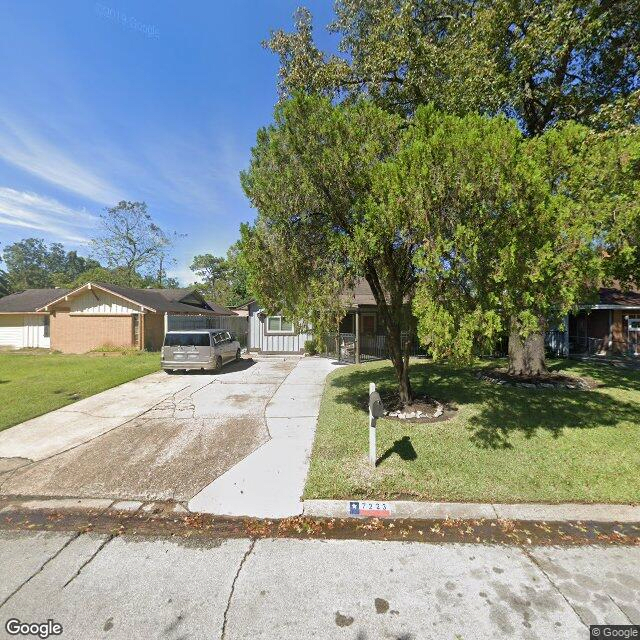
7223 Lakewood Dr., Houston, TX 77016
To contact a resident: (713) 631-3100
For more information about senior living options: (866) 208-4318
Marsh Personal Care Costs & Pricing
Marsh Personal Care offers competitive pricing for its accommodations when compared to both Harris County and the broader state of Texas. The cost for a semi-private room at Marsh is $2,500 per month, significantly lower than the county average of $3,518 and the state average of $3,680. Similarly, their one-bedroom option is priced at $3,200, which again stands in contrast to the higher local rate of $4,027 and a state average of $3,761. For those seeking private rooms, Marsh maintains this trend with a monthly rate of $3,200 compared to $3,784 in Harris County and $4,096 statewide. Overall, Marsh Personal Care presents an attractive value proposition for prospective residents looking for quality care without the elevated costs associated with other facilities in the area.
| Floor plans | Marsh Personal Care | Harris County | Texas |
|---|---|---|---|
| Semi-Private | $2,500 | $3,518 | $3,680 |
| 1 Bedroom | $3,200 | $4,027 | $3,761 |
| Private | $3,200 | $3,784 | $4,096 |
Memory care communities with a similar price nearby
-
from +$300 / mo
Atascocita Senior Care Home, Inc
$2,800 to $3,450 / month9.8 miles away -
About the same
Northgate Assisted Living
$2,500 to $3,000 / month13.8 miles away -
from +$300 / mo
Wenzy’s Place Boarding and Personal Care Home
$2,800 / month23.8 miles away -
from +$350 / mo
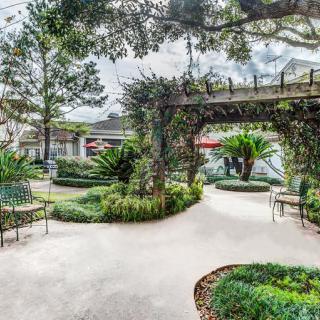
The Gardens of Bellaire
$2,850 to $3,211 / month14.3 miles away -
from +$485 / mo
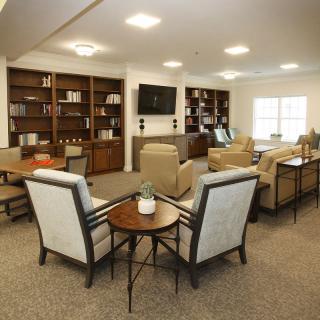
Reunion Court Of The Woodlands
$2,985 to $7,000 / month22.6 miles away
Overall Review of Marsh Personal Care
Pros
 Workers care about the client.
- Miss Gwen is very professional and nice.
Cons
 The facility does not meet the needs of memory-impaired patients or those with medical issues.
- There are no medical professionals (RNs, LVNs, CNAs) on staff.
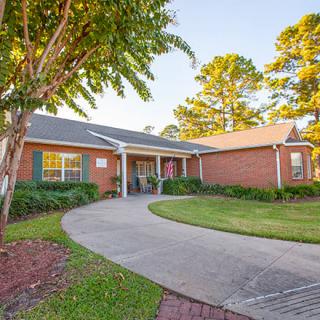
- The physical environment is nice but very small, housing both men and women.
- There appear to be no activities, with patients either sitting around or bedridden.
Review
Marsh Personal Care in Houston is best suited for seniors who need light to moderate daily assistance but do not require on-site medical oversight, memory care, or a full calendar of therapeutic activities. This community caters to residents who can get by with help for activities of daily living and value a small, intimate setting where caregivers demonstrate genuine warmth. It is not the right match for those with significant medical needs or who require structured memory-care programming; families should look elsewhere if on-site RN/LVN/CNA coverage or specialized dementia care is essential.
Those with memory impairment or complex medical conditions should consider alternatives. The reviews consistently flag the absence of on-site medical professionals, which means any acute issue or ongoing medical management would rely on outside providers. For memory care, post-acute needs, or conditions that demand vigilant supervision, larger assisted living communities or dedicated memory-care facilities with regular nursing staff will typically deliver more reliable oversight and tailored programming. Prospective residents with such needs will likely experience gaps that cannot be filled by this setting.
On the upside, the care staff appear to be genuinely attentive, and at least one caregiver, Miss Gwen, stands out as professional and personable. The environment is described as pleasing to the eye, a compact footprint that can feel intimate in a positive sense. These strengths translate into a dependable baseline of kindness and personal attention, which can be meaningful for residents who prioritize feeling valued and treated with courtesy in their daily routines. The practical benefit is a quieter, more manageable living atmosphere where staff familiarity can reduce anxiety for some residents.
However, those advantages are offset by several substantial drawbacks. The lack of medical professionals on site is a recurring and potentially serious risk factor for anyone with medical issues or who might develop them suddenly. The facility’s small size and shared housing arrangements, without clearly delineated separate spaces for men and women, can limit privacy and comfort, particularly for those who value independence or have routines that rely on a predictable environment. Activities appear limited, and residents may spend long periods seated or bedridden, which clashes with reasonable expectations for engagement and social interaction in an assisted living setting.
In practical terms, Marsh Personal Care can work as a transitional, low-key option for a specific subset of families: those seeking a warm, low-stimulation home-like feel and staff who genuinely care, coupled with a modest level of daily assistance. Yet for families prioritizing medical security, dementia-focused programming, or robust activity schedules, this community falls short. The key decision hinges on balancing the comfort of a small, attentive staff against the potential costs of inadequate medical oversight and limited engagement opportunities. If peace of mind about regular health monitoring is non-negotiable, this is not the place to anchor care.
For families evaluating Marsh Personal Care, a disciplined site visit is essential. Ask about on-site medical arrangements, including whether a nurse is available around the clock, how medications are administered, and what happens if a health episode arises after hours. Probe the activity calendar, social opportunities, and resident routines to gauge whether there is meaningful engagement beyond casual chatting. Inquire about staffing ratios, recent changes, and how staff to resident contact is managed across shifts. Finally, compare with alternatives that offer memory-care units or dedicated nursing services to ensure the chosen option aligns with the resident’s medical needs and cognitive requirements. Marsh Personal Care remains a niche fit: a compassionate, small-scale setting for relatively independent seniors who simply need a dependable helping hand, not a medical safety net.
 Board and Care Home
 Memory Care
 Activities on-site
 Bath tubs
 Indoor common areas
 Outdoor common areas
 Private
 Wheelchair accessible showers
 George Bush Intercontinental (9 miles away)
 Ambulatory care
 High acuity care
 Medication management
 Meals provided
 5 Early Indicators of Dementia and What You Can Do
 8 Important Indicators That Memory Care May Be Necessary
 Delving into the Inner World of Dementia: Insights into Thoughts and Awareness