
6021 Bretshire, Houston, TX 77016
For more information about senior living options: (866) 208-4318
Overall Review of Angel Of Love Personal Care Home
Cons
 The residents are fed old food.
- The owner, Kathy, has them working in the heat as slaves and then pays them only $5 to $10.
- The place is a joke because it has no real activities set up.
- She pays people crumbs under the table.
- The house is roach-infested and gnats swarm around the kitchen, yet she thinks she cleans.
- The facility exploits residents by taking their money and making them leave the home for 6 to 7 hours a day, not feeding them correctly.
- APS workers are in on this, and the mayor's office is being contacted about it.
Review
Angel Of Love Personal Care Home in Houston is best understood as a last-resort option for a senior who requires minimal oversight and whose family is willing to accept serious reliability risks. In practical terms, this setting does not align with the standard expectations for reliable daily living support, consistent meal quality, and clean, safe surroundings. The available signals point to a situation where budget pressures have outweighed the essential elements of humane care, with repeated concerns about sanitation, staffing, and accountability. For seniors who require regular assistance, medical monitoring, or predictable routines, better options exist. This is not a choice to be made lightly; when care needs are real, the recommended path is to pursue communities with verifiable safety records and transparent operations.
Families with real options should consider alternatives, especially if meals, basic safety, and engaging activities matter. Those operating on tight budgets but still prioritizing dignity and health will likely find this community unacceptable. Seniors who need mobility support, medication management, or consistent supervision should look elsewhere. The reports imply a pattern where respect, nourishment, and meaningful daily structure may be compromised, making it difficult to justify any enrollment. In short, for anyone who values predictable nutrition, responsive staff, and a clean environment, exploring other licensed facilities is a prudent move.
From the notes available, there are virtually no credible pros documented that could meaningfully offset the substantial downsides. A small, intimate setting might be assumed to offer more personalized attention, but there is no reassuring evidence that staff training, safety protocols, or resident engagement meet acceptable standards. The absence of positive indicators in the available feedback means there is nothing to counterbalance the serious concerns raised. In this context, any potential perceived intimacy of a smaller home is overshadowed by reports of neglect, instability, and unsafe conditions, leaving families with little confidence in a safe, respectful daily living experience.
The most salient cons center on nutrition, labor practices, and environmental conditions. Residents are described as receiving low-quality meals, while staff reportedly face coercive or exploitative conditions. Heat stress for workers, combined with a lack of structured, meaningful activities for residents, paints a picture of a materially under-resourced operation. Sanitation issues emerge as a recurring theme, with pests noted around the kitchen area and ongoing cleanliness questions. The involvement of APS and talk of mayoral scrutiny signal regular regulatory attention and ongoing risk. Taken together, these factors create a high-stress, unstable environment that undermines health, safety, and overall quality of life.
If a family still evaluates this option, a rigorous due-diligence checklist is non-negotiable. Demand the latest licensing and inspection reports, and request a candid tour during a typical mealtime to assess food quality and kitchen cleanliness. Seek a clear staffing schedule showing caregiver-to-resident ratios, shower and hygiene routines, and how emergencies are handled after hours. Obtain a written care plan, including medication administration procedures and daily activity opportunities. Speak with current residents and families, if possible, to corroborate the narrative and identify patterns. Compare with licensed facilities that publish inspection results and maintain transparent grievance processes; prioritize those with solid reputations for meals, safety, staffing, and engagement.
Bottom line: the risk profile at Angel Of Love Personal Care Home is too high for any family prioritizing reliable care and dignity. For seniors needing consistent meals, respectful treatment, and a sanitary, safe living environment, alternatives are not just preferable, they’re essential. The best course is to pursue licensed, well-staffed communities with documented oversight, strong meal programs, and active resident engagement. If staying in the Houston area is non-negotiable, seek facilities with verifiable track records, third-party ratings, and opportunities for firsthand observation before any commitment. A cautious, informed decision now can prevent preventable distress and costly relocations later.
 7 resident community capacity
 Assisted Living
 Board and Care Home
 Cable or satellite TV
 Dining room
 Fully furnished
 Garden
 Housekeeping services
 Move-in coordination
 Outdoor space
 Telephone
 Wi-Fi/high-speed internet available
 George Bush Intercontinental (9 miles away)
 24-hour supervision
 Activities of daily living assistance
 Assistance with bathing
 Assistance with dressing
 Assistance with transfers
 Diabetes diet
 Meal preparation and service
 Medication management
 Special dietary restrictions
 Transportation arrangement (medical)
 Transportation to doctors appointments
 Small, personalized care with 24/7 supervision and comprehensive services.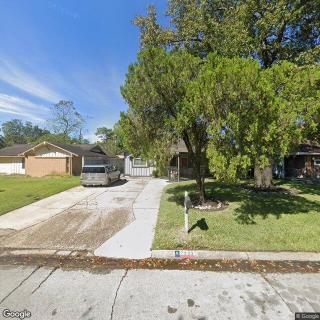

 Assisted Living Expenses and Long-Term Care Insurance: A Comprehensive Exploration
 Securing Financial Support for Assisted Living: A Comprehensive Overview
 Social Security Benefits and Assisted Living: Navigating Options Across the U.S.