
7634 Cabot, Houston, TX 77016
For more information about senior living options: (866) 208-4318
Overall Review of Angel Of Love Personal Care / Tam
Cons
 The residents are fed old food.
- The owner makes residents work in the heat, effectively slaving them, and pays only five to ten dollars.
- The place is a joke, with no real activities set up.
- People are paid crumbs under the table.
- They wouldn’t even send a dog to live there.
- The house is roach-infested, with gnats swarming around the kitchen, yet the owner acts as if it’s clean.
- The facility exploits residents, takes their money, and forces them to leave the home for six to seven hours a day without proper feeding.
- It’s alleged that APS workers are involved, and there’s an intention to contact the mayor’s office about it.
Review
This community is best suited for virtually no typical retiree or family seeking reliable assisted living. If a family truly has no other options and is prepared to accept substantial care failures, safety concerns, and sanitation problems as the baseline, then a cautious, last-resort look could be considered. In practical terms, this is not a fit for seniors who require consistent nutrition, clean surroundings, engaging daily activities, or dignified treatment; those needs simply aren’t supported by the experiences described.
Families most likely to want alternatives are those hoping for steady meals, clean premises, respectful staff, and a responsive administration. Anyone prioritizing predictable supervision, regular social programs, and proactive reporting from operators will want to move on. Seniors with medical or cognitive needs that require reliable oversight should not hinge on a facility where concerns around food quality, housekeeping, and resident autonomy are reported as ongoing issues. If there is any sense of neglect or regulatory involvement, exploration of other options becomes essential.
The few perceived advantages that might be inferred, such as a basic shelter or lower-cost argument, do not meaningfully offset the central failings. The reviews emphasize a pattern of substandard nutrition and questionable meal quality, scant or non-existent activity programming, and a sterile, poorly maintained environment. Even if one suspects affordability, the cost is not justified by the value delivered in core care: residents appear to be underserved, with limited engagement and questionable oversight. In this context, the supposed pros cannot compensate for the serious downsides.
Pervasive safety and quality concerns dominate the picture. Reports describe pest-infested areas, unsanitary conditions, and a kitchen plagued by insects, all of which raise red flags about infection control and general hygiene. There are repeated accusations of residents not being fed adequately, and formal authorities being involved, suggesting systemic neglect rather than episodic lapses. The claim that residents are relied upon or left unsupervised for long stretches further undermines trust in daily operations. Coupled with claims of underpaid or exploited staff, these factors create a landscape where resident dignity and safety are at continual risk.
When evaluating options, prioritize licensed facilities with transparent menus, structured activity calendars, dedicated caregiving staff, and clear accountability. Request recent inspection reports, look for consistent staffing ratios, and confirm that meals meet basic nutritional standards. Tour multiple times, talk directly with staff about how care plans are implemented, and speak with residents and families about daily routines, safety, and cleanliness. Check for active oversight by state agencies and for any history of complaints or corrective actions. This approach will reveal that many better-equipped communities deliver reliable meals, meaningful engagement, clean environments, and a respectful, responsive culture, qualities that appear markedly absent here.
In conclusion, this particular community does not align with the expectations of families seeking dependable assisted living. The substantial concerns around nutrition, sanitation, staffing integrity, and resident safety decisively outweigh any potential convenience or cost advantages. A prudent choice for most families is to pursue alternatives that offer verifiable quality indicators, consistent care standards, and a track record of oversight and accountability. The decision should favor facilities with clear commitments to nourishment, cleanliness, meaningful activity, and respectful treatment, ensuring both safety and dignity for every resident.
 7 resident community capacity
 Assisted Living
 Board and Care Home
 Cable or satellite TV
 Dining room
 Fully furnished
 Garden
 Housekeeping services
 Move-in coordination
 Outdoor space
 Telephone
 Wi-Fi/high-speed internet available
 George Bush Intercontinental (9 miles away)
 24-hour supervision
 Activities of daily living assistance
 Assistance with bathing
 Assistance with dressing
 Assistance with transfers
 Diabetes diet
 Meal preparation and service
 Medication management
 Special dietary restrictions
 Transportation arrangement (medical)
 Transportation to doctors appointments
 Intimate 8-resident setting with personalized care in a cozy, welcoming environment.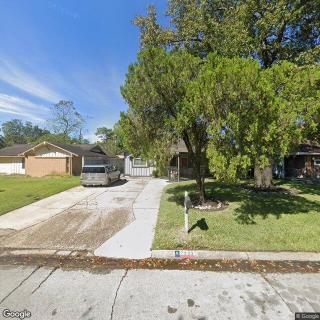

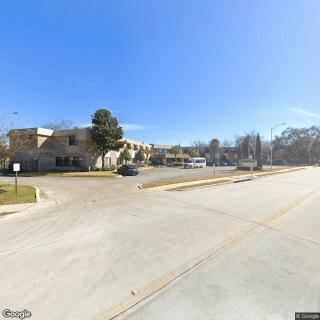
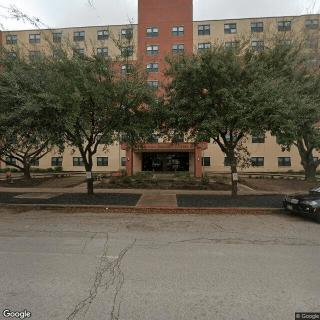
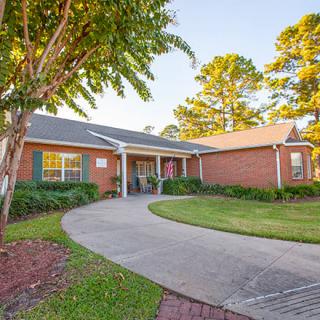
 Medicare Coverage for Assisted Living: An In-Depth Exploration
 Choosing the Right Senior Care: A Detailed Exploration of Assisted Living and Nursing Homes
 Understanding the True Cost of Assisted Living in 2025: A Comprehensive Guide