
7638 Cabot, Houston, TX 77016
For more information about senior living options: (866) 208-4318
Overall Review of Angel Of Love Assisted Living
Cons
 The residents are fed old food.
- The owner, Kathy, has residents working in the heat for small pay and offers only five to ten dollars.
- The place is a joke with no real activities set up.
- The home is roach-infested and gnats swarm around the kitchen, despite claims of cleanliness.
- Residents are exploited, with their money taken and made to leave the home for six to seven hours a day.
- APS workers are alleged to be involved, and the reviewer plans to contact the mayor about it.
Review
Angel Of Love Assisted Living in Houston is best suited for families facing extreme budget constraints who have already accepted that basic safety and quality of life may be compromised. In practical terms, this community appears to fit only those willing to tolerate questionable oversight, minimal structure, and an environment where clean, respectful care is not reliably demonstrated. The reviews depict a facility that, at best, offers a room to reside in while at worst exposes residents to neglect and inadequate living conditions, making it a choice to be avoided unless every other option is truly unaffordable or unavailable.
Anyone comparing options for a loved one with significant medical needs, memory challenges, or mobility limitations should look elsewhere. If a resident requires consistent, attentive staffing, regulated meals, meaningful daily activities, and a clean, pest-free environment, this community does not appear capable of delivering. Families should not rely on this option as a substitute for licensed, well-staffed facilities with transparent operations and verifiable compliance histories. Alternatives with documented adherence to care standards and clearer accountability are essential for peace of mind.
There are virtually no credible pros highlighted in the accounts, and any proposed advantages are eclipsed by the overwhelming weight of the cons. The absence of reliable care, structured programming, or demonstrable quality control means that even a modest cost savings is not a legitimate trade-off. In this context, any potential affordability or intimate cautionary setting is rendered moot; the risks to safety, dignity, and health far outweigh any nominal benefits.
The core red flags are concrete and disturbing. Reports describe residents fed low-quality meals, if meals are provided at all, and indicate exploitation where workers are allegedly paid poorly and treated as disposable labor rather than care professionals. The physical environment is also called into question, with claims of a roach-infested house and kitchen pests, suggesting serious hygiene failures. Residents are described as being left unattended for long stretches, six to seven hours a day, while staff or management purportedly fail to address basic needs. Some reviews allege involvement of licensing and protective services, and even suggest official authorities have been contacted, underscoring the severity of the concerns. Taken together, these patterns present a picture of risk that cannot be dismissed as minor or anecdotal.
Families evaluating this option should pursue rigorous due diligence before any commitment. Demand written policies on meal planning, activity programming, and staff training; request recent inspection reports and licensing status; ask for a current census and staff-to-resident ratios; and require tours at different times of day to observe care dynamics. Speak with current residents and independent oversight bodies about daily routines, cleanliness, and responsiveness of staff. Verify who is responsible for medical administration, how emergencies are handled, and whether any external agencies routinely monitor quality of care. If any uncertainties remain after these steps, pivot to facilities with verifiable cleanliness, stronger nutrition and activity offerings, and a transparent culture of accountability.
Bottom line: this community is not a viable long-term solution for most families. The combination of alleged neglect, hygiene problems, exploitation concerns, and inadequate daily structure creates risks that far exceed any potential cost advantage. When safe, respectful, reliable care is non-negotiable, it is prudent to prioritize options with clear licensing, positive inspection histories, and demonstrable, resident-focused programming. If constrained to consider this option, treat it as a stopgap only and move promptly toward higher-quality alternatives.
 8 resident community capacity
 Assisted Living
 Board and Care Home
 Cable or satellite TV
 Dining room
 Fully furnished
 Garden
 Housekeeping services
 Move-in coordination
 Outdoor space
 Telephone
 Wi-Fi/high-speed internet available
 George Bush Intercontinental (9 miles away)
 24-hour supervision
 Activities of daily living assistance
 Assistance with bathing
 Assistance with dressing
 Assistance with transfers
 Diabetes diet
 Meal preparation and service
 Medication management
 Special dietary restrictions
 Transportation arrangement (medical)
 Transportation to doctors appointments
 Small, personalized board-and-care with 24/7 supervision, ADL assistance, medication management, diabetes-friendly dining, and healthcare coordination.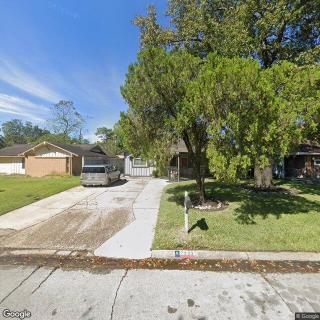

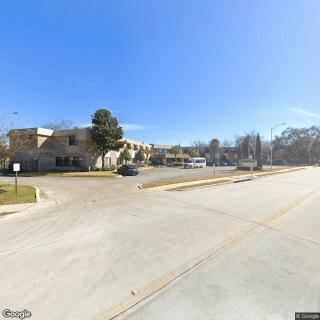
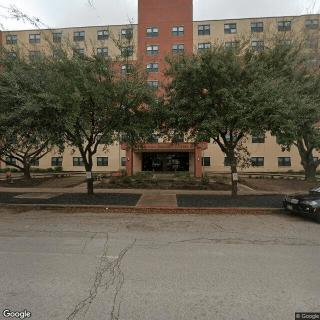

 Comprehensive Residential Support and Assisted Living Solutions for Individuals with Disabilities
 Comprehensive Supportive Living Arrangements for Adults with Disabilities
 Funding and Affording Assisted Living: A Thorough Overview