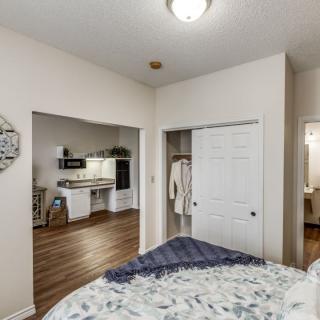
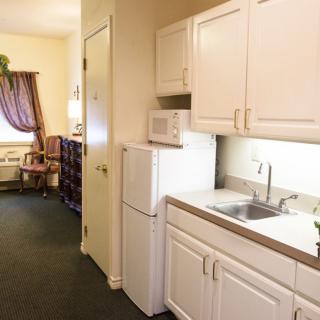
Snowbirds Roost offers competitive pricing for its accommodations, making it an attractive option for those seeking to establish a seasonal residence. With monthly rates of $2,800 for a private room, $3,000 for both studio and one-bedroom units, the facility provides significant savings compared to local averages in Dallas County and across Texas. In contrast, the same private room in Dallas County costs around $4,702, with studios and one-bedrooms priced at $3,625 and $3,760 respectively. This substantial difference positions Snowbirds Roost as a budget-friendly choice without compromising on comfort or amenities. Overall, it represents an appealing opportunity for snowbirds looking to enjoy their winter getaway while keeping costs manageable.
Floor plans
Snowbirds Roost
Dallas County
Texas
Private
$2,800
$4,702
$4,096
Studio
$3,000
$3,625
$3,758
1 Bedroom
$3,000
$3,760
$3,761
Memory care communities with a similar price nearby
Residents consistently describe the staff as helpful and friendly.
Across the reviews, people repeatedly highlight staff who are approachable and willing to answer questions. A few reviewers also call out moments when help was lacking or communication felt off, but those comments are less common than the positive ones. Overall, the day-to-day experience in the reviews centers on getting guidance from the team.
common6 reviews mention this
Coffee shop and classes
The on-site coffee experience and classes come up often in reviews.
Many reviews mention grabbing coffee in the on-site café area and enjoying a place to sit while visiting. Several also describe educational classes or workshops and guidance that helps people feel more confident. Taken together, reviews portray the community as offering more than just a single stop—it includes organized learning and a social break.
common7 reviews mention this
Well kept, organized grounds
Residents often comment on how well organized the property feels.
Reviews frequently describe the space as clean, well maintained, and easy to browse, with inventory and areas presented in an organized way. Some reviewers add details like a calm setting or a relaxing atmosphere while visiting. A smaller number mention issues like being hard to find assistance, but the overall presentation comes through positively.
caveat4 reviews mention this
Price complaints are recurring
Some reviews say the pricing runs high.
Several reviews complain that prices are higher than expected or higher than other options they have compared against. Others still acknowledge strong quality, but the cost is framed as a downside for at least some visitors. On this page, the listed rent range is $2,800 to $3,000, which is positioned below county and state benchmarks in the pricing information.
How we summarize
Counts show how many written reviews mention each theme; a review can touch several themes, and only frequently mentioned themes are displayed.
Features
Types of Care
Board and Care Home
Memory Care
Amenities
Activities on-site
Devotional services off-site
Indoor common areas
Private
Transportation
Dallas Love (4 miles away)
Dallas-Fort Worth International (10 miles away)
Care Services
Ambulatory care
Incontinence care
Medication management
Dining
Meals provided
Activities
Activities on-site
Devotional activities offsite
Nearby Places of Interest
This part of Dallas, Texas offers a convenient and vibrant living environment with essential amenities nearby. There are several pharmacies, restaurants, cafes, and places of worship within a short distance, making it easy for seniors to access their daily needs. The area also has transportation services such as U-Haul Moving & Storage and Dallas Love Field airport for travel convenience. For medical care, there are reputable physicians and hospitals in close proximity. Additionally, there are parks for outdoor recreation and theaters for entertainment. Overall, this neighborhood provides a well-rounded community that caters to the needs of seniors looking for a comfortable and accessible living space in Dallas.
Pharmacies
CVS Pharmacy (1.1 miles)
CVS Pharmacy (1.6 miles)
Walgreens (1.7 miles)
Walgreens (3 miles)
CVS Pharmacy (3.2 miles)
Walgreens (3.8 miles)
CVS Pharmacy (3.9 miles)
Transportation
U-Haul Moving & Storage (1.6 miles)
Dallas Love Field (DAL) (4.1 miles)
TSA Security Checkpoint (4.2 miles)
Southwest Airlines (4.2 miles)
Baggage Claim (4.2 miles)
Inwood / Love Field Station (5.9 miles)
Trinity Mills Station (6.4 miles)
Restaurants
McDonald's (1.6 miles)
McDonald's (3.1 miles)
Chick-Fil-A (3.7 miles)
Al Biernat's North (3.9 miles)
Ida Claire (4.4 miles)
Kenny's Wood Fired Grill (4.4 miles)
Yolk Preston Center (4.5 miles)
Places of Worship
Webb Chapel Church of Christ (1.8 miles)
St Monica Catholic Church (2.4 miles)
Preston Hollow Presbyterian Church (4.1 miles)
Temple Emanu-El (5.4 miles)
Episcopal Church Of The Transfiguration (5.4 miles)
Cathedral of Hope (5.5 miles)
Northway Christian Church (5.7 miles)
Cafes
Starbucks (3.6 miles)
The Capp Bar (4.8 miles)
Starbucks (5.8 miles)
Starbucks (6.6 miles)
Parks
Addison Circle Park (4.8 miles)
Germany Park (5.2 miles)
Physicians
Texas Medical Diagnostics (5.5 miles)
Pediatric Associates of Dallas (5.8 miles)
Betancourt Arlene Utsw Internal Medicine Pediatric Clinic Dallas (6 miles)
Starcare (6.2 miles)
Aston Ambulatory Care Center (6.5 miles)
Theaters
AMC Theater Northpark (6 miles)
Hospitals
UT Southwestern Outpatient Building (6.1 miles)
Texas Health Presbyterian Hospital Dallas (6.4 miles)
Snowbirds Roost offers competitive pricing for its accommodations, making it an attractive option for those seeking to establish a seasonal residence. With monthly rates of $2,800 for a private room, $3,000 for both studio and one-bedroom units, the facility provides significant savings compared to local averages in Dallas County and across Texas. In contrast, the same private room in Dallas County costs around $4,702, with studios and one-bedrooms priced at $3,625 and $3,760 respectively. This substantial difference positions Snowbirds Roost as a budget-friendly choice without compromising on comfort or amenities. Overall, it represents an appealing opportunity for snowbirds looking to enjoy their winter getaway while keeping costs manageable.
Snowbirds Roost's medication management effectively supports residents with dementia or Alzheimer's by ensuring they receive the correct medications at the right times, thereby minimizing confusion and enhancing adherence to treatment plans. This careful oversight not only helps manage symptoms but also alleviates stress for both residents and their families. Additionally, incontinence care is crucial as it addresses a common challenge faced by individuals with cognitive impairments, promoting dignity and comfort while reducing anxiety associated with potential accidents. Together, these features contribute to a nurturing environment that prioritizes the well-being of residents, fostering independence while providing necessary assistance tailored to individual needs.
Nearby Communities
The Grove on Forest Lane
Dallas, TX
4.4 from 96 reviews
$3,750 to $5,500 / month
Caring staff, clean facilities, and engaging on-site activities.
The Avenues Of Park Forest
Farmers Branch, TX
4.4 from 63 reviews
Knowledgeable staff; clean, spacious rooms; engaging activities; and good dining options.
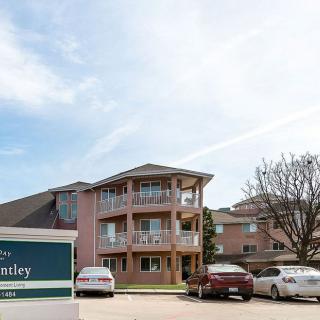
The Bentley
Dallas, TX
4.3 from 101 reviews
$2,139 to $3,419 / month
Caring staff in a welcoming community with strong dining and activities.
Texsen Group Homes
Dallas, TX
Fully furnished 1-bedroom apartments with 24/7 supervision, daily living assistance, meals with dietary options, and scheduled activities.
Royal Gardens
Dallas, TX
$4,035 to $5,095 / month
Small, intimate setting with personalized care, including memory care.
Silver Leaf Assisted Living at Royal Lane
Dallas, TX
4.3 from 24 reviews
$4,200 to $5,000 / month
Caring, patient staff with strong family communication
Emerson on Harvest Hill
Dallas, TX
4.5 from 189 reviews
$1,774 to $3,479 / month
Friendly staff, strong community, and good value with ample activities.
Traymore Nursing Center
Dallas, TX
3.6 from 110 reviews
Strong family communication and personalized care.
The Preston Of The Park Cities
Dallas, TX
4.7 from 110 reviews
Qualified staff and strong management in a well-maintained facility with excellent dining and engaging activities.
Sundown syndrome, or sundowning, is a phenomenon in dementia patients characterized by increased confusion and agitation during late afternoon and evening, influenced by factors like disrupted circadian rhythms and fatigue. Effective caregiver strategies include establishing routines and managing environmental light while addressing caregiver stress through support services.
Delirium is a rapidly onset, reversible cognitive disturbance often caused by acute medical issues, while dementia is a gradual and irreversible decline due to chronic neurodegenerative diseases. Accurate differentiation between the two is essential for appropriate treatment and management in older adults.
Dementia, including Alzheimer’s disease, is often mischaracterized in terms of lethality as it leads to complications that can be fatal rather than being a direct cause of death; it causes a progressive decline in cognitive and physical health, making patients vulnerable to infections and other health crises. Effective management of nutrition, hydration, and communication is crucial in patient care, with palliative care becoming vital in advanced stages to enhance comfort and quality of life while caregivers play a key role amidst the challenges posed by the disease.
Get PricingAsk A QuestionSchedule A TourContact Senior Advisor
By clicking submit, you agree to our Partner's Terms of Use. You
also consent to receive calls and texts, which may be autodialed, from our Partner. Your consent is not a condition to
using our Partner's service. Please visit our Partner's Privacy Policy for information about their privacy practices.


 Board and Care Home
 Memory Care
 Activities on-site
 Devotional services off-site
 Indoor common areas
 Private
 Dallas Love (4 miles away)
 Ambulatory care
 Incontinence care
 Medication management
 Meals provided
 Caring staff, clean facilities, and engaging on-site activities.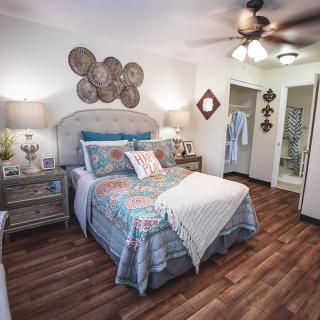


 Comprehending Evening Confusion in Dementia: Causes, Manifestations, and Support
 Delirium and Dementia: Unraveling the Key Differences
 Are Dementia and Alzheimer's Disease Lethal? A Comprehensive Exploration