
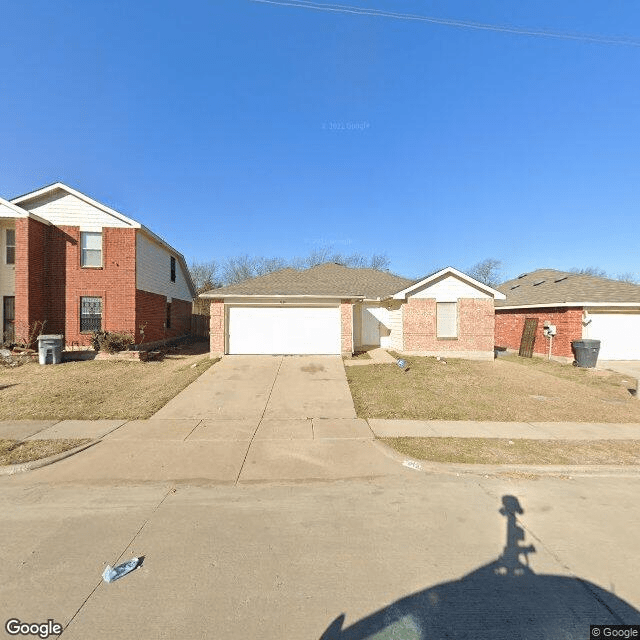
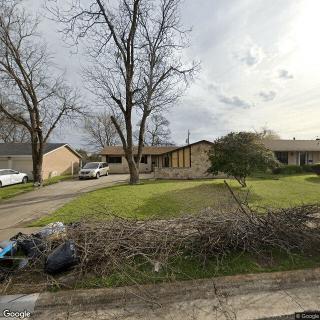
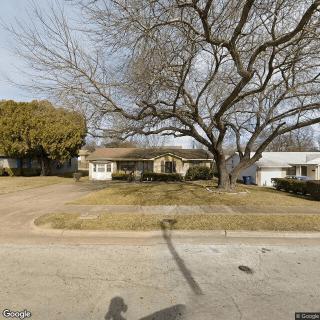
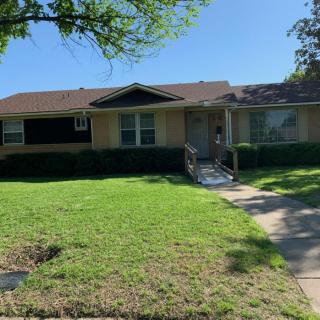
7819 Buford Dr, Dallas, TX 75241
To contact a resident: (214) 918-6781
For more information about senior living options: (866) 208-4318
Residential Care Costs & Pricing
When examining the costs of residential care in Dallas County compared to broader state averages in Texas, it's evident that local pricing can vary significantly. A typical private room in residential care is priced at $3,000 per month, which is notably lower than the county average of $4,702 and the state average of $4,096. Similarly, studio apartments within residential care facilities maintain the same rate of $3,000, yet this still falls below both Dallas County's average of $3,625 and the wider Texas average of $3,758. For one-bedroom units, while again listed at $3,000 in residential care settings, they also present a competitive edge against regional data - Dallas County's average sits at $3,760 and Texas overall at $3,761. This analysis highlights not only a more accessible pricing structure for residents seeking care but also reflects potential savings for families considering options within Dallas County versus state norms.
| Floor plans | Residential Care | Dallas County | Texas |
|---|---|---|---|
| Private | $3,000 | $4,702 | $4,096 |
| Studio | $3,000 | $3,625 | $3,758 |
| 1 Bedroom | $3,000 | $3,760 | $3,761 |
Memory care communities with a similar price nearby
-
from +$400 / mo

Highlands Village Senior Living of Mansfield
$3,400 to $4,695 / month18.1 miles away -
About the same
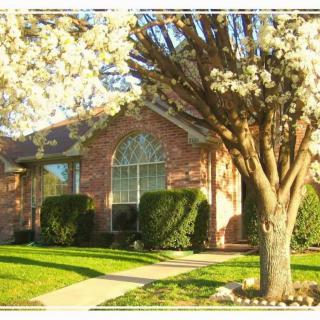
Sophyas Assisted Living
$3,000 to $4,200 / month16.5 miles away -
from +$300 / mo
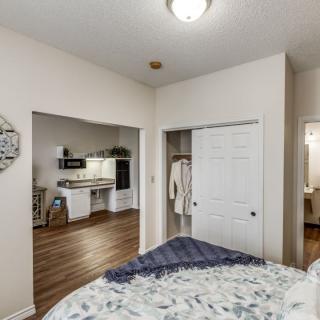
Cambridge Court
$3,300 to $4,580 / month14.5 miles away -
from -$200 / mo
B & Y Care Home
$2,800 to $4,000 / month23.4 miles away -
from +$550 / mo

Oak Hollow Alzheimer’s Special Care Center
$3,550 / month22.7 miles away
Overall Review of Residential Care
Pros
 The Pitres have been nothing but amazing since the reviewer first met them.
- Pitre Housing provides professional and compassionate care that makes the process a breeze for loved ones.
- The program is a much-needed resource for Dallas and its surrounding areas.
- The vision of Pitre Housing is rooted in abundant love and strong family values.
- The services demonstrate great care for the homeless, veterans, and those who are less fortunate.
- Pitre Housing responds quickly to questions about finding a loving, caring home for loved ones in need.
- The boarding home’s owner clearly cares for the individuals she serves, bringing decades of public service as a nurse to end homelessness and ensuring a clean, safe environment.
Review
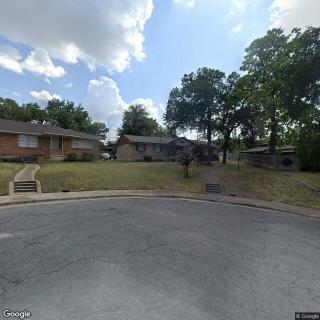
Pitre Housing in Dallas is best suited for seniors or adults who want a small, home-like residential care environment where care feels personal and relationships matter. The operation appears to be owner-led by a nurse with a long public-service background, and the culture centers on love, family values, and a clean, safe setting for individuals who need assistance but do not demand the scale of a large campus. Families prioritizing a straightforward placement process and a caregiver-focused atmosphere will find this model aligns with their goals. It suits those who value warmth, direct communication, and a sense that residents are welcomed into a true home rather than a generic facility.
Those contemplating alternatives should consider options with broader medical support and richer programming. For residents with high-acuity needs, complex medication regimens, or memory-care requirements, larger assisted-living communities or specialized dementia facilities may provide the clinical oversight and structured activities that a small boarding-home setting cannot guarantee. Prospective residents who want a more expansive calendar of events, 24/7 on-site clinical staff, or a formalized continuum of care might find other communities a better fit. In short, when medical intensity and program breadth matter most, it is wise to explore additional options.
The strongest pros of Pitre Housing, its personal attention, rapid responsiveness, and a clearly compassionate mission, tend to offset the chief trade-offs of a small, single-operator model. The reviews repeatedly highlight professional conduct and a process that feels streamlined and supportive, with the owner’s direct involvement understood as a tangible advantage. A home-like environment, combined with the operator’s stated focus on ending homelessness and serving veterans and less fortunate neighbors, cultivates a sense of dignity and belonging that larger facilities sometimes struggle to convey. For families seeking peace of mind through accessible, attentive care, these elements carry substantial weight.
Another consistent theme is the emphasis on safety, cleanliness, and a community that treats residents with genuine care. The owner’s nursing background and hands-on approach translate into what families describe as trustworthy stewardship of their loved ones. The sense that someone is truly paying attention, ready to answer questions, and ready to respond quickly when needs arise can be a decisive factor for families new to the process of placing a relative in care. That combination, clear communication, professional demeanor, and a values-driven culture, helps mitigate concerns about the absence of a large care team or formal hospital-like amenities.
From a practical decision perspective, the key questions for families involve care level and contingency planning. It makes sense to verify the on-site clinical presence, medication management, and emergency procedures, along with what activities or therapies are available on a regular basis. Clarifying housing terms, what services are included in the rate, and potential flexibility for changes in care needs will prevent misaligned expectations. The reviews imply straightforward, candid interactions with the leadership, so prospective residents should still walk through a concrete plan for 24/7 support if medical complexity escalates.
In sum, Pitre Housing represents a compelling choice for those seeking a heartfelt, small-scale living experience in Dallas, anchored by a nurse-led, mission-driven operation. It offers a distinct advantage in personal attention, quick responsiveness, and a safe, clean home that conveys dignity and respect. The strongest caveat is the inherent trade-off of scale: for residents whose needs extend beyond routine assistance or who require intensive clinical oversight, alternatives with larger staffs and more formal memory-care or medical services will likely be a better fit. For families prioritizing warmth, values, and a trusted, hands-on caretaker, this option stands out as a principled, practical decision.
 Board and Care Home
 Memory Care
 Activities on-site
 Devotional services off-site
 Indoor common areas
 Private
 Dallas Love (14 miles away)
 Ambulatory care
 Diabetic care
 Meals provided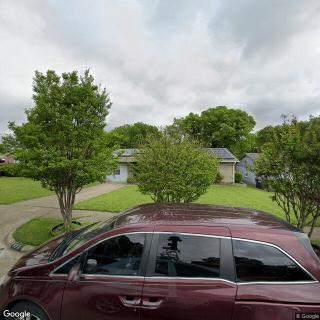

 Dementia-Related Hallucinations: Causes, Experiences, and Practical Approaches
 Illuminating Insights About Alzheimer's Disease: Ten Crucial Realities
 A Thorough Discussion of Medications Potentially Linked to Dementia Risk