
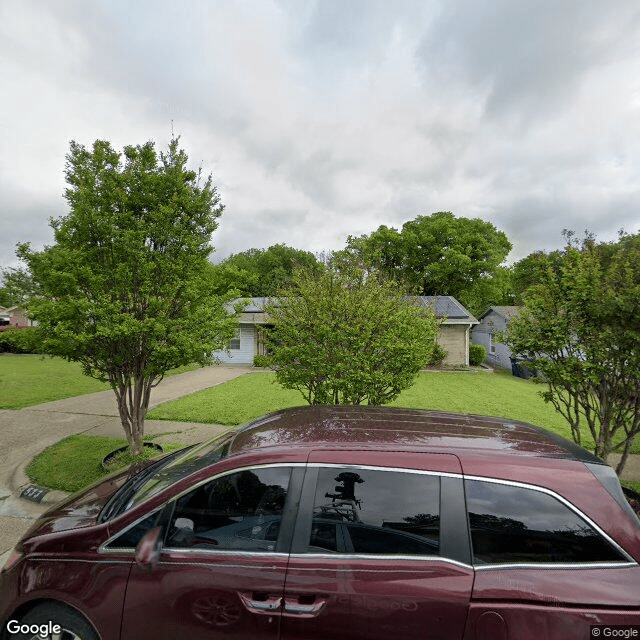
533 Highfall Drive, Dallas, TX 75232
For more information about senior living options: (866) 208-4318
Hazels Home Care Dallas Costs & Pricing
Hazels Home Care Dallas offers a competitive pricing structure for their semi-private room accommodations, with a monthly cost of $1,500. This rate is significantly lower than the average costs within both Dallas County, which stands at approximately $3,535, and the broader state of Texas at around $3,680. By providing such favorable pricing, Hazels Home Care not only makes quality care more accessible but also positions itself as an attractive option for families seeking affordable yet reliable home care solutions in the Dallas area.
| Floor plans | Hazels Home Care Dallas | Dallas County | Texas |
|---|---|---|---|
| Semi-Private | $1,500 | $3,535 | $3,680 |
Assisted Living communities with a similar price nearby
-
from +$165 / mo

Morada Lake Arlington
$1,665 to $2,580 / month20.3 miles away -
from -$100 / mo
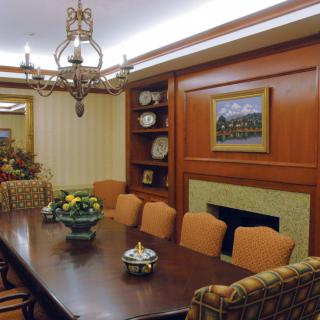
The Villages of Dallas
$1,400 to $2,900 / month2.1 miles away -
from +$95 / mo
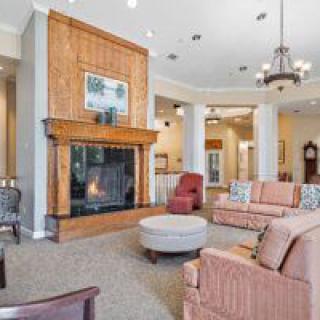
Morada Cedar Hill
$1,595 to $2,820 / month8.0 miles away -
from +$100 / mo

Autumn Leaves
$1,600 to $3,200 / month13.4 miles away -
from -$250 / mo

St Joseph's Residence
$1,250 / month5.2 miles away
Overall Review of Hazels Home Care Dallas
Cons
 Hazel was not there.
- They waited about 10 minutes.
- It appeared that residents were alone.
- The place seemed older and cluttered.
- Wires and extension cords were strung across walls in a front room.
Review
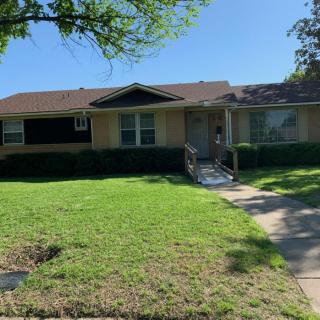
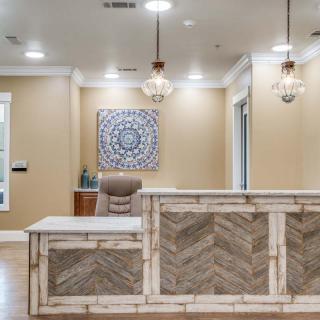
Hazels Home Care Dallas is best suited for families seeking a very small, home-anchored setting where supervision may be intermittent and the facility carries the marks of age. It appeals to those who value privacy and a lean operation over the polish of a larger campus, and who are willing to trade regular on-site oversight for a more intimate, almost “homelike” feel. In practical terms, this is the kind of option that works best when the family can tolerate variability in staffing and a less formal program, rather than a structured assisted-living experience with predictable oversight.
Anyone prioritizing reliable daily presence, safety, and modern infrastructure should consider alternatives. The available signals suggest a model in which on-site staffing is not guaranteed and where accountability may be uneven. For families with urgent safety concerns, complex medical needs, or a strong preference for standardized routines and clear supervision, other communities are likely to deliver a more reassuring level of service and reliability. In short, this is not the pick for those who require consistent administration, rigorous safety checks, and a consistently polished environment.
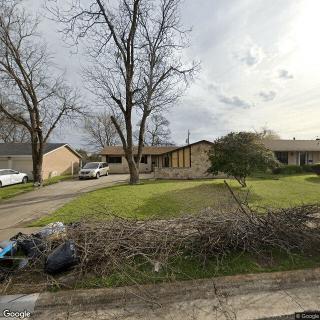
What stands out as the most tangible drawbacks are also the most consequential. The watchdog moment, arriving to find Hazel not present and waiting about 10 minutes, undercuts any impression of dependable oversight. Residents appeared to be left largely on their own in a setting that already shows signs of aging, which compounds concern about daily monitoring and timely assistance. The physical environment reinforces the risk: clutter in parts of the facility and wires or extension cords visibly strung across walls. These conditions elevate the potential for trips, falls, or other accidents, and they undermine confidence that urgent help would be immediate if needed.
Because the review does not reveal clear, compensating advantages, such as robust programming, consistently available staff, or proactive care management, the negatives are difficult to offset. A home-like vibe cannot compensate for an absence of reliable on-site personnel, nor can modest physical setbacks be justified by any perceived informal care model. The combination of irregular staff presence, a visibly aging infrastructure, and safety hazards creates a gap between expectations for assisted living and what this setting appears prepared to deliver. In practical terms, the drawbacks significantly outweigh any unspoken benefits of a small, intimate operation.
Families evaluating hazels must be methodical in their due diligence. Start with a live visit during typical hours to observe whether staff are present, engaged, and responsive. Confirm the staffing schedule and whether a qualified caregiver remains on-site at all times or simply checks in briefly. Inspect the living and common areas for safety improvements already in place, lighting, clutter control, secure wiring, and easy access to assistive devices. Request current licenses, state inspections, and a written plan for emergencies, medications, and daily activities. Speak with current residents about their daily routines and responsiveness of care, and contact references for a candid read on consistency and quality of service. Demand a trial period or a clearly defined start-up phase with measurable milestones.
The bottom line is clear: Hazels Home Care Dallas presents a riskier proposition for anyone who needs dependable supervision, rapid response, and a consistently well-maintained environment. It may still be considered by families with very specific wishes for a tiny, home-flavored setting and who can tolerate irregular staffing and aging facilities. If this route is pursued, it should be with explicit expectations, strict on-site verification, and a plan to reevaluate quickly if staffing reliability or safety standards do not improve. Practical next steps include arranging a thorough on-site assessment, insisting on a fixed caregiver presence during visits, and aligning any arrangement with a formal care plan that addresses emergency protocols and ongoing maintenance.
 9 resident community capacity
 Assisted Living
 Board and Care Home
 Respite Care
 Cats allowed
 Dogs allowed
 Activities off-site
 Cable or satellite TV
 Devotional services off-site
 Dining room
 Fully furnished
 Garden
 Housekeeping services
 Move-in coordination
 Outdoor space
 Telephone
 Wi-Fi/high-speed internet available
 Dallas Love (13 miles away)
 24-hour supervision
 Assistance with bathing
 Assistance with dressing
 Assistance with transfers
 Diabetes diet
 Diabetic care
 High acuity care
 Incontinence care
 Meal preparation and service
 Medication management
 Special dietary restrictions
 Transportation arrangement (medical)
 Transportation to doctors appointments
 Home-like setting with fully furnished rooms, meals, activities, housekeeping, and coordinated care.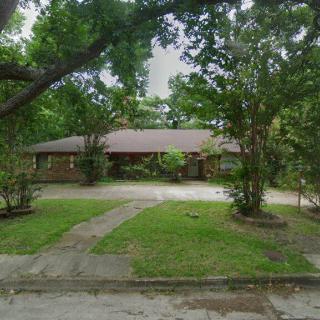
 How and When Medicaid May Cover Assisted Living Costs
 A Detailed Exploration of Assisted Living Medicaid Waivers Across the United States
 Comprehensive Residential Support and Assisted Living Solutions for Individuals with Disabilities