The Mulberry House 1 offers competitive pricing for its accommodations compared to both Collin County and the broader state of Texas. For a semi-private room, residents can expect a cost of $3,000 per month, which is significantly lower than the county's average of $3,950 and the state average of $3,680. In terms of private rooms, The Mulberry House 1 charges $3,500 per month - again presenting a more affordable option compared to Collin County's average of $4,324 and Texas's statewide average of $4,096. These pricing structures make The Mulberry House 1 an appealing choice for individuals seeking quality care at a reasonable cost in the region.
Floor plans
The Mulberry House 1
Collin County
Texas
Semi-Private
$3,000
$3,950
$3,680
Private
$3,500
$4,324
$4,096
Memory care communities with a similar price nearby
Families describe caring, responsive support and a clean community for daily living.
Several families say they like the care here and highlight how staff stay attentive to residents and keep working on concerns when they come up. In the same reviews, families also mention the community is clean, alongside owners who keep making an effort on behalf of their loved ones. Residents’ day-to-day experience is also supported by a schedule of activities, including on-site and off-site options and community-sponsored events.
How we summarize
Counts show how many written reviews mention each theme; a review can touch several themes, and only frequently mentioned themes are displayed.
Features
Housing
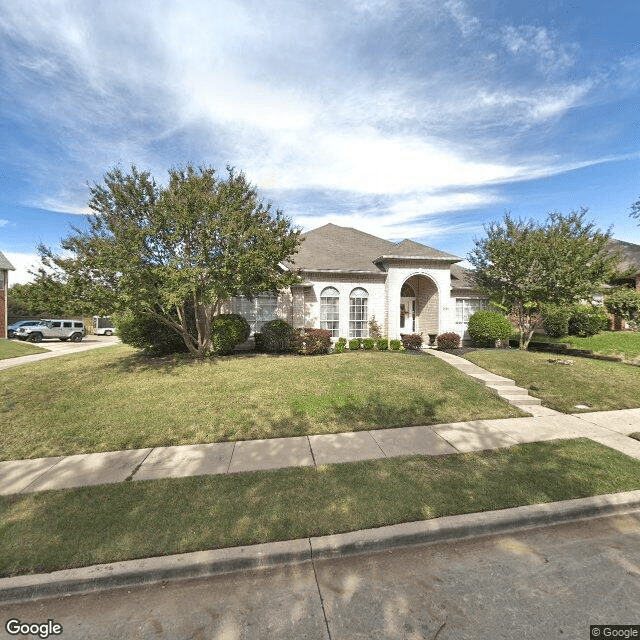
6 resident community capacity
Types of Care
Assisted Living
Board and Care Home
Memory Care
Amenities
Activities off-site
Activities on-site
Air-conditioning
Bath tubs
Beautician on-site
Cable or satellite TV
Devotional services off-site
Devotional services on-site
Dining room
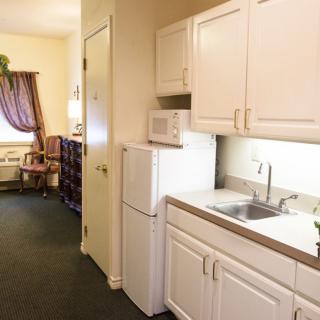
Fully furnished
Garden
Handicap accessible
Housekeeping services
Indoor common areas
Move-in coordination
Outdoor common areas
Outdoor space
Private
Private bathrooms
Respite or short term stays offered
Telephone
Wheelchair accessible showers
Wi-Fi/high-speed internet available
Transportation
Dallas Love (25 miles away)
Care Services
24-hour supervision
Activities of daily living assistance
Assistance with bathing
Assistance with dressing
Assistance with transfers
Coordination with health care providers
Diabetes diet
Diabetic care
High acuity care
Incontinence care
Meal preparation and service
Medication management
Special dietary restrictions
Transportation arrangement (medical)
Transportation to doctors appointments
Dining
Anytime dining
Diabetes diet
Gluten-free
Kosher
Low / no sodium
Meals provided
No Sugar
Organic
Restaurant style dining
Room service
Special dietary restrictions
Vegan
Vegetarian
Activities
Activities off-site
Activities on-site
BBQs or picnics
Birthday parties
Community-sponsored activities
Devotional activities offsite
Devotional activities on-site
Holiday parties
Live dance or theater performances
Live musical performances
Scheduled daily activities
Visiting chaplain or priest
Nearby Places of Interest
This part of McKinney, Texas offers a variety of amenities within close proximity, making it a convenient and accessible location for senior living. With several pharmacies nearby such as Walgreens and CVS Pharmacy, as well as medical facilities like Pediatric Healthcare Associates PA and Digestive Health Associates of Texas, residents can easily access healthcare services. The area also boasts a range of dining options including Chick-Fil-A and Delaney's Irish Pub, along with popular coffee shops like Starbucks. Cinemark theater is available for entertainment, while parks such as Quail Run Park provide opportunities for outdoor recreation. Places of worship such as Stonebridge United Methodist Church offer spiritual support and community connections. Overall, this area provides a well-rounded environment for seniors seeking convenience, healthcare access, dining options, entertainment, and community engagement.
Pharmacies
Walgreens (0.4 miles)
CVS Pharmacy (0.9 miles)
Walmart Pharmacy (2.1 miles)
Market Street Pharmacy (2.2 miles)
CVS Pharmacy (2.3 miles)
CVS Pharmacy (2.3 miles)
Walgreens (2.8 miles)
Physicians
Pediatric Healthcare Associates PA (0.5 miles)
Allergy Ear Nose & Throat Clinic (1.5 miles)
Digestive Health Associates of Texas (1.5 miles)
Snyder-Hopkins Family Medicine Center (1.6 miles)
Center For Dermatology (1.6 miles)
Newberry Vision Center (2.6 miles)
Lowery, Bryan Dr - Village Health Partners Mckinney Medical Village (3.1 miles)
The Mulberry House 1 offers competitive pricing for its accommodations compared to both Collin County and the broader state of Texas. For a semi-private room, residents can expect a cost of $3,000 per month, which is significantly lower than the county's average of $3,950 and the state average of $3,680. In terms of private rooms, The Mulberry House 1 charges $3,500 per month - again presenting a more affordable option compared to Collin County's average of $4,324 and Texas's statewide average of $4,096. These pricing structures make The Mulberry House 1 an appealing choice for individuals seeking quality care at a reasonable cost in the region.
The Mulberry House 1's comprehensive features are designed to enhance the quality of life for residents with dementia or Alzheimer's disease by ensuring their safety and well-being throughout daily routines. The provision of 24-hour supervision fosters a secure environment where residents receive continuous support, while assistance with activities of daily living, including bathing, dressing, and transfers, promotes dignity and independence tailored to individual needs. Coordination with health care providers ensures that any medical concerns are promptly addressed, which is crucial for managing the complex health issues often associated with cognitive decline. Incontinence care and meal preparation further contribute to maintaining comfort and nutritional well-being. Additionally, medication management helps in adhering to prescribed treatments, reducing the risk of medication errors, and transportation arrangements facilitate access to medical appointments, thereby supporting overall health maintenance. Collectively, these services create a nurturing atmosphere that not only safeguards residents but also enhances their quality of life through personalized attention and care.
Nearby Communities
The Mulberry House 2
Mckinney, TX
Fully furnished apartments with on-site dining, 24/7 supervision, and personalized care (including diabetes-friendly meals).
The Mulberry House II
McKinney, TX
3 from 4 reviews
$3,000 to $3,500 / month
Caring, compassionate staff; homelike, clean environment with values-based care and family-style meals.
Greenfield Residential Care Homes
Mckinney, TX
4.7 from 7 reviews
$5,000 to $6,500 / month
Compassionate, family-like staff; clean, safe, and well-maintained environment.
The Oxford Grand
Mc Kinney, TX
4.6 from 40 reviews
Specialized memory care with 24/7 assistance and on-site amenities (dining, salon, fitness).
Oxford Grand at McKinney
McKinney, TX
4.6 from 87 reviews
$3,495 to $4,950 / month
Warm, attentive staff with engaging activities.
The Ivy at McKinney
Mc Kinney, TX
4.3 from 48 reviews
Friendly staff and a warm, social community with spacious apartments and engaging activities.
The Ivy of McKinney
McKinney, TX
4.3 from 107 reviews
$3,275 to $5,250 / month
Friendly staff and a vibrant community with spacious apartments.
Emerald Cottages of Stonebridge
McKinney, TX
4.8 from 17 reviews
$3,300 / month
Home-like cottages with attentive staff and an active social life.
Legend of McKinney
McKinney, TX
4.7 from 99 reviews
$4,710 to $6,925 / month
Caring staff, tasty meals, and a warm, homelike atmosphere with engaging activities.
VA nursing homes, or Community Living Centers (CLCs), offer tailored long-term care for veterans, featuring medical attention and rehabilitation in a supportive environment. The guide covers facility types, eligibility criteria, financial assistance options, quality of care standards, and alternatives to full-time nursing home placement.
At-home dementia care expenses vary widely based on care levels, location, and caregiver expertise, with monthly costs for home health aides exceeding $4,500 and specialized care potentially surpassing $100,000 annually. While families favor in-home care for its comfort and personalized attention, they must consider financial planning and the challenges of caregiver fatigue.
The article discusses the late stages of dementia, detailing the progression from mild to severe impairment and highlighting key characteristics such as profound cognitive decline and dependency in daily activities. It emphasizes care strategies focused on comfort and dignity, the importance of advance directives, and the emotional support needed for family caregivers facing this challenging journey.
Get PricingAsk A QuestionSchedule A TourContact Senior Advisor
By clicking submit, you agree to our Partner's Terms of Use. You
also consent to receive calls and texts, which may be autodialed, from our Partner. Your consent is not a condition to
using our Partner's service. Please visit our Partner's Privacy Policy for information about their privacy practices.



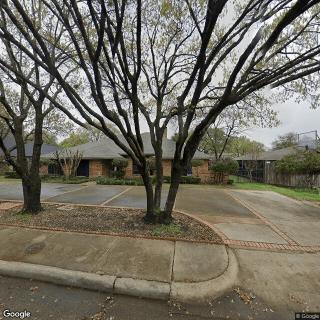
 6 resident community capacity
 Assisted Living
 Board and Care Home
 Memory Care
 Activities off-site
 Air-conditioning
 Bath tubs
 Beautician on-site
 Cable or satellite TV
 Devotional services off-site
 Dining room
 Fully furnished
 Garden
 Handicap accessible
 Housekeeping services
 Indoor common areas
 Move-in coordination
 Outdoor common areas
 Private
 Private bathrooms
 Respite or short term stays offered
 Telephone
 Wheelchair accessible showers
 Wi-Fi/high-speed internet available
 Dallas Love (25 miles away)
 24-hour supervision
 Assistance with bathing
 Assistance with dressing
 Assistance with transfers
 Diabetes diet
 Diabetic care
 High acuity care
 Incontinence care
 Meal preparation and service
 Medication management
 Special dietary restrictions
 Transportation arrangement (medical)
 Transportation to doctors appointments
 BBQs or picnics
 Birthday parties
 Live dance or theater performances
 Live musical performances
 Visiting chaplain or priest
 Fully furnished apartments with on-site dining, 24/7 supervision, and personalized care (including diabetes-friendly meals).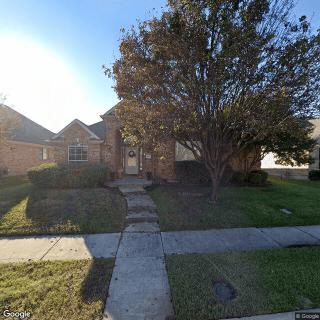




 Comprehensive Guide to VA Nursing Homes: A Crucial Long-Term Care Resource for Veterans
 Estimating the Expenses of At-Home Dementia Care: A Detailed Exploration
 Comprehensive Insights on the Late Stages of Dementia: What to Expect and How to Provide Care