
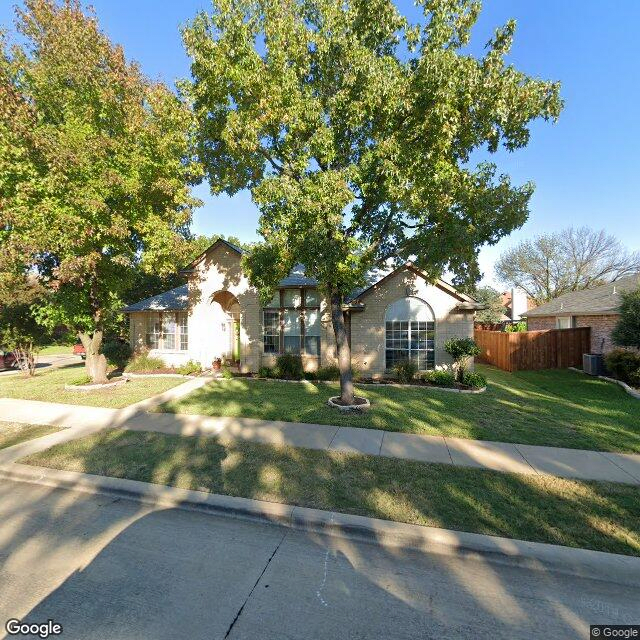
3401 Los Alamos Lane, Mckinney, TX 75070
For more information about senior living options: (866) 208-4318
Greenfield Residential Care Homes Costs & Pricing
Greenfield Residential Care Homes offers a range of accommodations with prices that reflect the quality of care and living environment provided. For semi-private rooms, residents can expect to pay $5,000 per month, which is significantly higher than the county average of $3,950 and the state average of $3,680. Similarly, private rooms at Greenfield are priced at $6,500 monthly - again above both Collin County's rate of $4,324 and Texas' average of $4,096. While these costs may seem elevated compared to local and state benchmarks, they likely correlate with the exceptional services and amenities that Greenfield Residential Care Homes strives to provide for its residents.
| Floor plans | Greenfield Residential Care Homes | Collin County | Texas |
|---|---|---|---|
| Semi-Private | $5,000 | $3,950 | $3,680 |
| Private | $6,500 | $4,324 | $4,096 |
Assisted Living communities with a similar price nearby
-
About the same

Manchester Place
$5,000 / month23.0 miles away -
About the same
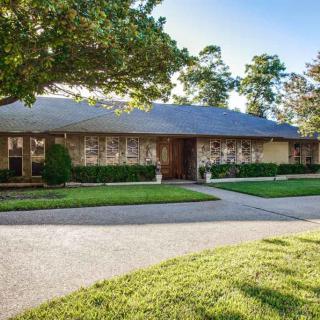
Avalon Memory Care Royal Circle
$4,875 to $5,475 / month19.6 miles away -
from -$305 / mo
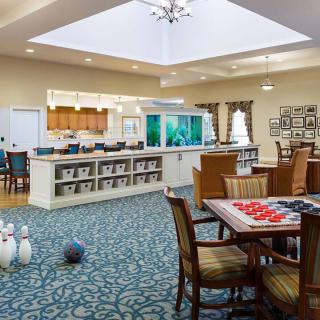
HarborChase of McKinney
$4,695 to $6,195 / month2.3 miles away -
from -$900 / mo

The Monarch at Richardson
$4,100 to $6,995 / month13.9 miles away -
About the same
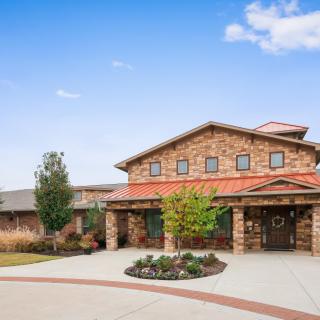
Rosewood Assisted Living & Memory Care
$5,135 to $6,745 / month24.8 miles away
Overall Review of Greenfield Residential Care Homes
Pros
 The staff at Greenfield Residential are considered part of the family and provide excellent care.
- The quality of care is far above expectations, with the resident consistently clean, healthy, and in good spirits.
- Eppie and the staff are described as blessings and as family members by grateful families.
- Greenfield Residential is regarded as the very best place for mom, with care that helped her live longer.
- The environment is loving, calming, and clean, with loving caregivers and fabulous meals.
- Families feel incredibly blessed to have found Greenfield Residential.
Cons
 They were very concerned that Mom could be neglected or abused since she couldn’t report back due to dementia.
- They feared she would be vulnerable to neglect and/or abuse.
- Their only regret was waiting so long to move her into care.
Review
Greenfield Residential Care Homes in McKinney is best suited for families seeking a small, home-like setting where an elderly loved one can receive vigilant, highly personal care. The community is repeatedly praised for a calm, nurturing environment in which residents feel at home, and staff become integral members of the family. The model proves especially strong for seniors with dementia, where stable supervision and routine reduce anxiety and elicit a sense of safety during visits. Long-tenured caregivers and a tight-knit team create trust that matters when a resident cannot report back on daily care.
For those prioritizing extensive medical oversight or a campus with broader nursing services, alternatives should be considered. The price, about $100 per day, demands careful budgeting and may push families toward other options. While the residential format relies on hands-on supervision from a small staff rather than on-site full-time nurses, this can be a meaningful compromise for people who value homelike living, but it may be less suitable when complex skilled care is regularly needed. A larger assisted living or a memory-care facility with more robust medical resources could be a better match in such cases.
Among the strongest positives are the care quality and the daily atmosphere. Residents are described as clean, healthy, and consistently in good spirits during visits, with staff’s kindness, patience, and attentiveness repeatedly highlighted. Food quality and a calming environment add to overall well-being, and family members report that caregivers treat loved ones with dignity and respect. The sense that caregivers feel like part of the family is not accidental here, several families speak of staff as trusted extensions of themselves, providing reassurance that a vulnerable parent is cherished and protected.
However, the intimate, home-based model does carry trade-offs. The most conspicuous is cost, which translates into a significant ongoing expense for many families. More importantly, the smaller operation may have fewer on-site medical resources, and families should verify whether 24/7 nursing oversight, regular physician access, or comprehensive rehab services align with a resident’s needs. That said, the very traits that create trust, continuity of caregivers, familiarity with routines, and long-tenured staff, help compensate for these gaps by enabling precise, personalized care and rapid responsiveness to changes in condition.
Ultimately, the calculus favors Greenfield when the goal is consistent, compassionate, home-like daily living over institutional formality. The ability to maintain stability for years, the presence of caring leadership, and the sense of community translate into lower distress for both residents and families. Price and resource limits are offset by the value of peace of mind, predictable routines, and a supportive environment that minimizes the fear of neglect or abandonment. The long-running care for a dementia resident and the testimony of grateful families underscore that what Greenfield offers is rare in larger settings.
Families considering this community should plan a visit with clear questions: who leads daily care; what is the staff-to-resident ratio; how are dementia-specific routines managed; what are the meal plans and activity calendars; and how flexible is care as needs evolve? Request to meet caregivers and observe interactions with a resident who has memory challenges. Consider a staged arrangement to test compatibility, given strong testimonies but acknowledging individual needs differ. The overarching message is practical: for many families, Greenfield delivers the dependable, affectionate care that turns a house into a true home, and that is exactly the kind of value that justifies a thoughtful, deliberate choice.
 6 resident community capacity
 Assisted Living
 Board and Care Home
 Cable or satellite TV
 Dining room
 Fully furnished
 Garden
 Housekeeping services
 Move-in coordination
 Outdoor space
 Private
 Telephone
 Wi-Fi/high-speed internet available
 Dallas Love (24 miles away)
 24-hour supervision
 Activities of daily living assistance
 Assistance with bathing
 Assistance with dressing
 Assistance with transfers
 Diabetes diet
 Meal preparation and service
 Medication management
 Special dietary restrictions
 Transportation arrangement (medical)
 Transportation to doctors appointments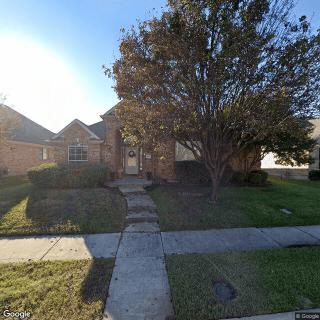
 Understanding Medicaid Coverage for Assisted Living: A Comprehensive Guide
 How and When Medicaid May Cover Assisted Living Costs
 A Detailed Exploration of Assisted Living Medicaid Waivers Across the United States