
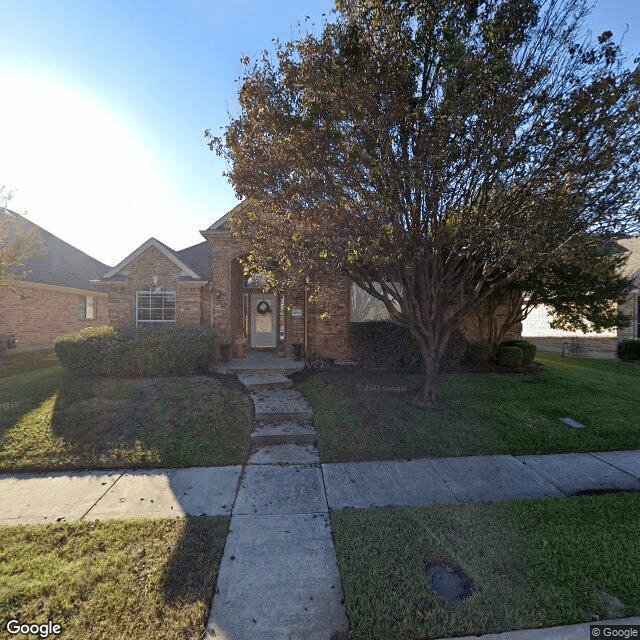
3216 Brentwood Dr, McKinney, TX 75070
To contact a resident: (512) 788-6834
For more information about senior living options: (866) 208-4318
The Mulberry House II Costs & Pricing
At The Mulberry House II, the monthly costs are competitively positioned within the local and state markets. For a semi-private room, residents can expect to pay $3,000, which is significantly lower than the average cost of $3,950 in Collin County and $3,680 across Texas. Similarly, for those seeking more privacy, the monthly fee for a private room at The Mulberry House II is set at $3,500. This rate also undercuts the county's average of $4,324 and the state's average of $4,096. These pricing structures not only reflect an attractive value proposition for potential residents but also emphasize The Mulberry House II's commitment to providing accessible care while maintaining high standards of service.
| Floor plans | The Mulberry House II | Collin County | Texas |
|---|---|---|---|
| Semi-Private | $3,000 | $3,950 | $3,680 |
| Private | $3,500 | $4,324 | $4,096 |
Senior living communities with a similar price nearby
-
from +$466 / mo

Avalon Memory Care - Allen
$3,466 to $6,475 / month6.1 miles away -
from +$500 / mo
Locardia Homecare Living
$3,500 to $4,500 / month10.6 miles away -
About the same
My Family Care Home I
$3,000 to $3,500 / month17.4 miles away -
from +$500 / mo

Nedges Nest
$3,500 to $4,000 / month5.7 miles away -
from -$505 / mo

Lewisville Estates - IL
$2,495 to $3,295 / month21.7 miles away
Overall Review of The Mulberry House II
Pros
 Mulberry House II is described as a home that is beautiful, clean, safe, and nurturing.
- One of the owners is described as kind, loving, caring, and compassionate.
- The staff are noted as very good and caring, with the mother feeling safe, happy, and welcomed with a hug and kindness.
- Family-style meals are described as wonderful, and families feel welcome and well informed.
- The facility is described as Christian-based and leaving a positive, good-vibe impression.
- The house manager is described as absolutely wonderful and as treating loved ones with care.
- The facility is cleaned and maintained, with staff handling laundry and keeping floors swept.
Cons
 What they promised and what they delivered were not the same thing.
- Some of the caregivers are not as agreeable as others.
- They promised specialized diets, but they did not adhere to that.
- There was a $3,000 upfront nonrefundable fee.
- There is a 30-day leaving notice, and rent had to be paid even after the resident died.
- They offered no refund for the unused portion of rent.
- Their bedside manner is lacking.
- The food lacked fresh fruits or vegetables and consisted largely of canned or frozen items.
Review
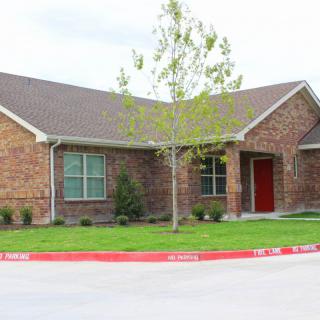
Mulberry House II in McKinney is best suited for families seeking a small, home-like assisted living where warmth, daily attentiveness, and a Christian-friendly atmosphere carry real weight. This community shines for seniors who want intimate interaction with caregivers, regular family involvement, and a setting that feels more like a private home than a clinical facility. The intimate atmosphere can deliver a sense of safety and belonging that larger communities sometimes miss. The trade-off is a caregiving landscape where consistency among staff varies, some caregivers are notably engaging, while others come across as less aligned with the level of attentiveness families expect. Promises around specialized diets are not always kept, which underscores the risk of relying on uniform care in a small operation.
Those who may want to consider alternatives are clear: anyone whose priority is rock-solid, predictable care plans, perfectly transparent financial terms, or rigorous dietary oversight should explore other options. The financial terms at Mulberry House II can undermine overall confidence: a $3,000 nonrefundable upfront fee, a requirement to pay the next month’s rent upfront, and a 30-day notice to leave, with no reimbursement if a death or sudden health change occurs. In addition, the meals, while described as healthy, lean toward canned or frozen options with little fresh produce, a misalignment for families that prioritize a consistently varied, fresh menu. For families that need comprehensive dietary commitments or airtight, client-friendly billing policies, alternatives will feel more secure.
The upside of Mulberry House II rests in its emotional and daily-life benefits. The setting’s home-like feel, cleanliness, safety, and hands-on care create a comforting environment where residents can settle in with confidence that staff will greet them with warmth. Positive caregiver interactions and the sense that the home is actively managed by caring individuals translate into peace of mind for families during stressful transitions. The prospect of family-style meals and frequent updates keeps relatives engaged and reassured. When a house manager is described as wonderful and the atmosphere is consistently described as welcoming, those relational strengths become meaningful anchors, especially for residents who thrive on familiar routines and personal gestures of kindness.
However, the main drawbacks pull steadily against the overall value proposition. The most notable are not just occasional caregiver inconsistencies but the broader issues around dietary promises and financial mechanics. When a facility markets specialized diets and then struggles to deliver, that disconnect can undermine health outcomes and trust. The rigid upfront payment structure and the lack of reimbursement after a loved one’s death create an ongoing financial vulnerability that families must manage, sometimes long after a move-in moment has passed. Coupled with limited access to fresh produce, these factors collectively tilt the balance away from suitability for residents who require precise dietary management or long-term financial predictability.
For families weighing choices, a practical plan is essential. Start by requesting a detailed care plan and a written menu with a nutritionist’s sign-off, then compare it to what actually arrives at table, including portion sizes and fruit/vegetable variety. Obtain the full contract, with explicit explanations of what the upfront fee covers, and insist on a clear policy for refunds in the event of death or medical discharge. Meet several current residents and families to gauge day-to-day consistency in caregiving and to feel the true rhythm of the community. Finally, pin down staffing schedules, turnover rates, and what happens when holidays or sick days disrupt the usual routine. It is equally wise to pilot a short-term stay if the option exists, to test fit before committing long-term.
In the end, Mulberry House II serves a specific subset of seniors and families exceptionally well: those who prize a nurturing, intimate, Christian-informed home atmosphere and who can tolerate imperfect financial terms and occasional caregiver variability. For anyone whose priorities include unwavering dietary adherence, predictable contracts, or robust, scalable care, especially for memory-related needs, alternatives should be pursued without delay. The decision should hinge on how much emotional security and daily homelike comfort are worth against the realities of financial rigidity and service consistency. Thorough due diligence, direct conversations with staff and residents, and side-by-side comparisons with other communities will reveal whether Mulberry House II is the right home or if another setting better aligns with long-term goals and budget.
 Board and Care Home
 Activities off-site
 Air-conditioning
 Bath tubs
 Beautician on-site
 Cable or satellite TV
 Devotional services off-site
 Indoor common areas
 Outdoor common areas
 Private
 Private bathrooms
 Respite or short term stays offered
 Wheelchair accessible showers
 Wi-Fi/high-speed internet available
 Dallas Love (24 miles away)
 Diabetic care
 High acuity care
 Incontinence care
 Medication management
 Anytime dining
 BBQs or picnics
 Birthday parties
 Live dance or theater performances
 Live musical performances
 Visiting chaplain or priest






 Understanding the Nuances of Palliative Care and Hospice: A Comprehensive Exploration
 Is In-Home Healthcare Tax Deductible? Your Comprehensive Guide
 Nurturing Well-Being Through Gardening: A Detailed Guide for Senior Enthusiasts