DaySpring Senior Living offers competitive pricing for its senior living accommodations when compared to both Collin County and the broader state of Texas. For a studio, residents can expect to pay $3,250 per month, which is notably more affordable than the county average of $4,225 and slightly lower than the state average of $3,758. In contrast, the semi-private room option is priced at $4,250 per month - this is higher than the county's average of $3,950 and exceeds the state average of $3,680. Overall, DaySpring Senior Living presents an appealing choice for those seeking quality care and a vibrant community atmosphere while still maintaining affordability in their studio options.
Floor plans
DaySpring Senior Living
Collin County
Texas
Studio
$3,250
$4,225
$3,758
Semi-Private
$4,250
$3,950
$3,680
Memory care communities with a similar price nearby
Residents and families consistently describe staff as caring, warm, and responsive.
Across the reviews, families describe staff who treat residents with patience and kindness, often likening the experience to being cared for by family. Many comments also point to reliable day-to-day support, including prompt help when questions come up and medication provided on time. A few reviews also mention strong communication with family members, which helps set expectations and reduce worry.
common5 reviews mention this
Food earns frequent praise
Dining is repeatedly praised, including residents’ satisfaction with meals.
Several reviews call out the quality of the food, with one describing how a resident put on weight after moving in. Families also mention that the community pays attention to dietary needs, including low-sodium preferences that were adjusted after concerns were raised. Reviews also describe a comfortable, welcoming mealtime experience rather than something that feels purely institutional.
differentiator4 reviews mention this
Faith-based activities are a theme
Faith-centered programming stands out in both reviews and daily offerings.
Multiple reviews describe the community as religiously motivated, with programming that includes Bible-based activities and prayer. That lines up with the on-site and off-site devotional services and scheduled spiritual activities mentioned in the community’s offering list. Residents also appear to be encouraged to participate through group events connected to worship and devotion.
common3 reviews mention this
Cleanliness and security impress
Reviews frequently mention the facility’s upkeep and visitor security.
Visitors and families describe the building as clean and well maintained, including rooms that feel “spic and span.” One review highlights the visitor experience around security procedures, including a secured sign-in process and hand-washing on entry. Other comments reinforce that the day-to-day environment stays orderly and comfortable.
How we summarize
Counts show how many written reviews mention each theme; a review can touch several themes, and only frequently mentioned themes are displayed.
Features
Housing
70 resident community capacity
Types of Care
Assisted Living
Memory Care
Respite Care
Pets
Cats allowed
Dogs allowed
Amenities
Activities off-site
Activities on-site
Air-conditioning
Bath tubs
Beautician on-site
Beauty salon
Cable or satellite TV
Computer center
Devotional services off-site
Devotional services on-site
Dining room
Fitness room
Fully furnished
Gaming room
Garden
Ground floor units
Handicap accessible
Housekeeping services
Indoor common areas
Kitchenette
Move-in coordination
Outdoor common areas
Outdoor space
Private bathrooms
Respite or short term stays offered
Restaurant-style dining
Small library
Telephone
Wellness center
Wheelchair accessible showers
Wi-Fi/high-speed internet available
Transportation
Dallas Love (16 miles away)
Dallas-Fort Worth International (19 miles away)
Community operated transportation
Transportation arrangement
Transportation arrangement (non-medical)
Transportation to doctors appointments
Care Services
12-16 hour nursing
24-hour call system
24-hour supervision
Activities of daily living assistance
Ambulatory care
Assistance with bathing
Assistance with dressing
Assistance with transfers
Diabetes diet
Diabetic care
Incontinence care
Meal preparation and service
Medication management
Mental wellness program
Mild cognitive impairment
Special dietary restrictions
Specialized memory care programming
Dining
Anytime dining
Diabetes diet
Gluten-free
Guest meals
Low / no sodium
Meals provided
No Sugar
Organic
Professional chef
Restaurant style dining
Room service
Special dietary restrictions
Special dining programs
Vegan
Vegetarian
Activities
Art classes
Bible study group
Catholic services
Community-sponsored activities
Concierge services
Cooking classes
Devotional activities offsite
Devotional activities on-site
Educational speakers / life long learning
Fitness programs
Other religious services
Planned day trips
Protestant services
Resident-run activities
Scheduled daily activities
Visiting chaplain or priest
Nearby Places of Interest
This part of Plano, Texas, offers a convenient and thriving community for seniors looking to settle down. With a variety of pharmacies, hospitals, physicians' offices, and cafes within close proximity, residents can easily access necessary healthcare services and amenities. The abundance of parks nearby provides opportunities for outdoor recreation and relaxation. Additionally, there are several restaurants in the area offering a diverse selection of dining options for seniors to enjoy. Places of worship are also readily available for those seeking spiritual fulfillment. Overall, this neighborhood in Plano provides a well-rounded environment with essential resources and activities for seniors to lead a comfortable and fulfilling lifestyle.
Pharmacies
CVS Pharmacy (0.4 miles)
Walgreens (0.9 miles)
Walgreens (1.7 miles)
CVS Pharmacy (1.8 miles)
CVS Pharmacy (1.8 miles)
Walgreens (1.9 miles)
CVS Pharmacy (2.2 miles)
Parks
Memorial Park (1.8 miles)
Hoblitzelle Park (2.4 miles)
Windhaven Meadows Park (2.6 miles)
Russell Creek Park (3 miles)
Coyote Creek Park (4.1 miles)
Twin Creeks Park (4.2 miles)
Arbor Hills Nature Preserve (4.9 miles)
Restaurants
Eddie's Diner (1.9 miles)
Braum's (2.2 miles)
The Holy Grail Pub (3.1 miles)
Turkish Cafe & Lounge (3.2 miles)
Sonic Drive-In (3.2 miles)
Saravanaa Bhavan (3.3 miles)
Lazy Dog Restaurant & Bar (3.3 miles)
Physicians
Dallas Associated Dermatologists (1.9 miles)
Dhat (2.1 miles)
The ENT & Allergy Centers of Texas (2.7 miles)
Cornea Associates of Texas (3.5 miles)
Cook Children's Pediatrics Collin County (3.7 miles)
Plano Orthopedic & Sports Medicine Center (3.8 miles)
Touchstone Imaging Plano (4 miles)
Cafes
Mozart Bakery (1.9 miles)
Red Truck Cafe (3.2 miles)
Starbucks (3.5 miles)
Mimi's Star Cafe (3.9 miles)
85C Bakery Cafe (4.1 miles)
Starbucks (4.2 miles)
Hospitals
The Heart Hospital Baylor Plano (3.4 miles)
Baylor Scott & White Medical Center (3.8 miles)
Texas Health Presbyterian Hospital Plano (4.2 miles)
DaySpring Senior Living offers competitive pricing for its senior living accommodations when compared to both Collin County and the broader state of Texas. For a studio, residents can expect to pay $3,250 per month, which is notably more affordable than the county average of $4,225 and slightly lower than the state average of $3,758. In contrast, the semi-private room option is priced at $4,250 per month - this is higher than the county's average of $3,950 and exceeds the state average of $3,680. Overall, DaySpring Senior Living presents an appealing choice for those seeking quality care and a vibrant community atmosphere while still maintaining affordability in their studio options.
DaySpring Senior Living's comprehensive features are designed to create a supportive environment for individuals with dementia or Alzheimer's disease. The 24-hour supervision ensures that residents receive constant oversight, promoting safety and comfort. Assistance with activities of daily living--such as bathing, dressing, and transfers--addresses the unique challenges these individuals face, fostering independence while ensuring their dignity is maintained. Incontinence care and meal preparation cater to both physical needs and dietary preferences, enhancing overall well-being. Medication management helps maintain health stability by ensuring timely administration of necessary prescriptions, while a mental wellness program encourages cognitive engagement through tailored activities. Additionally, specialized memory care programming supports varying levels of cognitive impairment, ensuring each resident receives individualized attention that caters to their specific stage in the disease process. Together, these elements create a nurturing space that promotes quality of life for residents with memory care needs.
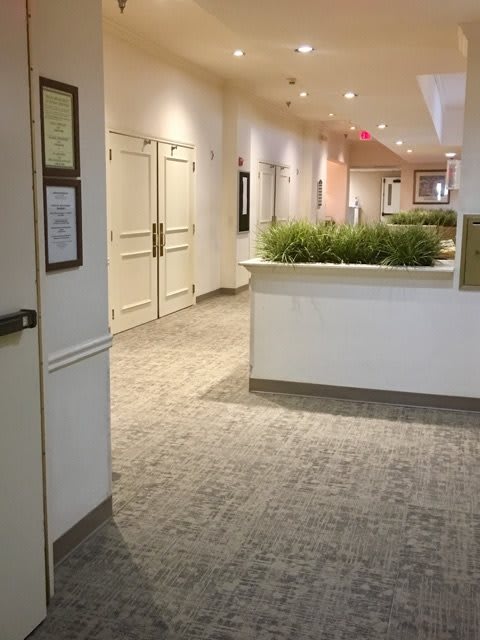
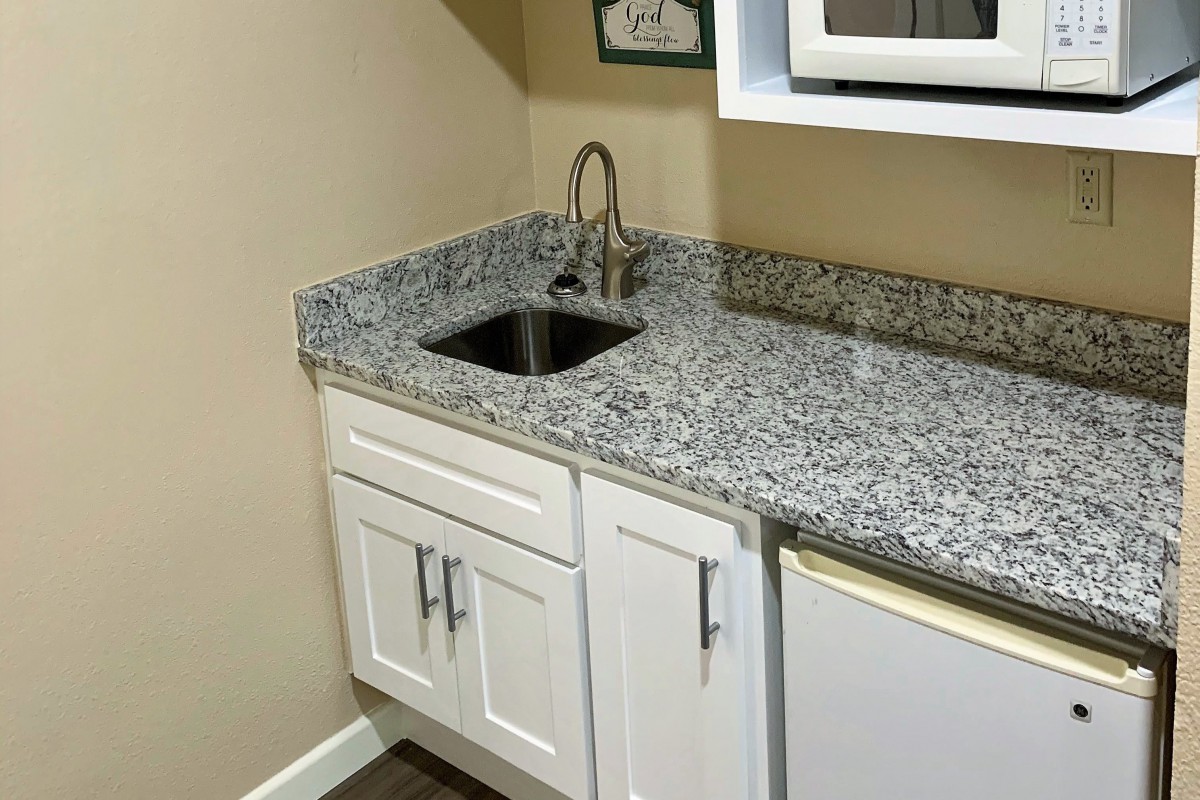
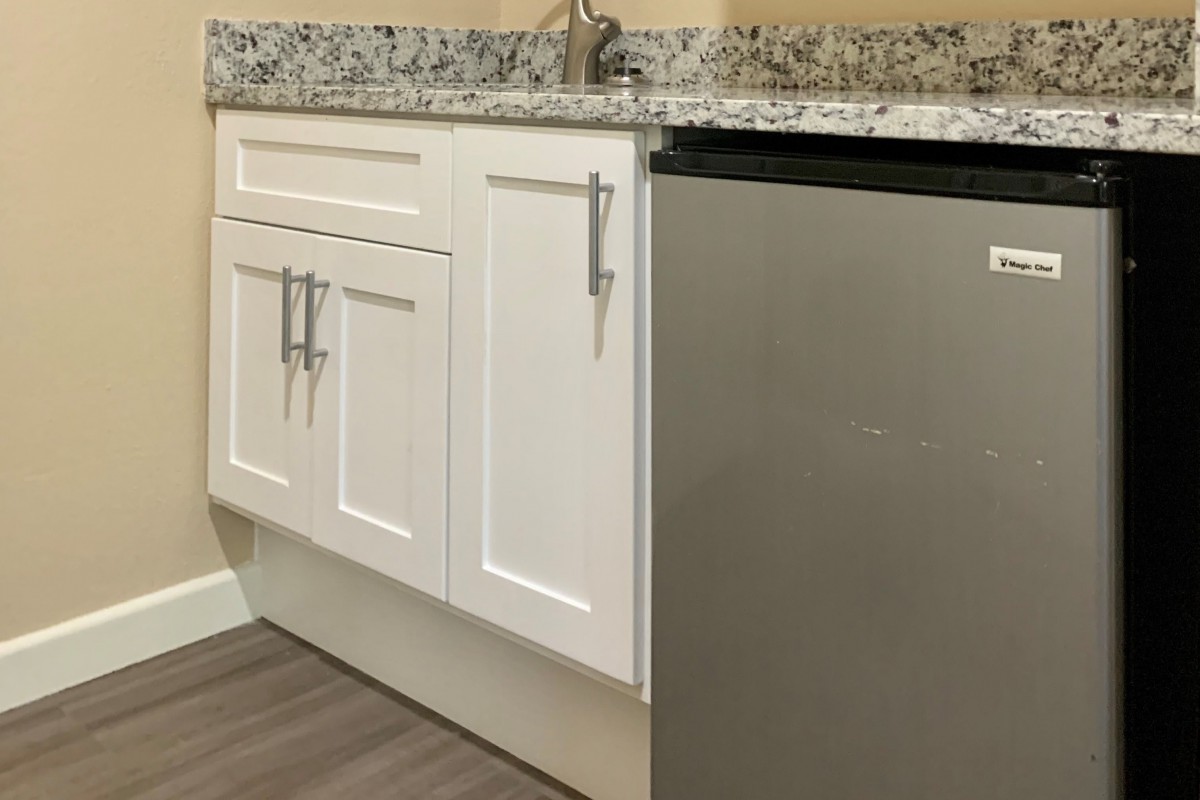
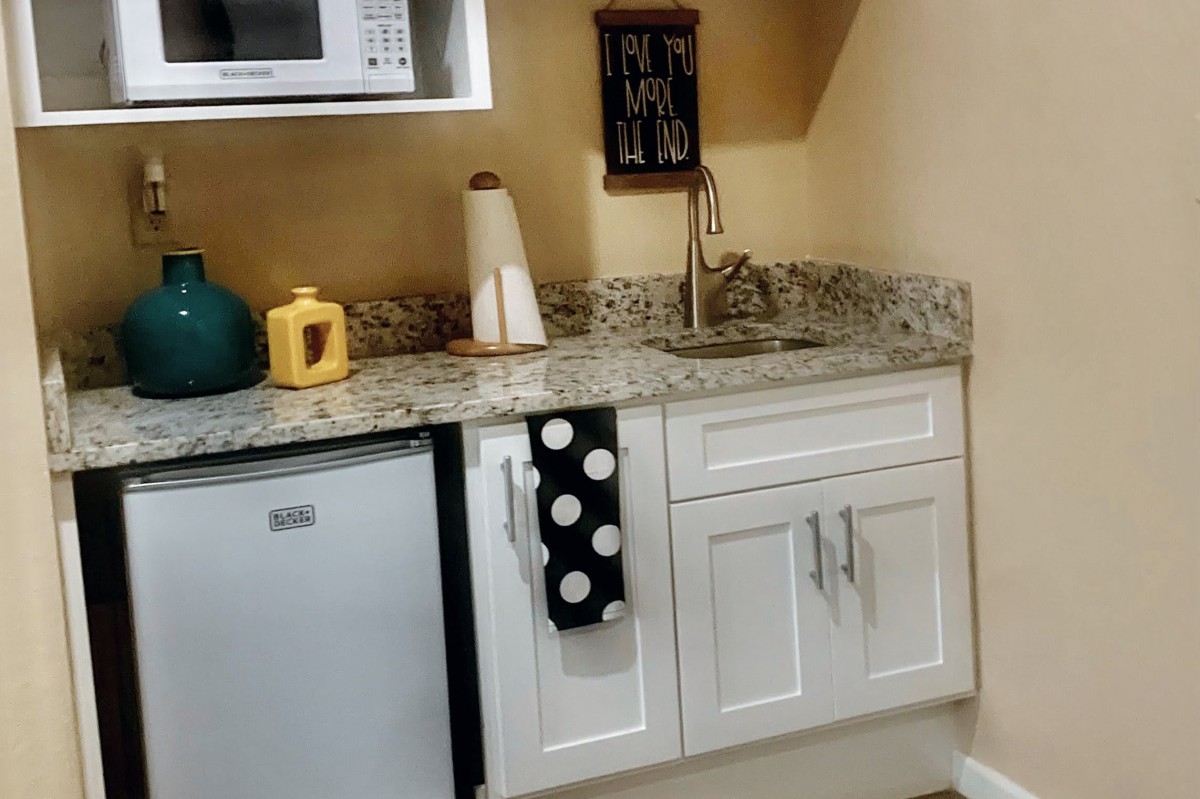
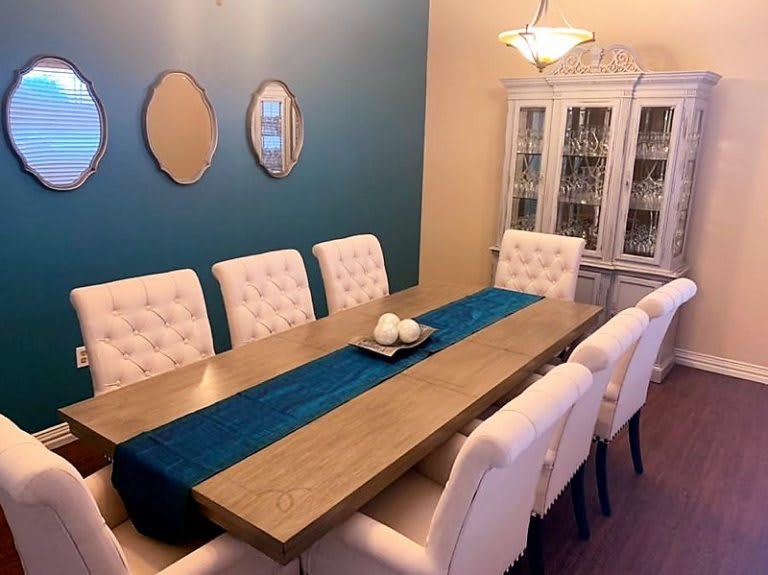
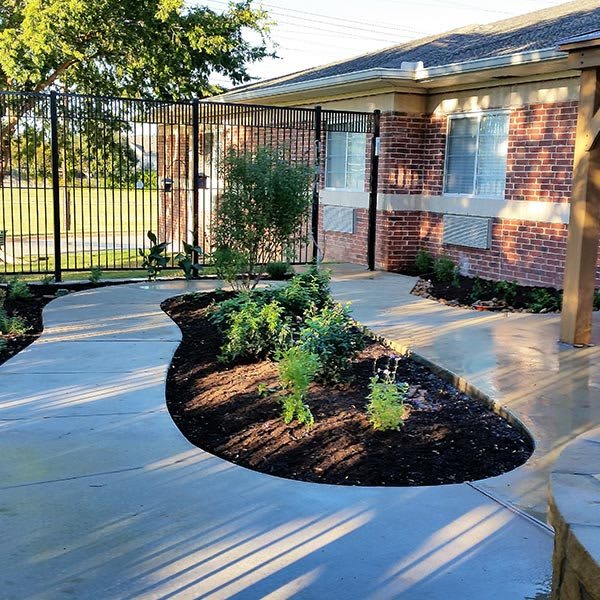
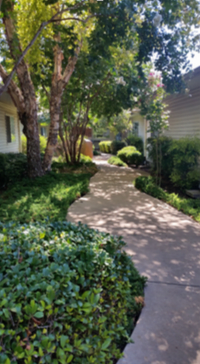
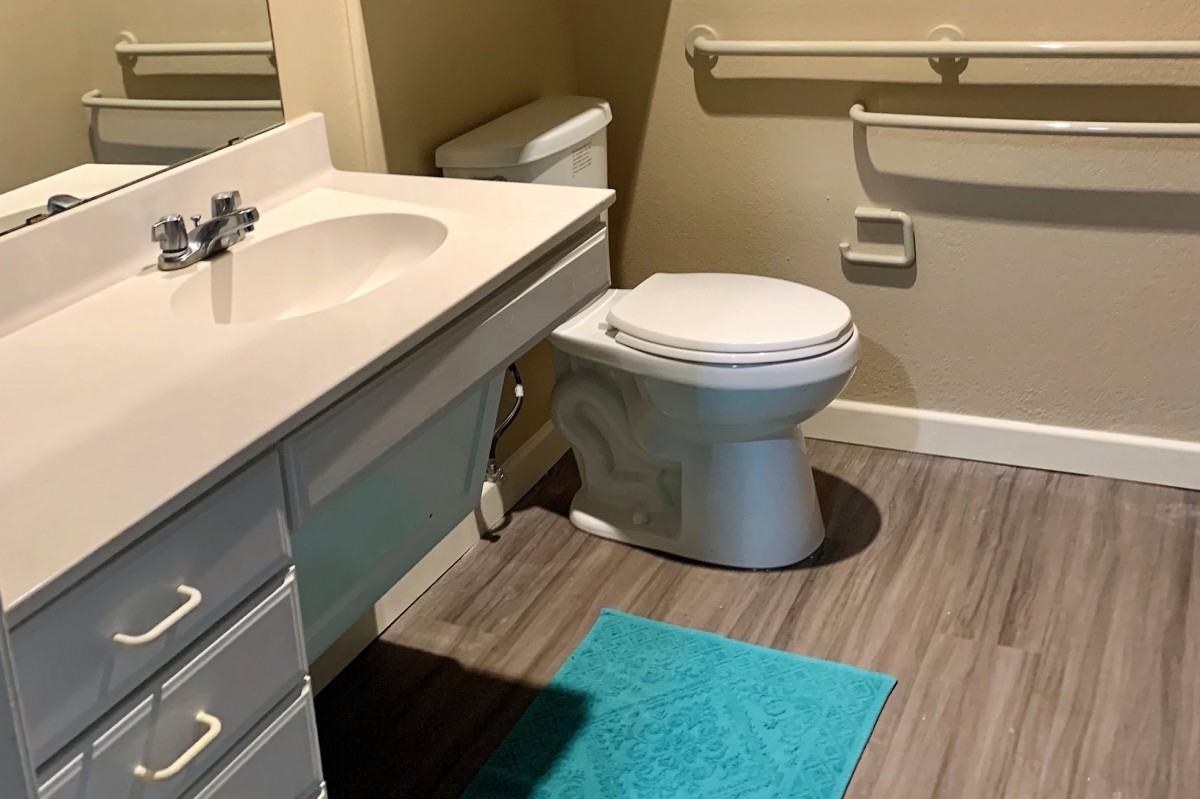
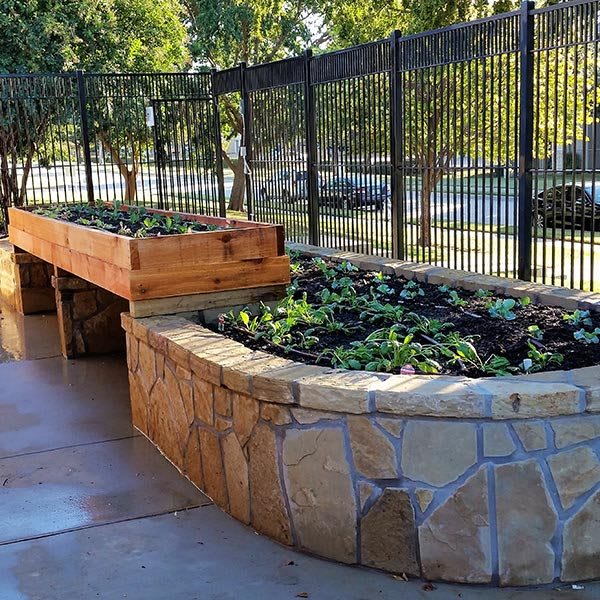
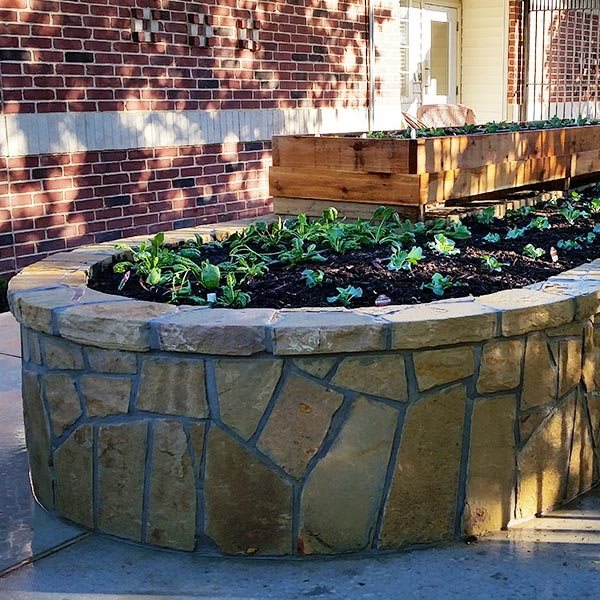
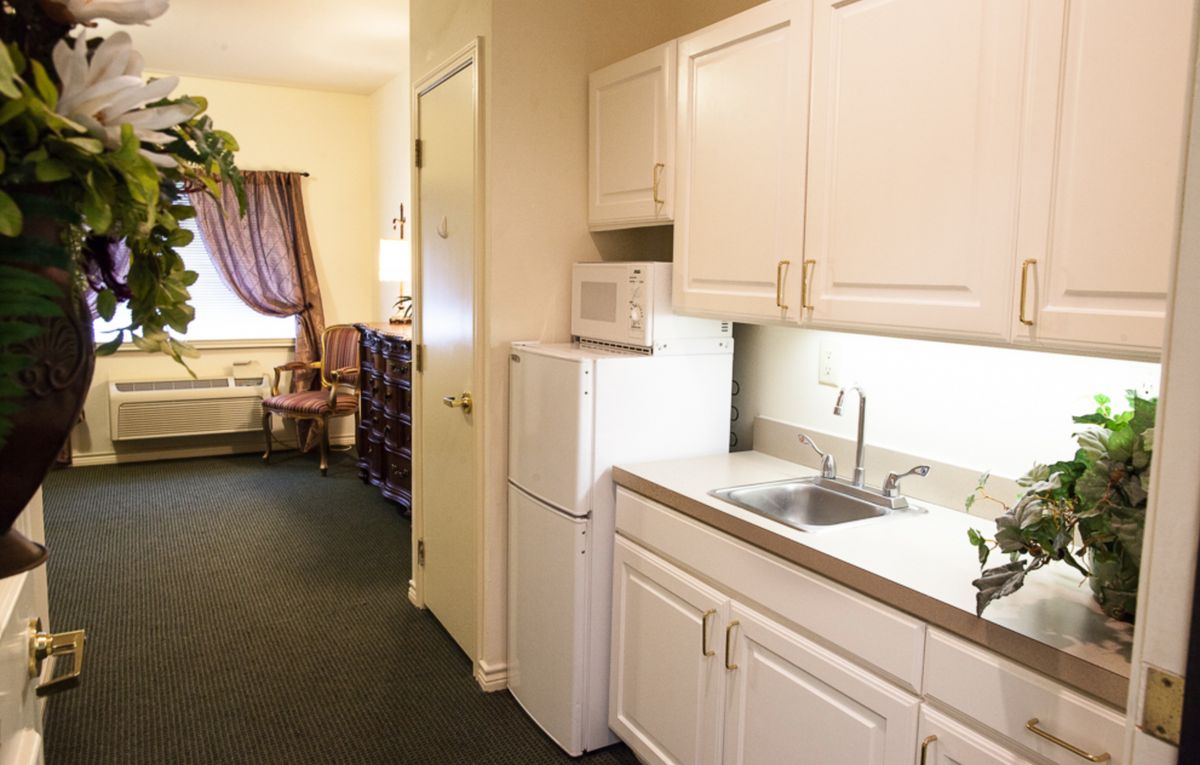
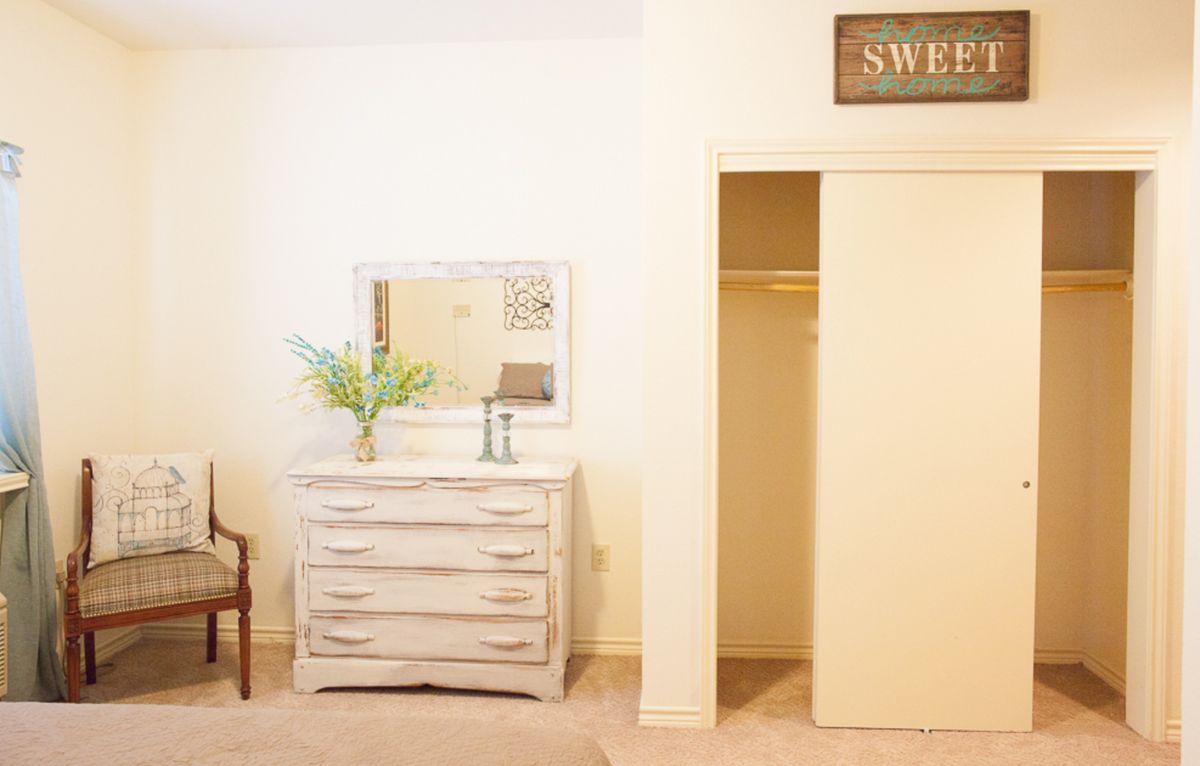
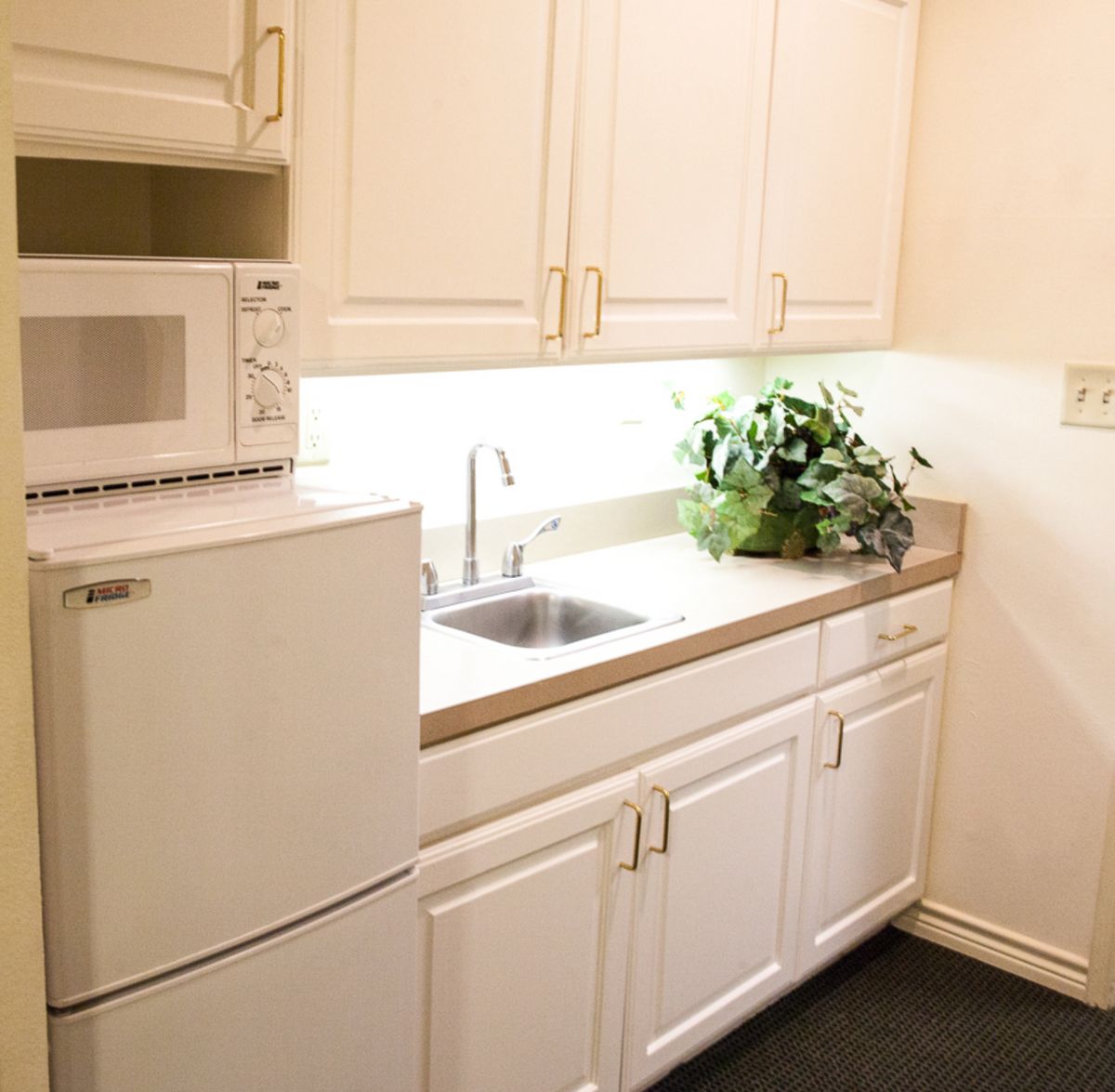
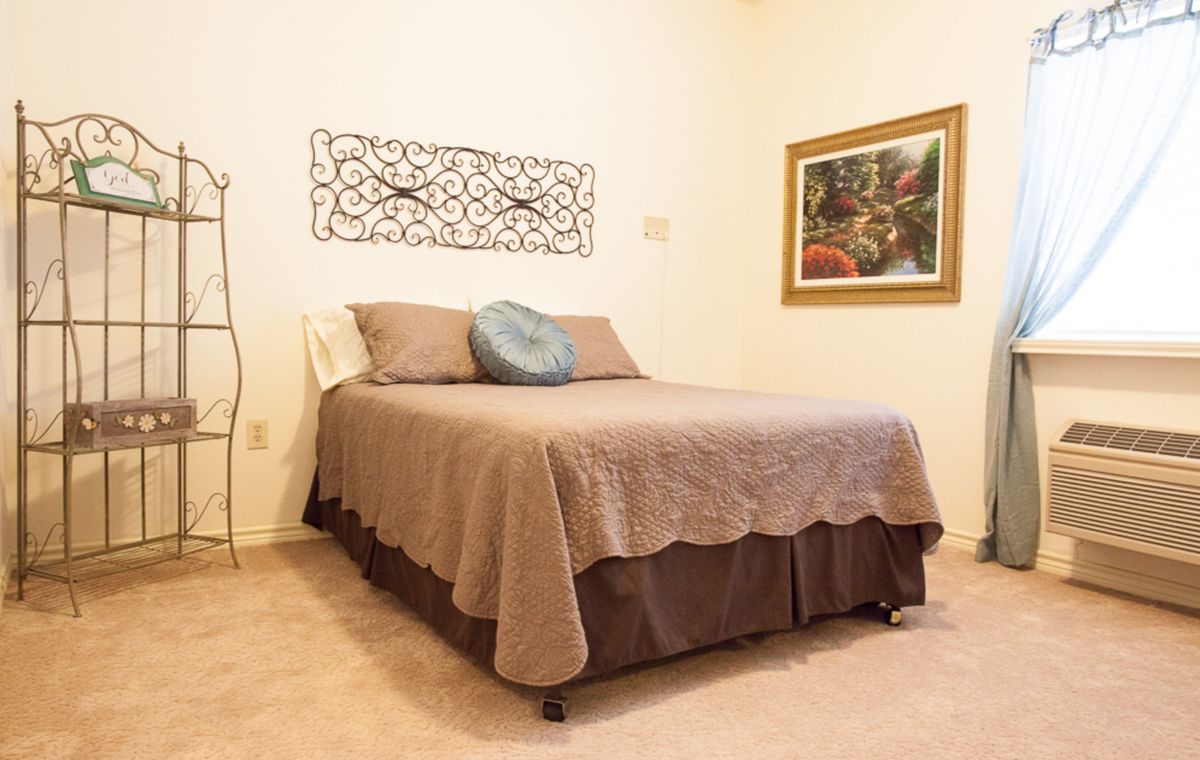
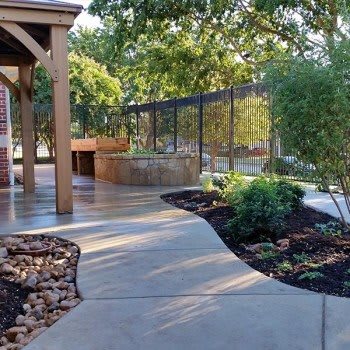
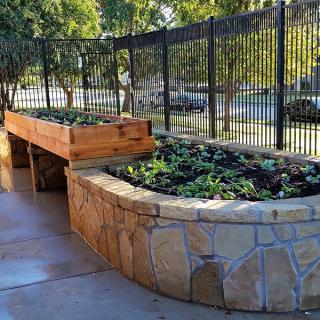
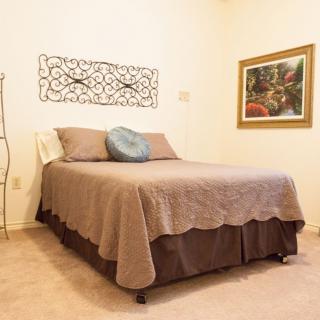
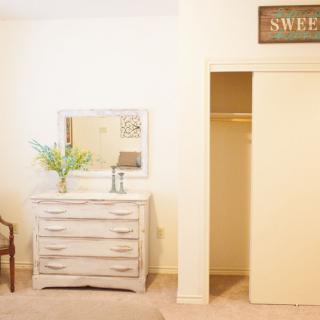
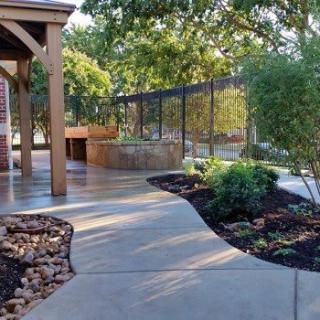
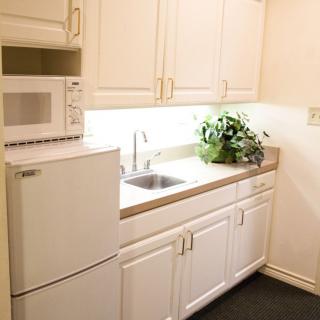
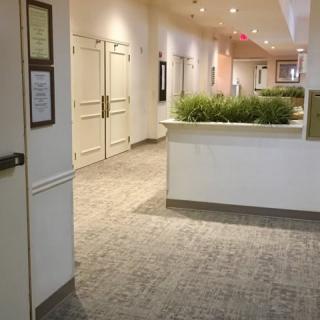
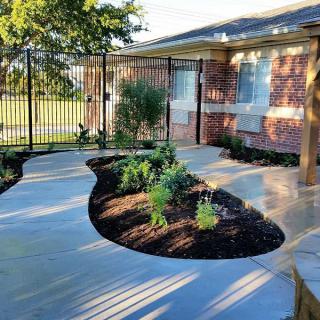
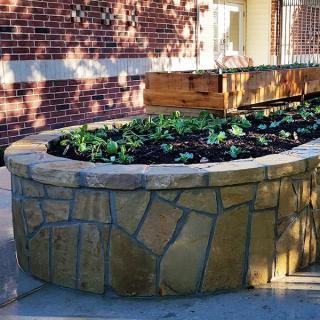
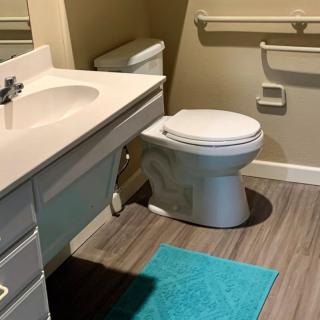
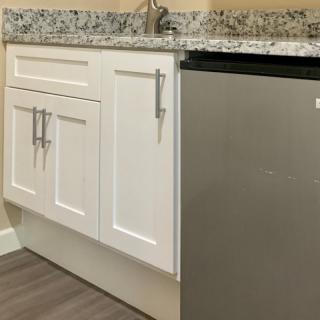
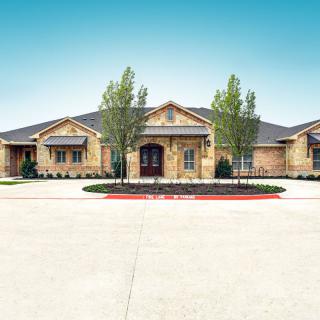
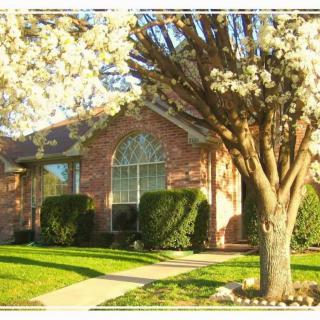
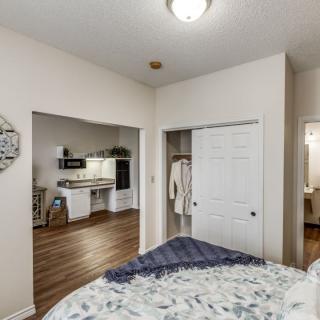
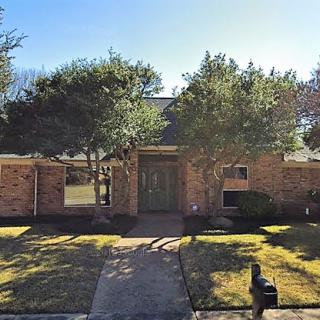
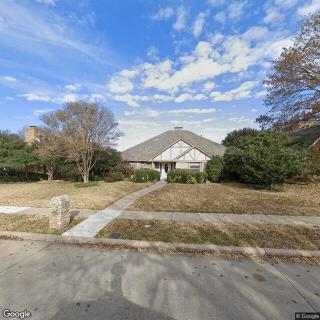
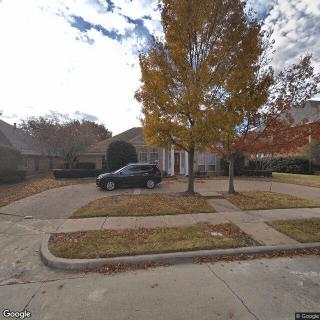
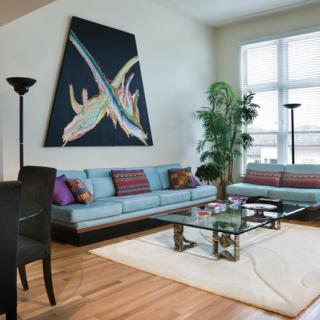
DaySpring Senior Living on seniors.fyi includes 16 photos including images showing interior, kitchen, bedroom, garden, landscaping, minimalist, decor, fridge, and more.
Nearby Communities
Allegro Assisted Living Services Of Texas
Plano, TX
4.5 from 29 reviews
$3,000 to $5,000 / month
Caring staff and owners; home-like, clean environment with safety features.
Cerna Homecare - Plano, TX
Plano, TX
4.7 from 16 reviews
Healthy, customizable dining options for dietary needs (gluten-free, vegan, organic, low-sodium, no sugar).
Silver Leaf Assisted Living at Cross Bend
Plano, TX
4.2 from 13 reviews
$3,000 to $5,000 / month
Gorgeous facility with knowledgeable staff and responsive care.
More Than Home Residential Care
Plano, TX
4.8 from 8 reviews
$4,250 to $5,000 / month
Loving, attentive staff in a clean, engaging environment.
Silver Leaf Assisted Living at Chalfont
Plano, TX
4.2 from 19 reviews
$3,800 to $5,000 / month
Clean, attractive setting with caring staff and spacious rooms
North Texas Personal Care Homes
Plano, TX
Comprehensive board-and-care with meals, activities, move-in coordination, and transportation for medical appointments.
The Legacy at Willow Bend
Plano, TX
3.7 from 110 reviews
$7,625 to $8,950 / month
Friendly staff and pet-friendly, well-maintained facilities with engaging activities.
HarborChase of Plano
Plano, TX
4.6 from 152 reviews
$2,800 to $6,995 / month
Clean, friendly staff with engaging activities and good communication.
Preston Place
Plano, TX
4.5 from 171 reviews
$1,895 to $2,530 / month
Friendly, welcoming staff and residents, engaging activities, and well-maintained grounds.
"Memory Care Pathways: A Holistic Guide to Dementia Support" outlines the complexities of dementia and its various types, emphasizing early detection, patient-centered care strategies, caregiver support, and long-term care options while addressing legal and financial considerations to enhance the quality of life for individuals with dementia and their families.
Sundown syndrome, or sundowning, is a phenomenon in dementia patients characterized by increased confusion and agitation during late afternoon and evening, influenced by factors like disrupted circadian rhythms and fatigue. Effective caregiver strategies include establishing routines and managing environmental light while addressing caregiver stress through support services.
Delirium is a rapidly onset, reversible cognitive disturbance often caused by acute medical issues, while dementia is a gradual and irreversible decline due to chronic neurodegenerative diseases. Accurate differentiation between the two is essential for appropriate treatment and management in older adults.
Get PricingAsk A QuestionSchedule A TourContact Senior Advisor
By clicking submit, you agree to our Partner's Terms of Use. You
also consent to receive calls and texts, which may be autodialed, from our Partner. Your consent is not a condition to
using our Partner's service. Please visit our Partner's Privacy Policy for information about their privacy practices.


 70 resident community capacity
 Assisted Living
 Memory Care
 Respite Care
 Cats allowed
 Dogs allowed
 Activities off-site
 Air-conditioning
 Bath tubs
 Beautician on-site
 Cable or satellite TV
 Computer center
 Devotional services off-site
 Dining room
 Fitness room
 Fully furnished
 Gaming room
 Garden
 Ground floor units
 Handicap accessible
 Housekeeping services
 Indoor common areas
 Kitchenette
 Move-in coordination
 Outdoor common areas
 Private bathrooms
 Restaurant-style dining
 Small library
 Telephone
 Wellness center
 Wheelchair accessible showers
 Wi-Fi/high-speed internet available
 Dallas Love (16 miles away)
 Community operated transportation
 12-16 hour nursing
 24-hour call system
 Ambulatory care
 Assistance with bathing
 Assistance with dressing
 Assistance with transfers
 Diabetes diet
 Diabetic care
 Incontinence care
 Medication management
 Mental wellness program
 Special dietary restrictions
 Art classes
 Bible study group
 Concierge services
 Cooking classes
 Educational speakers / life long learning
 Planned day trips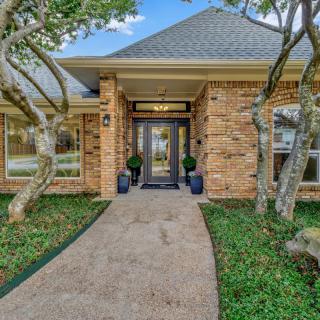
 Caring staff and owners; home-like, clean environment with safety features.



 Memory Care Pathways: A Holistic Guide to Dementia Support
 Comprehending Evening Confusion in Dementia: Causes, Manifestations, and Support
 Delirium and Dementia: Unraveling the Key Differences