
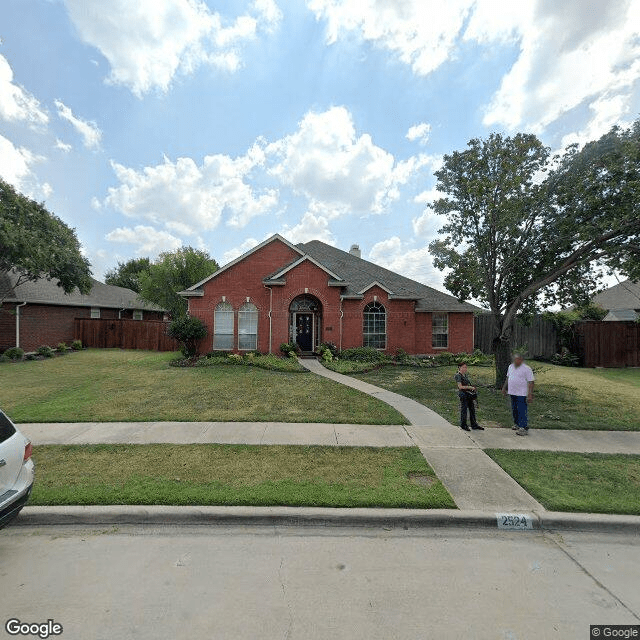
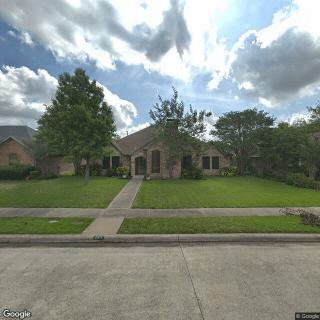
2524 Kings Gate Dr., Carrollton, TX 75006
To contact a resident: (469) 878-2179
For more information about senior living options: (866) 208-4318
Casa De Bella Costs & Pricing
Casa De Bella offers competitive pricing for its accommodations, providing a range of options that cater to different preferences and budgets. For semi-private rooms, the monthly cost is $3,000, which is notably lower than the county average of $3,535 and the state average of $3,680. Studio and one-bedroom units are priced at $3,500 each - both of which are also more affordable than Dallas County's rates of $3,625 and $3,760 respectively, as well as Texas's state averages of $3,758 and $3,761. Additionally, the private room option is priced at $3,500, significantly below Dallas County's average of $4,702 while still being competitive with Texas's statewide rate of $4,096. Overall, Casa De Bella provides excellent value for those seeking quality living arrangements in a caring community environment.
| Floor plans | Casa De Bella | Dallas County | Texas |
|---|---|---|---|
| Semi-Private | $3,000 | $3,535 | $3,680 |
| Studio | $3,500 | $3,625 | $3,758 |
| 1 Bedroom | $3,500 | $3,760 | $3,761 |
| Private | $3,500 | $4,702 | $4,096 |
Memory care communities with a similar price nearby
-
from +$466 / mo
Avalon Memory Care - Allen
$3,466 to $6,475 / month16.3 miles away -
from +$500 / mo
Locardia Homecare Living
$3,500 to $4,500 / month7.9 miles away -
from +$500 / mo

Nedges Nest
$3,500 to $4,000 / month15.8 miles away -
About the same

Residential Care
$3,000 / month22.6 miles away -
About the same

Sophyas Assisted Living
$3,000 to $4,200 / month23.4 miles away
Overall Review of Casa De Bella
Pros
 They provide two meals a day.
Cons
 They are sitters with no license or medical experience.
- They plop residents in front of the TV all day.
- They provide only two meals a day.
- Residents' health declined rapidly while living there, culminating in a fall that caused a hip fracture.
- The reviewer would not recommend anyone place a loved one there.
Review
Casa De Bella in Carrollton, TX is best suited for seniors who are largely independent and only need very light supervision, not ongoing medical oversight. The community appears to operate with sitters rather than licensed caregivers, offering two meals a day and a routine that leaves residents largely to their own devices. In practical terms, this is a fit for someone who can manage daily living with minimal prompting and does not require monitoring for health changes, mobility issues, or safety risks. It is not designed for those who need regular medical attention, fall prevention, or meaningful, structured engagement beyond basic companionship.
Families considering alternatives should note who may want to steer away entirely. Any loved one with chronic health conditions, cognitive impairment, or mobility challenges will likely require more robust oversight than this model provides. Alternatives that deserve serious consideration include licensed assisted living communities with trained staff on site around the clock, in-home care agencies that deliver licensed caregivers in the resident’s own space, and memory care options if cognitive decline is present. For those prioritizing safety, engagement, and consistent medical oversight, these options typically deliver a more reliable standard of care.
The main trade-off here centers on the apparent simplicity of the care model versus its evident gaps. The two daily meals are a basic nutrition touchpoint, but they hardly compensate for the absence of licensed medical staff, medication oversight, or proactive health monitoring. The notable risk, expressed in firsthand experience, is health decline accelerated by insufficient supervision, culminating in a serious incident like a fall and hip injury. In other words, the limited supervision and lack of professional training undermine any voluntary gain from a low-key, low-cost presentation, making posture and mobility management a significant blind spot.
From a decision-making perspective, the critical questions center on safety, health monitoring, and engagement. Prospective residents should ask for a concrete staffing plan: Are licensed caregivers on site? What is the caregiver-to-resident ratio at all hours? Is there a nurse or med tech available for medications, injections, or changes in health status? Beyond staffing, clarify the daily program: what activities, social interaction, and cognitive engagement are provided? Are there safety measures, fall-prevention strategies, and an up-to-date care plan for emergencies? These specifics directly address whether the apparent low-maintenance appeal translates into genuine security and quality of life.
The recommendation is clear for families weighing options with serious care needs. If the priority is minimal supervision and modest daily nourishment, and the loved one is demonstrably independent, Casa De Bella might be considered as a minimal-risk choice, though even then it warrants due diligence and ongoing assessment. However, for anyone requiring reliable health oversight, fall prevention, or consistent cognitive and physical engagement, this community falls short. In those cases, the smart move is to explore licensed assisted living or in-home care that provides professional oversight, or to pursue a higher level of structured programming that supports both safety and well-being. The decision should hinge on a clear, quantified assessment of risk versus the comfort of a simpler, TV-focused routine.
 Board and Care Home
 Memory Care
 Cats allowed
 Dogs allowed
 Activities on-site
 Bath tubs
 Beautician on-site
 Devotional services on-site
 Indoor common areas
 Outdoor common areas
 Private
 Respite or short term stays offered
 Wheelchair accessible showers
 Dallas Love (9 miles away)
 Ambulatory care
 Diabetic care
 Incontinence care
 Meals provided





 Illuminating Insights About Alzheimer's Disease: Ten Crucial Realities
 A Thorough Discussion of Medications Potentially Linked to Dementia Risk
 Why Do Dementia Patients Sleep So Much? Understanding Oversleeping, Stages, and Care Approaches