
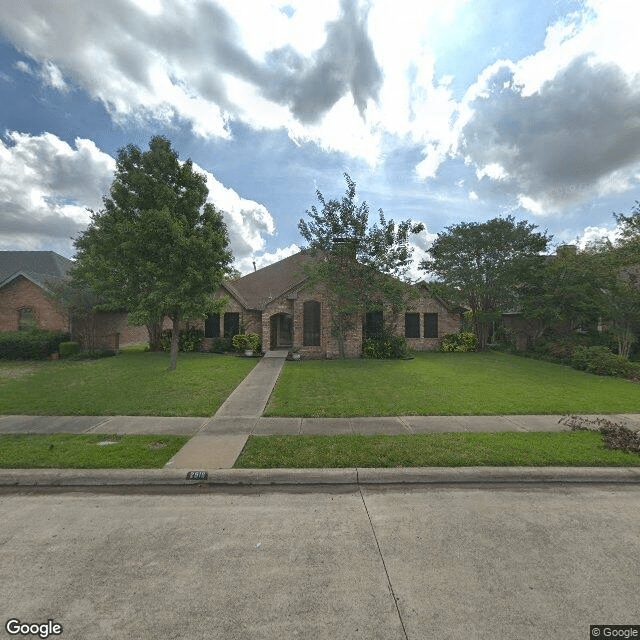
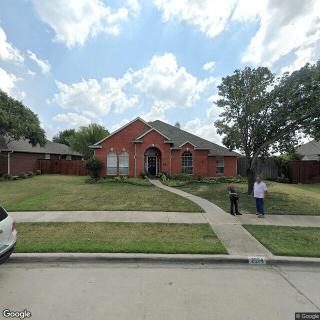
2519 Willowdale Dr, Carrollton, TX 75006
To contact a resident: (972) 805-7406
For more information about senior living options: (866) 208-4318
My Family Care Home I Costs & Pricing
My Family Care Home I offers competitive pricing for its residential accommodations, particularly when compared to the averages in Dallas County and the broader state of Texas. The monthly cost for a two-bedroom unit at My Family Care Home I is $3,000, significantly lower than the Dallas County average of $4,144 and the state average of $4,215. For those seeking a one-bedroom option, My Family Care Home I charges $3,500, which remains attractive in comparison to both Dallas County's average of $3,760 and Texas's statewide figure of $3,761. These pricing structures reflect a commitment to providing affordable care without compromising on quality or comfort for residents.
| Floor plans | My Family Care Home I | Dallas County | Texas |
|---|---|---|---|
| 2 Bedrooms | $3,000 | $4,144 | $4,215 |
| 1 Bedroom | $3,500 | $3,760 | $3,761 |
Assisted Living communities with a similar price nearby
-
from +$500 / mo
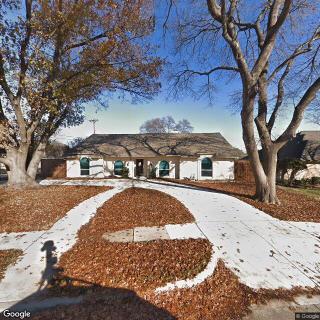
Locardia Homecare Living
$3,500 to $4,500 / month8.0 miles away -
About the same
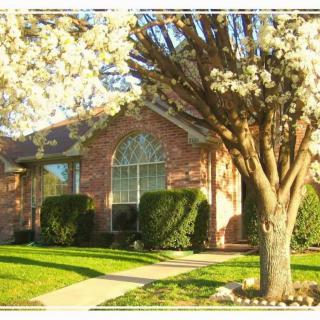
Sophyas Assisted Living
$3,000 to $4,200 / month23.7 miles away -
from -$500 / mo
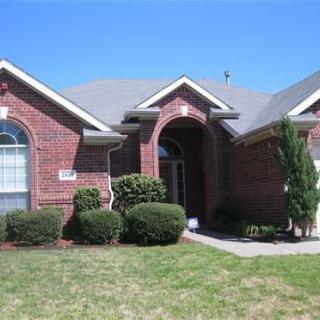
Halo Residential Care Homes
$2,500 to $3,000 / month24.9 miles away -
from +$500 / mo

Abba Care Assisted Living
$3,500 / month16.1 miles away -
from +$300 / mo
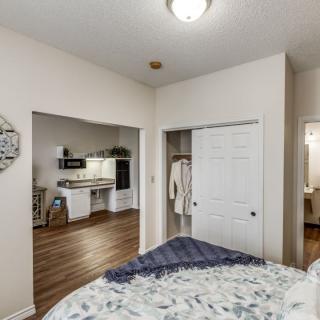
Cambridge Court
$3,300 to $4,580 / month20.8 miles away
Overall Review of My Family Care Home I
Pros
 The staff are warm, professional, and treat residents with dignity.
- The home lives up to its name, feeling like a Caring Home with Friends where everyone is treated as family.
- Families feel supported and connected through continuous communication and involvement.
- The environment is welcoming, homely, and filled with warmth and love.
- Caregivers are attentive and provide personalized care, with a favorable caregiver-to-resident ratio of 1:3.
- The owners are responsive, communicative, and quick to address concerns.
- Activities are engaging and tailored to residents, with staff going above and beyond (e.g., piano donations, daily engagement).
- Residents receive compassionate care that ensures comfort and pain-free experiences.
Review
This community is best suited for families seeking a warm, intimate, home-like setting where a loved one receives highly personal attention, dignity, and consistent, family-style care. The model here excels when care is delivered with genuine warmth, where caregivers operate as part of a tight-knit team and stay tightly connected to families. It is particularly well-matched to residents who thrive under a small, predictable routine and who benefit from caregivers who know their preferences, histories, and daily rhythms. The core appeal rests on a true sense of belonging, with staff consistently engaging residents in meaningful activities and families feeling that they, too, are part of the extended circle.
That intimacy, however, means not every situation will be a perfect fit. Families needing robust medical oversight around the clock, highly specialized memory care, or services that typically accompany larger, corporate settings may want to consider alternatives. If a loved one requires continuous skilled nursing, intensive therapy programs, or a facility with expansive on-site resources and broader medical personnel, a larger assisted living community or dedicated memory care campus could be a better match. Space and capacity constraints are inherent to a smaller home, so those with aggressive needs or high demand for formal programing may find the options here less suitable.
The strongest positives here offset the most plausible drawbacks in meaningful ways. The warm, family-oriented atmosphere translates into consistently attentive care, with a notable emphasis on dignity and respect. Families repeatedly describe staff as professional and genuinely caring, a combination that nurtures trust and reduces the stress of transitions. The 1:3 caregiver-to-resident ratio noted by at least one reviewer signals meaningful, individualized attention that is difficult to sustain in larger facilities. Direct access to the owners and a culture of openness, texting and quick responses, visible involvement in daily life, and a proactive stance when concerns arise, further ensures that subtle changes in a resident’s condition are noticed and addressed promptly.
The care model itself reinforces that strength. Medications and treatments are managed with professional protocol, and the home maintains a disciplined approach to safety and health while preserving a non-institutional vibe. Families report daily contact and easy channels to view their loved ones, even from remote locations, thanks to accessible phones and tablets provided by the home. The activities director visits regularly to engage residents, reflecting a commitment to social connection and purpose beyond basic routine care. The owners, Rani and Mina, are highlighted as approachable and responsive, capable of balancing professional standards with a truly familial touch that makes residents feel supported and valued.
In practice, these elements translate into tangible, emotionally resonant outcomes. Many reviewers recount times when staff treated residents as their own grandparents, with caregivers willing to go the extra mile, escorting a parent to a funeral, ensuring attendance at important moments, or arranging for personalized touches like a resident’s piano interest to be accommodated. The small, homelike environment fosters familiarity and comfort at a level not always possible in larger campuses, contributing to consistent morale and better mood, even as health needs evolve. In short, the environment nurtures belonging, pride in care, and steady communication with families, which can be the decisive factor for families choosing a home when a loved one’s dignity and peace of mind are paramount.
For decision-makers, the practical takeaway is clear: evaluate this community as a strong option when prioritizing warmth, accessibility, and hands-on, personalized care in a small setting. Prospective families should verify the current capacity, confirm the caregiver-to-resident ratios, and request concrete examples of how care plans adapt as health needs change. Ask about how medications are managed day-to-day, how often staff attend to social and cognitive engagement, and what mechanisms exist for real-time family updates. It is prudent to tour with an eye for how staff interact with residents in real time, and to discuss what happens if a resident’s needs escalate beyond the home’s capabilities. Finally, compare cost structures and bundled services with larger communities to determine whether the value of the home-like approach aligns with long-term care expectations and budget.
When all factors are weighed, this community emerges as a confidently strong option for families prioritizing a humane, individualized, and emotionally supportive living environment. It delivers legitimate gains in dignity, connection, and practical, hands-on attention that are not guaranteed in larger facilities. Those who can benefit most are families seeking a true home atmosphere where staff are deeply invested in the resident’s daily life and where owners are accessible and responsive. Conversely, alternatives should be considered for those who require extensive round-the-clock medical supervision, a broader set of clinical services, or expansive programming that a smaller residential model cannot realistically sustain. In such cases, a larger, more resource-rich community may better align with the care trajectory and financial planning.
 Assisted Living
 Activities on-site
 Devotional services off-site
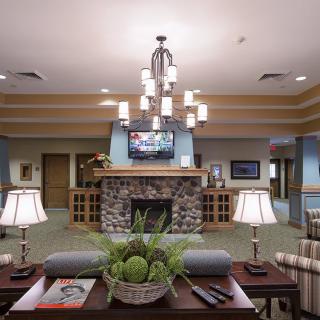
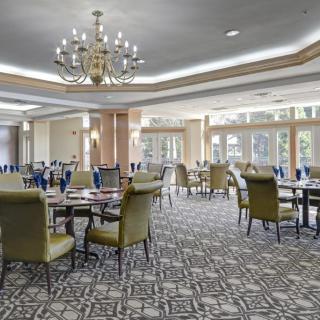
 Indoor common areas
 Dallas Love (9 miles away)
 Ambulatory care
 Diabetic care
 Medication management
 Meals provided



 A Detailed Exploration of Assisted Living Medicaid Waivers Across the United States
 Comprehensive Residential Support and Assisted Living Solutions for Individuals with Disabilities
 Comprehensive Supportive Living Arrangements for Adults with Disabilities