Silverado Barton Springs

Save

  • Interior

    Elegant living room with high ceilings, featuring a central fireplace and comfortable seating.
  • Decor

    A stylishly decorated dining room with patterned wallpaper and elegant furnishings.
  • Living Room

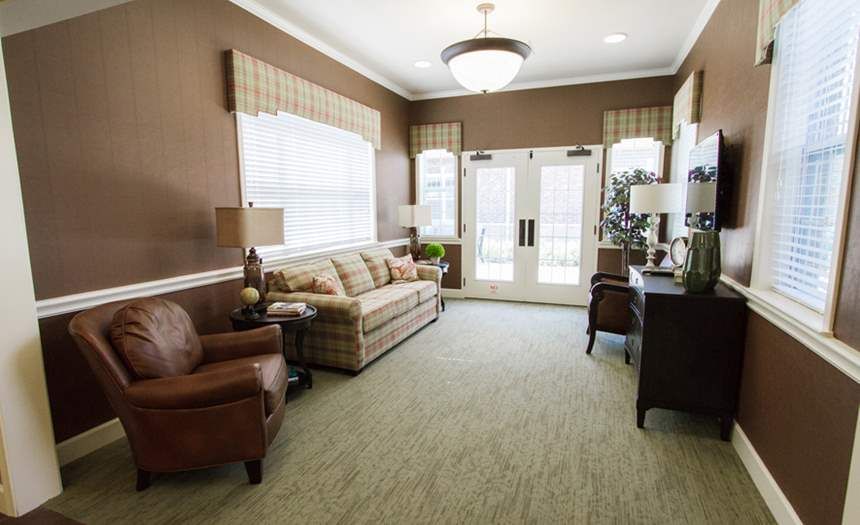
    A cozy living room with elegant furniture and soft lighting.
  • Building

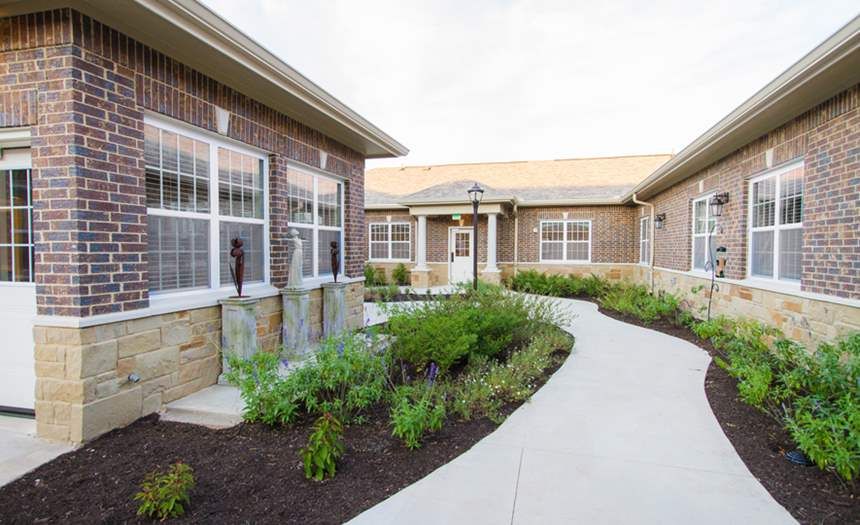
    A brick building with a landscaped garden and a curved concrete pathway.
  • Architecture

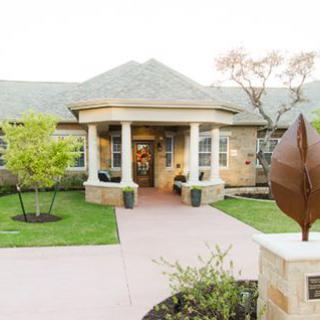
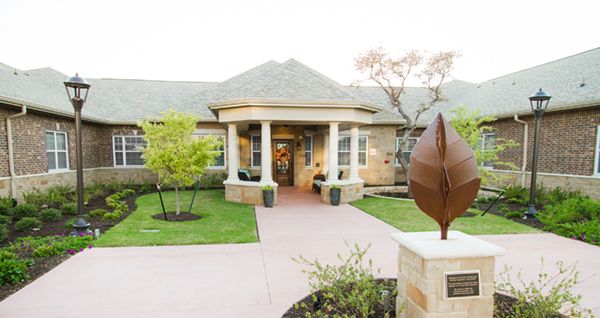
    Elegant building entrance with a garden and sculpture.
  • Bedroom

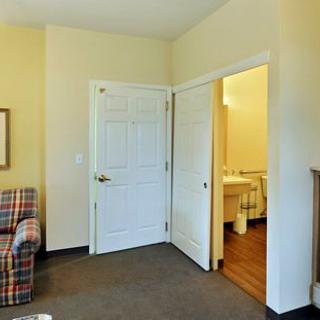
    A cozy bedroom with a neatly made bed and stylish decor.
  • Windows

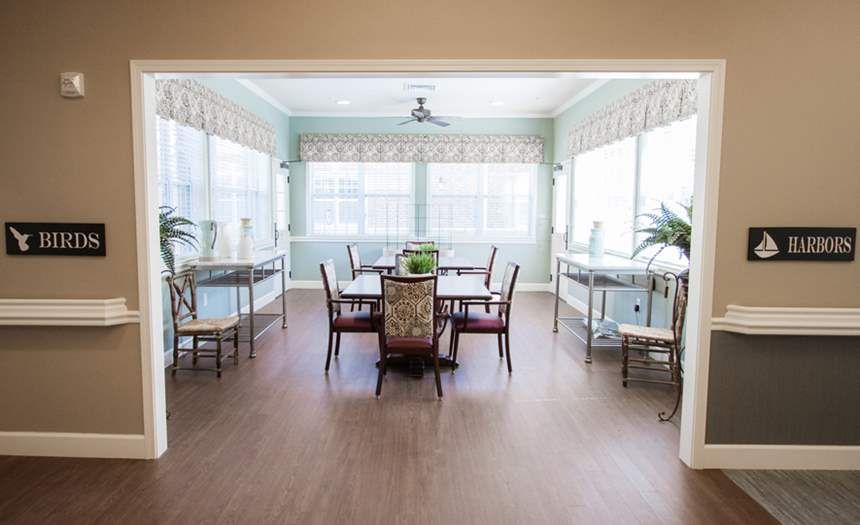
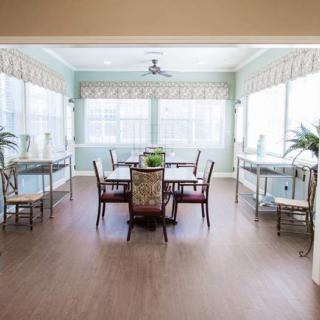
    A bright dining room with large windows, natural light, and elegant furniture.
  • Lighting

    A spacious and well-lit living room with comfortable seating and modern decor.
  • Patio

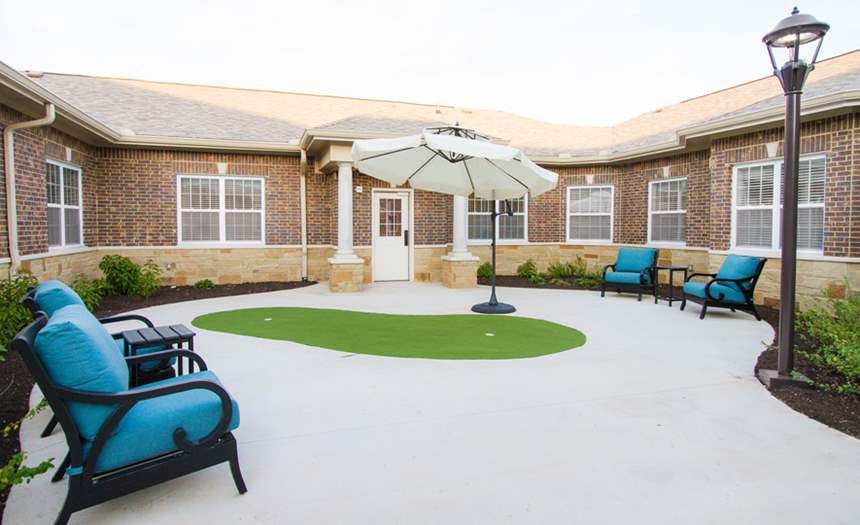
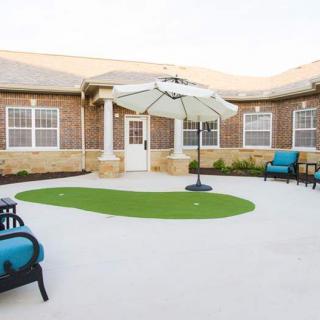
    A cozy outdoor patio with comfortable seating and an umbrella, set against a brick building.
  • Outdoor Seating

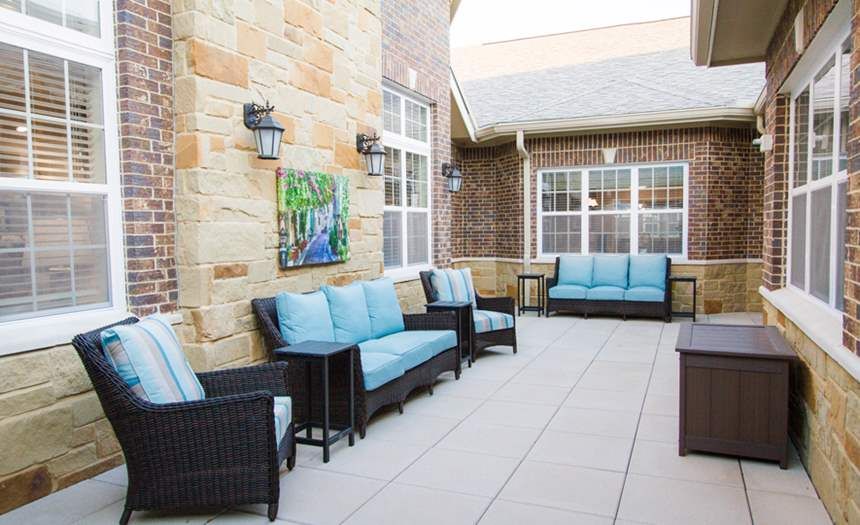
    A cozy patio area with comfortable blue-cushioned seating and decorative lanterns.

Silverado Barton Springs

5200A Davis Lane, Austin, TX 78749

For more information about senior living options: (844) 490-3973

4.9 from 70 reviews
5 stars
68
4 stars
0
3 stars
0
2 stars
0
1 stars
2

Memory Care

What level of care are you interested in?

Assisted Living

Memory Care

Independent Living

Skilled Nursing Facility

Continuing Care Retirement Community (CCRC)CCRC

Other


Request a tour at Silverado Barton Springs

    Overall Review of Silverado Barton Springs

    Pros

    • pro Silverado is consistently rated as the best memory care in Austin, with a cozy, home?like environment where caregivers genuinely care.
    • pro The staff are committed to a shared vision and mission; the nursing team is dedicated, with a core team that has served for a long time.
    • pro Imani S. (Imani S.) is repeatedly highlighted as a standout navigator of the Silverado experience, praised for care and compassion.
    • pro Silverado takes memory care to the next level with exceptional care from an incredible team.
    • pro Leadership and administrative teams are recognized for listening to and supporting families, with a warm, patient, and respectful approach.
    • pro Staff across roles greet residents by name and create a welcoming, cheerful atmosphere.
    • pro The community fosters safety, engaging activities, and a home-like feel, with dogs, cats, birds, and even turtles contributing to resident happiness.
    • pro Families report profound gratitude for the love, attention, and care provided, including compassionate end-of-life support.
    • pro Silverado is described as the gold standard in memory support and invests in dementia training for staff, reflecting a strong commitment to ongoing excellence.

    Review

    Silverado Memory Care in Austin emerges in these accounts as more than a facility - it feels like a welcoming, home-like community where dementia care is practiced with real heart. Reviewers repeatedly describe a cozy environment where caregivers and staff genuinely care about what they do. There's a clear sense that Silverado's approach is trusted not just locally, but nationally, with many noting that Silverado does memory care "taken to the next levels" and doing so with warmth, dignity, and practical expertise. The familiar refrain is that this is a place you can call home for a loved one who needs memory support.

    The heart of Silverado's reputation lies in its people. Families praise a staff culture built on a shared vision and mission, where the core team has stayed together for years and where leadership models service to residents and families. The staff are described as not only competent but genuinely kind, attentive, and patient - a combination that makes residents feel valued and seen. Individuals like Imani S. (Imani Simmons) are singled out as exceptional guides through the Silverado experience, helping families understand care decisions and navigate the community with confidence. The emphasis on thorough, personalized attention extends to how caregivers respond to needs that aren't always easy to decipher, underscoring a commitment to meeting residents where they are.

    Families repeatedly emphasize the compassionate, family-centered atmosphere at Silverado. One reviewer notes how Silverado accommodated a late-evening PB&J for a resident and then supported the family to stay bedside; another recalls staff who greet residents by name on every visit, creating a sense of belonging and continuity. The leadership is recognized for listening and supporting families with respect and dignity, and the nursing team is described as not only capable but deeply caring. The culture is described as warm, welcoming, and oriented toward small rituals - like shared meals, simple acts of kindness, and moments of connection - that collectively sustain a sense of home and safety for residents.

    The Silverado community also distinguishes itself through its holistic approach - one that integrates animals and everyday activities as meaningful parts of life for residents. Reviewers celebrate the presence of dogs, cats, birds, and even turtles, highlighting how these animals contribute to comfort, companionship, and a feeling of normalcy in daily life. The community's approach to dining and activities is likewise thoughtful: dining options cater to varying independence levels, and activity programs are described as abundant, varied, and engaging, with opportunities for physical, cognitive, and social stimulation. There is praise for the way activities are tailored to what each resident enjoys, from cooking classes to quiet moments with friends, all designed to foster dignity, joy, and purpose.

    Placements at Silverado Barton Springs are highlighted for their renovations and ongoing improvements, with reviewers noting that the environment now feels even warmer and more inviting. The management team is described as organized and attentive, reinforcing a strong sense that the community is well-run and continually improving. The presence of multiple pets adds a homey atmosphere that residents and families alike find comforting, and the whole setting reinforces the impression that Silverado is a place where life remains meaningful and enjoyable for individuals with memory challenges.

    End-of-life care and family support are recurring themes in these stories. Several reviewers speak of the care their loved ones received during challenging times, including moments of illness and passing. They describe staff who provide not only professional care but emotional support, joining families at bedside and offering reassurance that their loved ones are treated with dignity and respect. One letter from a grateful daughter details how the staff's patience, attentiveness, and small acts of kindness helped her feel that her mother was safe, valued, and cherished. In other accounts, the sense of solace comes from witnessing a resident's dignity honored in everyday routines, from the way she is welcomed in the hallway to the thoughtful, gentle care that accompanies meals and activities.

    Silverado's leadership and clinical philosophy are praised for their alignment with dementia research and best practices. Reviewers highlight the Wellness Director, Carrie, and the Administrator, Pat, as exemplars of servant leadership - people who go above and beyond to ensure high-quality care and to address family concerns with empathy and respect. The commitment to staying at the forefront of dementia care is underscored by mentions of ongoing staff training, partnerships with local institutions to stay current with best practices, and a philosophy of care grounded in the latest dementia research. This combination of science-informed care and compassionate, human-centered service is repeatedly identified as what elevates Silverado above other options.

    Finally, the personal impact of Silverado's care is profound and enduring. Families describe how moving a loved one to Silverado Barton Springs or visiting the community leaves them continually impressed by the environment, the staff, and the quality of life afforded to residents. Whether witnessing a father's improved comfort after a transition from another memory care facility, or seeing a mother engage in a cooking class and enjoy social connections, these stories convey a shared sense of relief and gratitude. In a crowded landscape of memory care options, Silverado is painted as a gold standard - an organization that invests in people, practices, and a culture that preserves dignity, joy, and purpose for every resident who makes Silverado their home.

    Features

    Housing

    • 22 resident community capacity 22 resident community capacity
    • Studio apartments Studio apartmentsStudio apartments are important for seniors because they offer a smaller, more manageable living space that is easier to navigate and maintain as physical abilities decline. Additionally, studio apartments provide seniors with independence and privacy while still being part of a community that offers support and social opportunities.

    Types of Care

    • Memory Care Memory CareMemory care is crucial for seniors as it provides specialized support and services for individuals with dementia or Alzheimer's disease. These programs offer a safe and secure environment where residents receive personalized care, cognitive stimulation, and help with daily activities. Memory care helps seniors maintain their independence, quality of life, and dignity while also providing peace of mind for their families.

    Amenities

    • Beauty salon Beauty salonBeauty salons are important for seniors because they provide a space for them to feel pampered, socialize, and maintain their personal grooming and hygiene. Regular visits to a beauty salon can help boost seniors' self-esteem and overall well-being.
    • Cable or satellite TV Cable or satellite TVCable or satellite TV is important for seniors because it provides entertainment, news, and companionship, helping to combat loneliness and boredom. It also offers a wide range of programming options tailored to different interests and preferences.
    • Dining room Dining roomDining rooms are important for seniors as they provide a space for socialization, connection, and nutritious meals. They offer opportunities for residents to bond over shared meals, foster a sense of community, and promote healthy eating habits. Dining rooms also ensure that seniors have access to well-balanced meals tailored to their dietary needs and preferences.
    • Fully furnished Fully furnishedFully furnished senior living communities are important for seniors because they provide convenience, comfort, and a hassle-free moving experience. Seniors can easily settle into their new living space without the stress of having to buy and move furniture. This allows them to focus on enjoying their new home and community.
    • Garden GardenGardens are important for seniors as they provide a peaceful and therapeutic environment for relaxation, physical activity, and socialization. Being in nature has been shown to reduce stress, improve mood, and promote overall well-being. Gardens also offer opportunities for seniors to engage in gardening activities, which can improve mobility, flexibility, and cognitive function. Additionally, gardens create a sense of community and connection with others who share a passion for plants and outdoor spaces.
    • Housekeeping services Housekeeping servicesHousekeeping services are important for seniors because they help maintain a clean and safe living environment, promote independence, and reduce the risk of accidents or illnesses. Additionally, having assistance with household chores can alleviate physical strain and allow seniors to focus on other aspects of their well-being.
    • Kitchenette KitchenetteKitchenettes are important for seniors living in senior living communities because they provide the convenience and independence of being able to prepare simple meals and snacks in the comfort of their own living space. This can help promote a sense of autonomy and well-being for seniors, allowing them to maintain some level of control over their dietary choices and daily routines.
    • Move-in coordination Move-in coordinationMove-in coordination is important for seniors because it helps ease the transition into their new living environment. It ensures that all logistics, such as packing, organizing movers, and setting up utilities are taken care of, allowing seniors to focus on settling in and adjusting to their new home. Having a smooth move-in process can alleviate stress and anxiety, making the transition smoother and more enjoyable for seniors.
    • Outdoor space Outdoor spaceOutdoor spaces are important for seniors as they provide opportunities for physical activity, social interaction, exposure to natural light and fresh air, and a sense of connection to nature. Having access to outdoor spaces can improve overall well-being and quality of life for older adults living in senior communities.
    • Restaurant-style dining Restaurant-style diningRestaurant-style dining is important for seniors because it allows them to enjoy delicious, nutritious meals in a social and upscale setting. This enhances their dining experience, promotes healthy eating habits, and fosters socialization with fellow residents, ultimately contributing to their overall well-being and quality of life.
    • Small library Small librarySmall libraries are important for seniors as they provide access to a variety of reading materials, including books, newspapers, and magazines. This can help stimulate their minds, keep them engaged, and provide a sense of community through book clubs and other social activities. Additionally, reading has been shown to improve cognitive function and overall mental well-being in older adults.
    • Telephone TelephoneTelephones are important for seniors as they provide a lifeline for communication with loved ones, emergency services, and healthcare providers. They offer a sense of security and independence, enabling seniors to stay connected and access assistance when needed.
    • Wi-Fi/high-speed internet available Wi-Fi/high-speed internet availableWi-Fi/high-speed internet is important for seniors to stay connected with loved ones, access online resources, and participate in virtual activities to combat feelings of loneliness and isolation. It also allows them to easily manage healthcare needs, access entertainment, and engage in lifelong learning opportunities.

    Transportation

    • Austin-Bergstrom International (12 miles away) Austin-Bergstrom International (12 miles away)
    • Transportation arrangement (non-medical) Transportation arrangement (non-medical)Transportation arrangements are essential for seniors as they provide access to essential services, activities, and social interactions outside the home. This service helps maintain independence, mobility, and overall well-being for seniors who may have limited transportation options.
    • Transportation to doctors appointments Transportation to doctors appointmentsTransportation to doctors appointments is crucial for seniors as it ensures they have access to necessary medical care and support, promoting their health and well-being. It allows them to receive timely treatment, monitor existing conditions, and address any new health concerns efficiently. Additionally, transportation services can help seniors maintain their independence and quality of life by enabling them to stay connected with their healthcare providers.

    Care Services

    • 12-16 hour nursing 12-16 hour nursing12-16 hour nursing care is crucial for seniors in order to ensure around-the-clock monitoring, timely medication administration, and prompt response to any health concerns or emergencies. This level of care helps to promote the overall well-being and safety of seniors living in senior living communities.
    • 24-hour call system 24-hour call system24-hour call systems are important for seniors because they provide peace of mind and immediate assistance in case of emergencies. This technology ensures that help is always available, promoting safety and security for elderly individuals living alone or in assisted living facilities.
    • 24-hour supervision 24-hour supervision24-hour supervision is important for seniors to ensure their safety, well-being, and access to immediate assistance in case of emergencies or health issues. This constant support provides peace of mind for both seniors and their loved ones, allowing them to age in place with dignity and security.
    • Activities of daily living assistance Activities of daily living assistanceActivities of daily living assistance are important for seniors because they provide essential support with tasks such as eating, bathing, dressing, and mobility. This assistance helps seniors maintain their independence, dignity, and overall quality of life as they age.
    • Assistance with bathing Assistance with bathingAssistance with bathing is crucial for seniors as it helps maintain personal hygiene, prevents infections, and ensures their overall well-being and comfort. It also provides a sense of dignity and independence for seniors who may struggle with this task on their own.
    • Assistance with dressing Assistance with dressingAssistance with dressing is important for seniors because it helps maintain their independence, promotes personal hygiene, prevents accidents and injuries, and improves overall quality of life. This service ensures that seniors can continue to dress comfortably and confidently, despite any physical limitations they may have.
    • Assistance with transfers Assistance with transfersAssistance with transfers is crucial for seniors as it helps prevent falls and injuries, maintains their independence, and ensures they can safely navigate their living environment. It also provides peace of mind for both seniors and their loved ones.
    • Coordination with health care providers Coordination with health care providersCoordination with health care providers is crucial for seniors to ensure proper medical care, medication management, and overall well-being. This collaboration helps prevent overlapping treatments, track progress more effectively, and provide comprehensive support tailored to individual needs.
    • Dementia waiver Dementia waiverDementia waivers are essential for seniors as they provide critical protections and accommodations for those experiencing cognitive decline. These waivers ensure individuals with dementia receive appropriate care, support, and resources to maintain their quality of life and dignity as they navigate the challenges of this progressive condition.
    • Diabetes diet Diabetes dietA diabetes diet is crucial for seniors as it helps manage blood sugar levels, reduce risks of complications, and improve overall health and well-being. By following a balanced and nutritious diet tailored to their specific needs, seniors can better control their diabetes and enhance their quality of life.
    • Hospice waiver Hospice waiverHospice waivers are important for seniors because they allow individuals to receive specialized end-of-life care and support at home or in a hospice facility. This waiver ensures that seniors can access the necessary resources and services to maintain comfort and dignity during their final days.
    • Meal preparation and service Meal preparation and serviceMeal preparation and service are crucial for seniors as they may have limited mobility or energy to cook nutritious meals. Having access to healthy and convenient food options can ensure they are getting the proper nutrition needed to maintain their overall health and well-being.
    • Medication management Medication managementMedication management is crucial for seniors to ensure they are taking the right medications at the correct dosages and times. This helps prevent adverse drug interactions, reduces the risk of medication errors, and promotes overall health and well-being. Proactive management also allows for adjustments as needed based on changing health conditions or new prescriptions.
    • Mental wellness program Mental wellness programMental wellness programs are essential for seniors as they promote cognitive stimulation, emotional support, and social engagement. These programs help prevent isolation, depression, and cognitive decline, ultimately enhancing the overall quality of life for older adults.
    • Mild cognitive impairment Mild cognitive impairment"Mild cognitive impairment" is important for seniors because it is an early stage of cognitive decline that can potentially progress to more severe conditions such as dementia. Recognizing and addressing mild cognitive impairment can help seniors receive appropriate care and support to maintain their quality of life and independence for as long as possible.
    • Special dietary restrictions Special dietary restrictionsSpecial dietary restrictions are important for seniors because age-related changes in metabolism and health conditions can make it difficult for their bodies to process certain foods. By following a diet tailored to their specific needs, seniors can maintain their overall health and well-being, manage chronic conditions, and reduce the risk of complications such as malnutrition or food interactions with medications.
    • Specialized memory care programming Specialized memory care programmingSpecialized memory care programming is crucial for seniors with cognitive impairments such as dementia or Alzheimer's disease. These programs provide a safe and supportive environment tailored to the unique needs of individuals with memory loss, helping them maintain their independence, dignity, and quality of life.
    • Transportation arrangement (medical) Transportation arrangement (medical)Transportation arrangements for medical purposes are essential for seniors as they may have difficulty driving themselves to appointments or accessing public transportation. Having reliable and safe transportation options ensures that seniors can receive timely medical care and maintain their health and well-being.

    • Transportation to doctors appointments Transportation to doctors appointmentsTransportation to doctors appointments is crucial for seniors as it ensures they have access to necessary medical care and support, promoting their health and well-being. It allows them to receive timely treatment, monitor existing conditions, and address any new health concerns efficiently. Additionally, transportation services can help seniors maintain their independence and quality of life by enabling them to stay connected with their healthcare providers.

    Dining

    • Diabetes diet Diabetes dietA diabetes diet is crucial for seniors as it helps manage blood sugar levels, reduce risks of complications, and improve overall health and well-being. By following a balanced and nutritious diet tailored to their specific needs, seniors can better control their diabetes and enhance their quality of life.
    • Special dietary restrictions Special dietary restrictionsSpecial dietary restrictions are important for seniors because age-related changes in metabolism and health conditions can make it difficult for their bodies to process certain foods. By following a diet tailored to their specific needs, seniors can maintain their overall health and well-being, manage chronic conditions, and reduce the risk of complications such as malnutrition or food interactions with medications.

    Activities

    • Community-sponsored activities Community-sponsored activitiesCommunity-sponsored activities are important for seniors as they provide opportunities for social interaction, mental stimulation, and physical activity. These activities can help improve overall well-being, combat loneliness and isolation, and promote a sense of belonging and purpose among older adults.
    • Resident-run activities Resident-run activitiesResident-run activities are important for seniors as they encourage social interaction, creativity, and a sense of autonomy. These activities empower seniors to stay engaged and active in their community while fostering meaningful connections with their peers.
    • Scheduled daily activities Scheduled daily activitiesScheduled daily activities are important for seniors because they provide structure, socialization, mental stimulation, and physical activity. Engaging in regular activities can improve overall well-being and quality of life for seniors living in a community setting.

    Description

    Silverado Barton Springs in Austin, TX is a premier assisted living community that offers a wide range of amenities and care services to ensure the comfort and well-being of its residents. The community provides fully furnished apartments with cable or satellite TV and Wi-Fi/high-speed internet for entertainment and connectivity. Each apartment also includes a kitchenette for residents who prefer to prepare their own meals.

    Residents can enjoy delicious meals in the restaurant-style dining room, which caters to special dietary restrictions. In addition, there is a small library where residents can relax with a good book, as well as outdoor spaces and gardens for those who enjoy spending time outdoors.

    Housekeeping services are provided to ensure that apartments remain clean and tidy. Move-in coordination is available to assist new residents in settling into their new home seamlessly. Transportation arrangements are provided both for non-medical purposes, such as shopping or social outings, as well as medical appointments.

    The community offers 24-hour call system and supervision to ensure the safety of all residents. Trained staff members are available to provide assistance with activities of daily living, such as bathing, dressing, and transfers. Medication management is also offered to help residents stay on top of their medication schedules.

    Specialized memory care programming is available for those with dementia or mild cognitive impairment, with a mental wellness program designed to support mental health. The community also offers a hospice waiver for end-of-life care.

    Residents can enjoy a variety of activities organized by both staff and fellow residents, including resident-run activities and scheduled daily activities. There are also numerous amenities nearby, including cafes, parks, pharmacies, physicians' offices, restaurants, theaters, and hospitals.

    At Silverado Barton Springs, residents can expect exceptional care and support in a warm and welcoming environment that promotes independence and overall well-being.

    Nearby Places of Interest

    Physicians

    • Balcones Pain Consultants (0 miles)
    • Plastic Surgery Austin (0.1 miles)
    • ADC Pediatrics (0.8 miles)
    • Southwest Pediatric Associates (2.2 miles)
    • Schram McDonnell (2.2 miles)
    • Greater Austin Psychiatry & Wellness (2.4 miles)
    • Howerton Eye Clinic (2.5 miles)

    Pharmacies

    • Walgreens (0.7 miles)
    • Walgreens (1.5 miles)
    • CVS Pharmacy (1.7 miles)
    • CVS Pharmacy (1.8 miles)
    • Walgreens (1.9 miles)
    • Walmart Pharmacy (3 miles)
    • CVS Pharmacy (3.4 miles)

    Cafes

    • Summer Moon Coffee (0.7 miles)
    • Starbucks (1.7 miles)
    • Starbucks (1.8 miles)
    • Starbucks (1.9 miles)
    • Black Rock Coffee Bar (3.3 miles)
    • Starbucks (4.6 miles)
    • Nordstrom Ebar Artisan Coffee (4.7 miles)

    Theaters

    • Alamo Drafthouse Cinema (0.8 miles)
    • AMC Barton Creek Square 14 (4.7 miles)
    • Regal Metropolitan (5.6 miles)

    Restaurants

    • Chuy's (1.4 miles)
    • Flores Mexican Restaurant (1.4 miles)
    • Kerbey Lane Cafe (1.6 miles)
    • P. Terry's Burger Stand (1.7 miles)
    • Whataburger (1.8 miles)
    • Jim's Restaurant (2 miles)
    • Culver's (2 miles)

    Parks

    • Windmill Run Park (2.7 miles)
    • Dittmar Park (4 miles)
    • Mary Moore Searight Metropolitan Park (4.1 miles)
    • The Watering Bowl (5.1 miles)

    Hospitals

    • Austin Oaks Hospital (4.2 miles)

    Places of Worship

    • Faith United Methodist Church (5.5 miles)

    Frequently Asked Questions

    What floor plans and room types does Silverado Barton Springs offer?
    Where is Silverado Barton Springs?
    Does Silverado Barton Springs provide care for residents with dementia or Alzheimer's disease?
    What photos are available for Silverado Barton Springs in Austin, Texas?

    Nearby Communities

    Related Resources

    • does medicaid pay for assisted livingHow and When Medicaid May Cover Assisted Living Costs

      Medicaid coverage for assisted living varies by state and is primarily available to low-income individuals, with eligibility dependent on strict income and asset limits. Some states offer HCBS waivers for specific services in assisted living, but families must generally cover room and board costs, and should verify facility acceptance of Medicaid while considering potential waiting lists.

    • assisted living waiver programA Detailed Exploration of Assisted Living Medicaid Waivers Across the United States

      Medicaid waivers for assisted living services provide vital support for seniors and individuals with disabilities in need of long-term care, with varying state-specific eligibility criteria and benefits. These waivers cover personal care and case management but often do not fully cover room and board, leading to waiting lists for many applicants.

    • assisted living vs skilled nursingExploring the Contrasts Between Assisted Living and Skilled Nursing


      The article compares assisted living and skilled nursing facilities, detailing their differing levels of assistance, medical support, cost structures, and day-to-day experiences. It emphasizes that assisted living is for those needing help with daily activities while maintaining independence, whereas skilled nursing facilities provide intensive medical care with 24-hour staff supervision.


    Get Pricing Ask A Question Schedule A Tour Contact Senior Advisor