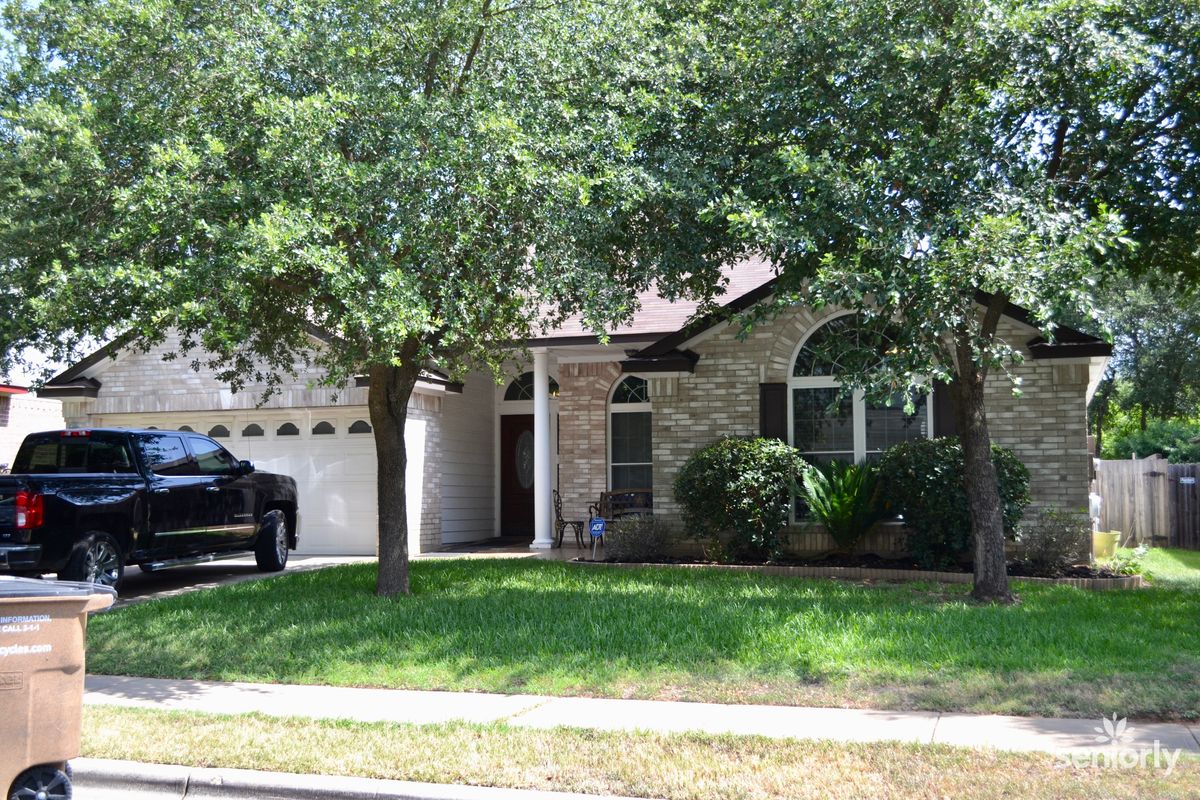
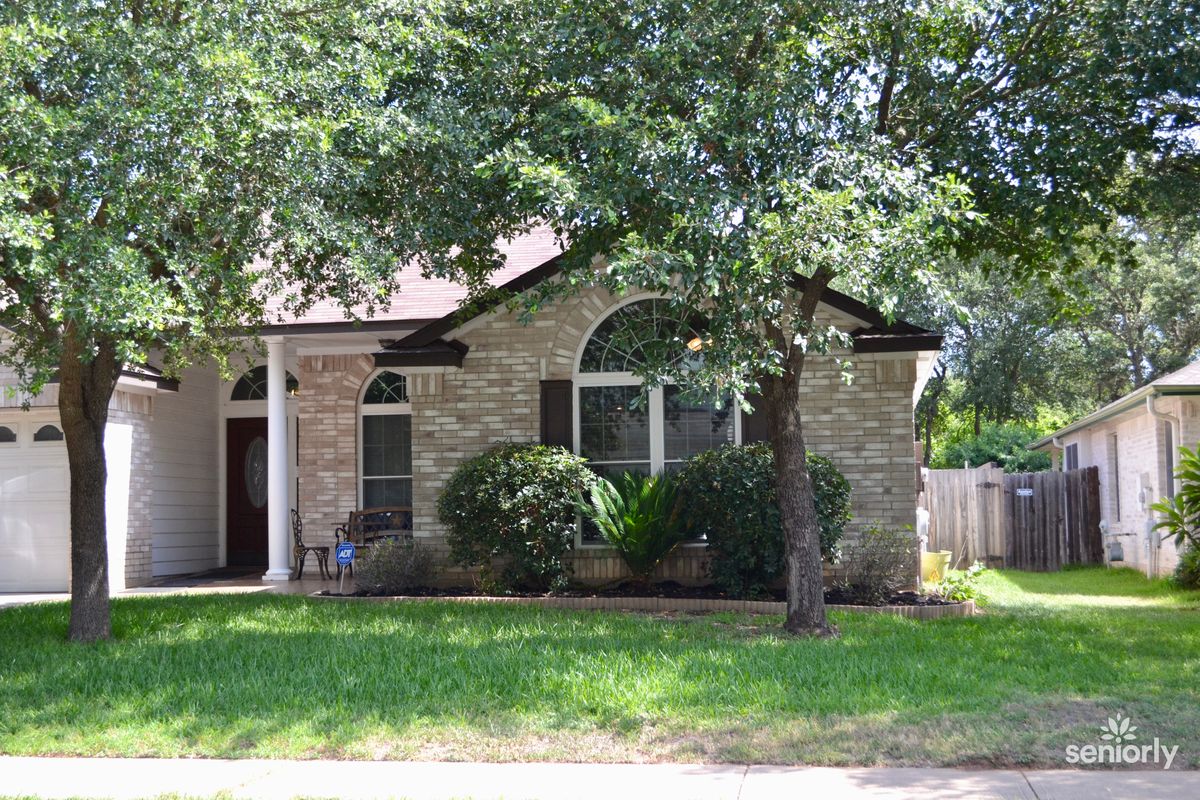
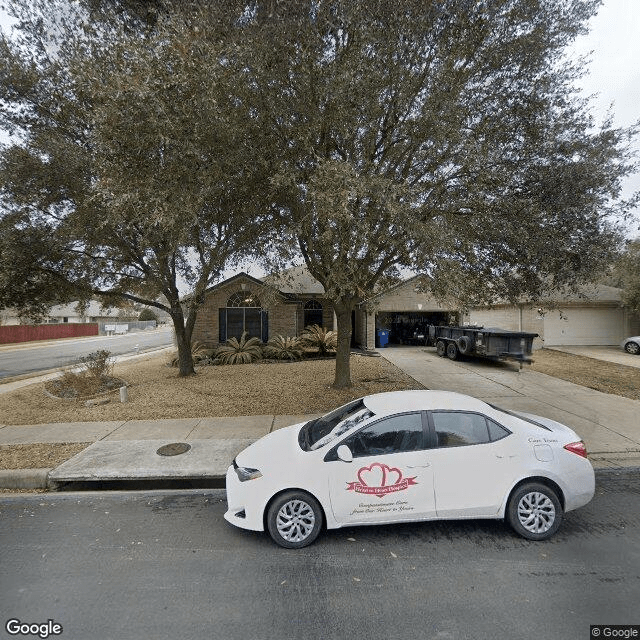
4816 Chesney Ridge Drive, Austin, TX 78749
For more information about senior living options: (866) 208-4318
Overall Review of South Austin Assisted Living
Pros
 The staff are friendly, attentive, and dedicated to residents’ well-being.
- The owners are knowledgeable and passionate about providing quality care.
- The facility is clean, home-like, and efficiently run.
- Residents receive one-on-one attention and personalized care.
- The care team provides compassionate, around-the-clock supervision.
- The staff go above and beyond to meet residents’ needs.
- The environment emphasizes safety with strong fall-prevention practices.
- Meals are prepared with care and adjusted to residents’ dietary needs.
- Families gain peace of mind from the attentive, caring staff.
- The care is described as priceless and highly valued by families.
Cons
 The meals could be improved.
- He is bedridden, leaving him with little to do.
- It was noted that there are not many activities and this could be improved.
- The staffing was not sufficient to meet his needs.
- The reviewer was not impressed and felt the quality did not meet expectations.
- Activities are minimal and she cannot participate in things that involve taking direction.
- The facility was considered too expensive for the parents.
- Communication with the family was not consistent, requiring updates from the owners or hospice.
Review
South Austin Assisted Living is best suited for families seeking a small, home-like setting where an attentive, medically grounded approach governs daily care. It is particularly strong for residents who need consistent supervision, reassurance for memory or mobility challenges, and end-of-life or hospice support delivered with individualized attention. The environment suits those who value a non-institutional vibe, highly reachable staff, and hands-on care from owners with medical backgrounds who can coordinate with physicians and bedside teams. Those who crave a bustling activity calendar or a broader range of social programs may find it less satisfying.
Alternatives are worth considering for several profiles. If a robust, program-driven social life and structured recreational offerings are priorities, larger facilities with formal activity directors may fit better. Families watching for lower price points or more transparent, externally managed operations might prefer communities with fewer medical-leaning owners on site. For residents who require intensive, highly specialized dementia services or a consistently expansive lineup of clinical services, a facility with dedicated memory-care wings and more specialized programming could be preferable.
The core strengths here, small size, high staff attention, and medical-savvy leadership, largely offset the main drawbacks. The house-like layout facilitates one-on-one interaction, reduces the sense of crowds, and supports rigorous fall prevention and individualized routines. The owners’ medical backgrounds translate into coordinated care with doctors, ICU-level insight when needed, and a practical, hands-on approach to daily needs. Cleanliness is consistently noted, and there is a palpable sense of warmth and respect from caregivers who treat residents like family. For residents with limited mobility or routine medical needs, this translates into steadier daily progress, better hygiene, and more reassuring supervision.
Care is delivered around the clock, and residents can expect attentive help with daily activities, diet customization, and safe movement programs. Several families highlighted exceptional bedside compassion from the owners, including moments of personal reassurance during agitation or illness. The facility’s emphasis on nourishment and gentle engagement, along with a demonstrated ability to tailor diets and meal plans, helps residents eat better and remain comfortable. For families facing end-of-life decisions, the small, intimate setting and the staff’s commitment can provide peace of mind that the person will receive dignified, continuous attention rather than feeling “lost” in a larger ward.
Cost and value present a nuanced equation. While some reviewers acknowledge higher pricing than nearby options, many feel the extra investment is justified by the care quality, low resident-to-staff ratio, and the nuanced medical oversight that a residential setting brings. Starting notes from families point to a practical price point in the vicinity of several thousand dollars, with a staffing model that ensures multiple caregivers on duty and strong night coverage. For residents who need steady monitoring, consistent personal interaction, and a predictable, compassionate presence, the value proposition holds up well against alternatives that deliver less individualized attention.
In deciding, families should prioritize three questions: How important is a small, home-like environment with direct medical leadership to day-to-day safety and comfort? Are the family’s needs aligned with a program that prioritizes personalized care over a bustling activities calendar? And does the ongoing cost fit the overall care budget given the level of attention and clinical coordination provided? If the answer leans toward intimate, medically informed care, South Austin Assisted Living emerges as a disciplined, reliable option. If, instead, the priority is a vibrant social scene or lower cost, exploring other small or mid-sized communities with broader activity programming is prudent.
 6 resident community capacity
 Assisted Living
 Board and Care Home
 Activities on-site
 Air-conditioning
 Beautician on-site
 Cable or satellite TV
 Devotional services on-site
 Dining room
 Full kitchen
 Fully furnished
 Garden
 Ground floor units
 Handicap accessible
 Housekeeping services
 Indoor common areas
 Move-in coordination
 Outdoor common areas
 Private
 Private patio, deck, or balcony
 Respite or short term stays offered
 Telephone
 Wheelchair accessible showers
 Wi-Fi/high-speed internet available
 Austin-Bergstrom International (12 miles away)
 24-hour supervision
 Assistance with bathing
 Assistance with dressing
 Assistance with transfers
 Diabetes diet
 Diabetic care
 High acuity care
 Incontinence care
 Meal preparation and service
 Medication management
 Special dietary restrictions
 Transportation arrangement (medical)
 Transportation to doctors appointments
 Adventist services
 BBQs or picnics
 Birthday parties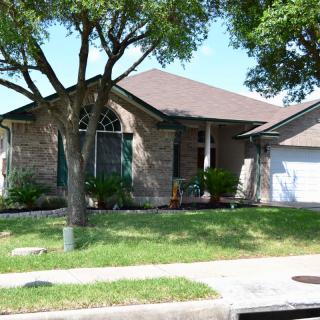



 Medicare Coverage for Assisted Living: An In-Depth Exploration
 Choosing the Right Senior Care: A Detailed Exploration of Assisted Living and Nursing Homes
 Understanding the True Cost of Assisted Living in 2025: A Comprehensive Guide