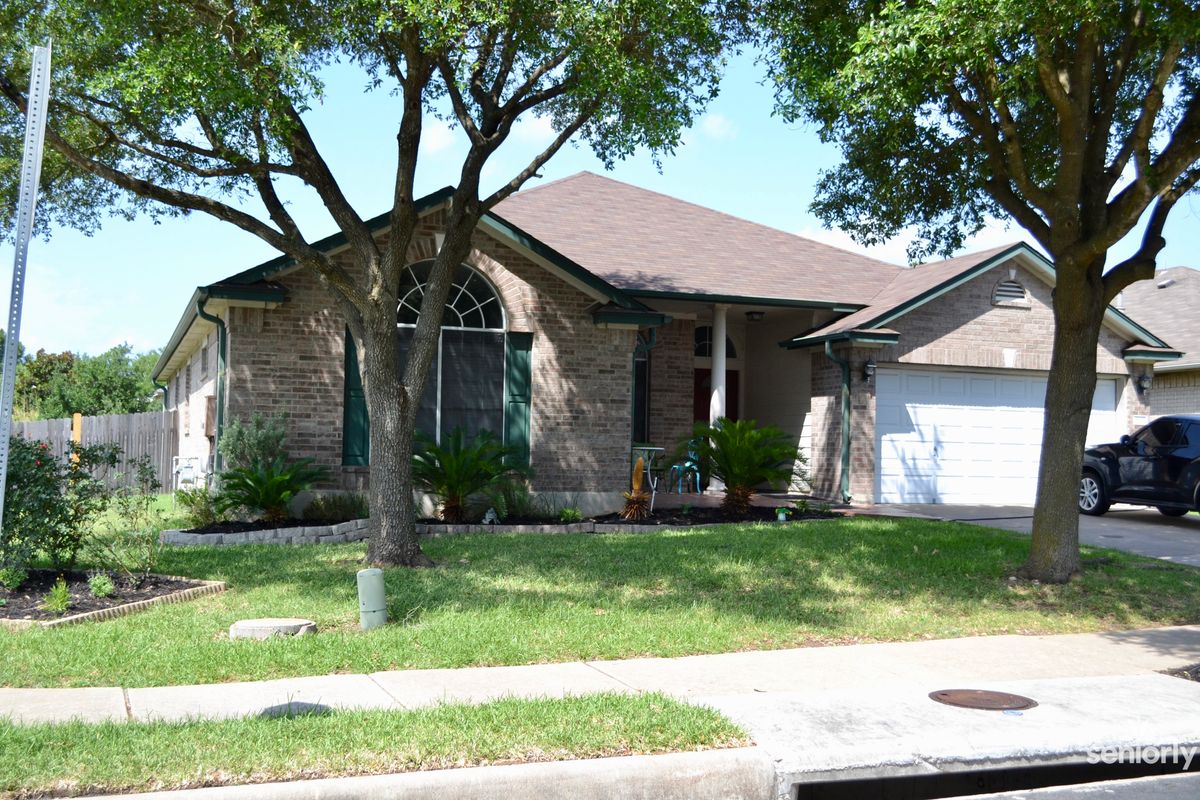
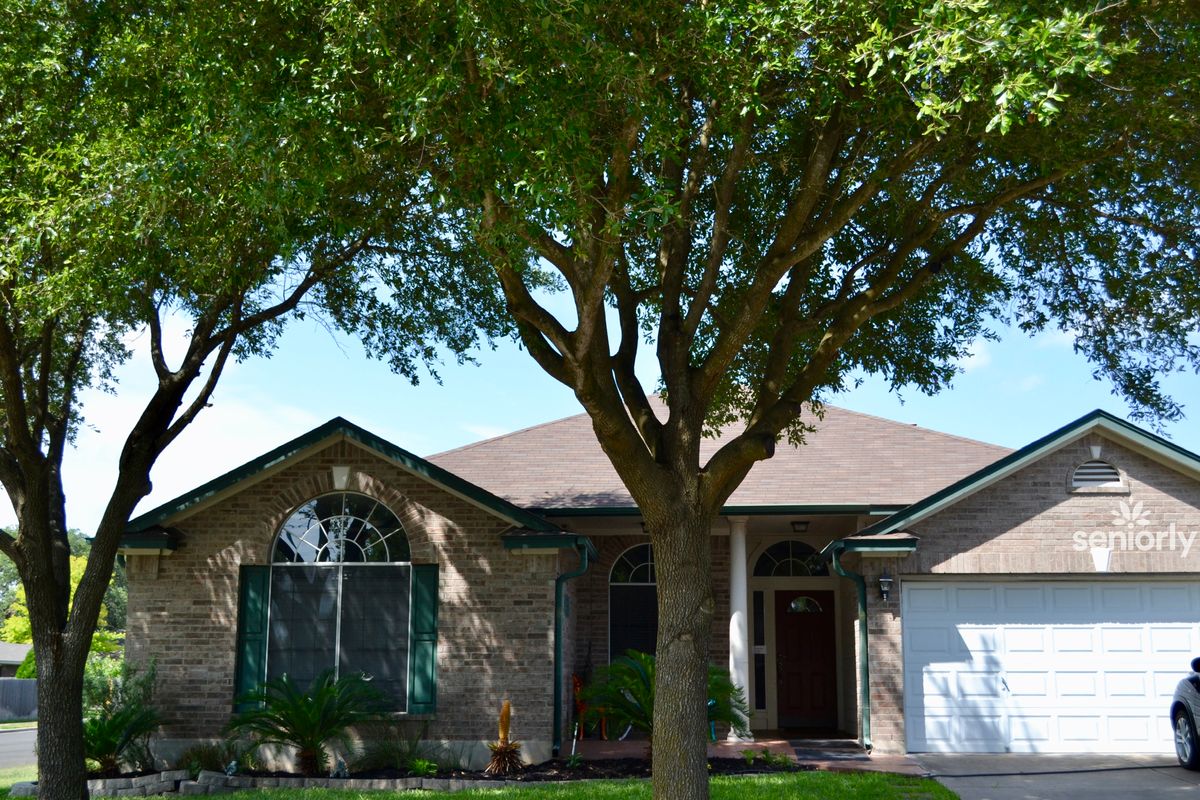
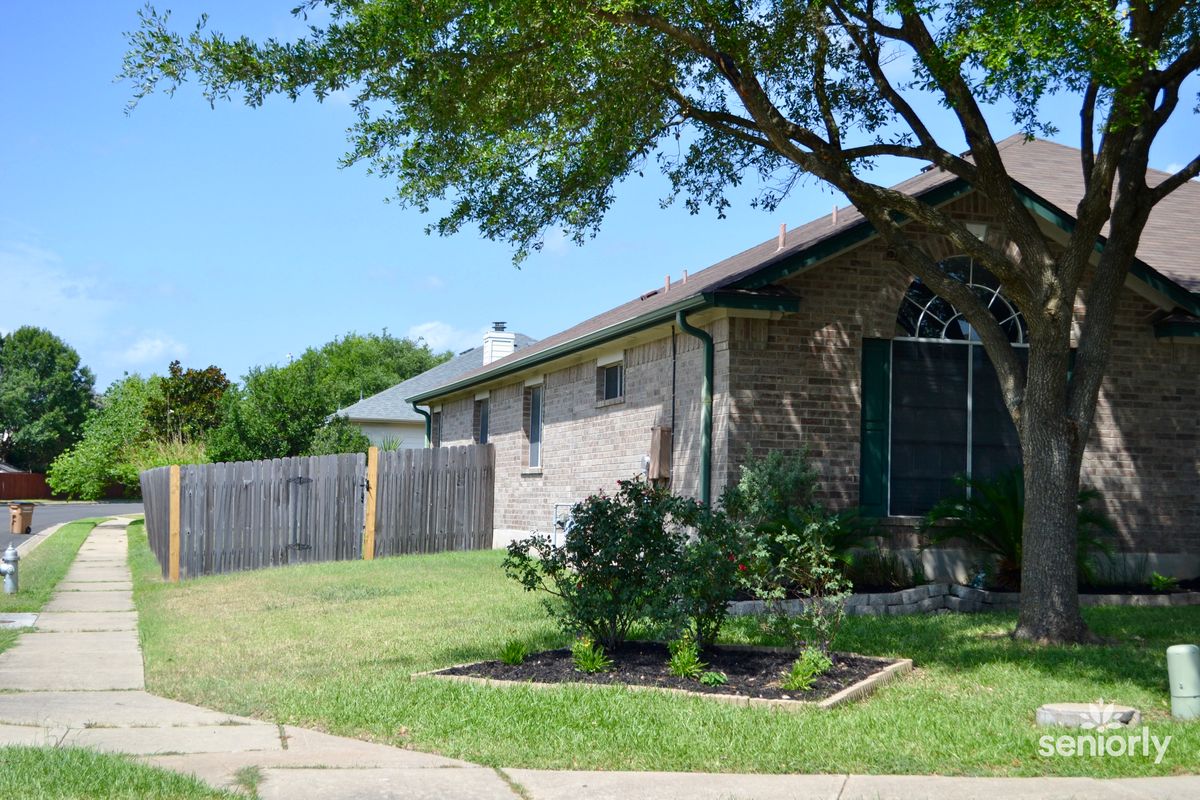
4601 Chesney Ridge Drive, Austin, TX 78749
For more information about senior living options: (866) 208-4318
South Austin Assisted Living - Austin Costs & Pricing
South Austin Assisted Living in Austin offers services at a premium compared to both Travis County and the broader state of Texas. For semi-private accommodations, residents can expect a monthly fee of $6,000, significantly higher than the county average of $4,300 and the state average of $3,680. Private rooms further elevate that cost, with a monthly rate set at $7,500 - starkly contrasting with Travis County's average of $4,194 and Texas's average of $4,096. This pricing reflects the community's commitment to providing enhanced care and amenities tailored for residents seeking a vibrant lifestyle within a supportive environment.
| Floor plans | South Austin Assisted Living - Austin | Travis County | Texas |
|---|---|---|---|
| Semi-Private | $6,000 | $4,300 | $3,680 |
| Private | $7,500 | $4,194 | $4,096 |
Assisted Living communities with a similar price nearby
-
from -$1000 / mo

Arbor Terrace Lakeway
$5,000 to $7,000 / month11.4 miles away -
from -$1150 / mo
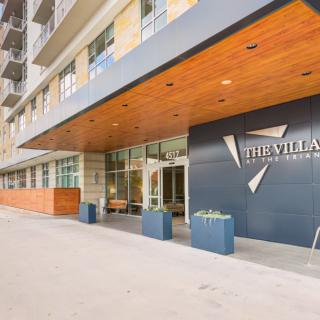
The Village at The Triangle
$4,850 to $7,000 / month11.1 miles away -
from -$1000 / mo

Arden Courts Of Austin
$5,000 to $7,180 / month17.1 miles away -
from -$1000 / mo
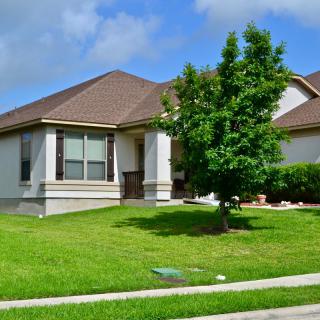
Live Oak Estates
$5,000 to $5,600 / month4.5 miles away -
from -$770 / mo
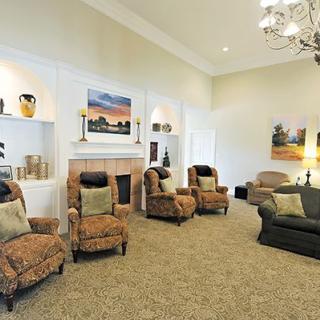
Grace House Assisted Living
$5,230 to $6,270 / month8.5 miles away
Overall Review of South Austin Assisted Living - Austin
Pros
 The staff and owners are described as loving, caring, and dedicated to the elderly.
- The owners’ medical backgrounds give families confidence that loved ones are welcomed and safely cared for.
- The small, home-like setting allows for personalized, one-on-one care for residents.
- The facility is clean, well-run, and staffed by attentive, friendly caregivers.
- Families experience peace of mind knowing their loved ones receive compassionate, 24-hour care.
- The team consistently goes above and beyond, showing genuine compassion for residents.
- Strong fall-prevention and mobility-support measures help residents stay safe and engaged.
Cons
 The activities are minimal and do not seem to meet the needs of some residents.
 - Staffing levels are not adequate to meet residents’ needs.
- The meals could use some improvement.
- The facility is too expensive for some families.
- Communication with families could be better; updates are hard to obtain.
- One reviewer felt the overall quality did not match the price.
- There is concern about a lack of activities for bed-bound residents.
Review
South Austin Assisted Living in Austin, TX is best suited for families seeking a small, home‑like residential setting that combines intimate, one‑on‑one attention with medical leadership. It works especially well for seniors who require steady supervision, medical coordination, and a quiet, non‑institutional atmosphere. This is not the pick for those who crave a large campus with a packed activity calendar or the absolute lowest price; families who want a bustling social scene or aggressive rehab programming may want to explore alternatives.
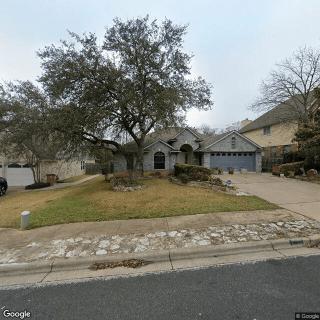
The strongest assets are the people and the setting. The community operates as a close-knit home with a Filipino couple owners who bring substantial medical experience to the table, a physician and a former ICU nurse, and that translates into coordinated care and clear communication with doctors. Residents benefit from a low staff‑to‑resident ratio, a warm, attentive staff, and a culture that emphasizes respect, dignity, and hands‑on support. Multiple reviews highlight how staff stay engaged with residents, helping with exercises, providing frequent visits, and ensuring personal cleanliness and safety, creating meaningful engagement for those who may be wheelchair- or bed‑bound. The environment itself reinforces this care: it feels like a house in a neighborhood, clean, calm, and free of hospital-like smells, which reassures families that their loved one won’t be “lost in the crowd.”
Care quality and safety are repeatedly underscored as differentiators. Families describe meticulous attention to nutrition, specialized meals when needed, and careful attention to prevention of pressure injuries and falls. The owners’ medical backgrounds enable practical, physician-level coordination, an attribute that provides comfort when a resident has complex health issues or requires hospice-level planning. Instances of exceptional compassion are noted, including moments when staff went beyond routine duties to soothe agitation or provide personal reassurance. For those prioritizing peace of mind in the end stages of life or for residents who need consistent, loving oversight, the care quality can justify a higher cost if that cost yields reliable outcomes and reduced hospital transfers.
Where the community shows legitimate trade‑offs, the most frequently cited are activities and programming and, to some degree, cost. A few families note that the activity calendar is not as robust as hoped, and some residents may struggle to participate in group events that require more mobility or direction. Several reviews point to the higher price point relative to some alternatives, even as they acknowledge that the value is found in staff attention, fewer residents per caregiver, and the overall warmth of the home setting. Food quality is also mentioned as an area with room for improvement, though staff do their best to accommodate special diets and preferences. Communication with families can occasionally feel uneven, with updates sometimes requiring the family to prompt the staff or reach out to the owners for information.
These strengths and weaknesses balance in a clearly practical way. The core advantages, medically savvy ownership, a true home-like environment, attentive, low‑ratio care, and a demonstrable commitment to cleanliness and safety, tend to offset the drawbacks for residents who are non‑ambulatory, memory‑impacted, or in hospice‑level need. The intimate setting and personalized attention yield tangible benefits: better daily menus, more individualized exercise, fewer hazards, and conversations with caregivers who know the resident’s history and preferences. For families weighing cost against quality, this balance often tilts toward investing in a smaller, more medically aligned operation when the loved one’s daily reality hinges on reliable oversight and compassionate bedside care.
In short, South Austin Assisted Living is a strong fit for seniors who prize a home atmosphere, close medical coordination, and attentive, compassionate staff over a broad calendar of activities or a low price. It is especially well advised for those with complex health needs, those who value fall prevention and personal attention, and families who want a facility where the owners are actively involved and medically capable. Alternatives make sense for families prioritizing a richer activity lineup, lower financial outlay, or a more institutional setting with larger programming. For the right resident, one who benefits from intimate care, safety, and medical continuity, the positives far outweigh the drawbacks, and the decision to proceed should be grounded in the loved one’s specific medical and emotional needs.
 6 resident community capacity
 Assisted Living
 Board and Care Home
 Respite Care
 Activities on-site
 Air-conditioning
 Beautician on-site
 Cable or satellite TV
 Devotional services on-site
 Dining room
 Full kitchen
 Fully furnished
 Garden
 Ground floor units
 Handicap accessible
 Housekeeping services
 Indoor common areas
 Move-in coordination
 Outdoor common areas
 Private
 Private patio, deck, or balcony
 Telephone
 Wheelchair accessible showers
 Wi-Fi/high-speed internet available
 Austin-Bergstrom International (11 miles away)
 24-hour supervision
 Assistance with bathing
 Assistance with dressing
 Assistance with transfers
 Diabetes diet
 Diabetic care
 High acuity care
 Incontinence care
 Meal preparation and service
 Medication management
 Special dietary restrictions
 Transportation arrangement (medical)
 Transportation to doctors appointments
 Adventist services
 BBQs or picnics
 Birthday parties




 Is Assisted Living Deductible on Your Taxes? Understanding the Complexities of Assisted Living Expenses and Deductions
 Assisted Living Support for Veterans: A Complete and Detailed Overview
 Exploring the Contrasts Between Assisted Living and Skilled Nursing