At Autumn Leaves of South Austin, residents can expect to pay a premium for their accommodations compared to average costs in Travis County and across Texas. For a semi-private room, the monthly fee is $5,630, significantly higher than the county's average of $4,300 and the state average of $3,680. Similarly, the costs for a studio room at Autumn Leaves are set at $6,438, which far exceeds both the county's average of $3,999 and Texas's typical rate of $3,758. This pricing reflects not only the distinctive services and amenities offered by Autumn Leaves but also its focus on providing specialized memory care in a supportive environment tailored to meet the unique needs of its residents.
Floor plans
Autumn Leaves of South Austin
Travis County
Texas
Semi-Private
$5,630
$4,300
$3,680
Studio
$6,438
$3,999
$3,758
Memory care communities with a similar price nearby
Families describe staff who are consistently kind, attentive, and supportive.
Across the reviews, residents and families repeatedly highlight staff members showing patience, compassion, and personal attention. Multiple reviewers also mention communication and ongoing support for families, not just day-to-day caregiving. A few reviews stress safety and a well-run environment, even as needs change over time.
differentiator22 reviews mention this
Memory care is the focus
The reviews consistently point to specialized dementia-focused care.
Reviewers often describe experiences with dementia and memory support, saying care feels tailored to what each person needs. Several comments reference support through Alzheimer’s progression and the importance of getting the right memory-care fit. The community also offers medication management, incontinence care, and ambulatory care, aligning with the clinical support families mention wanting.
common15 reviews mention this
Activities keep residents engaged
Residents are described as staying active with engaging daily programming.
Many reviews mention frequent activities and a lively feel in the community, including group events and opportunities for residents to participate. Several reviewers also describe different types of stimulation, such as exercise classes and clubs, and connect that engagement to quality of life. The community’s on-site activity offerings are also reflected in the amenities list.
common8 reviews mention this
Dining experience is repeatedly praised
Food is a consistent bright spot in residents’ day-to-day routines.
Several reviews mention meals positively, including comments about the food quality and that residents enjoy what’s served. Some reviewers also describe dining options or dining support for different abilities. The community also provides guest meals and special dining programs, which matches how families talk about dining fitting residents’ needs.
caveat3 reviews mention this
Pricing is a major drawback
Several families say the cost is beyond what they expected or could afford.
A recurring concern in the reviews is affordability, with multiple commenters calling the option expensive or above their means. One reviewer even frames the facility as a consideration only if price were closer to other choices. Pricing information in the listing shows higher rates across unit types compared with both county and state benchmarks.
How we summarize
Counts show how many written reviews mention each theme; a review can touch several themes, and only frequently mentioned themes are displayed.
Features
Types of Care
Memory Care
Amenities
Activities on-site
Air-conditioning
Beautician on-site
Devotional services on-site
Ground floor units
Handicap accessible
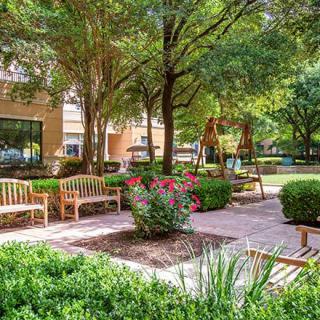
Indoor common areas
Outdoor common areas
Respite or short term stays offered
Wheelchair accessible showers
Wi-Fi/high-speed internet available
Transportation
Austin-Bergstrom International (12 miles away)
Care Services
Ambulatory care
Incontinence care
Medication management
Dining
Guest meals
Meals provided
Special dining programs
Activities
Activities on-site
Devotional activities on-site
Nearby Places of Interest
This part of Austin, Texas offers a vibrant and convenient location for senior living. With a variety of healthcare providers such as Balcones Pain Consultants, Southwest Pediatric Associates, and Howerton Eye Clinic in close proximity, residents have easy access to medical care. Pharmacies like Walgreens and CVS are also nearby for medication needs. There are plenty of dining options ranging from Mexican cuisine at Chuy's to classic American fare at P. Terry's Burger Stand. The area also boasts recreational opportunities with parks like Windmill Run Park and Dittmar Park within a short drive. For cultural outings, theaters like Alamo Drafthouse Cinema offer entertainment options. Overall, this neighborhood provides a balanced mix of amenities for seniors looking to settle in Austin.
At Autumn Leaves of South Austin, residents can expect to pay a premium for their accommodations compared to average costs in Travis County and across Texas. For a semi-private room, the monthly fee is $5,630, significantly higher than the county's average of $4,300 and the state average of $3,680. Similarly, the costs for a studio room at Autumn Leaves are set at $6,438, which far exceeds both the county's average of $3,999 and Texas's typical rate of $3,758. This pricing reflects not only the distinctive services and amenities offered by Autumn Leaves but also its focus on providing specialized memory care in a supportive environment tailored to meet the unique needs of its residents.
Autumn Leaves of South Austin offers medication management to ensure that residents receive their prescribed medications on time and in the correct dosages, which is crucial for maintaining their overall health and managing symptoms associated with dementia or Alzheimer's disease. This structured approach reduces the risk of medication errors, thereby enhancing residents' quality of life and stability. Additionally, incontinence care is an essential feature that promotes dignity and comfort for residents who may experience this common issue. By providing compassionate assistance and maintaining a hygienic environment, the staff helps alleviate potential embarrassment and anxiety related to incontinence, enabling residents to focus more on social interactions and cognitive engagement rather than physical discomfort. Together, these services create a supportive atmosphere that addresses both medical needs and personal well-being.
Nearby Communities
Silverado Barton Springs
Austin, TX
4.9 from 89 reviews
Comprehensive memory care with 24/7 supervision and tailored programming, plus restaurant-style dining.
Brookdale Beckett Meadows
Austin, TX
4.1 from 110 reviews
$3,850 to $6,095 / month
Friendly, caring staff in a clean, well-maintained community with engaging activities and good dining.
Rena's Elder Care Svc
Austin, TX
4.7 from 106 reviews
Impeccable cleanliness, compassionate staff, and engaging activities.
South Austin Assisted Living
Austin, TX
4.5 from 17 reviews
Caring, attentive staff in a small, home-like setting with medically experienced owners.
South Austin Assisted Living - Austin
Austin, TX
4.5 from 17 reviews
$6,000 to $7,500 / month
Small, intimate setting with broad care options and ample amenities.
Brush Country Nursing And Rehabilitation
Austin, TX
4.1 from 79 reviews
$4,451 to $5,786 / month
Extensive amenities and comprehensive care.
Arborview Circle C Ranch
Austin, TX
4.9 from 50 reviews
$1,575 to $2,250 / month
Affordable pricing for the area; spacious 1-bedroom apartments and a vibrant, activity-rich community.
Sodalis Austin
Austin, TX
4.3 from 130 reviews
$3,100 to $5,900 / month
Warm, caring staff; clean, recently renovated facility with responsive management.
Brookdale Gaines Ranch
Austin, TX
4.5 from 108 reviews
$2,940 to $5,750 / month
Friendly, responsive staff and engaging activities in a clean, upscale setting.
The article presents five subtle indicators of dementia, such as memory lapses and mood swings, to help families assess cognitive decline in loved ones. It emphasizes early detection, open communication, and seeking professional help while providing practical support steps.
Dementia encompasses progressive neurological disorders that impair cognitive functions and can lead to paranoia due to cognitive decline and emotional changes. The article discusses the triggers of paranoia in dementia, caregiver strategies for managing it, and the importance of distinguishing between dementia-related paranoia and other psychiatric conditions.
Memory care activities are essential for improving the quality of life of seniors with cognitive impairments, as they stimulate cognitive function, promote well-being, and encourage social interaction through tailored strategies. These activities combine structured exercises with spontaneous tasks, sensory engagement, physical workouts, creative pursuits, and intergenerational interactions to enhance emotional connection and a sense of purpose.
Get PricingAsk A QuestionSchedule A TourContact Senior Advisor
By clicking submit, you agree to our Partner's Terms of Use. You
also consent to receive calls and texts, which may be autodialed, from our Partner. Your consent is not a condition to
using our Partner's service. Please visit our Partner's Privacy Policy for information about their privacy practices.


 Memory Care
 Activities on-site
 Air-conditioning
 Beautician on-site
 Devotional services on-site
 Ground floor units
 Handicap accessible
 Indoor common areas
 Outdoor common areas
 Respite or short term stays offered
 Wheelchair accessible showers
 Wi-Fi/high-speed internet available
 Austin-Bergstrom International (12 miles away)
 Ambulatory care
 Incontinence care
 Medication management
 Guest meals
 Comprehensive memory care with 24/7 supervision and tailored programming, plus restaurant-style dining.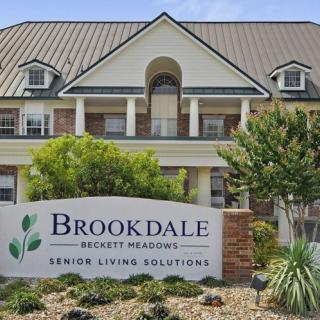
 Five Subtle Dementia Indicators to Observe: An In-Depth Guide to Understanding “Does My Mom Have Dementia?”
 Dementia, Paranoia, and Caregiver Guidance: Understanding the Connection
 Engaging Memory Care Activities That Enhance Quality of Life