Overall Review of West Oaks Nursing And Rehabilitation Center
common31 reviews mention this
Friendly, attentive help stands out
Residents and visitors frequently describe staff as friendly, helpful, and attentive.
Across the reviews, families consistently say the staff is welcoming, kind, and easy to reach for help. Multiple people mention being reassured during admissions or care planning and highlight nurses and aides who respond to questions and concerns. A few reviews also call out specific caregivers for being patient, professional, and supportive during rehab and day-to-day care.
common16 reviews mention this
Clean facilities and fresh atmosphere
Many reviewers say the facility is clean and well kept.
Several reviews emphasize cleanliness, including describing the building as bright, spotless, and not having a bad nursing-home smell. Others add that rooms and common areas look maintained, and some mention housekeeping consistency. A reviewer also links the cleanliness to a generally positive experience during visits.
common10 reviews mention this
Therapy and rehab support gets credit
Rehab care and therapy support are frequently praised in reviews.
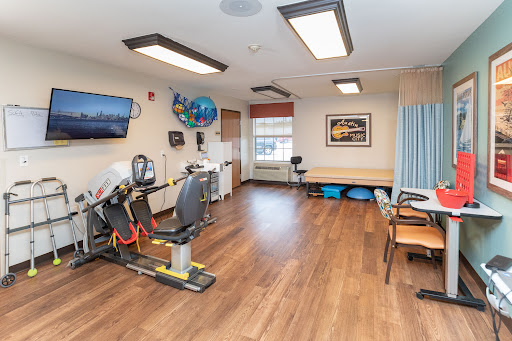
Some reviewers share that their loved ones came for rehab after injuries or surgery and saw progress while at the community. Others specifically mention therapy staff and rehabilitation teams as a strength, along with staff engagement during activities. A couple of residents also describe participating in scheduled activities and being supported in getting exercise or daily routines going.
common6 reviews mention this
Activities create days with variety
Residents and visitors mention activities that help keep days structured.
Reviews describe ongoing activity involvement, including residents spending time outside and participating in organized programming. One reviewer highlights an activities director and praises how engaged residents seem during visits. Another mentions music and group energy, reinforcing that activities are noticeable beyond a typical routine.
caveat5 reviews mention this
Staffing levels raise concerns
Some reviewers describe understaffing or staffing problems that affect care.
While many reviews are positive, a handful raise concerns about chronic short staffing and its impact on resident comfort. One review describes residents waiting for care and being left in soiled conditions for hours at times. Others mention medication not being delivered promptly or difficulties reaching staff by phone, and one negative review attributes problems to admission or oversight issues rather than the daily nursing floor.
How we summarize
Counts show how many written reviews mention each theme; a review can touch several themes, and only frequently mentioned themes are displayed.
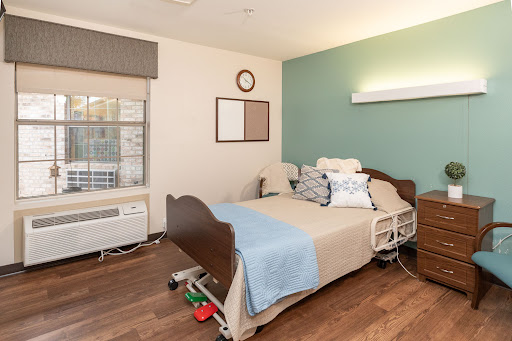
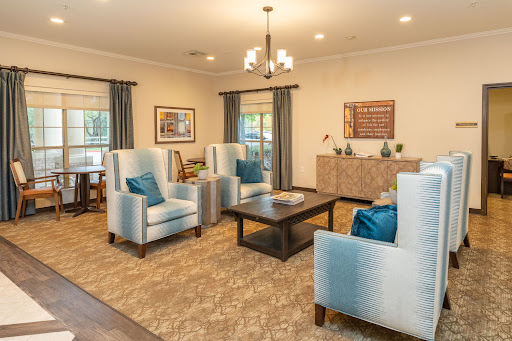
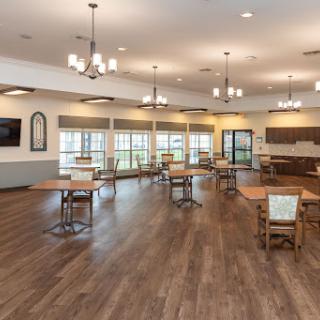
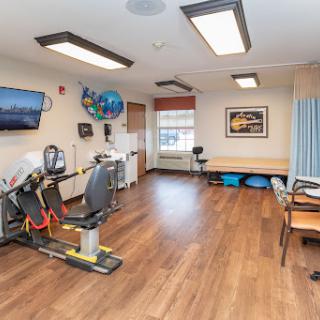
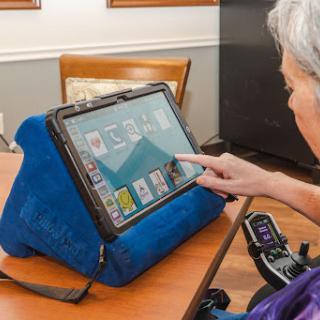
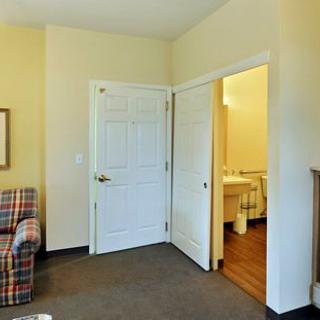
West Oaks Nursing And Rehabilitation Center on seniors.fyi includes 11 photos including images showing interior, exercise equipment, workspace, landscaping, wooden flooring, waiting area, computers, bedroom, and more.
Medicare provides limited coverage for skilled nursing home care, covering full benefits for the first 20 days and partial benefits up to 100 days under certain conditions, after which families must explore alternative funding options like Medicaid or long-term care insurance to manage potentially high costs. Proactive planning is essential to navigate the complexities of financing ongoing care once Medicare coverage ends.
Geriatric care managers create personalized care plans for older adults, addressing their medical, social, financial, and psychological needs while coordinating services and advocating for their well-being. They help families navigate caregiving challenges but may be hindered by high costs and a shortage of qualified professionals.
The article highlights the importance of empathy and open communication when comforting someone who is grieving, noting that grief is unique to each individual and emphasizing the need for sincere expressions of condolence, active listening, and ongoing support. It also addresses cultural differences in mourning practices and encourages tailored approaches to provide effective comfort.
West Oaks Nursing And Rehabilitation Center photos
×
Interior
Decor
Building
Dining
Landscaping
Exercise Equipment
Office
Waiting Area
Gym
Workspace
Accessibility
Interior
Decor, Bedroom, and Windows
Dining and Modern Lighting
Living Room, Lighting Fixtures, Modern Furniture, and Cozy Atmosphere
Landscaping and Park
Building, Architecture, Entrance, and Awning
Exercise Equipment
Healthcare and Reception
Office and Computers
Gym and Fitness
Waiting Area
Rehabilitation and Physical Therapy
Workspace
Wooden Flooring
Accessibility
Get PricingAsk A QuestionSchedule A TourContact Senior Advisor
By clicking submit, you agree to our Partner's Terms of Use. You
also consent to receive calls and texts, which may be autodialed, from our Partner. Your consent is not a condition to
using our Partner's service. Please visit our Partner's Privacy Policy for information about their privacy practices.












 125 resident community capacity
 Skilled Nursing Facility
 Air-conditioning
 Beauty salon
 Cable or satellite TV
 Computer center
 Dining room
 Fitness room
 Fully furnished
 Gaming room
 Garden
 Housekeeping services
 Kitchenette
 Move-in coordination
 Outdoor space
 Private bathrooms
 Restaurant-style dining
 Small library
 Telephone
 Wellness center
 Wi-Fi/high-speed internet available
 Austin-Bergstrom International (10 miles away)
 Community operated transportation
 12-16 hour nursing
 24-hour call system
 Activities of daily living assistance
 Assistance with bathing
 Assistance with dressing
 Assistance with transfers
 Diabetes diet
 Medication management
 Mental wellness program
 Special dietary restrictions
 Concierge services
 Planned day trips
 Clean environment with available nursing staff.





 Managing Nursing Home Expenses After Medicare Coverage Ends
 Is a Geriatric Care Manager the Right Choice for Your Family?
 Compassionate Conversations: How to Comfort Someone Who Is Grieving