Shady Hollow II Assisted Living in Austin, TX

Save

  • Interior

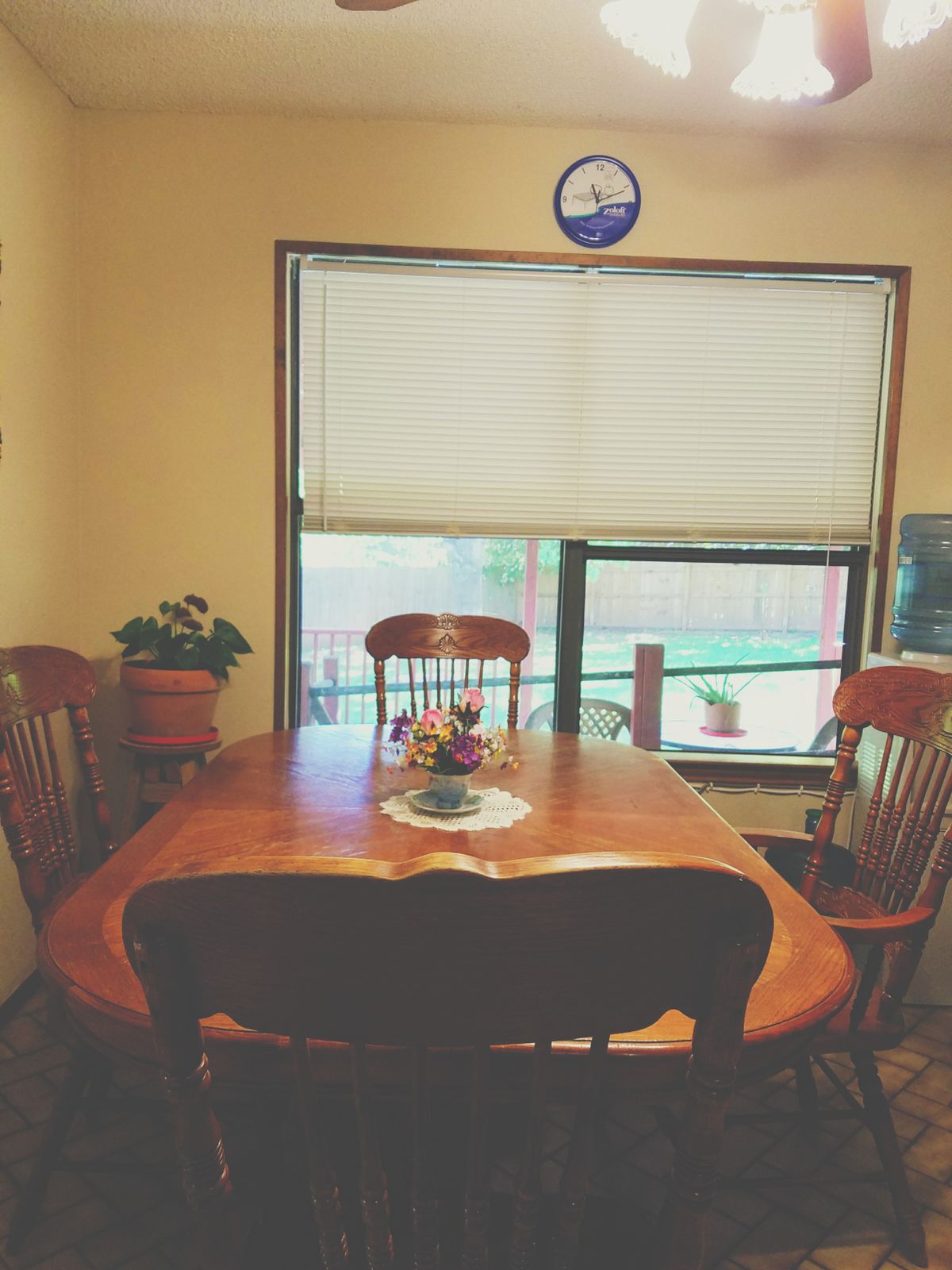
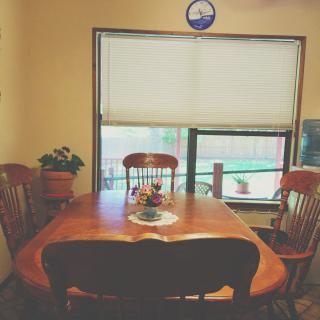
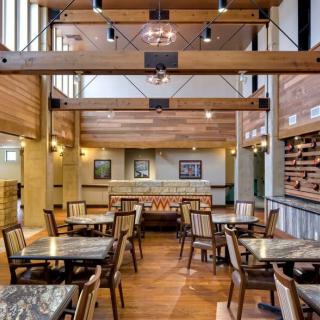
    A cozy dining room with a wooden table and chairs, illuminated by natural light through a window with blinds.
  • Decor

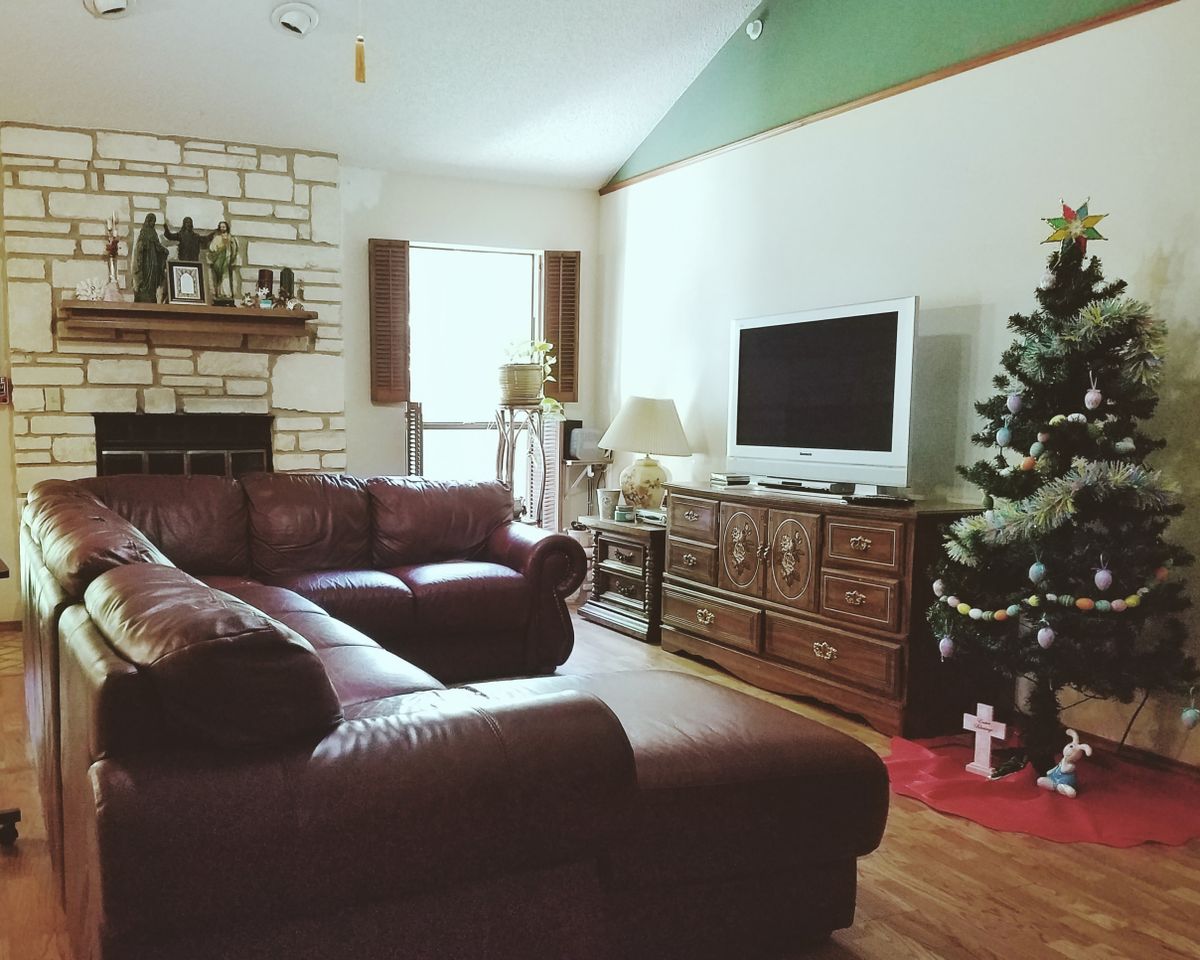
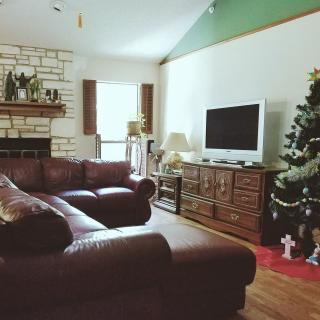
    A cozy living room with a leather sofa, a television, and a decorated Christmas tree next to the fireplace.
  • Living Room

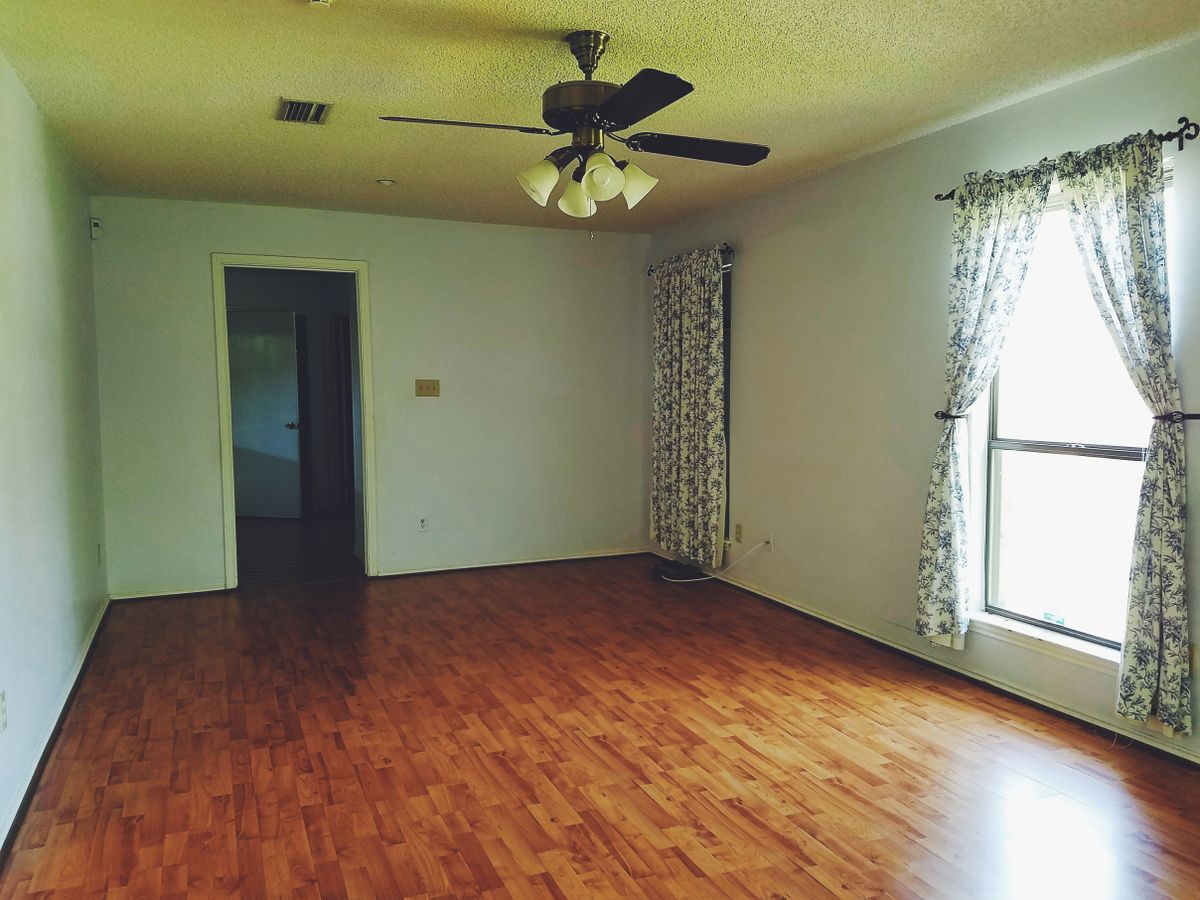
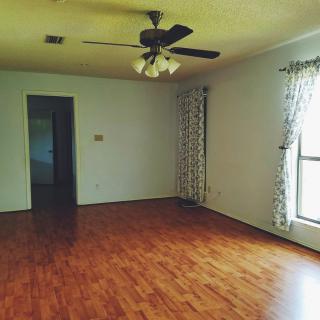
    A spacious empty living room with wooden flooring, a ceiling fan, and large windows with curtains.
  • Trees

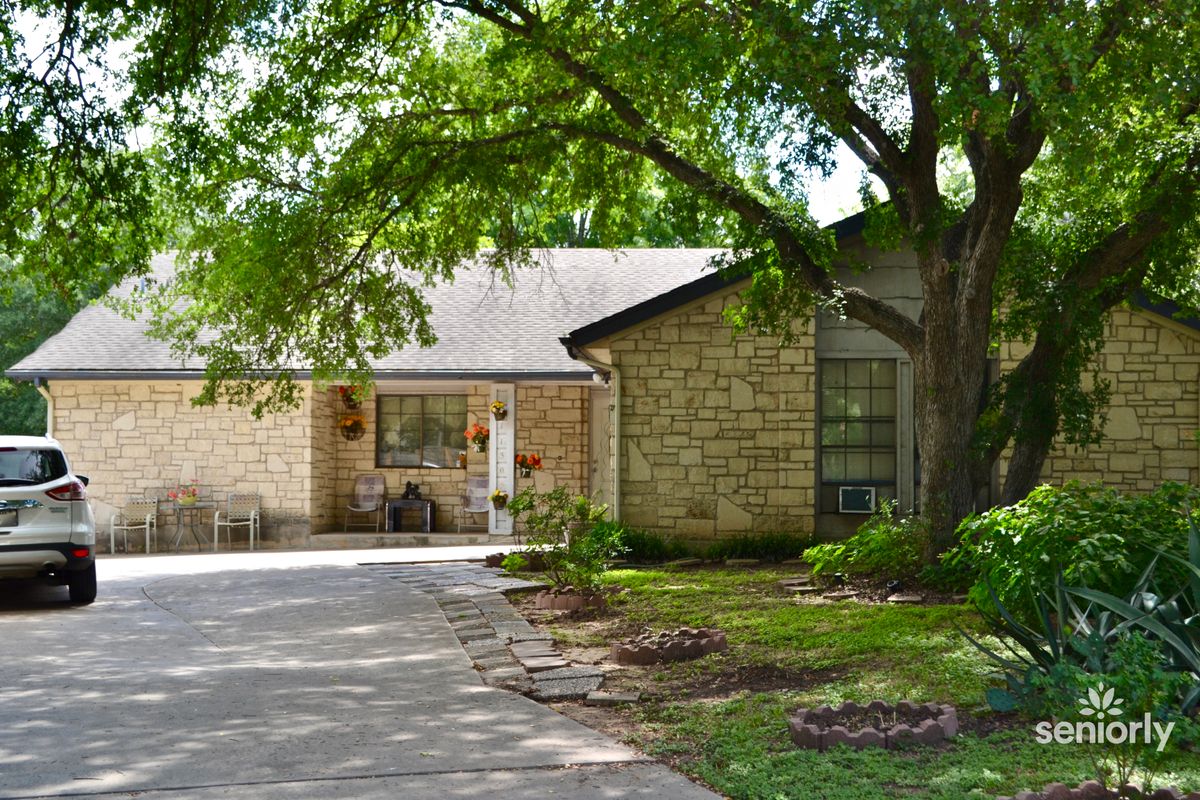
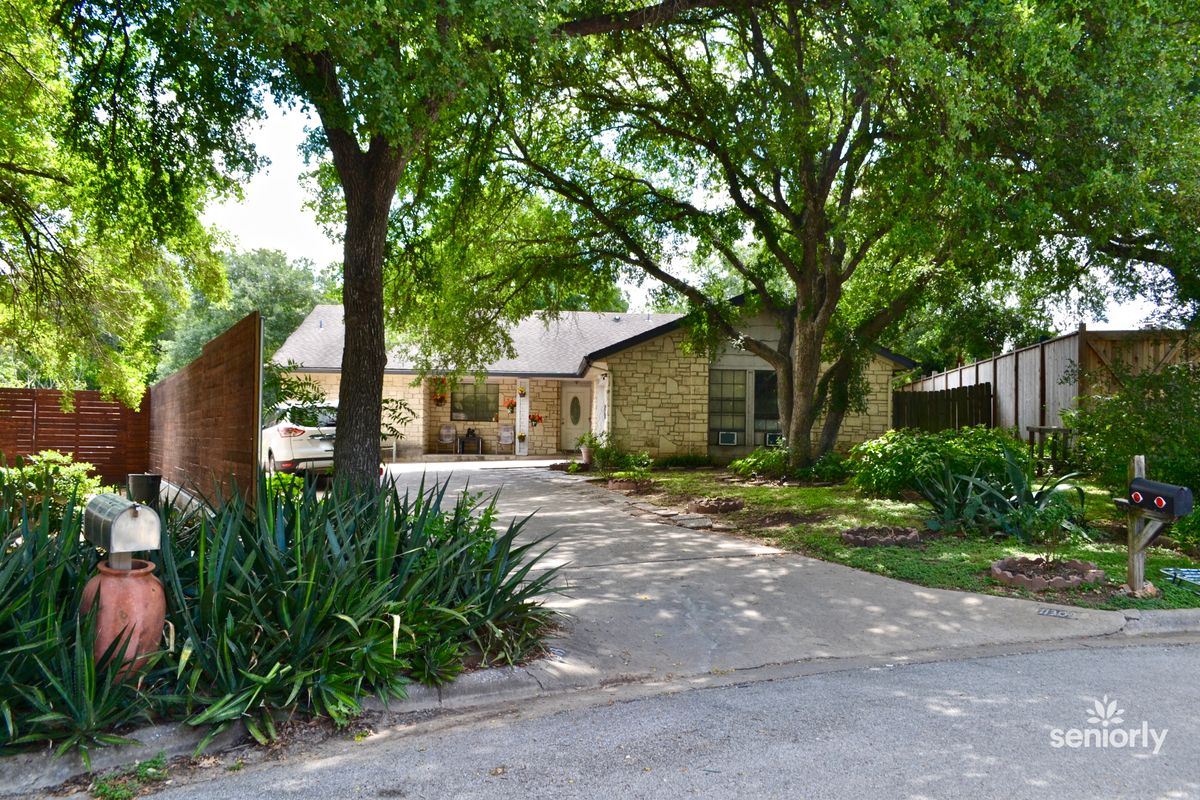
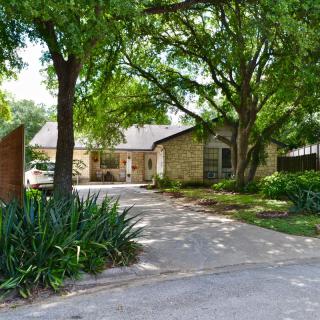
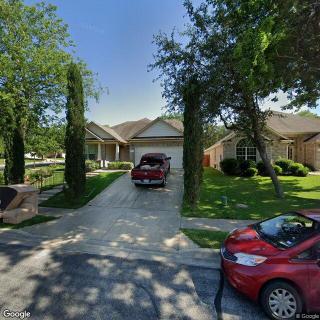
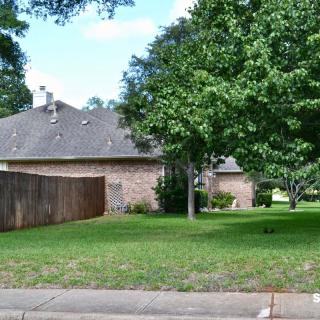
    A cozy residential house with a brick exterior and a shaded driveway.
  • Landscaping

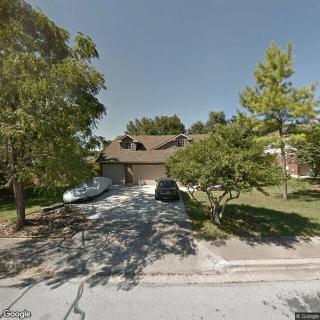
    A suburban house with a tree-lined driveway and well-maintained landscaping.
  • Garden

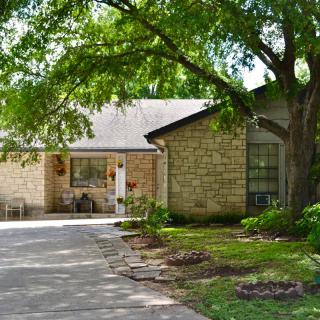
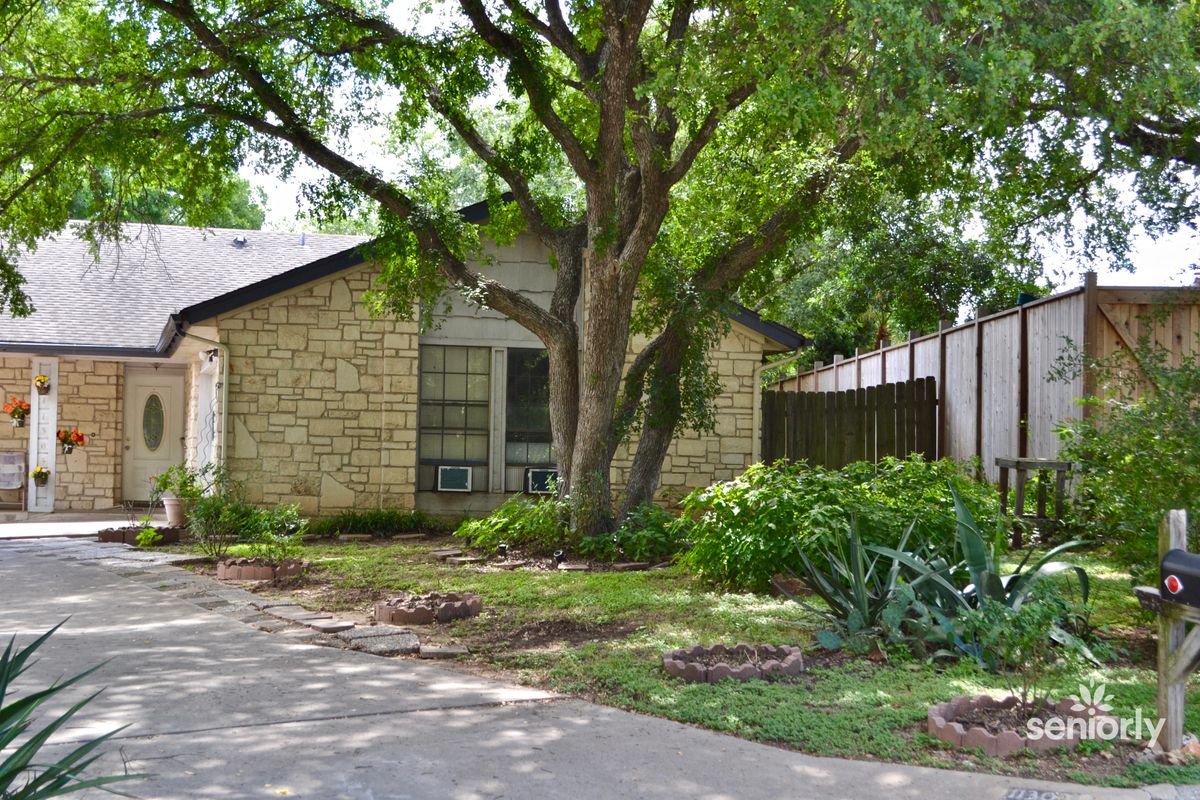
    A cozy residential house with a stone exterior, surrounded by lush greenery and a spacious driveway.

Shady Hollow II Assisted Living in Austin, TX

Information last verified:

11303 Aloysia Drive, Austin, TX 78748

For more information about senior living options: (844) 490-3973

4.5 from 68 reviews
5 stars
45
4 stars
16
3 stars
4
2 stars
1
1 stars
2

Shady Hollow II Assisted Living Costs & Pricing

Shady Hollow II Assisted Living offers a competitive pricing structure, with a private room costing $2,000 per month. This rate is significantly lower than the average monthly costs in both Travis County and the broader Texas market, where similar accommodations can range from approximately $4,096 to $4,194. By providing such an affordable option, Shady Hollow II not only positions itself as a financially appealing choice for families seeking quality care for their loved ones but also underscores its commitment to accessibility within the community.

Floor plansShady Hollow II Assisted LivingTravis CountyTexas
Private$2,000$4,194$4,096

Overall Review of Shady Hollow II Assisted Living

Pros

  • pro The new flooring looks amazing in photos.
  • pro The event space has a great little kitchen attached.
  • pro The new courts are amazing.
  • pro Shady Hollow is a beautiful, well-kept, and clean home.
  • pro It is a peaceful environment with a quiet room and a large window.
  • pro The owner is caring and attentive to residents.
  • pro The meals are very healthy and the clothes are always laundered.
  • pro Charlie the dog adds to the ambiance.
  • pro The spacious backyard has big trees and a vegetable garden.
  • pro The caretakers are inclusive, informative, and openly address questions.
  • pro The care team monitors residents 24/7 with excellent comfort care.
  • pro The home is peaceful, clean, and organized.

Cons

  • pro The owner is described as willing to say anything to attract new residents.
  • pro The care was non-existent.
  • pro Residents were asked to provide additional food or items beyond the monthly fees.
  • pro The staff allegedly kept a patient in bed with excuses for doing so.
  • pro They demanded a baby monitor and then watched her waste away without ever entering the room.
  • pro The two facilities are old, dirty, and the staff does not provide necessary care.
  • pro Everyone was treated as family rather than properly trained staff.
  • pro The main room’s carpet makes serving food difficult and stains are charged for.
  • pro There was no broom available to help clean.

Review

Shady Hollow II Assisted Living in Austin is best suited for families seeking a warm, residential environment where daily life centers on comfort, personal attention, and a calm, home-like rhythm. This community fits seniors who do not require heavy medical intervention but benefit from around-the-clock presence, steady supervision, and end-of-life or geriatric care within a setting that emphasizes dignity, routine, and social value. The property stands out for residents who relish quiet rooms with natural light, shade-drenched outdoor spaces, and a sense of belonging cultivated by staff who treat daily care as a deeply personal mission. For families prioritizing transparency in day-to-day communication, inclusive care planning, and a supportive atmosphere for hospice or geriatrics coordination, this is a compelling option worth serious consideration.

That said, several realities push families to consider alternatives. For seniors who demand high-acuity medical oversight, specialized memory-care programming, or aggressive rehab post-hospitalization, this community may fall short. The strongest reservations arise when care is expected to be consistently rigorous, medically complex, and highly standardized; in those cases, newer, more clinical settings with clearly delineated training protocols may be a better match. Additionally, questions have been raised about governance and reliability of care in some reviews, particularly around marketing promises versus everyday operations. Families should also be aware that two facilities are in play under the same ownership, with mixed impressions in the record, an important distinction when evaluating which location might actually house a specific loved one. If these factors matter, alternatives with more transparent staffing and facility infrastructure deserve careful comparison.

The primary positives here, the peaceful environment, thoughtful renovations, and the hands-on, around-the-clock caregiving, often offset the core concerns. The property’s recent flooring upgrades, clean common areas, and attention to landscaping create an inviting backdrop for daily life and casual socializing. The event spaces, kitchens attached to the gathering areas, and a dog on site contribute to a genuine home-away-from-home feel that many families value for long-term comfort. Residents reportedly benefit from well-balanced meals, regular laundry service, and a serene room with a large window, all of which bolster overall morale. Most important, the care team’s commitment to 24/7 attention, open communication, and inclusive involvement of families tends to produce trust and reduce anxiety for loved ones navigating difficult transitions.

In practice, the care narrative is markedly strong when the tone from staff and leadership is consistent and credible. Several families describe a team that is open, honest, and deeply engaged with the patient’s day-to-day needs, asking questions, addressing confusions, and providing steady reassurance. Instances of meaningful improvement, ranging from enhanced comfort with a walker to renewed engagement and purpose, underscore the value of a well-coordinated geriatrics approach. The testimonials about compassionate bedside care, hospice-era support, and the willingness to coordinate with external medical teams read as evidence that, when staffing and leadership are aligned, the home can become a healing, supportive space. In other words, strong, person-centered care can, and does, emerge from this setting.

However, there are credible counterpoints that cannot be dismissed. Some reviews allege a troubling gap between marketing messages and on-the-ground care, portraying the owner as aggressively pursuing new residents at the expense of existing ones. Claims of non-existent or inconsistent care, relentless demands for additional items, and unsettling behavior (such as requesting a baby cam and then not engaging with an ailing resident) raise red flags about oversight, accountability, and staff training. Additional critique highlights older, occasionally dirty facilities and staff who may not be fully trained, reinforcing a concern that care quality can swing with ownership practices and turnover. These counter-narratives are not universal, but they establish a clear caveat: prospective families must verify current staffing quality, supervision, and daily routines before committing.

For families facing a crossroads, the decisive steps are practical and disciplined. Schedule a candid, in-person tour and insist on meeting direct care staff, the administrator, and, if possible, the physician or nursing lead. Request a transparent breakdown of staffing ratios, shift coverage, and training credentials; ask for recent references from families who have residents with comparable needs; and review the latest licensing and inspection records from Texas HHSC. Seek a detailed, written outline of what monthly fees cover, including any potential charges for housekeeping, supplies, or room conditions like carpet care, and confirm how disputes about charges are resolved. Finally, insist on a trial period or a clear transition plan that protects the resident’s medical and emotional well-being if the fit does not hold after a few weeks.

Ultimately, Shady Hollow II stands out for families who prize a homey atmosphere, genuine community life, and a care team capable of delivering deeply attentive, compassionate comfort on a daily basis. When staffing is steady, leadership remains engaged, and the care plan is transparent and well-coordinated with medical partners, the community can deliver meaningful improvements in mood, mobility, and overall quality of life for many seniors. It is not a universal fit, however; the strongest decision-makers will bring a critical eye to governance, the consistency of staffing, and the facility’s ongoing cleanliness and readiness to meet evolving medical needs. For those who can confirm the positives on the ground and mitigate the concerns through careful due diligence, Shady Hollow II can be an excellent, deeply human choice for assisted living in Austin.

Features

Housing

  • 5 resident community capacity 5 resident community capacity

Types of Care

  • Assisted Living Assisted LivingAssisted living facilities provide crucial support and care for seniors who may need help with daily tasks such as medication management, bathing, and meal preparation. These communities offer a safe and comfortable environment where seniors can maintain their independence while receiving the assistance they need to thrive in their golden years.
  • Board and Care Home Board and Care HomeBoard and care homes provide a smaller, more intimate setting for seniors who require assistance with daily tasks but do not need the level of care offered by a nursing home. They offer personalized care, meals, and social activities in a homelike environment, ensuring that seniors receive individualized attention and support in their golden years.
  • Memory Care Memory CareMemory care is crucial for seniors as it provides specialized support and services for individuals with dementia or Alzheimer's disease. These programs offer a safe and secure environment where residents receive personalized care, cognitive stimulation, and help with daily activities. Memory care helps seniors maintain their independence, quality of life, and dignity while also providing peace of mind for their families.
  • Respite Care Respite CareRespite care provides temporary relief for caregivers, allowing them to recharge and attend to their own needs. It also gives seniors the opportunity to socialize, receive professional care, and experience a change of scenery, promoting overall well-being and reducing feelings of isolation.

Amenities

  • Activities off-site Activities off-siteEngaging in off-site activities is crucial for seniors to maintain social connections, stay active, and stimulate their minds. It promotes overall well-being and helps combat feelings of isolation and loneliness.
  • Activities on-site Activities on-siteActivities on-site are important for seniors because they provide opportunities for socialization, mental stimulation, physical activity, and overall well-being. Engaging in activities can help seniors stay active, maintain their independence, and improve their quality of life.
  • Cable or satellite TV Cable or satellite TVCable or satellite TV is important for seniors because it provides entertainment, news, and companionship, helping to combat loneliness and boredom. It also offers a wide range of programming options tailored to different interests and preferences.
  • Dining room Dining roomDining rooms are important for seniors as they provide a space for socialization, connection, and nutritious meals. They offer opportunities for residents to bond over shared meals, foster a sense of community, and promote healthy eating habits. Dining rooms also ensure that seniors have access to well-balanced meals tailored to their dietary needs and preferences.
  • Fully furnished Fully furnishedFully furnished senior living communities are important for seniors because they provide convenience, comfort, and a hassle-free moving experience. Seniors can easily settle into their new living space without the stress of having to buy and move furniture. This allows them to focus on enjoying their new home and community.
  • Garden GardenGardens are important for seniors as they provide a peaceful and therapeutic environment for relaxation, physical activity, and socialization. Being in nature has been shown to reduce stress, improve mood, and promote overall well-being. Gardens also offer opportunities for seniors to engage in gardening activities, which can improve mobility, flexibility, and cognitive function. Additionally, gardens create a sense of community and connection with others who share a passion for plants and outdoor spaces.
  • Housekeeping services Housekeeping servicesHousekeeping services are important for seniors because they help maintain a clean and safe living environment, promote independence, and reduce the risk of accidents or illnesses. Additionally, having assistance with household chores can alleviate physical strain and allow seniors to focus on other aspects of their well-being.
  • Indoor common areas Indoor common areasIndoor common areas are crucial for seniors as they provide a space for socialization, recreation, and community engagement, promoting overall well-being and reducing feelings of isolation and loneliness.
  • Move-in coordination Move-in coordinationMove-in coordination is important for seniors because it helps ease the transition into their new living environment. It ensures that all logistics, such as packing, organizing movers, and setting up utilities are taken care of, allowing seniors to focus on settling in and adjusting to their new home. Having a smooth move-in process can alleviate stress and anxiety, making the transition smoother and more enjoyable for seniors.
  • Outdoor common areas Outdoor common areasOutdoor common areas are important for seniors as they provide a space for socialization, physical activity, and relaxation. Being outside in nature can improve mood and overall well-being, while also encouraging movement and engagement with others. These spaces can help combat feelings of isolation and promote a sense of community among residents.
  • Outdoor space Outdoor spaceOutdoor spaces are important for seniors as they provide opportunities for physical activity, social interaction, exposure to natural light and fresh air, and a sense of connection to nature. Having access to outdoor spaces can improve overall well-being and quality of life for older adults living in senior communities.
  • Private PrivatePrivacy is important for seniors as it allows them to maintain their independence, dignity, and sense of control over their own lives. It also gives them the space and freedom to relax, reflect, and engage in activities that bring them joy and fulfillment. Creating private spaces within senior living facilities is crucial for promoting overall well-being and quality of life.
  • Respite or short term stays offered Respite or short term stays offeredRespite or short term stays provide seniors with a temporary solution when their regular caregiver is unavailable, offering them the opportunity to receive additional care and support during times of need, while also giving caregivers a chance to rest and recharge.
  • Telephone TelephoneTelephones are important for seniors as they provide a lifeline for communication with loved ones, emergency services, and healthcare providers. They offer a sense of security and independence, enabling seniors to stay connected and access assistance when needed.
  • Wi-Fi/high-speed internet available Wi-Fi/high-speed internet availableWi-Fi/high-speed internet is important for seniors to stay connected with loved ones, access online resources, and participate in virtual activities to combat feelings of loneliness and isolation. It also allows them to easily manage healthcare needs, access entertainment, and engage in lifelong learning opportunities.

Transportation

  • Austin-Bergstrom International (11 miles away) Austin-Bergstrom International (11 miles away)

Care Services

  • 24-hour supervision 24-hour supervision24-hour supervision is important for seniors to ensure their safety, well-being, and access to immediate assistance in case of emergencies or health issues. This constant support provides peace of mind for both seniors and their loved ones, allowing them to age in place with dignity and security.
  • Activities of daily living assistance Activities of daily living assistanceActivities of daily living assistance are important for seniors because they provide essential support with tasks such as eating, bathing, dressing, and mobility. This assistance helps seniors maintain their independence, dignity, and overall quality of life as they age.
  • Ambulatory care Ambulatory care"Ambulatory care services provide essential medical support and treatment to seniors without requiring hospitalization, allowing them to maintain their independence and quality of life while managing chronic conditions or receiving routine medical care."
  • Assistance with bathing Assistance with bathingAssistance with bathing is crucial for seniors as it helps maintain personal hygiene, prevents infections, and ensures their overall well-being and comfort. It also provides a sense of dignity and independence for seniors who may struggle with this task on their own.
  • Assistance with dressing Assistance with dressingAssistance with dressing is important for seniors because it helps maintain their independence, promotes personal hygiene, prevents accidents and injuries, and improves overall quality of life. This service ensures that seniors can continue to dress comfortably and confidently, despite any physical limitations they may have.
  • Assistance with transfers Assistance with transfersAssistance with transfers is crucial for seniors as it helps prevent falls and injuries, maintains their independence, and ensures they can safely navigate their living environment. It also provides peace of mind for both seniors and their loved ones.
  • Coordination with health care providers Coordination with health care providersCoordination with health care providers is crucial for seniors to ensure proper medical care, medication management, and overall well-being. This collaboration helps prevent overlapping treatments, track progress more effectively, and provide comprehensive support tailored to individual needs.
  • Diabetes diet Diabetes dietA diabetes diet is crucial for seniors as it helps manage blood sugar levels, reduce risks of complications, and improve overall health and well-being. By following a balanced and nutritious diet tailored to their specific needs, seniors can better control their diabetes and enhance their quality of life.
  • Diabetic care Diabetic careDiabetic care is crucial for seniors as they are more susceptible to developing diabetes due to aging and other health conditions. Proper management of diabetes can help prevent complications such as heart disease, vision loss, and nerve damage, improving the overall quality of life for seniors in senior living communities.
  • Incontinence care Incontinence careIncontinence care is essential for seniors to maintain their dignity, hygiene, and overall quality of life. By addressing incontinence issues promptly and effectively, seniors can enjoy a sense of independence and comfort in their daily activities.
  • Meal preparation and service Meal preparation and serviceMeal preparation and service are crucial for seniors as they may have limited mobility or energy to cook nutritious meals. Having access to healthy and convenient food options can ensure they are getting the proper nutrition needed to maintain their overall health and well-being.
  • Medication management Medication managementMedication management is crucial for seniors to ensure they are taking the right medications at the correct dosages and times. This helps prevent adverse drug interactions, reduces the risk of medication errors, and promotes overall health and well-being. Proactive management also allows for adjustments as needed based on changing health conditions or new prescriptions.
  • Special dietary restrictions Special dietary restrictionsSpecial dietary restrictions are important for seniors because age-related changes in metabolism and health conditions can make it difficult for their bodies to process certain foods. By following a diet tailored to their specific needs, seniors can maintain their overall health and well-being, manage chronic conditions, and reduce the risk of complications such as malnutrition or food interactions with medications.
  • Transportation arrangement (medical) Transportation arrangement (medical)Transportation arrangements for medical purposes are essential for seniors as they may have difficulty driving themselves to appointments or accessing public transportation. Having reliable and safe transportation options ensures that seniors can receive timely medical care and maintain their health and well-being.
  • Transportation to doctors appointments Transportation to doctors appointmentsTransportation to doctors' appointments is crucial for seniors as it ensures they have access to necessary medical care and support for their health needs. Without reliable transportation, seniors may struggle to attend important appointments, leading to potential delays in treatment and health complications. Providing transportation services helps seniors maintain their overall well-being and quality of life.

Dining

  • Diabetes diet Diabetes dietA diabetes diet is crucial for seniors as it helps manage blood sugar levels, reduce risks of complications, and improve overall health and well-being. By following a balanced and nutritious diet tailored to their specific needs, seniors can better control their diabetes and enhance their quality of life.
  • Meals provided Meals provided"Meals provided" are crucial for seniors in assisted living communities as it ensures they have access to nutritious, balanced meals without the stress of meal planning and preparation. This can help promote overall health and well-being for seniors who may have limited mobility or cognitive abilities.
  • Special dietary restrictions Special dietary restrictionsSpecial dietary restrictions are important for seniors because age-related changes in metabolism and health conditions can make it difficult for their bodies to process certain foods. By following a diet tailored to their specific needs, seniors can maintain their overall health and well-being, manage chronic conditions, and reduce the risk of complications such as malnutrition or food interactions with medications.

Activities

  • Activities off-site Activities off-siteEngaging in off-site activities is crucial for seniors to maintain social connections, stay active, and stimulate their minds. It promotes overall well-being and helps combat feelings of isolation and loneliness.
  • Activities on-site Activities on-siteActivities on-site are important for seniors because they provide opportunities for socialization, mental stimulation, physical activity, and overall well-being. Engaging in activities can help seniors stay active, maintain their independence, and improve their quality of life.
  • Community-sponsored activities Community-sponsored activitiesCommunity-sponsored activities are important for seniors as they provide opportunities for social interaction, mental stimulation, and physical activity. These activities can help improve overall well-being, combat loneliness and isolation, and promote a sense of belonging and purpose among older adults.
  • Scheduled daily activities Scheduled daily activitiesScheduled daily activities are important for seniors because they provide structure, socialization, mental stimulation, and physical activity. Engaging in regular activities can improve overall well-being and quality of life for seniors living in a community setting.

Description

Shady Hollow II Assisted Living in Austin, TX is a warm and inviting community that offers a variety of care services to meet the individual needs of our residents. With options for Board and Care Home, Memory Care, and Respite Care, we provide a safe and comfortable environment for seniors at all stages of life.

Our community is equipped with numerous amenities to enhance the overall well-being of our residents. From activities on-site to cable or satellite TV in each room, there are plenty of opportunities for entertainment and socialization. Our dining room serves delicious meals with special dietary restrictions in mind, ensuring that each resident's nutritional needs are met. The common areas provide indoor and outdoor spaces where residents can relax or engage in group activities, while the fully furnished private rooms offer comfort and privacy.

At Shady Hollow II Assisted Living, our dedicated staff provides assistance with daily living activities such as bathing, dressing, and transfers. We work closely with healthcare providers to coordinate any necessary medical care, including diabetes management and specialized diets. Incontinence care and medication management are also offered to ensure the health and well-being of our residents.

Transportation arrangements for medical appointments are made by our staff, alleviating any concerns about getting to important healthcare visits. Additionally, we are conveniently located near several cafes, parks, pharmacies, physicians' offices, restaurants, and theaters to allow residents easy access to nearby amenities.

Overall, Shady Hollow II Assisted Living is committed to providing compassionate care in a welcoming environment. With a range of services and amenities available, we strive to meet the diverse needs of each resident while promoting an active and fulfilling lifestyle.

Nearby Places of Interest

This part of Austin, Texas offers a convenient and diverse range of amenities for senior living. There are several pharmacies in close proximity for easy access to medication and healthcare needs. In terms of dining options, there are various cafes and restaurants to enjoy a meal or coffee with friends and family. For entertainment, there are theaters nearby to catch a movie or live performance. Additionally, the area boasts several parks for outdoor activities and relaxation. With a hospital in the vicinity, residents have access to medical care when needed. Overall, this part of Austin provides a well-rounded and accessible community for seniors looking to settle down in a vibrant neighborhood.

Pharmacies

  • CVS Pharmacy (1.3 miles)
  • Walgreens (2.1 miles)
  • Walgreens (2.3 miles)
  • CVS Pharmacy (3.6 miles)
  • Walgreens (3.6 miles)
  • CVS Pharmacy (3.8 miles)
  • CVS Pharmacy (3.9 miles)

Cafes

  • Starbucks (1.3 miles)
  • Summer Moon Coffee (2.4 miles)
  • Starbucks (4 miles)
  • Starbucks (4.7 miles)
  • Starbucks (5.8 miles)
  • Radio Coffee & Beer (6.1 miles)
  • Nate's (6.2 miles)

Physicians

  • Amy S. Bekanich, MD (1.6 miles)
  • ADC Pediatrics (2.4 miles)
  • Plastic Surgery Austin (2.9 miles)
  • Balcones Pain Consultants (2.9 miles)
  • Austin Artistic Dental (4 miles)
  • My Eyelab (4 miles)
  • Total Men's Primary Ca (4.1 miles)

Restaurants

  • South Austin Beer Garden (1.6 miles)
  • Valentina's Tex Mex BBQ (1.7 miles)
  • Luby's (3.6 miles)
  • Chuy's (3.7 miles)
  • Culver's (3.7 miles)
  • Panda Express (3.7 miles)
  • Jersey Mike's (3.9 miles)

Theaters

  • Alamo Drafthouse Cinema (2.3 miles)
  • Regal Metropolitan (5.7 miles)
  • AMC Barton Creek Square 14 (6.9 miles)

Parks

  • The Watering Bowl (2.5 miles)
  • Mary Moore Searight Metropolitan Park (3.1 miles)
  • Dittmar Park (3.6 miles)
  • Windmill Run Park (5.3 miles)
  • Buda City Park (5.7 miles)
  • Onion Creek Metro Park (5.9 miles)
  • Stone Ridge Park (7 miles)

Hospitals

  • Austin Oaks Hospital (5 miles)

Frequently Asked Questions

How much does it cost to live at Shady Hollow II Assisted Living in Austin, TX?
Where is Shady Hollow II Assisted Living?
Does Shady Hollow II Assisted Living provide care for residents with dementia or Alzheimer's disease?
What photos are available for Shady Hollow II Assisted Living in Austin, Texas?

Nearby Communities

  • Shady Hollow Assisted Living

    Shady Hollow Assisted Living

    Austin, TX

    4.4 from 62 reviews
    $2,000 / month

    pro Affordable private rooms with comprehensive care options (including memory and respite care).
  • Shady Hollow Assisted Living III

    Shady Hollow Assisted Living III

    Austin, TX


    pro Very convenient access to multiple nearby amenities (cafes, parks, pharmacies, physicians, restaurants, theater).

  • Angels Of Sunland

    Angels Of Sunland

    Austin, TX

    4.6 from 5 reviews
     

    pro Warm, home-like environment with attentive staff and open family communication.

  • Arborview Circle C Ranch

    Arborview Circle C Ranch

    Austin, TX

    4.9 from 49 reviews
    $1,575 to $2,250 / month

    pro Affordable pricing for the area; spacious 1-bedroom apartments and a vibrant, activity-rich community.

  • West Oaks Nursing And Rehabilitation Center

    West Oaks Nursing And Rehabilitation Center

    Austin, TX

    4.3 from 87 reviews
     

    pro Extensive amenities and 24/7 care services.

  • West Oaks Rehabilitaion and Healthcare Center

    West Oaks Rehabilitaion and Healthcare Center

    Austin, TX

    4.1 from 88 reviews
     

    pro Clean environment with available nursing staff.

  • Kind Heart Home Personal Care for Elderly

    Kind Heart Home Personal Care for Elderly

    Austin, TX

    5 from 8 reviews
    $3,800 / month

    pro Compassionate staff in a clean, welcoming setting.

  • Brookdale Beckett Meadows

    Brookdale Beckett Meadows

    Austin, TX

    4.1 from 109 reviews
    $3,850 to $6,095 / month

    pro Friendly, caring staff in a clean, well-maintained community with engaging activities and good dining.

  • The Watermark At Southpark Meadows

    The Watermark At Southpark Meadows

    Austin, TX

    4.6 from 128 reviews
    $4,000 to $5,000 / month

    pro Warm, responsive staff with engaging activities and a welcoming dining area.

Related Resources

  • list of drugs linked to dementiaMedications Associated with Dementia Risk: A Comprehensive Overview

    The article examines the link between certain medications and increased dementia risk, particularly in older adults, emphasizing that long-term or high-dose use of anticholinergics, benzodiazepines, and other drug classes can exacerbate cognitive impairment. It calls for careful medication evaluation and shared decision-making to mitigate these risks while managing treatment efficacy.

  • power of attorney for elderly parentGuiding Your Journey: Understanding Power of Attorney for Elderly Parents

    The article emphasizes the significance of establishing a power of attorney for elderly parents to enable an agent to make decisions on their behalf regarding health and finances, especially during cognitive or physical decline. It outlines various types of power of attorney, the importance of consulting legal professionals, and the responsibilities and challenges faced by agents, while also discussing alternatives and common misconceptions.

  • caregiver support group22 Remarkable Caregiver Support Groups Available Online and In-Person
    Caregiver support groups are crucial for providing emotional and practical assistance to those caring for loved ones, offering resources, coping strategies, and a sense of community through various organizations and platforms. These groups help alleviate isolation and burnout while addressing the unique challenges faced by caregivers of individuals with specific conditions.