Residents describe a team that is attentive and quick to help.
Several reviewers say the care team was compassionate and available when help was needed. They also mention frequent check-ins and a sense of being cared for consistently during rehab and daily routines.
common2 reviews mention this
Carla’s case support stands out
Families single out case management as especially helpful during transitions.
Two reviewers highlight Carla for answering questions and helping with the next steps for returning home. In their accounts, this support reduced stress and made the process feel clearer for family members.
differentiator2 reviews mention this
Rehab therapy leads to progress
Physical and occupational therapy are credited for meaningful gains.
Reviewers describe knowledgeable PT and OT teams that worked with their loved ones to build strength after hospitalization or surgery. They also mention improvements that showed up during the rehab stay, not just during appointments.
caveat2 reviews mention this
Food is hit-or-miss
Dining quality varies, with some meals described as good.
One reviewer says the kitchen staff provided meals they considered actually good, and another describes dietary staff caring about whether the resident was eating food they liked. At the same time, reviews include complaints about meal experiences during rehab stays, so dining appears inconsistent depending on the resident and situation.
common2 reviews mention this
Cleanliness is a frequent plus
Multiple reviews mention a very clean facility.
Some reviewers praise the facility for being very clean and well kept, describing it as spotless or consistently tidy. Others contrast this with isolated reports of issues on specific floors or areas, but overall cleanliness comes up repeatedly in positive experiences.
caveat2 reviews mention this
Staffing and care issues appear
A subset of reviews raises serious concerns about care responsiveness.
A couple of reviewers report problems like delayed or concerning medication management and difficulty getting nurses when requested. Others also describe situations that made them feel the facility was understaffed or not taking concerns seriously, especially during rehab and post-surgical recovery.
How we summarize
Counts show how many written reviews mention each theme; a review can touch several themes, and only frequently mentioned themes are displayed.
Features
Housing
122 resident community capacity
Studio apartments
Types of Care
Memory Care
Skilled Nursing Facility
Amenities
Air-conditioning
Beautician on-site
Beauty salon
Cable or satellite TV
Computer center
Dining room
Fitness room
Fully furnished
Gaming room
Garden
Housekeeping services
Kitchenette
Laundry
Move-in coordination
Outdoor space
Private bathrooms
Restaurant-style dining
Small library
Telephone
VA Benefits Consultation
Wellness center
Wi-Fi/high-speed internet available
Transportation
Theodore F Green State (8 miles away)
Community operated transportation
Transportation arrangement
Transportation arrangement (non-medical)
Transportation to doctors appointments
Care Services
12-16 hour nursing
24-hour call system
24-hour supervision
Activities of daily living assistance
Assistance with bathing
Assistance with dressing
Assistance with transfers
Diabetes diet
Meal preparation and service
Medication management
Mental wellness program
Special dietary restrictions
Dining
Diabetes diet
Special dietary restrictions
Activities
Community-sponsored activities
Concierge services
Fitness programs
Planned day trips
Resident-run activities
Scheduled daily activities
Languages Spoken
English
Videos
Nearby Places of Interest
Pharmacies
CVS Pharmacy (1 miles)
Walgreens (1.2 miles)
CVS Pharmacy (1.8 miles)
CVS Pharmacy (2.7 miles)
CVS Pharmacy (3.3 miles)
CVS Pharmacy (3.4 miles)
Walgreens (3.4 miles)
Physicians
Atmed Treatment Center (1.1 miles)
Lim Richard Atwood Medical Associates Limited Johnston (1.1 miles)
Aspire Dermatology (1.1 miles)
Zhou Linda MD (1.1 miles)
OPTX Eyewear (1.2 miles)
Olneyville Health Center (3.3 miles)
Coastal Medical Laboratory (3.5 miles)
Cafes
Latte Love Coffee House (1.9 miles)
Latte Love Coffee House (2.4 miles)
Starbucks (3.8 miles)
New Harvest Coffee (4.3 miles)
The Nitro Bar (4.7 miles)
White Electric Coffee (4.9 miles)
Starbucks (5 miles)
Places of Worship
Our Lady of Grace Church (2.3 miles)
Restaurants
Chilangos (3.2 miles)
Uncle Tony's Pizza and Pasta (3.3 miles)
Olneyville New York System (3.7 miles)
Sonic Drive-In (3.8 miles)
Troop PVD (3.9 miles)
Nick's on Broadway (4.1 miles)
Los Andes Restaurant (4.2 miles)
Hospitals
Providence VA Medical Center (4.4 miles)
Women and Infants Laboratory (5.4 miles)
Hasbro Children's Hospital (5.5 miles)
Theaters
Providence Place Showcase IMAX Theaters (5.1 miles)
Parks
India Point Park (5.3 miles)
Roger Williams National Monument (5.5 miles)
Playground (5.7 miles)
Roger Williams Park (5.9 miles)
Transportation
Providence Station - MBTA & Amtrak (PVD) (5.3 miles)
The features offered at Briarcliffe Manor, such as assistance with dressing and bathing, directly enhance the dignity and comfort of residents by helping them maintain personal hygiene and appearance, which can be particularly challenging for individuals with cognitive impairments. Medication management ensures that residents receive their prescribed treatments accurately and on time, minimizing health risks associated with forgetfulness. Meal preparation and service cater to nutritional needs while considering dietary restrictions, promoting overall well-being. Activities of daily living assistance supports residents in performing essential tasks independently, fostering a sense of accomplishment. Assistance with transfers reduces the risk of falls and injuries during mobility, ensuring safety. The 24-hour supervision provides peace of mind for families and caregivers by guaranteeing constant support. Finally, a mental wellness program encourages engagement through stimulating activities tailored to cognitive abilities, enriching the lives of those experiencing dementia or Alzheimer's disease.
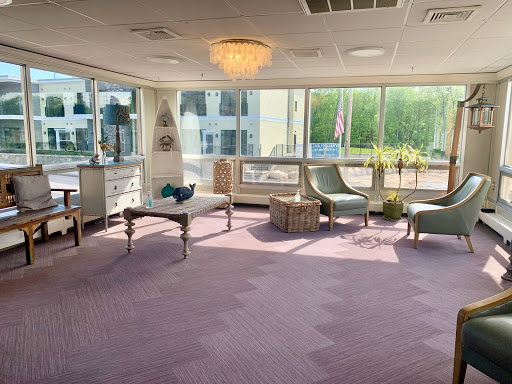
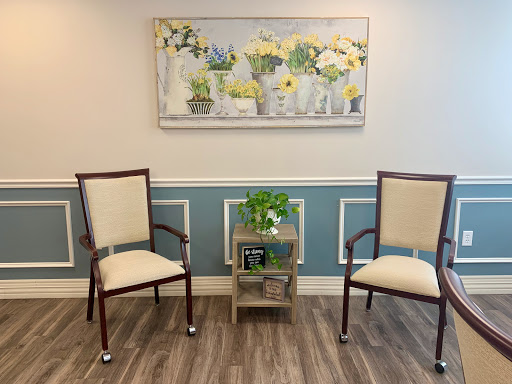
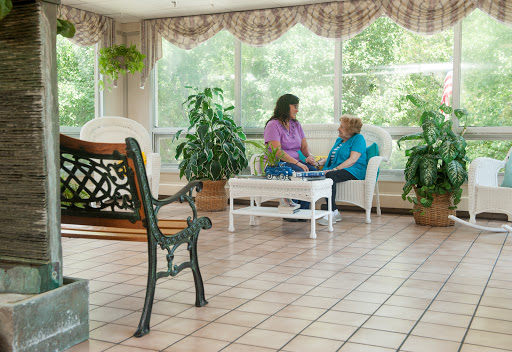
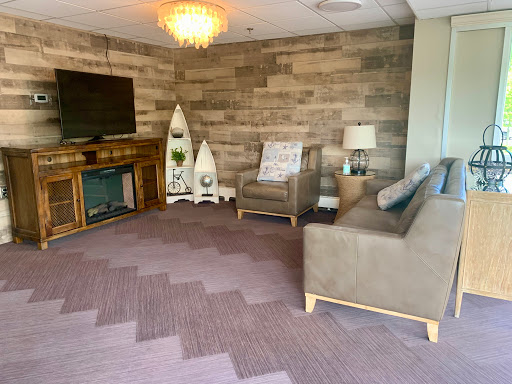
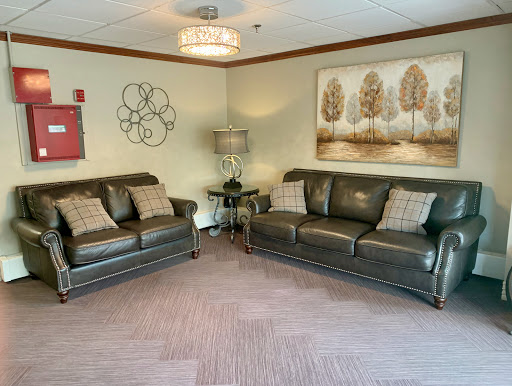
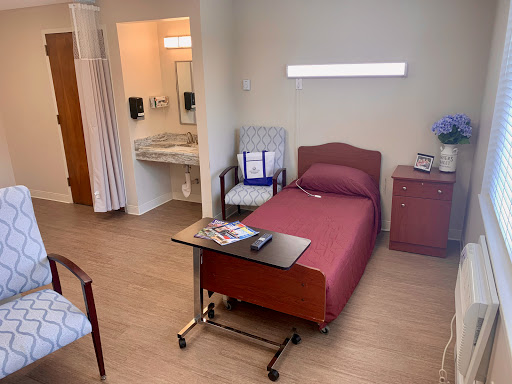
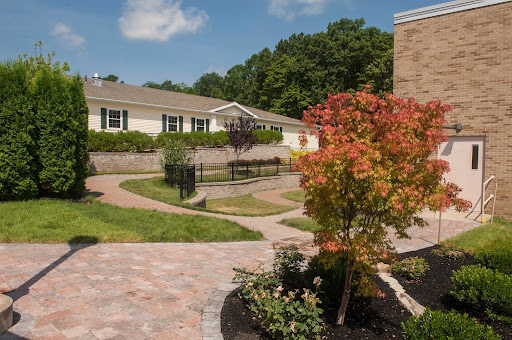
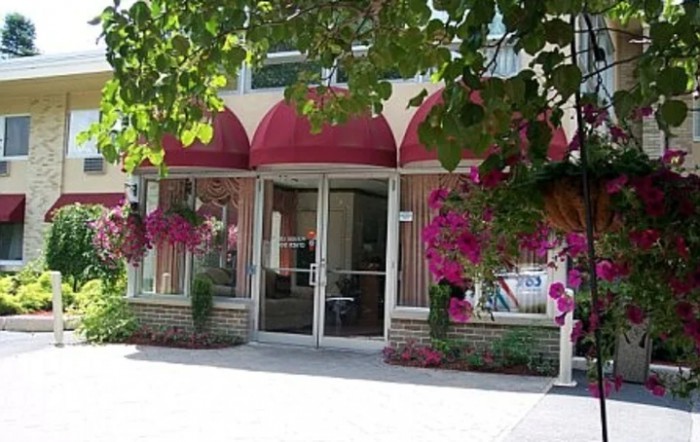
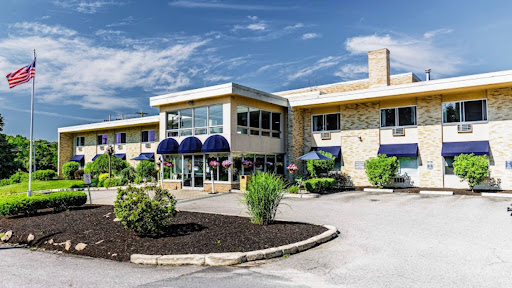
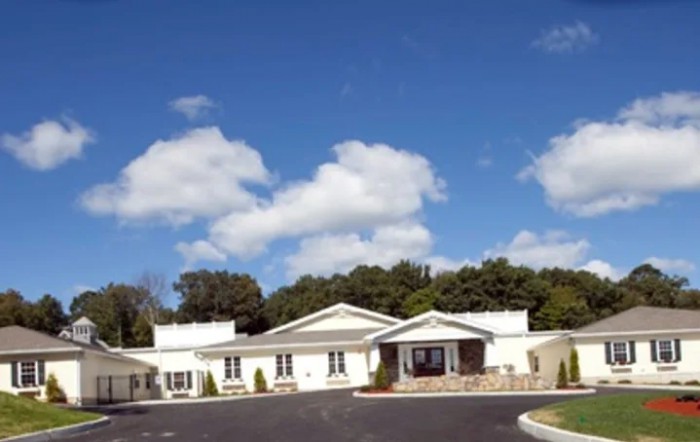
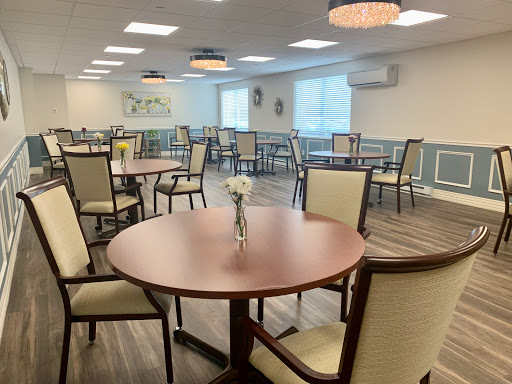
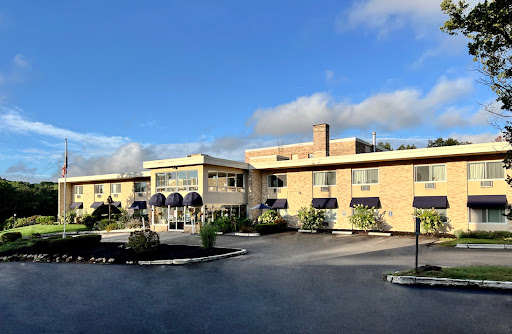
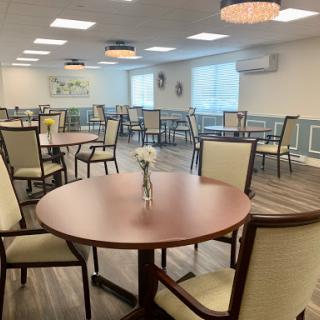
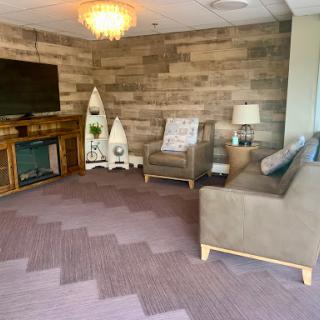
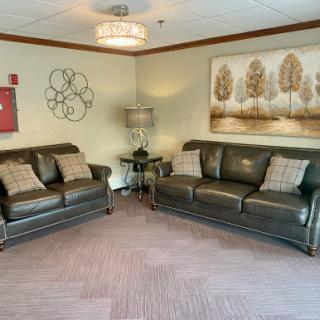
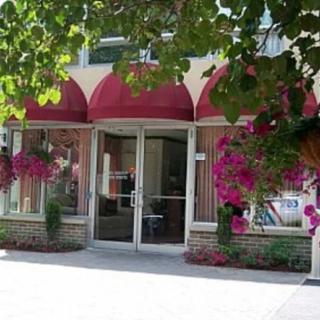
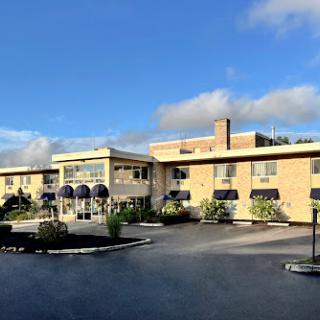
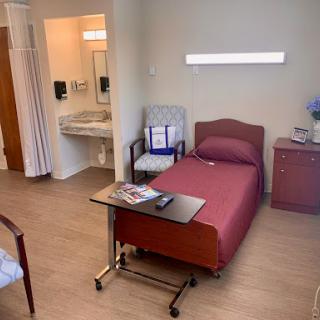
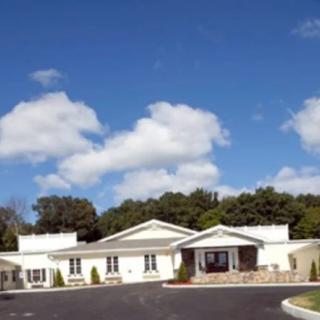
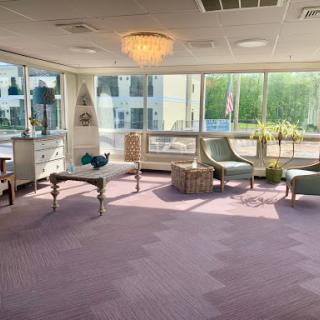
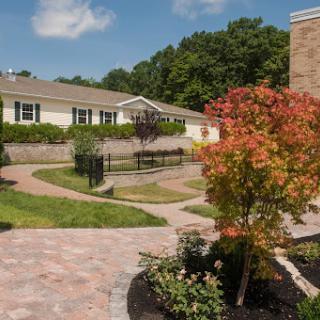
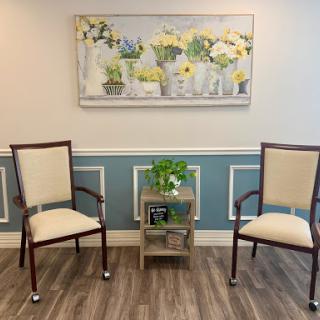
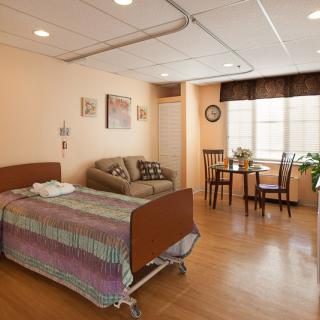
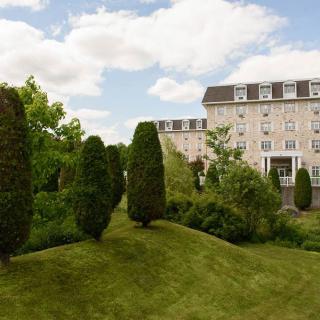
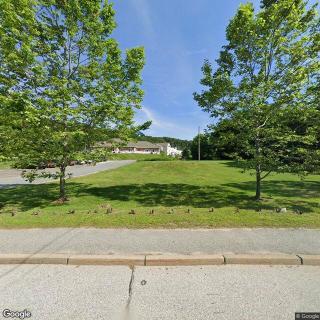
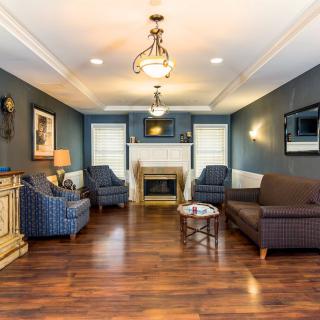
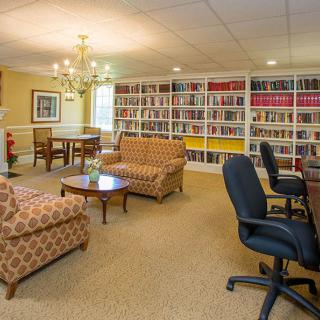
Briarcliffe Manor on seniors.fyi includes 12 photos including images showing interior, building, landscaping, decor, lounge, clouds, exterior, parking, and more.
Nearby Communities
Briarcliffe Gardens
Johnston, RI
4.8 from 33 reviews
$4,600 to $5,000 / month
Memory-care specialty with 24/7 supervision, private furnished apartments, and extensive on-site amenities and activities.
Anchor Bay at Pocasset
Johnston, RI
4.4 from 150 reviews
$2,980 to $4,770 / month
Caring staff in a bright, welcoming community with engaging activities.
Claiborne Pell Manor
Johnston, RI
Nearby amenities and healthcare services.
Cherry Hill Manor
Johnston, RI
4.8 from 118 reviews
Comprehensive amenities and 24/7 care with transportation.
The Bridge At Cherry Hill
Johnston, RI
4.9 from 77 reviews
$3,200 to $4,950 / month
Excellent dining and engaging activities with attentive staff.
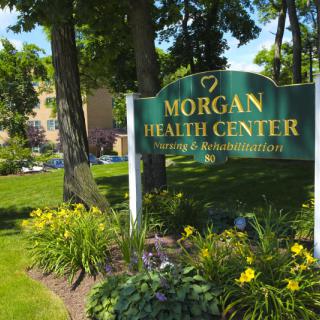
Morgan Health Center
Johnston, RI
4.4 from 122 reviews
Attentive staff, a clean home-like environment, and access to wound care and outdoor spaces.
The Cedars
Cranston, RI
3.3 from 39 reviews
Strong memory care and skilled nursing services with convenient access to nearby amenities in Cranston.
Pacifica Senior Living Victoria Court
Cranston, RI
4.8 from 120 reviews
$3,800 to $5,800 / month
Friendly staff and a warm, home-like atmosphere with engaging activities and quality dining.
Capitol Ridge At Providence
Providence, RI
4.4 from 91 reviews
$2,750 to $3,750 / month
Friendly, attentive staff with a strong sense of community and good dining.
Dementia encompasses a range of cognitive impairments characterized by types such as Alzheimer's and vascular dementia, and follows a seven-stage progression model known as the Global Deterioration Scale (GDS), highlighting varying symptoms and decline timelines. Early detection allows for lifestyle adjustments to potentially slow progression, while caregivers need support and resources to manage the challenges involved in caring for affected individuals.
The guide on holistic dementia care outlines the complexity of dementia and stresses the need for individualized caregiver strategies that include medical treatment, psychological support, and environmental adaptations, while emphasizing early detection, various therapeutic options, and caregiver support to enhance quality of life and maintain dignity.
Activities of Daily Living (ADLs) are fundamental tasks vital for an individual's independence, particularly in older adults over 85, and include functions like bathing and dressing; assessing ADLs alongside Instrumental Activities of Daily Living (IADLs) helps determine the level of required assistance due to age-related health challenges. Tailored support plans, involving family and community resources, are essential for maintaining dignity and autonomy in assisted living environments.
Get PricingAsk A QuestionSchedule A TourContact Senior Advisor
By clicking submit, you agree to our Partner's Terms of Use. You
also consent to receive calls and texts, which may be autodialed, from our Partner. Your consent is not a condition to
using our Partner's service. Please visit our Partner's Privacy Policy for information about their privacy practices.



 122 resident community capacity
 Studio apartments
 Memory Care
 Skilled Nursing Facility
 Air-conditioning
 Beautician on-site
 Cable or satellite TV
 Computer center
 Dining room
 Fitness room
 Fully furnished
 Gaming room
 Garden
 Housekeeping services
 Kitchenette
 Laundry
 Move-in coordination
 Outdoor space
 Private bathrooms
 Restaurant-style dining
 Small library
 Telephone
 VA Benefits Consultation
 Wellness center
 Wi-Fi/high-speed internet available
 Theodore F Green State (8 miles away)
 Community operated transportation
 12-16 hour nursing
 24-hour call system
 Activities of daily living assistance
 Assistance with bathing
 Assistance with dressing
 Assistance with transfers
 Diabetes diet
 Medication management
 Mental wellness program
 Special dietary restrictions
 Concierge services
 Planned day trips
 English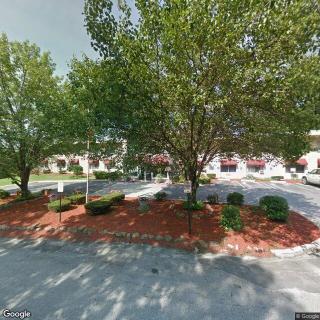
 Memory-care specialty with 24/7 supervision, private furnished apartments, and extensive on-site amenities and activities.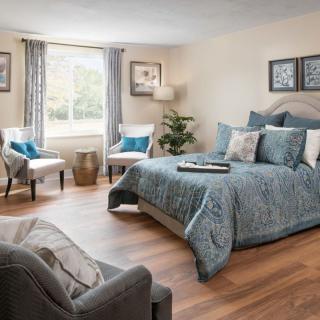
 Understanding Dementia Through Its Seven Stages: A Comprehensive Look at Progression and Expectations
 A Holistic Dementia Care Guide: Effective Strategies for Memory Support
 Comprehensive Insights into Activities of Daily Living (ADLs) and Their Assessment