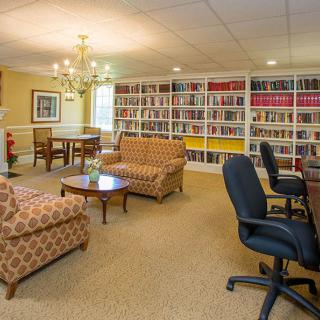
Briarcliffe Gardens in Johnston, RI

Save
Briarcliffe Gardens

Briarcliffe Gardens in Johnston, RI

53 Old Pocasset Road, Johnston, RI 02919

For more information about senior living options: (844) 490-3973

4.8 from 33 reviews
5 stars
31
4 stars
0
3 stars
0
2 stars
0
1 stars
2

Assisted Living Memory Care

Briarcliffe Gardens Costs & Pricing

Briarcliffe Gardens offers a range of accommodation options that reflect its commitment to quality care and comfort. For those choosing a semi-private room, the monthly cost is set at $4,600, which is slightly above the average prices for both Providence County ($4,241) and the broader state of Rhode Island ($4,389). Additionally, the studio option is available for $5,000 per month, positioning it notably higher than local averages - Providence County's average stands at $3,847 while the state average is $4,015. These figures indicate that while Briarcliffe Gardens prices are on the higher end compared to regional costs, they likely correspond with the facility's comprehensive services and superior living conditions offered to residents.

Floor plansBriarcliffe GardensProvidence CountyRhode Island
Semi-Private$4,600$4,241$4,389
Studio$5,000$3,847$4,015

Overall Review of Briarcliffe Gardens

Pros

  • pro The staff are warm, compassionate, and dedicated to residents' comfort and well-being.
  • pro The facility is clean, well-maintained, and inviting.
  • pro Communication with families is proactive and informative, with frequent updates.
  • pro Residents enjoy a variety of engaging activities that cater to many interests.
  • pro The caregiving team provides personalized, respectful care and genuine kindness.
  • pro The grounds and interiors are attractive and feel like a welcoming home.
  • pro Leadership and ownership are caring, supportive, and committed to quality care.
  • pro Families express gratitude for the compassionate care their loved ones receive.

Cons

  • pro The reviewer described Briarcliffe as one of the worst facilities they had ever encountered.
  • pro The reviewer warned that residents could be overfed, leading to weight gain.
  • pro The reviewer recounted that a resident broke her hip, had major surgery, and died six weeks later.
  • pro The staff neglected to answer the call bell in a timely manner, causing the mother to soil herself on many occasions.
  • pro The night staff were described as shady, impatient, and unkind.
  • pro The reviewer noted that staff would go through her personal belongings as well as those of the roommate.
  • pro The reviewer stated that only a few staff members made it tolerable and would not recommend anyone send a loved one there.

Review

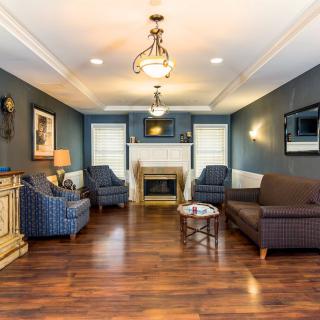
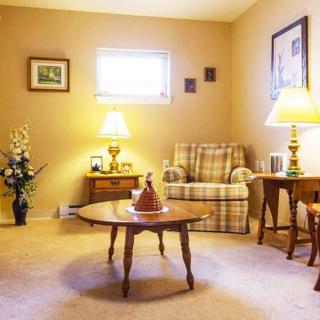
Briarcliffe Gardens in Johnston, RI is best suited for families seeking a memory-care oriented assisted living environment where dementia or Alzheimer's care is the core focus, and where a warm, home-like atmosphere is paired with highly engaged, attentive staff. The community's strongest draw is its staff-driven culture: consistent demonstrations of care across caregivers, nurses, and activity personnel, with family updates treated as a core part of the care plan. The setting - bright rooms, a sunroom, a garden, and well-maintained common areas - supports residents who thrive on social engagement and meaningful routines. For families prioritizing continuity of relationships with caregivers and a facility that treats residents with genuine warmth, Briarcliffe Gardens is a standout choice.

There are clear reasons some families will want to consider alternatives. A minority of reviews flag serious service gaps that should not be ignored: at least one resident experienced neglect regarding call-bell responsiveness and personal belongings, and another account cautions about potential weight gain from feeding practices or a fall risk in the bathroom. These outliers emphasize the need for careful due diligence: assess staffing patterns during tours, ask specific questions about call-bell response times, and review how nutrition is monitored and adjusted to individual needs. Families that require highly regimented acute medical oversight, aggressive rehab, or a consistently universal experience across shifts may find it prudent to compare with facilities that emphasize those exact capabilities.

On the positive side, Briarcliffe Gardens earns its reputation through a combination of compassionate caregiving, transparent family communication, and robust engagement opportunities. Reviewers repeatedly highlight the care team's genuine kindness, from nurses and care coordinators to housekeeping and culinary staff, who treat residents with respect and individualized attention. The memory-care expertise is repeatedly cited as a differentiator - staff members who understand dementia and memory loss, and who tailor activities, meals, and daily routines to individual needs. Families note regular updates by phone and the sense that staff stay connected with relatives, which translates into real peace of mind for those watching loved ones navigate cognitive challenges.

The environment itself reinforces the favorable impression. Clean, well-kept spaces, attractive common areas, and thoughtfully designed spaces such as a sunny communal room and accessible outdoor areas create a feeling of safety and belonging. Activities and social inclusion are not afterthoughts but central to daily life, with residents engaged in music programs and diverse programming that accommodate varying interests. Families consistently describe a calm, welcoming ambiance where residents can participate meaningfully without feeling rushed, which supports both mood and cognitive stimulation. For memory care, where structure and reassurance are essential, these elements substantially counterbalance the challenges that can arise in progressive conditions.

The weighing of pros and cons points most decisively toward Briarcliffe Gardens when the family's priorities align with the facility's strengths. The highly rated staff, individualized care, and active programming collectively offset the legitimate concerns about nutrition management and the potential for adverse incidents if staff coverage wanes or a mistaken assumption of safety occurs. The consistent praise for communication means families can expect meaningful updates about medication, changes in condition, and day-to-day activities, which reduces fear and ambiguity during a difficult transition. In short, for families seeking a memory-care setting that provides warmth, practical engagement, and dependable caregiving, the positives tend to dominate.

For families evaluating Briarcliffe Gardens, a practical path is clear: schedule a thorough tour with a specific docket - staff-to-resident ratios across shifts, dementia-specific programming, nutrition protocols and weight monitoring, and a direct conversation about how call-bell responsiveness is managed at night. Demand recent references from families whose loved ones are in the same memory-care unit, and ask about recent changes in leadership or care coordination. If the decision hinges on a combination of compassionate care, a dignified living environment, and robust social programming, Briarcliffe Gardens delivers with confidence. If, however, the care plan requires near-immediate medical subspecialties, or if stringent assurances about every staffing shift are non-negotiable, it is wise to compare with alternatives that foreground those exact strengths.

Features

Housing

  • 68 resident community capacity 68 resident community capacity

Types of Care

  • Assisted Living Assisted LivingAssisted living facilities provide crucial support and care for seniors who may need help with daily tasks such as medication management, bathing, and meal preparation. These communities offer a safe and comfortable environment where seniors can maintain their independence while receiving the assistance they need to thrive in their golden years.
  • Memory Care Memory CareMemory care is crucial for seniors as it provides specialized support and services for individuals with dementia or Alzheimer's disease. These programs offer a safe and secure environment where residents receive personalized care, cognitive stimulation, and help with daily activities. Memory care helps seniors maintain their independence, quality of life, and dignity while also providing peace of mind for their families.

Amenities

  • Activities on-site Activities on-siteActivities on-site are important for seniors because they provide opportunities for socialization, mental stimulation, physical activity, and overall well-being. Engaging in activities can help seniors stay active, maintain their independence, and improve their quality of life.
  • Air-conditioning Air-conditioningAir conditioning is important for seniors as they are more vulnerable to heat-related illnesses and may have underlying health conditions that make it difficult for them to regulate their body temperature. It helps to keep them comfortable, safe, and healthy in hot weather.
  • Beauty salon Beauty salonBeauty salons are important for seniors because they provide a space for them to feel pampered, socialize, and maintain their personal grooming and hygiene. Regular visits to a beauty salon can help boost seniors' self-esteem and overall well-being.
  • Cable or satellite TV Cable or satellite TVCable or satellite TV is important for seniors because it provides entertainment, news, and companionship, helping to combat loneliness and boredom. It also offers a wide range of programming options tailored to different interests and preferences.
  • Computer center Computer centerA computer center is essential for seniors as it provides access to technology, communication tools, and resources that can enhance their daily lives. It allows them to stay connected with loved ones, engage in online activities, and learn new skills, ultimately promoting socialization and mental stimulation.
  • Devotional services off-site Devotional services off-siteDevotional services off-site are important for seniors as they provide spiritual nourishment, social engagement, and a sense of community outside of the senior living facility. This can enhance overall well-being and help combat feelings of isolation and loneliness often experienced by older adults.
  • Dining room Dining roomDining rooms are important for seniors as they provide a space for socialization, connection, and nutritious meals. They offer opportunities for residents to bond over shared meals, foster a sense of community, and promote healthy eating habits. Dining rooms also ensure that seniors have access to well-balanced meals tailored to their dietary needs and preferences.
  • Fitness room Fitness roomHaving a fitness room in a senior living community is essential for seniors to stay active, maintain their physical health, and improve their overall well-being. Regular exercise can help prevent falls, reduce the risk of chronic diseases, and promote mental sharpness. It also provides social opportunities for residents to connect with others and enjoy a sense of community.
  • Fully furnished Fully furnishedFully furnished senior living communities are important for seniors because they provide convenience, comfort, and a hassle-free moving experience. Seniors can easily settle into their new living space without the stress of having to buy and move furniture. This allows them to focus on enjoying their new home and community.
  • Gaming room Gaming roomGaming rooms are important for seniors as they provide a fun and engaging environment for socializing, cognitive stimulation, and physical activity. Games can improve memory, problem-solving skills, and overall mental well-being while fostering friendships and reducing feelings of isolation.
  • Garden GardenGardens are important for seniors as they provide a peaceful and therapeutic environment for relaxation, physical activity, and socialization. Being in nature has been shown to reduce stress, improve mood, and promote overall well-being. Gardens also offer opportunities for seniors to engage in gardening activities, which can improve mobility, flexibility, and cognitive function. Additionally, gardens create a sense of community and connection with others who share a passion for plants and outdoor spaces.
  • Housekeeping services Housekeeping servicesHousekeeping services are important for seniors because they help maintain a clean and safe living environment, promote independence, and reduce the risk of accidents or illnesses. Additionally, having assistance with household chores can alleviate physical strain and allow seniors to focus on other aspects of their well-being.
  • Indoor common areas Indoor common areasIndoor common areas are crucial for seniors as they provide a space for socialization, recreation, and community engagement, promoting overall well-being and reducing feelings of isolation and loneliness.
  • Kitchenette KitchenetteKitchenettes are important for seniors living in senior living communities because they provide the convenience and independence of being able to prepare simple meals and snacks in the comfort of their own living space. This can help promote a sense of autonomy and well-being for seniors, allowing them to maintain some level of control over their dietary choices and daily routines.
  • Move-in coordination Move-in coordinationMove-in coordination is important for seniors because it helps ease the transition into their new living environment. It ensures that all logistics, such as packing, organizing movers, and setting up utilities are taken care of, allowing seniors to focus on settling in and adjusting to their new home. Having a smooth move-in process can alleviate stress and anxiety, making the transition smoother and more enjoyable for seniors.
  • Outdoor space Outdoor spaceOutdoor spaces are important for seniors as they provide opportunities for physical activity, social interaction, exposure to natural light and fresh air, and a sense of connection to nature. Having access to outdoor spaces can improve overall well-being and quality of life for older adults living in senior communities.
  • Private bathrooms Private bathroomsPrivate bathrooms are important for seniors in senior living communities because they provide independence, dignity, and comfort. Having a private bathroom allows seniors to maintain their personal hygiene routines without the need for assistance, promoting a sense of autonomy and privacy. Additionally, private bathrooms help prevent the spread of infections and provide a safe and clean environment for seniors to navigate safely.
  • Restaurant-style dining Restaurant-style diningRestaurant-style dining is important for seniors because it allows them to enjoy delicious, nutritious meals in a social and upscale setting. This enhances their dining experience, promotes healthy eating habits, and fosters socialization with fellow residents, ultimately contributing to their overall well-being and quality of life.
  • Small library Small librarySmall libraries are important for seniors as they provide access to a variety of reading materials, including books, newspapers, and magazines. This can help stimulate their minds, keep them engaged, and provide a sense of community through book clubs and other social activities. Additionally, reading has been shown to improve cognitive function and overall mental well-being in older adults.
  • Telephone TelephoneTelephones are important for seniors as they provide a lifeline for communication with loved ones, emergency services, and healthcare providers. They offer a sense of security and independence, enabling seniors to stay connected and access assistance when needed.
  • Wellness center Wellness centerWellness centers are important for seniors because they offer a variety of programs and services that promote physical, mental, and emotional well-being. These centers provide opportunities for exercise, socialization, education, and relaxation, helping seniors maintain their overall health and quality of life.
  • Wi-Fi/high-speed internet available Wi-Fi/high-speed internet availableWi-Fi/high-speed internet is important for seniors to stay connected with loved ones, access online resources, and participate in virtual activities to combat feelings of loneliness and isolation. It also allows them to easily manage healthcare needs, access entertainment, and engage in lifelong learning opportunities.

Transportation

  • Theodore F Green State (8 miles away) Theodore F Green State (8 miles away)
  • Community operated transportation Community operated transportationCommunity operated transportation is crucial for seniors as it provides them with the means to access essential services, social activities, and medical appointments. It allows seniors to maintain their independence and quality of life by ensuring they can participate in activities outside of their homes. Additionally, community-operated transportation services offer a safe and reliable way for seniors to travel without having to rely on family or friends for assistance.
  • Transportation arrangement Transportation arrangementTransportation arrangements are crucial for seniors as they may face challenges with driving, mobility, or access to public transportation. Having reliable transportation services ensures that seniors can easily attend appointments, social activities, and maintain their independence and quality of life.

Care Services

  • 24-hour call system 24-hour call system24-hour call systems are important for seniors because they provide peace of mind and immediate assistance in case of emergencies. This technology ensures that help is always available, promoting safety and security for elderly individuals living alone or in assisted living facilities.
  • 24-hour supervision 24-hour supervision24-hour supervision is important for seniors to ensure their safety, well-being, and access to immediate assistance in case of emergencies or health issues. This constant support provides peace of mind for both seniors and their loved ones, allowing them to age in place with dignity and security.
  • Activities of daily living assistance Activities of daily living assistanceActivities of daily living assistance are important for seniors because they provide essential support with tasks such as eating, bathing, dressing, and mobility. This assistance helps seniors maintain their independence, dignity, and overall quality of life as they age.
  • Ambulatory care Ambulatory care"Ambulatory care services provide essential medical support and treatment to seniors without requiring hospitalization, allowing them to maintain their independence and quality of life while managing chronic conditions or receiving routine medical care."
  • Assistance with bathing Assistance with bathingAssistance with bathing is crucial for seniors as it helps maintain personal hygiene, prevents infections, and ensures their overall well-being and comfort. It also provides a sense of dignity and independence for seniors who may struggle with this task on their own.
  • Assistance with dressing Assistance with dressingAssistance with dressing is important for seniors because it helps maintain their independence, promotes personal hygiene, prevents accidents and injuries, and improves overall quality of life. This service ensures that seniors can continue to dress comfortably and confidently, despite any physical limitations they may have.
  • Assistance with transfers Assistance with transfersAssistance with transfers is crucial for seniors as it helps prevent falls and injuries, maintains their independence, and ensures they can safely navigate their living environment. It also provides peace of mind for both seniors and their loved ones.
  • Diabetes diet Diabetes dietA diabetes diet is crucial for seniors as it helps manage blood sugar levels, reduce risks of complications, and improve overall health and well-being. By following a balanced and nutritious diet tailored to their specific needs, seniors can better control their diabetes and enhance their quality of life.
  • Diabetic care Diabetic careDiabetic care is crucial for seniors as they are more susceptible to developing diabetes due to aging and other health conditions. Proper management of diabetes can help prevent complications such as heart disease, vision loss, and nerve damage, improving the overall quality of life for seniors in senior living communities.
  • Meal preparation and service Meal preparation and serviceMeal preparation and service are crucial for seniors as they may have limited mobility or energy to cook nutritious meals. Having access to healthy and convenient food options can ensure they are getting the proper nutrition needed to maintain their overall health and well-being.
  • Medication management Medication managementMedication management is crucial for seniors to ensure they are taking the right medications at the correct dosages and times. This helps prevent adverse drug interactions, reduces the risk of medication errors, and promotes overall health and well-being. Proactive management also allows for adjustments as needed based on changing health conditions or new prescriptions.
  • Special dietary restrictions Special dietary restrictionsSpecial dietary restrictions are important for seniors because age-related changes in metabolism and health conditions can make it difficult for their bodies to process certain foods. By following a diet tailored to their specific needs, seniors can maintain their overall health and well-being, manage chronic conditions, and reduce the risk of complications such as malnutrition or food interactions with medications.

Dining

  • Diabetes diet Diabetes dietA diabetes diet is crucial for seniors as it helps manage blood sugar levels, reduce risks of complications, and improve overall health and well-being. By following a balanced and nutritious diet tailored to their specific needs, seniors can better control their diabetes and enhance their quality of life.
  • Meals provided Meals provided"Meals provided" are crucial for seniors in assisted living communities as it ensures they have access to nutritious, balanced meals without the stress of meal planning and preparation. This can help promote overall health and well-being for seniors who may have limited mobility or cognitive abilities.
  • Special dietary restrictions Special dietary restrictionsSpecial dietary restrictions are important for seniors because age-related changes in metabolism and health conditions can make it difficult for their bodies to process certain foods. By following a diet tailored to their specific needs, seniors can maintain their overall health and well-being, manage chronic conditions, and reduce the risk of complications such as malnutrition or food interactions with medications.

Activities

  • Activities on-site Activities on-siteActivities on-site are important for seniors because they provide opportunities for socialization, mental stimulation, physical activity, and overall well-being. Engaging in activities can help seniors stay active, maintain their independence, and improve their quality of life.
  • Community-sponsored activities Community-sponsored activitiesCommunity-sponsored activities are important for seniors as they provide opportunities for social interaction, mental stimulation, and physical activity. These activities can help improve overall well-being, combat loneliness and isolation, and promote a sense of belonging and purpose among older adults.
  • Concierge services Concierge servicesConcierge services are essential for seniors as they provide assistance with daily tasks and errands, enhance their quality of life by offering convenience and personalized care, and promote a sense of safety and security.
  • Devotional activities offsite Devotional activities offsiteDevotional activities offsite are important for seniors because they provide social engagement, spiritual growth, and a sense of community outside of their living environment. This can improve overall well-being, mental health, and combat feelings of isolation or loneliness.
  • Fitness programs Fitness programsFitness programs are crucial for seniors as they help improve strength, flexibility, balance, and overall well-being. Staying active can reduce the risk of chronic diseases, improve mental health, and enhance quality of life in older adults.
  • Planned day trips Planned day tripsPlanned day trips are important for seniors because they offer opportunities for socialization, mental stimulation, and physical activity. They provide a change of scenery and help seniors stay engaged and connected to their community, promoting overall well-being and quality of life.
  • Resident-run activities Resident-run activitiesResident-run activities are important for seniors as they encourage social interaction, creativity, and a sense of autonomy. These activities empower seniors to stay engaged and active in their community while fostering meaningful connections with their peers.
  • Scheduled daily activities Scheduled daily activitiesScheduled daily activities are important for seniors because they provide structure, socialization, mental stimulation, and physical activity. Engaging in regular activities can improve overall well-being and quality of life for seniors living in a community setting.

Description

Briarcliffe Gardens in Johnston, RI is an assisted living community that specializes in memory care. Our residents enjoy a wide range of amenities and care services to ensure their comfort and well-being.

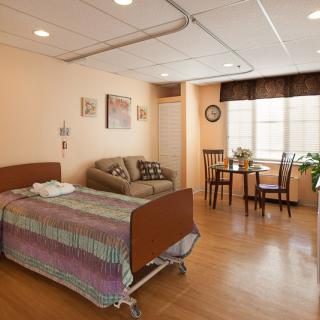
Our community offers air-conditioned apartments with private bathrooms that are fully furnished. Residents can relax and socialize in our indoor common areas, gaming room, or small library. We have an on-site beauty salon and wellness center for our residents to maintain their physical health and appearance.

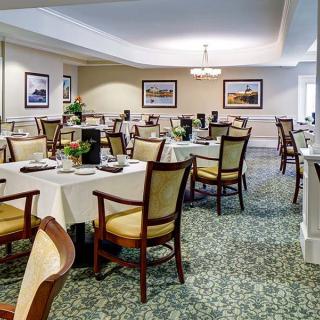
Meals are provided in our restaurant-style dining room, with special dietary restrictions taken into consideration. Our professional staff offers 24-hour supervision and assistance with activities of daily living such as bathing, dressing, and transfers. Medication management is also provided to ensure residents receive the correct dosages at the appropriate times.

We understand the importance of keeping our residents engaged and active. That's why we offer a variety of community-sponsored activities, fitness programs, resident-run activities, and scheduled daily activities. Our concierge services can help residents plan day trips to explore the local area or arrange transportation for appointments.

Briarcliffe Gardens is conveniently located near various amenities such as cafes, pharmacies, physicians' offices, restaurants, places of worship, and hospitals. Our community-operated transportation is available for any additional needs outside the immediate area.

At Briarcliffe Gardens, we provide a comfortable and supportive environment for individuals requiring memory care services. With our extensive amenities and care services, we strive to enhance the quality of life for each resident in our community.

Nearby Places of Interest

This part of Johnston, Rhode Island, offers convenient access to essential amenities such as pharmacies, physicians, cafes, places of worship, restaurants, hospitals, theaters, parks, and transportation options. With multiple CVS Pharmacies and Walgreens within a few miles radius, seniors can easily access their medications and healthcare services. The presence of various physicians' offices ensures timely medical care for any health concerns. Additionally, there are several dining options nearby for enjoying meals with family and friends. Parks like India Point Park and Roger Williams Park provide opportunities for leisurely walks and enjoying nature. The proximity to Providence Station allows for easy access to public transportation for exploring the surrounding areas. Overall, this location offers a mix of convenience and recreational opportunities suitable for senior living.

Pharmacies

  • CVS Pharmacy (1 miles)
  • Walgreens (1.3 miles)
  • CVS Pharmacy (1.8 miles)
  • CVS Pharmacy (2.8 miles)
  • CVS Pharmacy (3.3 miles)
  • CVS Pharmacy (3.4 miles)
  • Walgreens (3.5 miles)

Physicians

  • Atmed Treatment Center (1.1 miles)
  • Lim Richard Atwood Medical Associates Limited Johnston (1.1 miles)
  • Aspire Dermatology (1.1 miles)
  • Zhou Linda MD (1.1 miles)
  • OPTX Eyewear (1.3 miles)
  • Olneyville Health Center (3.4 miles)
  • Coastal Medical Laboratory (3.5 miles)

Cafes

  • Latte Love Coffee House (1.9 miles)
  • Latte Love Coffee House (2.4 miles)
  • Starbucks (3.8 miles)
  • New Harvest Coffee (4.3 miles)
  • The Nitro Bar (4.7 miles)
  • White Electric Coffee (4.9 miles)
  • Starbucks (5 miles)

Places of Worship

  • Our Lady of Grace Church (2.3 miles)

Restaurants

  • Chilangos (3.2 miles)
  • Uncle Tony's Pizza and Pasta (3.4 miles)
  • Olneyville New York System (3.7 miles)
  • Sonic Drive-In (3.8 miles)
  • Troop PVD (3.9 miles)
  • Nick's on Broadway (4.2 miles)
  • Los Andes Restaurant (4.2 miles)

Hospitals

  • Providence VA Medical Center (4.4 miles)
  • Women and Infants Laboratory (5.4 miles)
  • Hasbro Children's Hospital (5.5 miles)

Theaters

  • Providence Place Showcase IMAX Theaters (5.2 miles)

Parks

  • India Point Park (5.3 miles)
  • Roger Williams National Monument (5.5 miles)
  • Playground (5.7 miles)
  • Roger Williams Park (5.9 miles)

Transportation

  • Providence Station - MBTA & Amtrak (PVD) (5.4 miles)

Frequently Asked Questions

How much does it cost to live at Briarcliffe Gardens in Johnston, RI?
Where is Briarcliffe Gardens?
Does Briarcliffe Gardens provide care for residents with dementia or Alzheimer's disease?

Nearby Communities

  • Briarcliffe Manor

    Briarcliffe Manor

    Johnston, RI

    4.7 from 109 reviews
     

    pro Caring staff with open family communication and engaging activities.


  • Anchor Bay at Pocasset

    Anchor Bay at Pocasset

    Johnston, RI

    4.4 from 146 reviews
    $2,980 to $4,770 / month

    pro Caring staff in a bright, welcoming community with engaging activities.

  • Claiborne Pell Manor

    Claiborne Pell Manor

    Johnston, RI


    pro Nearby amenities and healthcare services.

  • Cherry Hill Manor

    Cherry Hill Manor

    Johnston, RI

    4.8 from 100 reviews
     

    pro Comprehensive amenities and 24/7 care with transportation.

  • The Bridge At Cherry Hill

    The Bridge At Cherry Hill

    Johnston, RI

    4.9 from 73 reviews
    $3,200 to $4,950 / month

    pro Excellent dining and engaging activities with attentive staff.

  • Morgan Health Center

    Morgan Health Center

    Johnston, RI

    4.5 from 102 reviews
     

    pro Attentive staff, a clean home-like environment, and access to wound care and outdoor spaces.

  • The Cedars

    The Cedars

    Cranston, RI


    pro Strong memory care and skilled nursing services with convenient access to nearby amenities in Cranston.

  • Pacifica Senior Living Victoria Court

    Pacifica Senior Living Victoria Court

    Cranston, RI

    4.8 from 110 reviews
    $3,800 to $5,800 / month

    pro Friendly staff and a warm, home-like atmosphere with engaging activities and quality dining.

  • Capitol Ridge At Providence

    Capitol Ridge At Providence

    Providence, RI

    4.4 from 77 reviews
    $2,750 to $3,750 / month

    pro Friendly, attentive staff with a strong sense of community and good dining.

Related Resources

  • assisted living vs nursing homeChoosing the Right Senior Care: A Detailed Exploration of Assisted Living and Nursing Homes

    Choosing between assisted living and nursing homes involves evaluating emotional and financial factors, with assisted living offering independence and support for daily activities at a lower cost, while nursing homes provide intensive medical care for individuals with significant health needs. The decision is influenced by personal preferences, health status, cognitive function, and varying Medicaid coverage across states.

  • how to prevent memory loss in old ageSafeguarding Your Memory Through the Golden Years: Eight Ways to Preserve Cognitive Health

    The article presents eight strategies for preserving cognitive health and memory in older adults, emphasizing a nutrient-rich diet, regular exercise, intellectually stimulating activities, adequate sleep, social connections, stress management techniques, limiting harmful substances, and regular medical checkups to mitigate age-related memory decline.

  • activities of daily livingComprehensive Insights into Activities of Daily Living (ADLs) and Their Assessment

    Activities of Daily Living (ADLs) are fundamental tasks vital for an individual's independence, particularly in older adults over 85, and include functions like bathing and dressing; assessing ADLs alongside Instrumental Activities of Daily Living (IADLs) helps determine the level of required assistance due to age-related health challenges. Tailored support plans, involving family and community resources, are essential for maintaining dignity and autonomy in assisted living environments.