ElderHealth & Living offers competitive pricing for its accommodations when compared to the broader market in Lane County and across Oregon. For instance, a studio at ElderHealth & Living is priced at $3,095 per month, which is notably lower than the county average of $3,877 and the state average of $3,815. Similarly, their one-bedroom units are available for $3,250 each month, again undercutting both Lane County's average of $4,179 and Oregon's statewide figure of $3,904. This positioning not only highlights ElderHealth & Living's commitment to affordability but also underscores its appeal as a viable option for individuals seeking quality elder care without the burden of excessive costs.
Floor plans
ElderHealth & Living
Lane County
Oregon
Studio
$3,095
$3,877
$3,815
1 Bedroom
$3,250
$4,179
$3,904
Memory care communities with a similar price nearby
Residents describe staff who are consistently attentive and caring.
Across the reviews, families repeatedly say the caregivers treat residents with kindness and compassion, while also staying responsive to questions and day-to-day needs. Several reviewers mention ongoing communication with the care team, including updates during difficult periods. Others describe staff as friendly and professional beyond hands-on care, including how they greet residents and work with families. A small number of reviews are sharply negative, saying people were neglected or the experience was poor, but those are in the minority compared with the overall tone.
common5 reviews mention this
Facilities are kept clean and maintained
Residents and families mention the community is kept clean.
Multiple reviews highlight cleanliness and upkeep, saying the facility is well maintained and continually cleaned. Reviewers also mention maintenance support when something needs attention, and they describe a campus that stays organized. Cleanliness comes up alongside overall care quality for both current residents and visitors dropping in for short periods.
differentiator8 reviews mention this
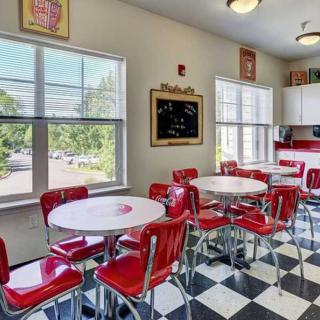
Memory care feels small-home oriented
Memory care is described as centered on small homes and familiarity.
Several reviewers say the memory care model uses multiple small homes where residents interact with the same staff more consistently. Families mention choosing this setup because it helps residents feel more comfortable when they can stay among a limited group and recognize familiar caregivers. Reviews also describe the houses as secure and set up like a home, which supports the overall “homey” feel residents describe. One family specifically contrasts this approach with a larger single-building layout during their search.
common10 reviews mention this
Activities and meals keep residents engaged
Residents describe frequent activities and on-site food.
Reviews describe ongoing opportunities for engagement, including group activities and activities tied to each home. Families mention residents participating in things like games, walks around the campus, and celebrations, with some describing music and holiday events. Meals also come up often, with reviewers saying they are enjoyable and highlighting home-cooked or made-from-scratch food. A few reviews also note limited awareness of daily activities for a specific loved one, but overall activity programming is a recurring positive theme.
caveat2 reviews mention this
Cost is a recurring concern
Some families feel the community is expensive.
While most reviews focus on care quality, a couple of reviewers call out cost as a downside. One family mentions the price directly while also saying they consider it excellent care, and another says the community would be a first choice except for being more expensive. Pricing for this community is presented as below county and state benchmarks for the listed unit types, so the “expensive” feedback appears to be relative to families’ personal budget and qualifying options rather than the published comparison ranges.
How we summarize
Counts show how many written reviews mention each theme; a review can touch several themes, and only frequently mentioned themes are displayed.
Features
Types of Care
Memory Care
Transportation
Mahlon Sweet (15 miles away)
Nearby Places of Interest
This part of Springfield, Oregon, offers a variety of amenities and services that cater to seniors looking to settle in a convenient location with easy access to essential facilities. There are several pharmacies within a short distance, providing easy access to medications and healthcare supplies. The area also boasts a selection of reputable medical clinics and hospitals for any healthcare needs. Additionally, there are dining options ranging from casual eateries like Burrito Boy and Denny's to more upscale establishments like Gridiron Grill & Tap House. For recreation, there are nearby parks such as Meadow Park and Hendricks City Park for outdoor activities, as well as the Cinemark 17 theater for entertainment. Overall, this area provides a well-rounded environment for seniors seeking a comfortable and convenient place to call home.
Pharmacies
Sav-on Pharmacy (0.2 miles)
Cannabis (3.4 miles)
Fred Meyer Pharmacy (4.7 miles)
Target Pharmacy (6.2 miles)
Albertsons Pharmacy (7.4 miles)
Sav-On Pharmacy (7.4 miles)
Rite Aid (7.5 miles)
Physicians
Thurston Medical Clinic (0.5 miles)
Springfield Family Practice Group (3.6 miles)
Willamette Valley Dermatology (3.7 miles)
MR Imaging Associates (3.8 miles)
McKenzie Medical Imaging PC (3.8 miles)
Mckenzie Medical Center (3.8 miles)
Oregon Medical Group (3.8 miles)
Hospitals
Emeritus at Springfield - the Woodside (1.1 miles)
McKenzie-Willamette Medical Center (3.8 miles)
Riverbend Hospital Pediatric Unit (5.6 miles)
Oregon Heart & Vascular Institute (5.6 miles)
PeaceHealth Sacred Heart Medical Center at Riverbend (5.6 miles)
Sacred Heart Medical Center - Children's Miracle Network (6 miles)
White, Kery - Nova Health Urgent Care Coburg (7.5 miles)
ElderHealth & Living offers competitive pricing for its accommodations when compared to the broader market in Lane County and across Oregon. For instance, a studio at ElderHealth & Living is priced at $3,095 per month, which is notably lower than the county average of $3,877 and the state average of $3,815. Similarly, their one-bedroom units are available for $3,250 each month, again undercutting both Lane County's average of $4,179 and Oregon's statewide figure of $3,904. This positioning not only highlights ElderHealth & Living's commitment to affordability but also underscores its appeal as a viable option for individuals seeking quality elder care without the burden of excessive costs.
Assisted living provides moderate support for seniors seeking independence, while memory care offers specialized support for individuals with dementia or cognitive impairments through structured routines and trained staff. Key differences include care approaches, environment security measures, staff training levels, activity types, and cost considerations.
Choosing between assisted living and nursing homes involves evaluating emotional and financial factors, with assisted living offering independence and support for daily activities at a lower cost, while nursing homes provide intensive medical care for individuals with significant health needs. The decision is influenced by personal preferences, health status, cognitive function, and varying Medicaid coverage across states.
The article presents eight strategies for preserving cognitive health and memory in older adults, emphasizing a nutrient-rich diet, regular exercise, intellectually stimulating activities, adequate sleep, social connections, stress management techniques, limiting harmful substances, and regular medical checkups to mitigate age-related memory decline.
Get PricingAsk A QuestionSchedule A TourContact Senior Advisor
By clicking submit, you agree to our Partner's Terms of Use. You
also consent to receive calls and texts, which may be autodialed, from our Partner. Your consent is not a condition to
using our Partner's service. Please visit our Partner's Privacy Policy for information about their privacy practices.

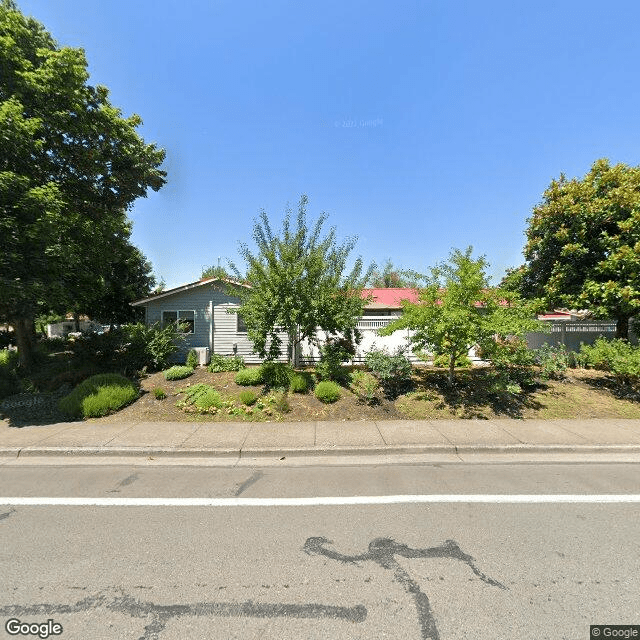
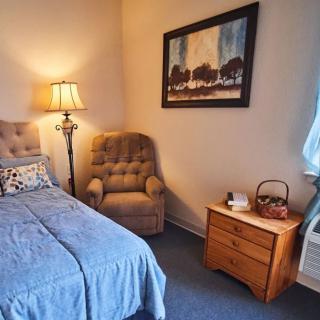
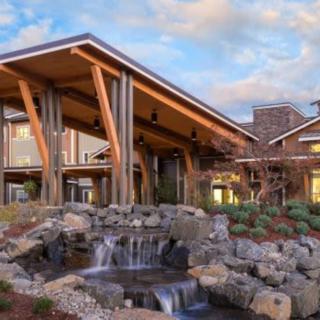
 Memory Care
 Mahlon Sweet (15 miles away)
 Memory-care focused with 24/7 supervision and personalized care.
 Assisted Living and Memory Care: Understanding Their Core Differences
 Choosing the Right Senior Care: A Detailed Exploration of Assisted Living and Nursing Homes
 Safeguarding Your Memory Through the Golden Years: Eight Ways to Preserve Cognitive Health